📊 Full opportunity report: A Photo Diary For Evaluating Your Skincare Routine on IdeaNavigator AI — validation score, market gap, and execution plan.
TL;DR
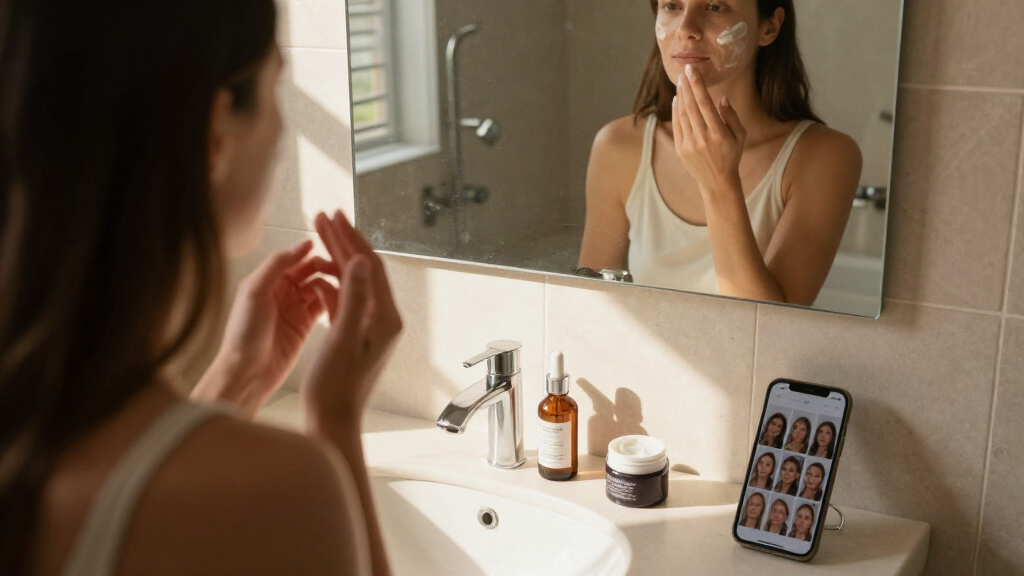
IdeaNavigator AI has outlined a concept for a skincare app that uses guided weekly selfies to track changes in texture, tone and blemishes. The proposal calls for testing the measurements against dermatologist photo assessments in a 12-week study; no app launch, trial results or validated performance data are provided.
IdeaNavigator AI has proposed a photo-diary app that would use guided weekly selfies to track skin texture, tone and blemishes, giving skincare users a structured way to assess whether a routine is helping. The concept includes a 12-week test with 500 users, but the proposal provides no evidence that the app has been built, clinically validated or shown to improve users’ decisions.
The proposed app would guide users through taking repeat photos with consistent alignment and lighting adjustments. It would then track texture, tone evenness and blemish counts over time, while recording changes to a person’s routine. Its reports would show which routine changes came before measurable shifts in those metrics—not establish, on their own, that a product caused the change.
The intended audience is people spending money on skincare without a clear way to judge results. The proposal says routines can cost $50 to $200 a month and that gradual changes are difficult to notice from day to day, particularly when lighting and memory vary. That cost range is presented as part of the concept’s problem statement, not as a finding from a named survey.
To test the idea, the plan recommends following 500 users for 12 weeks, comparing app measurements with dermatologist assessments of photos for a subsample, and tracking retention. The proposal does not report that this study has begun or provide results. It also suggests a subscription and affiliate revenue model, with product links tied to products correlated with user improvement.
A More Consistent Record of Skin Changes
A weekly photo record could address a practical problem for consumers: skin changes often happen gradually, while users may make product decisions based on impressions formed under different lighting or after an unusually good or bad day. Consistent images and a timeline of routine changes could make it easier to see whether a pattern is developing.
That would be useful as a tracking aid, but the proposed app’s scores would not automatically show that a product works for a particular person. Skin can change for many reasons, and measurements such as blemish counts or tone may be affected by camera conditions, image processing and other factors. The proposed dermatologist comparison is therefore a key test of whether the app’s metrics correspond to assessments made from photos by clinicians.
The business model also creates a question for users. A service earning affiliate revenue from product purchases could have an incentive to recommend products. The proposal does not specify how recommendations would be generated, whether affiliate relationships would be disclosed within the app, or how the app would separate measurement from sales. Those details would affect how users interpret its reports.
smart skincare mirror with lighting
As an affiliate, we earn on qualifying purchases.
As an affiliate, we earn on qualifying purchases.
From Selfies to a Validation Study
The concept sits within beauty technology and skincare apps, using repeat photography and image analysis to make a personal routine easier to monitor. Its proposed workflow is narrower than a general skincare adviser: capture images in a controlled way, record routine changes and chart selected visible measures.
IdeaNavigator AI frames the opportunity around the combination of guided photo capture and models that assess skin features. It describes these tools as able to quantify change credibly, but provides no performance figures, technical documentation or independent evaluation to support that claim. The 12-week cohort and dermatologist comparison are proposed validation steps, not completed evidence.
The plan also links its timing to consumer interest in skincare and spending on routines. It does not provide market-size data or research establishing that spending is at a peak. The clearest confirmed development is the publication of a product concept and a suggested way to test it, rather than a launched service or a reported clinical result.
As an affiliate, we earn on qualifying purchases.
Validation and App Details Still Pending
No product launch or study results are reported. The proposal does not identify an app developer, release schedule, recruitment plan, or the criteria that would count as a successful test. It also does not say how many participants would receive dermatologist photo assessments or how those assessments would be conducted.
Other important details remain unspecified: how lighting normalization would work across devices, how the system would handle different skin tones and skin conditions, what privacy protections would apply to face images, and whether users could delete their photos. The proposal also does not show that the app can distinguish routine-related changes from natural variation or other influences. Until those questions are answered and the measurements are tested, its scores should be understood as a proposed feature, not a proven assessment of skincare effectiveness.
As an affiliate, we earn on qualifying purchases.
A Cohort Would Test the Concept
The next step described in the proposal is a 12-week cohort study involving 500 users, with app-generated metrics compared against dermatologist photo assessments for some participants. Retention would also be measured to see whether users keep using the photo diary over the test period.
No start date, recruitment details or findings have been announced in the information available. If the study proceeds, its results could clarify whether guided capture produces consistent measurements and whether users find the tracking useful. Until then, the concept remains a proposed workflow and validation plan rather than evidence that a particular skincare routine works.
Source: IdeaNavigator AI
As an affiliate, we earn on qualifying purchases.
Key Questions
Has the skincare photo-diary app launched?
No launch is reported. The material describes a product concept and a suggested study, not an available app.
What would the app track?
The proposed app would use guided weekly photos to monitor skin texture, tone evenness and blemish counts, while recording changes to a user’s routine.
Would its measurements prove that a product works?
No. The concept proposes tracking changes and noting what happened before them. That would not by itself prove a product caused an improvement; the suggested dermatologist comparison is one step toward testing the measurements.
Has the proposed 500-person study started?
The proposal recommends a 12-week cohort of 500 users, but provides no confirmation that recruitment or the study has begun.
How might the service make money?
The suggested model combines subscriptions and affiliate revenue from products associated with user improvement. The proposal does not explain how product recommendations or affiliate disclosures would work.
Source: IdeaNavigator AI