
📊 Full opportunity report: Acoustic Dampening, Placement, and the “Rig in the Closet” Setup on ThorstenMeyerAI.com — validation score, market gap, and execution plan.
TL;DR
This article explains how to minimize noise from high-performance AI workstations through strategic placement and acoustic treatment. Moving the rig into another room or closet is the most effective approach, with considerations for ventilation and heat management.
Putting an AI workstation in a different room or closet is the most effective way to reduce noise, according to experts. This approach, often called the ‚rig in the closet‘ setup, offers significant noise reduction by physically separating the machine from the user, with proper ventilation being the key consideration.
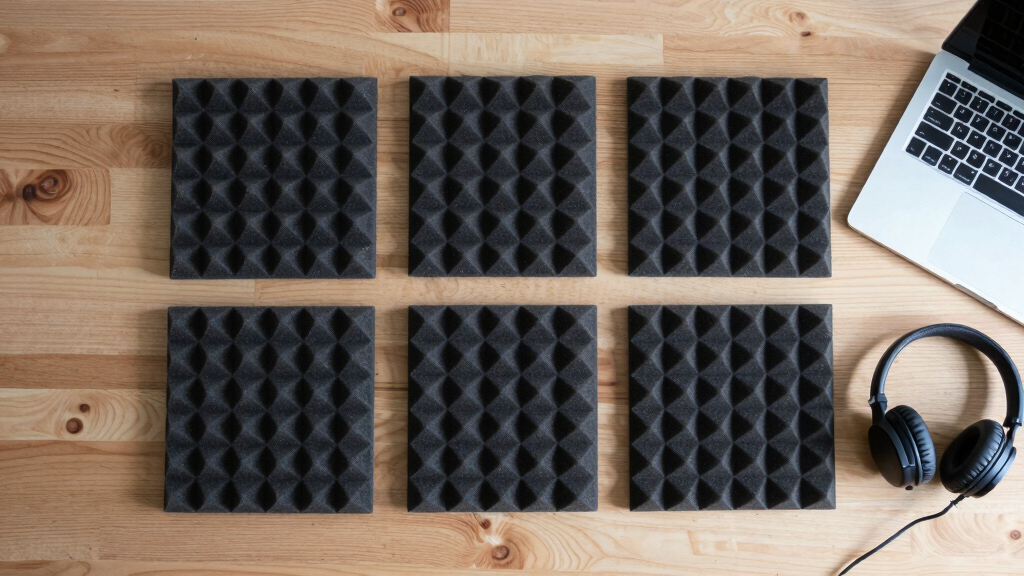
Experts emphasize that the most effective noise mitigation strategy is to move the high-power rig away from the workspace into another room or closet, especially since AI inference machines often operate quietly over the network. This method eliminates the need for acoustic foam and other treatments that only absorb airborne sound but do little to reduce structure-borne noise.
When placing a rig in a closet or enclosed space, ventilation becomes critical. Sealed spaces trap heat, which can cause the machine to throttle and increase noise levels. To prevent this, active ventilation—such as intake and exhaust fans—is necessary to dissipate heat effectively. Proper airflow ensures the rig remains cool and quiet, even under sustained load. Some specialized soundproof cabinets combine acoustic insulation with temperature-controlled airflow, offering a balanced solution for noise and heat management.
While acoustic foam and barriers can help soften reflections and block airborne noise, they are less effective against structure-borne sound transmitted through solid surfaces. For more on this, see acoustic dampening, placement, and the ‚rig in the closet‘ setup.
Acoustic dampening
& the rig in the closet.
The most powerful noise fix isn’t a material — it’s a floor plan. A rig you can’t hear because it’s in another room beats any amount of foam. Tap the approaches in Part 1 to see what actually works.
(another room)
(levers 1–4)
(door / barrier)
(acoustic foam)
Contain the noise, not the heat
Why Proper Placement and Ventilation Matter for AI Rigs
Effective noise reduction improves the working environment, especially for those working long hours or in shared spaces. Moving the rig into another room minimizes distractions and reduces noise pollution. Additionally, proper heat management in enclosed setups prevents hardware throttling and potential damage, ensuring sustained performance and longevity of AI hardware. Learn more about acoustic dampening, placement, and the 'rig in the closet' setup.
Understanding the hierarchy of acoustic treatment—distance, source reduction, barriers, and absorption—helps users prioritize effective solutions. The 'rig in the closet' approach, combined with ventilation, offers the most practical and impactful method for quiet, high-performance AI workstations.
As an affiliate, we earn on qualifying purchases.
Placement Strategies for Noise Reduction in AI Workstations
Traditional approaches to quieting high-power AI rigs often focus on acoustic foam, soundproof cases, or damping materials. However, experts highlight that the most effective strategy is to physically distance the machine from the workspace. This aligns with principles used in soundproofing and HVAC design, where separating the noise source from the user yields the best results.
Recent discussions in AI hardware communities emphasize that network-based access to inference rigs allows for flexible placement, making it feasible to locate noisy equipment in remote rooms or closets. This shift reduces reliance on complex acoustic treatments and simplifies noise management.
Placement considerations also include ventilation and heat dissipation. Sealed or semi-sealed spaces require active airflow solutions to prevent heat buildup, which can lead to hardware throttling and increased noise from fans. Properly vented closets or cabinets with ducted airflow are emerging as practical solutions for balancing noise reduction and thermal management.
"Moving the rig into another room or closet is the most effective way to significantly reduce noise, provided you manage heat with proper ventilation."
— Thorsten Meyer, AI hardware expert
As an affiliate, we earn on qualifying purchases.
Remaining Challenges in Quiet AI Hardware Deployment
While the benefits of moving rigs into separate rooms or closets are clear, specific solutions for small or shared spaces remain less defined. The optimal design of soundproof cabinets with integrated cooling is still evolving, and cost considerations can be prohibitive for some users. Additionally, the impact of different hardware configurations on heat and noise management requires further testing and standardization.
ventilated closet for computer setup
As an affiliate, we earn on qualifying purchases.
As an affiliate, we earn on qualifying purchases.
Next Steps for Implementing Quiet AI Workstations
Users should evaluate their workspace layout and consider relocating their AI rigs to separate rooms or dedicated enclosures with proper ventilation. Advances in soundproof cabinet design and active cooling solutions are expected to become more accessible and affordable. Ongoing research and community sharing will refine best practices for balancing noise reduction with thermal management in various environments.
acoustic treatment for computer room
As an affiliate, we earn on qualifying purchases.
As an affiliate, we earn on qualifying purchases.
Key Questions
Is it necessary to use specialized soundproof cabinets?
Not necessarily. Moving the rig to another room or closet with proper ventilation can be sufficient. However, specialized soundproof cabinets combine acoustic insulation with cooling solutions, making them ideal for environments where noise and heat are both critical concerns.
How important is ventilation when placing a rig in a closet?
Ventilation is essential. Without proper airflow, heat will accumulate, causing the hardware to throttle and fans to increase noise. Active ventilation, such as exhaust fans or ducted airflow, helps maintain optimal temperatures and noise levels.
Can acoustic foam alone significantly reduce noise from an AI rig?
No. Acoustic foam primarily absorbs airborne sound reflections within a space but does little to block noise transmission through walls or reduce structure-borne vibrations. Combining foam with barriers and strategic placement yields better results.
What are the main advantages of the 'rig in the closet' setup?
The main advantages include substantial noise reduction, improved workspace comfort, and the ability to run high-power hardware without disturbing the environment. Proper ventilation ensures hardware longevity and performance.
Source: ThorstenMeyerAI.com




![Better Gym Shorts Tying Techniques Based On Consumer Trends [Video]](https://mybrutalreview.com/wp-content/uploads/2026/09/better-gym-shorts-tying-techniques-based-on-consumer-trends-video-featured-260x140.jpg)