AC filters can substantially improve indoor air quality by trapping dust, pollen, pet dander, and mold spores, helping you breathe easier. However, they can’t remove all airborne pollutants like bacteria, viruses, or chemical fumes on their own. Regular filter maintenance and upgrading to higher-rated filters can boost their effectiveness. Still, for the best results, extra purification methods may be needed—continue exploring how to optimize your system for cleaner air.
Key Takeaways
- AC filters trap airborne pollutants like dust, pollen, pet dander, and mold spores, improving indoor air quality.
- They can reduce certain chemical vapors and smoke particles but are limited in removing bacteria and viruses.
- Proper filter selection, regular replacement, and correct installation maximize filtration efficiency and indoor air health.
- Filters have limits; they cannot eliminate all contaminants, especially if clogged or of lower quality.
- Additional purification methods may be needed for comprehensive air cleaning beyond what filters can provide.
Popular right now

Ninja Foodi 8-Quart DualZone 6-in-1 Air Fryer, Grey (DZ201)

Vitamix Propel Series 750 Professional-Grade Blender, 4 Programs, Black

LG 85-Inch QNED84B Mini LED 4K Smart TV (2026)
As an affiliate, we earn on qualifying purchases.
How Do AC Filters Improve Indoor Air Quality?
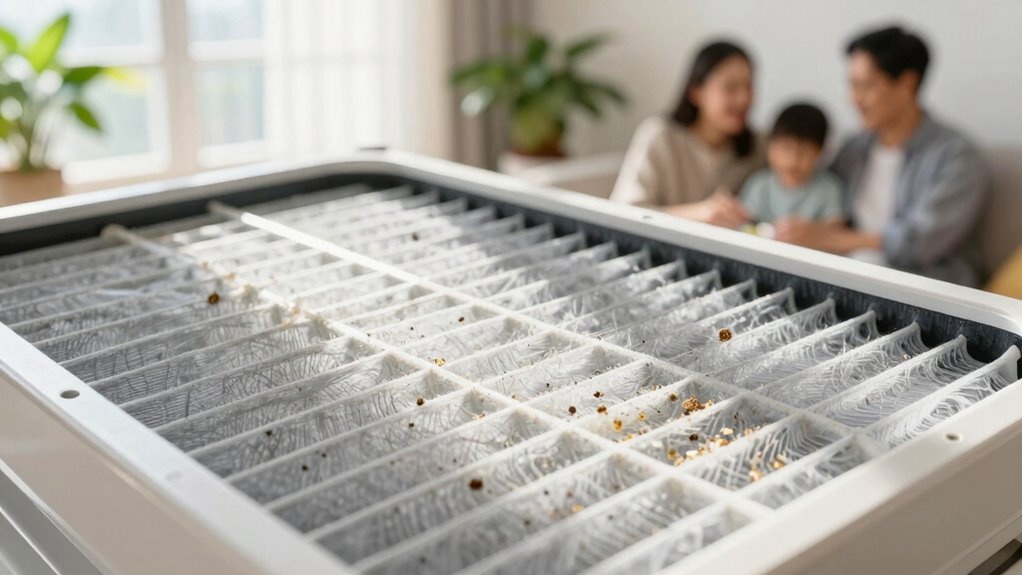
AC filters play a crucial role in enhancing indoor air quality by trapping airborne pollutants before they circulate throughout your space. To keep your air clean, it’s important to understand your filter’s lifespan and stick to a proper filter replacement schedule. Over time, filters become clogged with dust, pollen, pet dander, and other particles, reducing their effectiveness. Regularly replacing your filter ensures it continues to trap contaminants efficiently, preventing them from recirculating in your home. Neglecting to replace filters can lead to decreased air quality and strain on your HVAC system. Check your manufacturer’s recommendations for how often to change your filter, typically every 1 to 3 months, depending on usage and environment. Staying on top of this schedule maximizes your filter’s ability to improve indoor air quality. Additionally, choosing free floating filtration systems can help maintain a more natural balance of microorganisms and support biodiversity within your indoor environment. Incorporating proper maintenance of your AC filters also prevents the buildup of bacteria and mold, further safeguarding your indoor air. Regularly inspecting your filters and maintaining filter integrity can help identify issues early and ensure optimal performance and health benefits.
What Types of Pollutants Do HVAC Filters Remove?
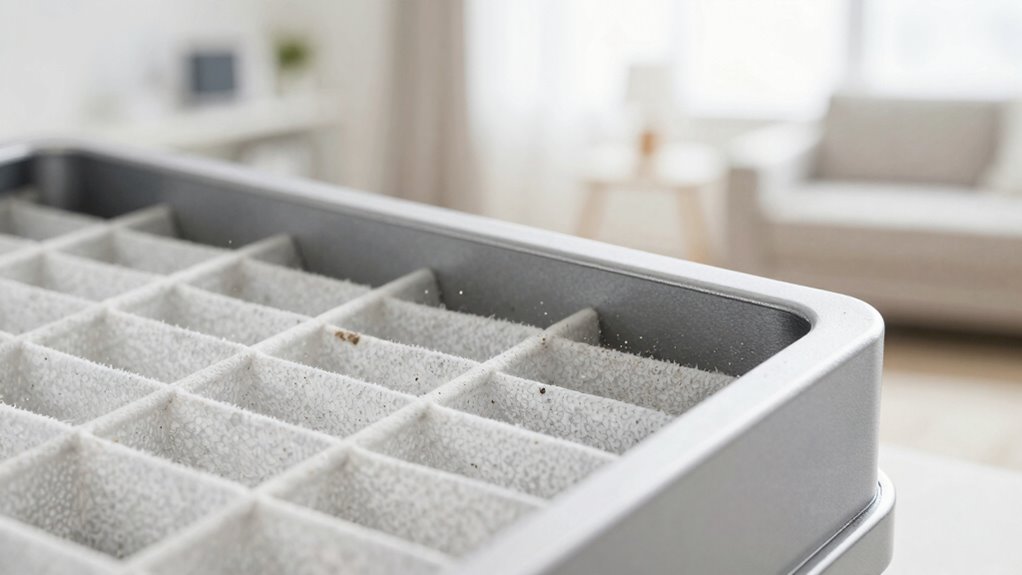
HVAC filters are designed to capture a variety of airborne pollutants that can affect your indoor air quality. They effectively trap airborne allergens like pollen, pet dander, and mold spores, reducing allergy symptoms. They also filter out chemical vapors from cleaning products, paints, and other household chemicals, preventing fumes from circulating indoors. The effectiveness depends on the filter’s MERV rating and material. Here’s a quick overview:
| Pollutant Type | Common Sources | Filter Capabilities |
|---|---|---|
| Airborne Allergens | Pollen, pet dander, mold spores | Captured by high-MERV filters |
| Chemical Vapors | Cleaning agents, paints | Removed by activated carbon filters |
| Dust & Debris | Dust mites, lint, dirt | Trapped by standard filters |
| Smoke Particles | Tobacco smoke, cooking fumes | Filtered out with higher MERV ratings |
| Bacteria & Viruses | Airborne pathogens | Limited removal, depends on filter |
Understanding filter efficiency is crucial for selecting the right type of HVAC filter to improve indoor air quality effectively. Incorporating advanced filtration technologies can further enhance pollutant removal capabilities. Additionally, considering air purifier compatibility can significantly boost indoor air purification efforts. Being aware of filter maintenance practices can ensure sustained performance and optimal air quality. Regular replacement of filters is essential to maintain their effectiveness over time.
Are Standard Air Filters Enough for Allergies and Asthma?
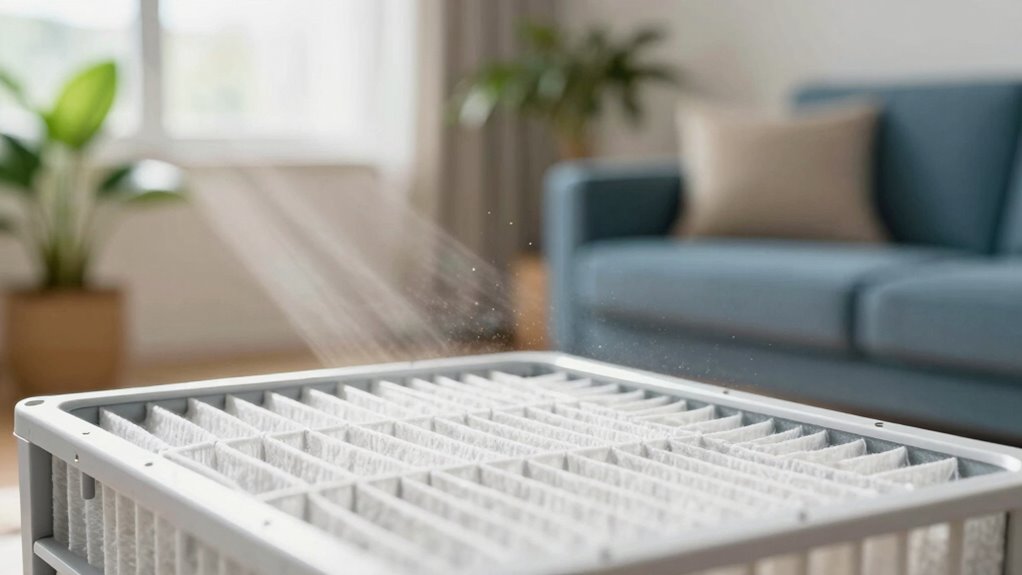
While standard air filters can reduce common airborne particles, they often fall short of providing sufficient relief for allergy and asthma sufferers. These filters typically have lower air filter efficiency, meaning they may not trap the tiny allergens that trigger symptoms. As a result, you might notice persistent allergy symptoms despite regular filter changes. If your goal is allergy relief, relying solely on standard filters isn’t enough. They may improve overall air quality slightly but don’t target the specific allergens like pollen, pet dander, or mold spores effectively. Upgrading to higher MERV-rated filters or HEPA filters can considerably improve air filter efficiency and help you breathe easier. Improved filtration efficiency can make a significant difference in managing allergy and asthma symptoms effectively. In this case, investing in better filtration is essential for managing allergy and asthma symptoms effectively. Forsale 100 Additionally, ensuring proper air filtration systems and regular maintenance can further enhance indoor air quality for allergy sufferers. Regularly monitoring your indoor air quality with air quality sensors can also help identify ongoing issues that need addressing.
How Can You Improve Your HVAC System for Better Air Filtration?
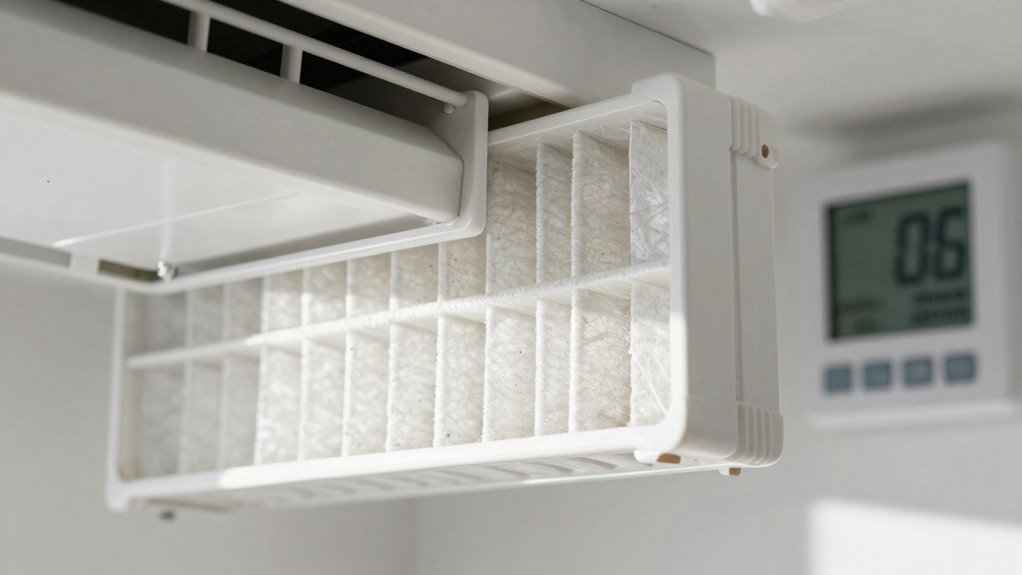
To get better air filtration, start by upgrading your air filters regularly to guarantee they catch more particles. Choosing high-quality filtration units and maintaining your HVAC system properly will also make a big difference. Regular maintenance of your system not only improves efficiency but also extends the lifespan of the filters. These simple steps help improve indoor air quality and keep your system running efficiently. Additionally, selecting filters with appropriate MERV ratings ensures optimal filtration efficiency for your specific needs. When leasing or purchasing a new HVAC system, consider options that include advanced filtration features to further enhance indoor air quality. Understanding the 16PF personality traits can also help tailor maintenance routines and communication about system care in professional settings. Incorporating proper system setup can optimize airflow and filtration performance, further improving indoor air quality.
Upgrade Air Filters Regularly
Regularly upgrading your air filters is one of the simplest and most effective ways to improve your indoor air quality. Fresh filters maintain peak airflow and filtration efficiency, reducing pollutants and allergens. Keep in mind the air filter lifespan—most need replacement every 1 to 3 months, depending on usage and filter type. Consider filter cost considerations, as higher-quality filters may cost more upfront but last longer and perform better. Incorporating connected home fitness technology can also help monitor indoor air quality and optimize your environment for better health. Additionally, selecting filters based on air quality needs ensures you address specific pollutants effectively. Recognizing regulatory standards can guide you in choosing compliant and effective air filtration solutions. Being aware of filter MERV ratings can help you select filters that effectively target the pollutants prevalent in your environment. Regularly checking for filter performance can ensure your system continues to function optimally and maintains high indoor air quality.
Use High-Quality Filtration Units
Upgrading to high-quality filtration units can considerably enhance your HVAC system’s ability to clean indoor air. Many air filtration myths suggest that all filters perform equally, but higher-grade filters like HEPA or MERV 13+ units trap more pollutants and allergens. To maximize their effectiveness, follow proper filter installation tips—ensure the filter fits snugly, with no gaps around the edges, and install it in the correct airflow direction. Using subpar filters can undermine your system’s efficiency and air quality. Investing in high-quality units isn’t just about better filtration; it’s about trusting that your system is working at its best. This way, you reduce airborne contaminants and improve overall indoor air quality. Be aware of Lifevest Advisors recommendations to thoroughly research and verify filtration products before purchase to ensure safety and effectiveness. Additionally, understanding the benefits of proper filtration can help you make more informed decisions for healthier indoor environments.
Maintain HVAC System Properly
Maintaining your HVAC system is key to ensuring your air filtration efforts pay off. Regular filter maintenance is essential; replace or clean filters as recommended to prevent dust buildup and maintain airflow. A clogged or dirty filter reduces filtration efficiency and strains your system. Additionally, system calibration ensures your HVAC runs at its best, balancing airflow and temperature control. Proper calibration helps your system operate at peak performance, which improves air quality and energy efficiency. Schedule routine inspections to check for issues like leaks, worn parts, or sensor misalignments that could hinder filtration. By staying on top of filter maintenance and system calibration, you ensure your HVAC functions effectively, capturing more airborne pollutants and enhancing your indoor air quality.
Why Are Some AC Filters More Effective Than Others?
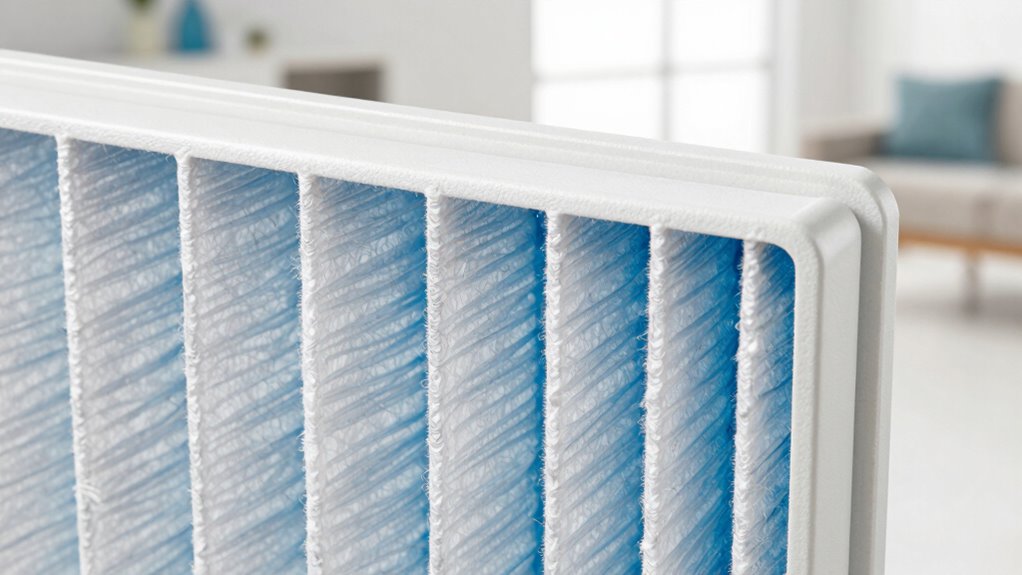
The effectiveness of your AC filter depends on factors like the quality of the filter material, the MERV rating, and how well it fits your system. Higher-quality materials and ratings can trap more particles, but only if the filter fits properly. When these elements align, your filter performs at its best to improve indoor air quality. Additionally, choosing the right filter involves considering luggage & bags that are easy to handle and ensure proper installation, which can help maintain filter integrity over time. Proper filter maintenance is essential to sustain optimal air quality and system efficiency.
Filter Material Quality
Not all AC filters are created equal when it comes to their material quality, which directly impacts their ability to capture particles and improve indoor air. The key lies in the air filter composition, which determines how well it filters dust, allergens, and pollutants. Higher-quality filter materials typically have finer fibers and better construction, making them more effective.
Here are three factors to think about:
- Material density: Denser fibers trap smaller particles but shouldn’t restrict airflow excessively.
- Filtration media: Some filters use synthetic fibers or electrostatically charged materials to enhance particle capture.
- Durability: Better materials resist wear and maintain filtration efficiency over time.
Choosing a filter with high-quality material guarantees top-notch performance and cleaner indoor air.
MERV Rating Differences
MERV ratings, or Minimum Efficiency Reporting Values, provide a standardized way to compare the filtration effectiveness of different AC filters. Higher MERV ratings indicate better filter efficiency, meaning they can trap smaller particles. For example:
| MERV Rating | Particle Size (microns) | Effectiveness |
|---|---|---|
| 1–4 | >10 | Basic dust, pollen |
| 5–8 | 3–10 | Mold spores, pet dander |
| 9–12 | 1–3 | Bacteria, fine dust |
| 13–16 | 0.3–1 | Viruses, smoke, bacteria |
Choosing a filter with a higher MERV rating improves air quality but may restrict airflow if your system isn’t designed for it. Understanding these differences helps you select the best filter for your needs.
Proper Filter Fit
A proper filter fit is essential because even the most efficient filter can’t improve your indoor air quality if it doesn’t seal tightly within your system. Incorrect filter sizing can create gaps that let unfiltered air bypass the filter, reducing its effectiveness. To ensure a snug fit, follow these installation tips:
- Measure your filter slot accurately before buying—don’t rely on guesswork.
- Check the filter’s dimensions against your system’s specifications.
- Install the filter so that the airflow arrows point in the correct direction, sealing all edges tightly.
A well-fitted filter prevents air leaks and maximizes filtration efficiency, helping you breathe cleaner air. Remember, proper filter sizing and careful installation are key to getting the most out of your AC filter.
How Often Should You Change Your Air Filter?
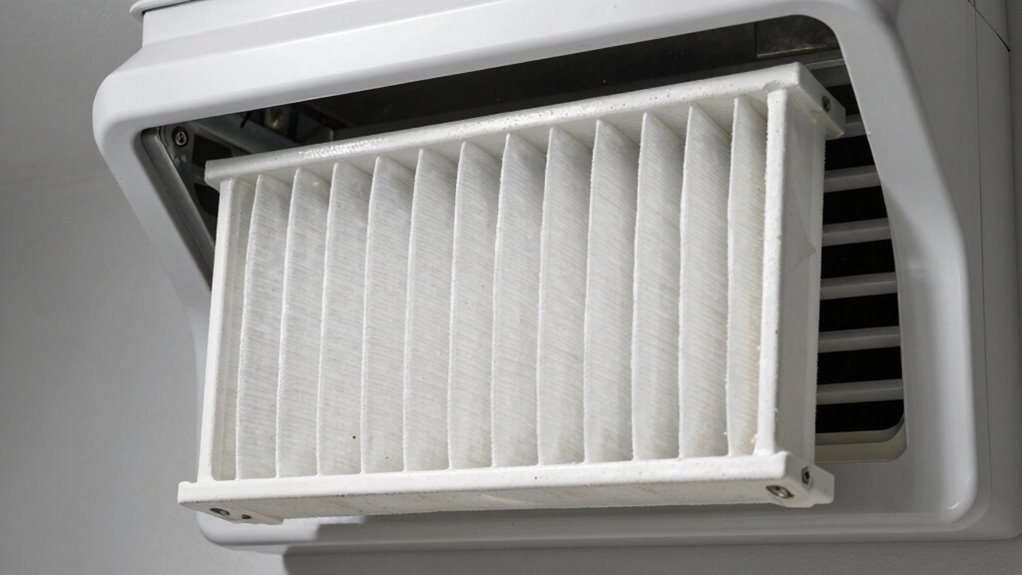
The frequency with which you should change your air filter depends on several factors, including how often your HVAC system runs and the air quality in your home. Typically, the air filter lifespan ranges from one to three months, but this can vary based on usage and environment. To maintain good indoor air quality, it’s vital to follow a proper filter replacement schedule. Regularly inspecting your filter helps determine if it’s dirty or clogged, which can hinder airflow and reduce efficiency. If you have pets, allergies, or live in a polluted area, you might need to change the filter more often. Keeping to a consistent schedule ensures your system runs smoothly and that your indoor air remains cleaner and healthier.
What Are the Limits of AC Filters in Purifying Indoor Air?
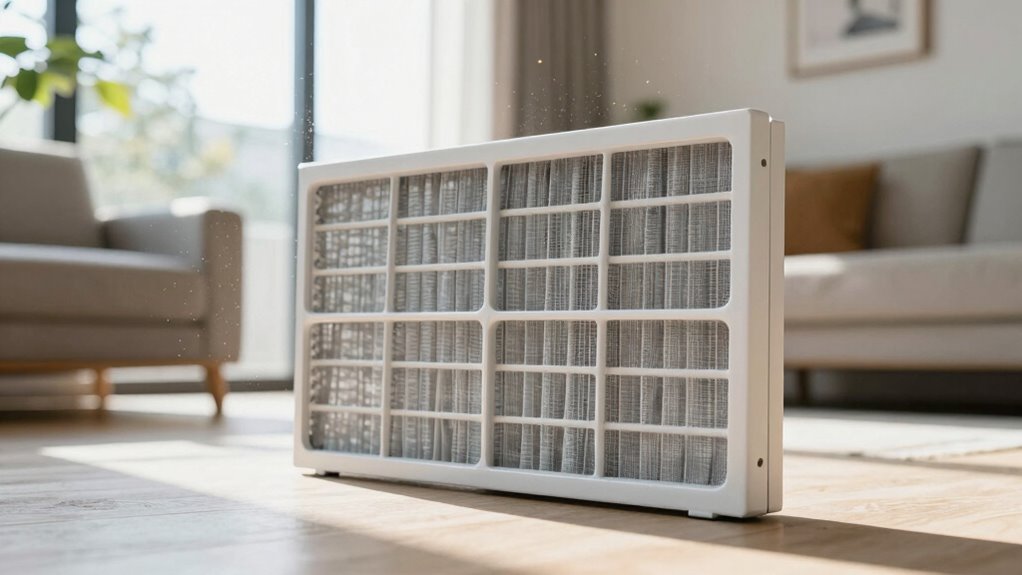
While regularly changing your air filter helps maintain airflow and system efficiency, it’s important to understand its actual capabilities in improving indoor air quality. AC filters can trap many particles, but they have limits. First, their effectiveness depends on the filter lifespan; over time, filters become clogged and less efficient. Second, filters vary in their ability to catch smaller particles; many are designed to trap larger dust and pollen but struggle with fine pollutants like smoke or viruses. Third, even high-quality filters can’t eliminate all airborne contaminants—some particles are too small or pass through the filter material. Understanding these limits helps set realistic expectations for your indoor air quality and highlights the importance of complementary purification methods.
Is It Time to Add Extra Air Purification Methods?
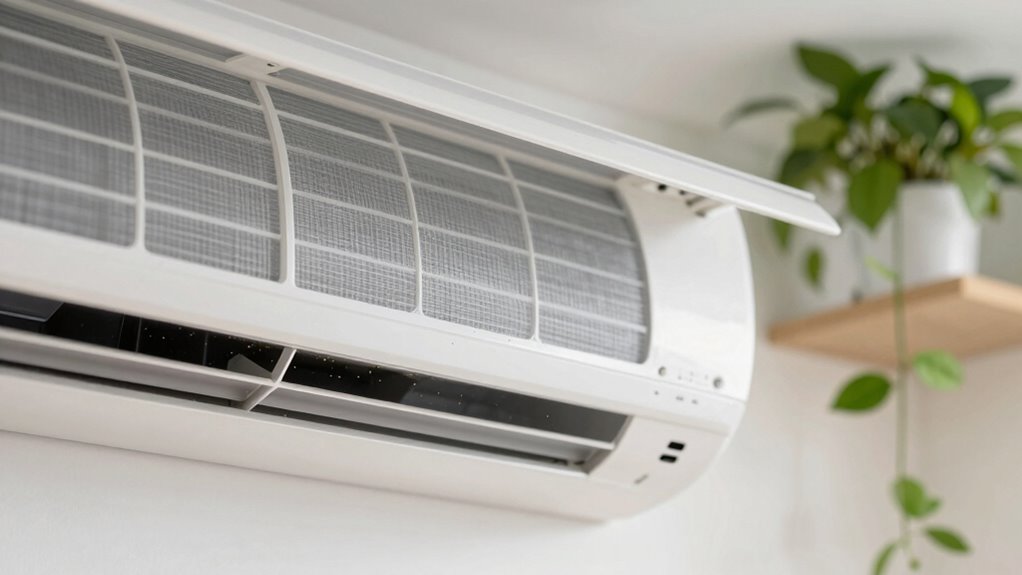
Determining whether it’s time to add extra air purification methods depends on your indoor air quality and health concerns. If your current AC filters aren’t effectively reducing allergens or pollutants, exploring air purifier comparisons can help you find suitable options. You might consider additional devices like HEPA air purifiers or UV sterilizers to target specific issues. For allergy sufferers, allergen removal techniques such as high-efficiency filters or specialized purifiers can make a significant difference. If you notice persistent symptoms or odors despite your existing filtration, it’s a clear sign to upgrade or supplement your system. Adding these extra methods can improve air quality, but ensure they work alongside your AC filters for maximum results.
What Common Mistakes Should You Avoid With Indoor Air Filters?
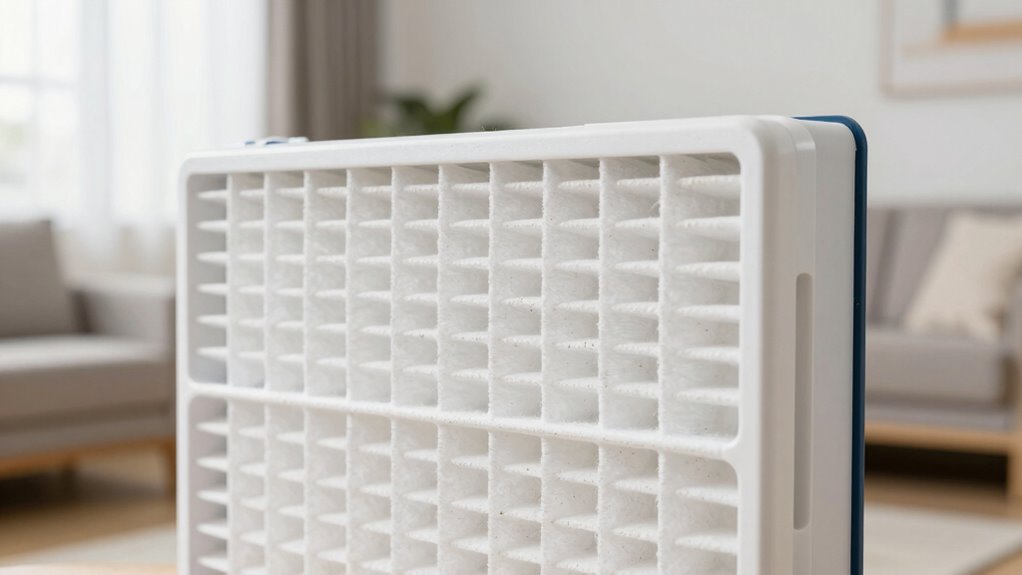
To guarantee your indoor air filters work effectively, you need to avoid common mistakes that can compromise their performance. Many fall for air filter myths or indoor air misconceptions, leading to ineffective filtering. First, don’t assume that a higher MERV rating always equals better filtration; select the right filter for your needs. Second, avoid neglecting regular replacements; clogged filters reduce efficiency and may worsen indoor air quality. Third, don’t dismiss proper installation—incorrectly fitted filters allow unfiltered air to bypass. By steering clear of these mistakes, you assure your filters perform at their best, improving indoor air quality and reducing allergens. Staying informed about indoor air misconceptions helps you make smarter decisions and get the most out of your air filtration system.
Frequently Asked Questions
Do HEPA Filters Improve Overall Indoor Air Quality Better Than Standard Filters?
Yes, HEPA filters improve overall indoor air quality better than standard filters. They excel at capturing tiny particles like allergens, dust, and bacteria, providing superior air purification. You’ll notice cleaner air and potentially fewer allergy symptoms. Standard filters may trap larger particles but often miss smaller pollutants. Upgrading to HEPA filters guarantees you’re actively reducing harmful airborne contaminants, making your home healthier and more comfortable to breathe.
Can AC Filters Remove Airborne Viruses and Bacteria Effectively?
Did you know that some high-efficiency filters can capture over 99% of airborne pathogens? While AC filters can reduce viruses and bacteria, their effectiveness depends on the filter type. HEPA filters, for example, are better at trapping airborne pathogens than standard filters. However, not all AC filters are designed for this, so check their filter effectiveness to confirm they can help reduce your exposure to airborne viruses and bacteria.
Are Higher MERV Ratings Always Better for Air Filtration?
Higher MERV ratings aren’t always better for air filtration because they can restrict airflow and require more frequent filter maintenance. While higher ratings improve particle removal, they may not meet your air quality standards if your system isn’t designed for them. Balance filtration efficiency with your system’s capabilities, and regularly maintain filters to guarantee ideal air quality. Always choose a MERV rating suitable for your HVAC system and indoor air needs.
How Do Filters Impact HVAC System Energy Efficiency?
Did you know that poorly maintained filters can increase your HVAC energy bills by up to 15%? Filters directly impact your system’s efficiency by restricting airflow if clogged or dirty. Regular filter maintenance ensures peak airflow, reducing strain on your system. This leads to better energy savings and prolongs equipment life. So, replacing filters on time isn’t just about air quality—it’s a smart way to save money and keep your HVAC running smoothly.
What Are the Signs That My Air Filter Needs Replacement Sooner?
You’ll want to replace your filter sooner if you notice a strong odor or reduced airflow, indicating it’s clogged or past its filter lifespan. Increased dust around vents and allergy symptoms can also signal it’s time for a change. Don’t wait until it’s visibly dirty; proactive replacement keeps your system running efficiently and maintains good indoor air quality. Regular checks help prevent odor detection issues and guarantee peak performance.
Conclusion
Remember, while AC filters play a crucial role in improving indoor air quality, they’re not a cure-all. To truly breathe easier, don’t put all your eggs in one basket—consider additional purification methods and stay on top of filter maintenance. Recognizing their limits helps you avoid false security and makes your efforts more effective. In the end, being proactive and informed ensures you’re not chasing shadows but genuinely enhancing your home’s air quality.