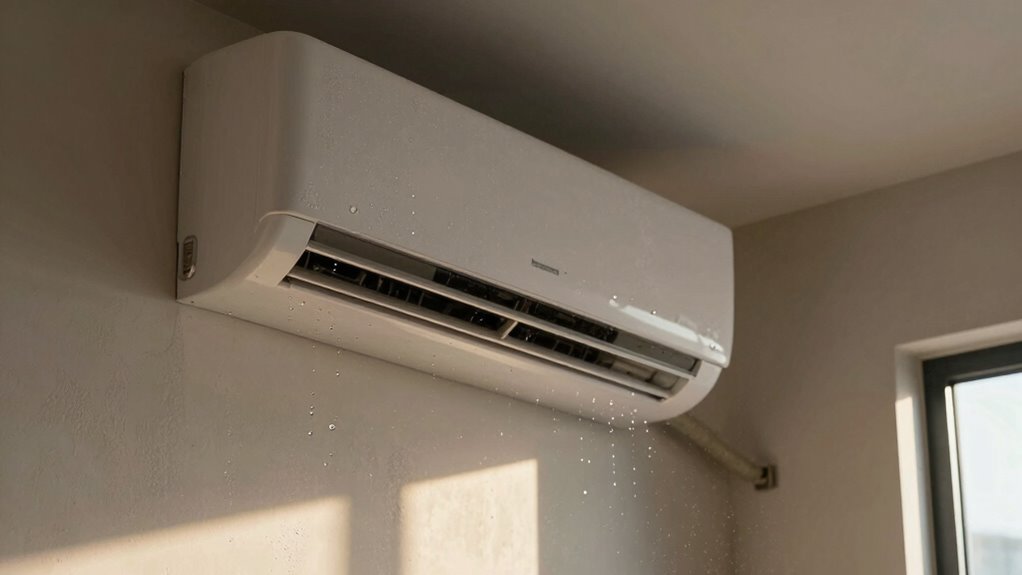

Even if your AC cools the air, high humidity can make your space feel clammy and uncomfortable because moisture levels affect how we perceive temperature. When humidity is high, sweat doesn’t evaporate from your skin, making you feel hotter and sticky. To stay truly cool, you need to manage both temperature and moisture. Keep exploring to learn simple ways to improve indoor comfort and prevent that damp, sweaty feeling.
Key Takeaways
- High humidity prevents sweat evaporation, making skin feel clammy despite low air temperature.
- Standard air conditioning may cool the air but often doesn’t remove enough moisture, causing discomfort.
- Elevated dew point and relative humidity levels increase indoor dampness, leading to a clammy environment.
- Poor ventilation and inadequate dehumidification hinder moisture removal, making spaces feel hotter and sticky.
- Balancing temperature with humidity control through dehumidifiers or proper ventilation improves comfort.
As an affiliate, we earn on qualifying purchases.
Why Does My AC Not Keep Me Cool?

If your air conditioner isn’t keeping you cool, high humidity levels might be be the culprit. First, check your air filter; a dirty filter restricts airflow, making it harder for your AC to cool effectively. Replacing or cleaning it can improve performance immediately. Next, ensure your thermostat is calibrated correctly. An improperly set thermostat may cause your AC to run inefficiently or shut off prematurely, leaving you warm. Sometimes, the thermostat sensors need recalibration to match the actual room temperature. Also, confirm your AC’s settings are appropriate for the current weather. Addressing these issues can help your system operate at peak efficiency, keeping you comfortable even when humidity is high. Proper maintenance and correct thermostat calibration are key to cooling success. Additionally, understanding the importance of cooling system components can help you identify underlying issues that affect your AC’s performance. Regularly inspecting airflow and refrigerant levels can also prevent performance problems and extend your system’s lifespan. Ensuring proper dehumidification can make a significant difference in comfort during humid days. Recognizing the role of humidity control techniques can further enhance your comfort and AC efficiency. Incorporating smart tech solutions like connected dehumidifiers or smart thermostats can optimize humidity and temperature levels automatically.
smart thermostat with humidity control
As an affiliate, we earn on qualifying purchases.
As an affiliate, we earn on qualifying purchases.
How Humidity Changes the Way You Perceive Temperature
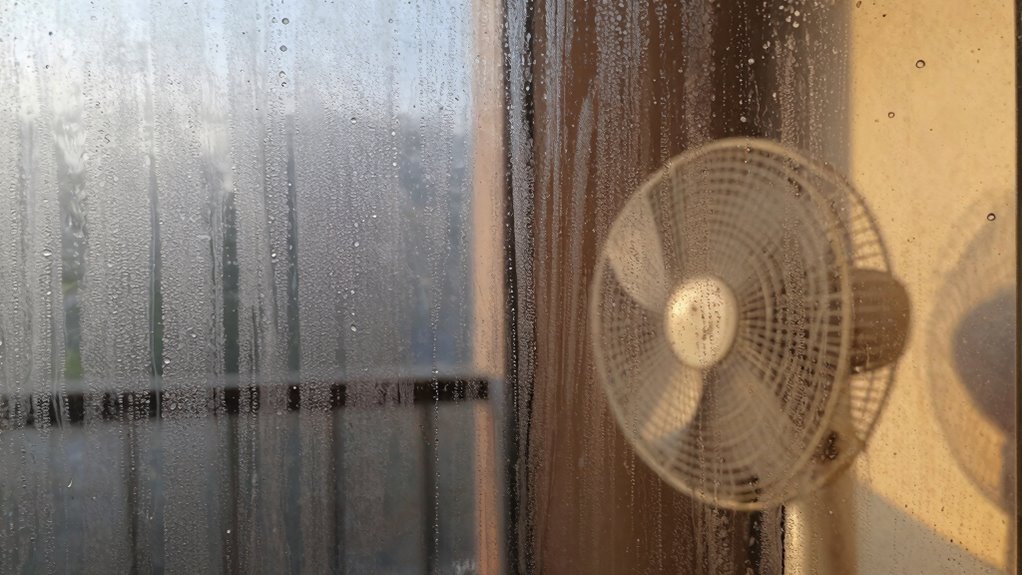
Humidity considerably influences how you perceive temperature because it affects how your body cools itself through sweating. When humidity is high, sweat doesn’t evaporate easily, making you feel hotter and more uncomfortable. Dew Point and Relative Humidity are key factors here. Dew Point indicates actual moisture in the air, while Relative Humidity shows how saturated the air is. Higher values mean more moisture, intensifying the “clammy” feeling. Understanding these humidity measures can help you better anticipate comfort levels in different weather conditions. Additionally, thermal comfort indices incorporate both temperature and humidity to provide a more comprehensive assessment of how hot or cold it feels. Recognizing the impact of humidity on perceived temperature can also guide better use of air conditioning systems to maintain comfort without overcooling. Being aware of humidity’s role can help you make more informed decisions about indoor climate control and clothing choices, especially when your AC sometimes still feels clammy despite being on.
As an affiliate, we earn on qualifying purchases.
Why Your Air Conditioner Might Not Reduce Humidity Effectively
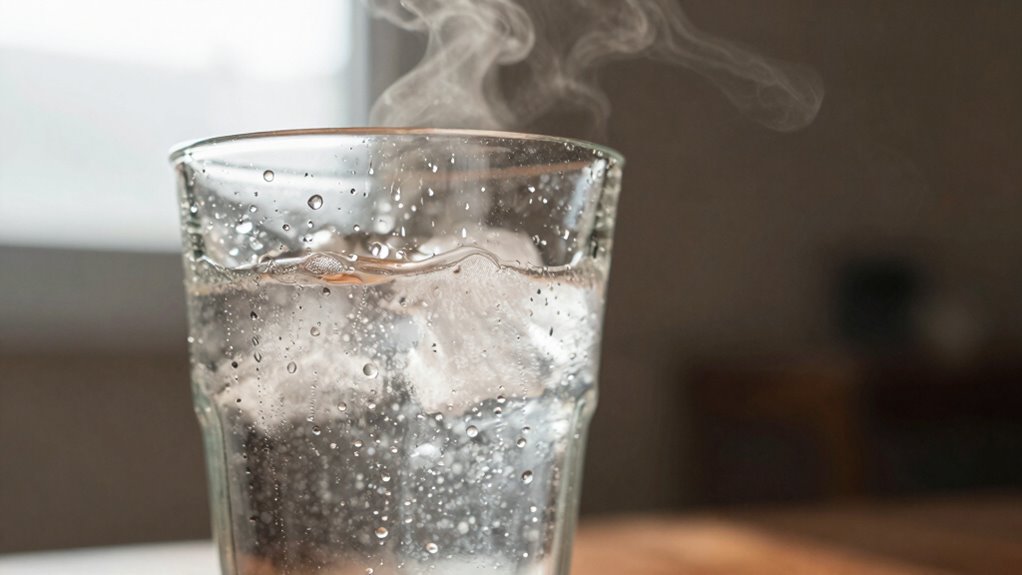
If your air conditioner isn’t lowering humidity, it might be because it lacks enough dehumidification capacity for your space. Poor ventilation or airflow can also prevent it from removing moisture effectively. Addressing these issues can help your AC work better at controlling humidity levels. Additionally, selecting an AC unit with the appropriate dehumidification capacity can make a significant difference in maintaining a comfortable environment. Properly matching your AC’s capacity to your room size and humidity needs ensures optimal performance. Understanding the importance of airflow and ensuring your space is well-ventilated can greatly enhance your dehumidification efforts. Recognizing the role of environmental factors can also help you optimize your cooling and humidity control strategies.
Inadequate Dehumidification Capacity
When your air conditioner struggles to lower indoor humidity levels effectively, inadequate dehumidification capacity is often the culprit. Many units simply aren’t designed to handle high moisture loads, leading to dehumidification limitations. If your AC isn’t removing enough moisture, the air will still feel clammy, even if the temperature drops. This happens because the system prioritizes cooling rather than moisture control, especially in humid environments. An undersized or outdated unit may lack the capacity to dehumidify effectively, leaving humidity levels high. To fix this, you might need a dedicated dehumidifier or upgrade to a unit with better moisture control capabilities. Ensuring your AC can match the humidity levels in your space is key to feeling comfortable and avoiding that damp, sticky sensation. Additionally, understanding Free Floating can help you recognize how excess moisture can undermine your cooling efforts. Proper humidity management is essential for maintaining a comfortable indoor environment and preventing the indoor air from feeling clammy. Being aware of air circulation and its role in moisture removal can also improve overall comfort levels and reduce humidity buildup. Recognizing thermal comfort factors can further assist in achieving a balanced indoor climate.
Improper Ventilation or Airflow
Even with a capable air conditioner, poor ventilation or restricted airflow can prevent effective humidity reduction. Airflow issues and ventilation problems hinder your AC’s ability to circulate air properly, trapping moist air inside. When airflow is restricted, the AC can’t efficiently remove humidity because it’s not exchanging indoor air with drier outdoor air or circulating the conditioned air evenly. Proper ventilation techniques can also enhance your overall indoor air quality and comfort. Poor ventilation may also cause stale, humid air to linger, making it feel clammy despite the cooling. To fix this, ensure vents are open and unobstructed, fans are working properly, and air filters are clean. Improving airflow and ventilation helps your AC operate more effectively, reducing humidity levels and preventing that uncomfortable, sticky feeling. Ensuring continuous air circulation can also prevent the buildup of stale, humid air, further improving comfort and supporting HVAC optimization. Additionally, incorporating smart ventilation systems can automatically adjust airflow based on indoor humidity levels, further enhancing your indoor climate control.
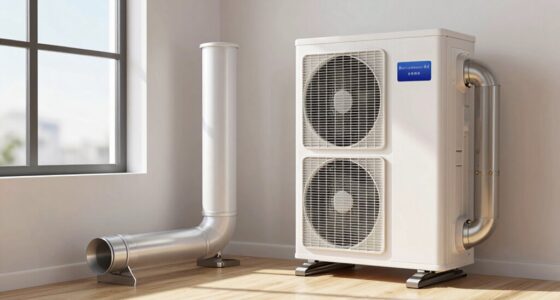
air conditioner with dehumidification
As an affiliate, we earn on qualifying purchases.
As an affiliate, we earn on qualifying purchases.
How to Tell If Humidity Is Making Your Space Uncomfortable

Humidity levels that are too high or too low can quickly make your space uncomfortable without you realizing it. To tell if humidity is an issue, start by checking hygrometer accuracy—an unreliable reading can mislead you. If the humidity feels damp or sticky, and you notice condensation on windows or walls, it’s a clear sign of excess moisture. Conversely, if the air feels dry and your skin is itchy, humidity might be too low. High humidity also promotes mold prevention concerns, so watch for musty odors or visible mold spots. Using a reliable hygrometer helps you monitor moisture levels precisely. Proper ventilation and humidity control techniques can help maintain optimal levels. Maintaining proper humidity not only boosts comfort but also prevent mold growth**, keeping your space healthier and more enjoyable. Understanding yarn weight and stitch type** can help you choose the right materials for projects that influence indoor air quality, such as knitted or woven items that can impact humidity levels.
Best Ways to Reduce Indoor Humidity
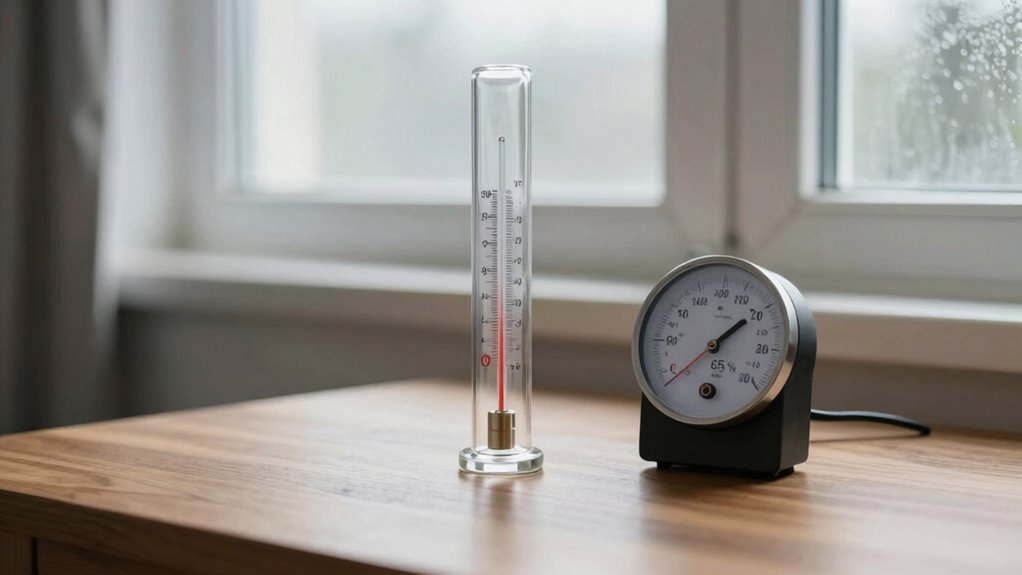
To effectively reduce indoor humidity, start by improving ventilation in areas prone to moisture buildup, such as kitchens and bathrooms. Proper airflow prevents excess moisture from lingering and creating a clammy environment. Additionally, ensure your humidity sensors are accurately calibrated for reliable readings, guiding your dehumidification efforts. You can also manage indoor plant care, as overwatering can increase humidity levels; opt for plants that tolerate drier air. Using exhaust fans or opening windows during high-humidity periods helps remove moist air. Consider investing in a hygrometer to monitor humidity regularly. To further enhance control, incorporate moisture-absorbing materials like silica gel or charcoal. Regular maintenance and calibrations guarantee your humidity levels stay balanced, making your space more comfortable and reducing clamminess.
How Dehumidifiers Make Your Home More Comfortable
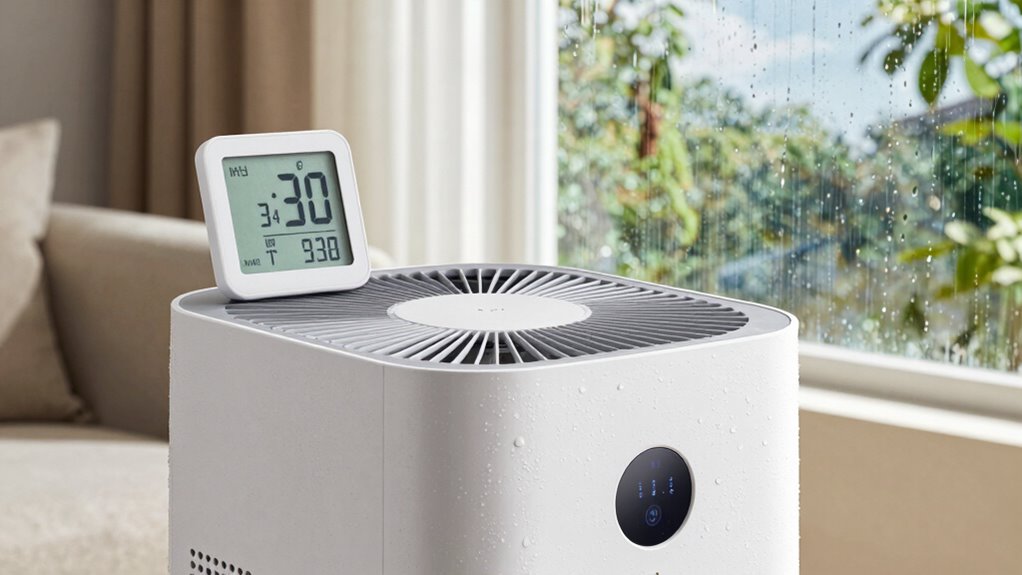
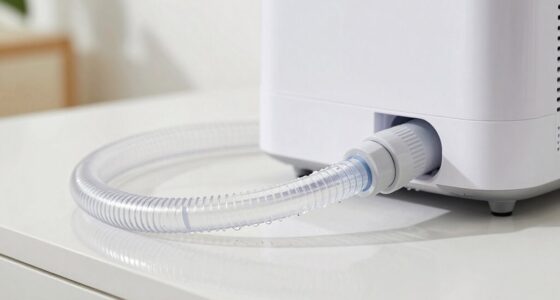
Dehumidifiers help remove excess moisture from the air, making your home feel cooler and fresher. When humidity is controlled, you’ll notice less stuffiness and mold growth. This creates a more comfortable environment where you can relax without feeling damp or sticky.
Reduces Excess Moisture
When excess moisture builds up in your home, it can create a damp environment that feels uncomfortable and promotes mold growth. Dehumidifiers help by actively reducing humidity levels, making the space more comfortable. They pull moisture from the air, which benefits your indoor plants and prevents overwatering issues. Lower humidity levels also discourage dust mites and mold spores, improving overall air quality. Additionally, reducing excess moisture can:
- Prevent musty odors from developing
- Protect furniture and electronics from damage
- Keep walls and ceilings dry and mold-free
- Enhance the effectiveness of air conditioning
- Improve comfort during humid seasons
Enhances Air Comfort
Reducing excess moisture not only protects your home but also considerably boosts overall comfort. When you use a dehumidifier, you improve air filtration, removing musty odors and allergens that can cause discomfort. This creates a fresher, more breathable environment. Plus, maintaining ideal humidity levels helps your indoor plants thrive, which adds to the natural feel of your space. When the air isn’t overly humid, you’ll notice a decrease in stickiness and clamminess, making your home feel cooler and more pleasant. Better humidity control also minimizes mold growth and dust mites, reducing respiratory issues and enhancing your well-being. Overall, a dehumidifier makes your home more comfortable by creating a balanced environment where air feels cleaner, fresher, and more inviting.
Adjusting Your AC Settings to Better Control Humidity
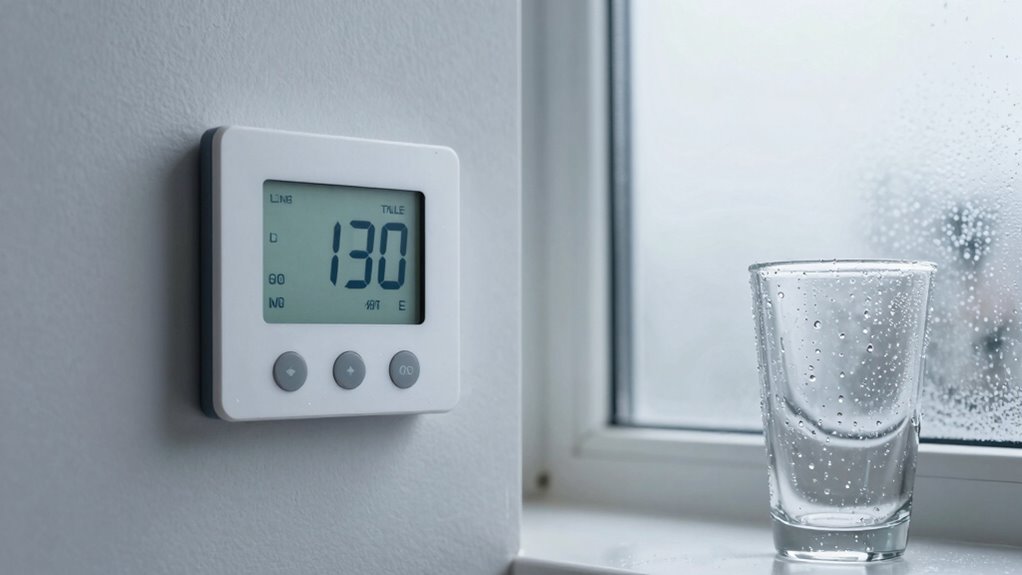
Adjusting your air conditioning settings can make a significant difference in controlling indoor humidity levels. Start by setting your AC to a moderate temperature, around 75°F, to prevent overcooling while reducing moisture. Use humidity sensors to monitor real-time humidity, guaranteeing your environment stays comfortable. Proper dehumidifier placement is key—position units in central areas or damp spots for ideal moisture removal. Consider activating the dehumidifier alongside your AC for enhanced control. Regularly clean and maintain filters to ensure efficient operation. Additionally, avoid frequent door openings, which can introduce humid air. Adjusting fan speeds and using the ‘dry’ mode, if available, can help lower humidity further. Keep these strategies in mind to maintain a comfortably dry indoor environment.
Tips for Keeping Your Environment Truly Cool and Dry
Properly managing your AC settings and dehumidifiers sets the foundation for a cool, dry environment, but maintaining that comfort requires additional strategies. To enhance freshness, focus on indoor plant care—choose plants that thrive in low humidity and avoid overwatering. Regular air quality monitoring helps detect excess moisture or pollutants that can make your space feel clammy. Keep windows and doors sealed during hot, humid days to prevent moisture intrusion. Use fans to improve air circulation, and consider installing a dehumidifier with a hygrometer for precise control.
| Tip | Action | Benefit |
|---|---|---|
| Indoor plant care | Select drought-tolerant plants | Reduce indoor moisture |
| Air quality monitoring | Use sensors regularly | Detect humidity and pollutants |
| Seal windows/doors | Keep them closed during humid days | Prevent external moisture |
| Fans and vents | Enhance airflow | Evaporate indoor humidity |
Frequently Asked Questions
How Does Humidity Affect Indoor Air Quality?
Humidity directly impacts your indoor air quality by making spaces feel damp or stuffy. When humidity levels are high, it can reduce dehumidifier efficiency and cause musty odors or mold growth. Using humidity control methods like dehumidifiers and proper ventilation helps maintain *ideal* levels, improving air quality. By managing humidity effectively, you create a more comfortable environment and prevent issues caused by excess moisture, ensuring healthier indoor air for you.
Can Certain Activities Increase Indoor Humidity Levels?
Sure, your indoor activities can boost humidity levels—think cooking, showering, or even overwatering your beloved plants, which love to release moisture. Regular dehumidifier maintenance keeps things in check, preventing excess dampness. Plus, indoor plants, while charming, add to the humidity party. So, if you notice a clammy feeling, it’s time to trim those plants, run your dehumidifier, and keep humidity from turning your home into a tropical rainforest.
What Is the Ideal Humidity Level for Comfort?
The ideal humidity level for comfort is between 30% and 50%. Using a dehumidifier offers great benefits, like reducing clamminess and preventing mold. To keep humidity in check, follow humidity control tips such as using exhaust fans, fixing leaks, and avoiding excess moisture indoors. Maintaining this range helps you stay comfortable, prevents stuffiness, and keeps your home feeling fresh and dry.
How Do Outdoor Weather Conditions Influence Indoor Humidity?
Did you know outdoor weather impacts indoor humidity by up to 30%? When it’s humid outside, your home’s humidity rises, making evaporative cooling less effective. Wind chill can lower outdoor temps but doesn’t reduce humidity inside. So, if you notice a damp, clammy feeling indoors, it’s likely due to high outdoor humidity seeping in, especially during rainy or humid days. You might need a dehumidifier to counteract this effect.
Are There Health Risks Associated With High Indoor Humidity?
High indoor humidity can pose health risks by promoting airborne bacteria and mold growth. You might experience allergy symptoms, respiratory issues, or worsen asthma. Mold spores thrive in damp environments, increasing your risk of infections. Maintaining proper humidity levels helps reduce these risks, so use your AC and dehumidifiers effectively. Regular cleaning and proper ventilation also minimize mold growth and airborne bacteria, protecting your health and ensuring a safer indoor environment.
Conclusion
To stay truly comfortable, you need to manage both temperature and humidity. Keep your space cool, keep it dry. Adjust your settings, use dehumidifiers, and monitor humidity levels. Don’t just chase the thermometer—balance the moisture. Because when you control humidity, you enhance comfort, improve air quality, and create a space that feels cooler, fresher, and more inviting. Remember, comfort isn’t just about the temperature; it’s about the right environment.