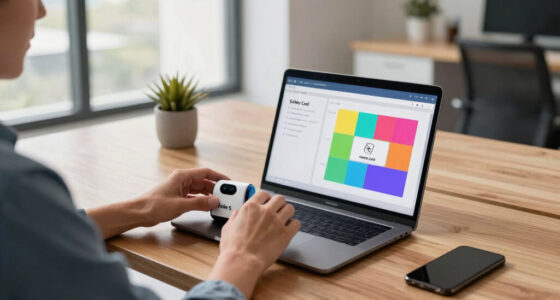
🔍 Read the full analysis: Choosing AI Automation Software For Your Small Business Workflow on ThorstenMeyerAI.com
TL;DR
A guide from ThorstenMeyerAI.com recommends that small businesses begin with one frequent, low-risk task and test an AI automation before adopting it. The proposed process includes a 2–4-hour setup, human review, at least 10 test examples and a two-week evaluation; the source does not report results from a completed business trial.
ThorstenMeyerAI.com has published a beginner’s guide for small-business owners and staff to test one AI automation on a repeatable task, rather than automating a whole department at once. It recommends allowing 2–4 hours for setup and assessing the pilot over two weeks, with a person reviewing outputs and results measured against a baseline.
The guide advises choosing a frequent, low-risk task with a clear trigger and result, such as sorting inquiries, drafting replies or summarizing customer feedback. Before setting up software, businesses should document who handles the task, how often it occurs and the approximate time required per case. The source does not name a preferred automation product or provide comparative product testing.
Businesses are told to compare two or three tools that connect to the systems used in the workflow, following this small-business software assessment guide. The checklist includes verifying that the relevant trigger and action work on the intended plan, and reviewing access controls, data retention, export options, usage limits and cost. The guide also recommends checking company policies and a vendor’s data-handling terms before sharing customer or confidential information.
For the pilot, the workflow should specify its trigger, the information used, the AI task, where the result goes and who reviews it. The guide recommends directing outputs to a draft or review queue, not publishing them automatically. It calls for testing at least 10 representative examples—including incomplete, duplicate or unusual requests—and recording errors and corrections. Its supplied instructions end before setting out later steps or reporting any pilot results.
Keeping AI Pilots Within Reach
The guide frames automation as a limited, measurable experiment, not a promise that AI will save time or improve service. That distinction matters to small businesses, which may have limited staff to troubleshoot errors and may handle customer data through connected email, forms or CRM systems. A baseline and a quality measure can help owners distinguish a genuine improvement from a process that is merely faster but requires more corrections.
Its emphasis on human approval also addresses the risk of allowing generated text or actions to affect customers without review. The source advises against using an unreviewed pilot for payments, hiring, health, legal or safety-related work, and says a person should remain responsible for customer-facing messages. These are safeguards proposed by the guide, not findings from a reported implementation study.
Popular right now

Roborock Q7 M5+ Robot Vacuum and Mop

Vitamix Touch & Go Advance 32-Ounce Bar Blender, White

Bose QuietComfort Wireless Bluetooth Headphones – Active Over‑Ear Noise Cancelling with Mic, USB‑C Charging, Deep Bass, up to 24 h Playtime,
As an affiliate, we earn on qualifying purchases.
From Task Selection to Testing
The source presents a sequence for a beginner who has basic familiarity with the business process, access to the relevant accounts and the ability to review AI-generated text. It starts with one task that occurs several times a week and has outputs staff can check. The proposed first examples involve preparation or drafting, leaving approvals and final decisions with a person.
For evaluation, the guide says to choose one primary measure, record a normal-week baseline, set a minimum acceptable quality level and choose a review date. Possible measures include minutes saved per inquiry, report preparation time or the share of messages correctly categorized. It cautions that speed alone is not enough: errors and correction time should also be tracked.
„A faster process that creates errors or extra corrections is not a useful improvement.“
— ThorstenMeyerAI.com guide
Pilot Outcomes Still Unreported
The source provides instructions for setting up a pilot, but no results from businesses that followed them. It does not establish how much time an automation might save, which software performs best, or whether a two-week test is sufficient for every workflow. Those outcomes would depend on the task, data quality, integrations, staff review and the tool’s limits.
The guide also does not provide a full set of subsequent steps after its instruction to test at least 10 examples. Specific vendor terms, security practices and compliance obligations are not detailed, and the source does not say that any particular tool meets them. Businesses would need to check those matters against their own policies and the service they select.
Review the Two-Week Pilot
Under the guide’s proposed schedule, a business should track results through a two-week evaluation period, then compare them with its baseline and target. Owners and staff can review time saved, output accuracy, errors and the effort required to correct results before deciding whether to keep, revise or stop the workflow. The source does not specify a later launch date, publish a follow-up, or report a completed evaluation.
Key Questions
How much time does the guide allow for setup?
It estimates 2–4 hours to set up a pilot, followed by two weeks to assess it. These are planning estimates from the guide, not a reported average from completed trials.
What kind of task should a small business automate first?
The guide recommends one frequent, low-risk task with a clear trigger and checkable output, such as categorizing inquiries or drafting a response for review.
Should AI send customer messages automatically?
The guide recommends routing outputs to a draft or review queue and keeping a person responsible for customer-facing messages. It says not to allow actions such as sending replies or issuing refunds without approval during the pilot.
How should a business judge whether the pilot worked?
Record a normal-week baseline, set a target and review both quality and speed. The guide suggests measures such as time per inquiry or correct categorization, while also tracking errors and corrections.
Does the guide endorse a particular AI automation product?
No product comparison or named preferred tool is provided in the supplied material. It advises comparing two or three services for integration support, permissions, data handling, limits and cost.
Source: ThorstenMeyerAI.com