
📊 Full opportunity report: Acoustic Dampening, Placement, and the “Rig in the Closet” Setup on ThorstenMeyerAI.com — validation score, market gap, and execution plan.
TL;DR
Moving your high-power rig into a closet significantly reduces noise and reflections. Proper placement, sealing gaps, and strategic use of absorption materials create a controlled sound environment. Heat management is essential to prevent hardware overheating.
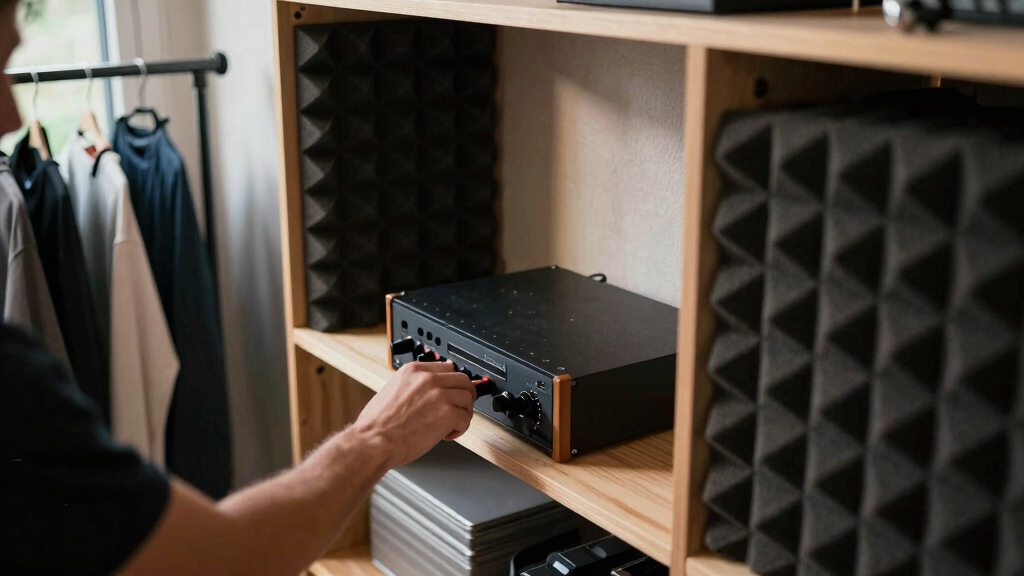
Moving a high-power computer rig into a closet is confirmed as the most effective way to reduce noise and reflections, according to recent expert advice. This approach is gaining popularity among content creators, gamers, and AI developers seeking quieter workspaces without sacrificing performance. Proper placement, sealing gaps, and using absorption materials are key to creating a controlled acoustic environment, making a closet setup a practical solution for noise reduction.
Experts emphasize that relocating a rig into a closet can drastically cut noise levels and internal reflections, often more effectively than foam treatments alone. The most critical factor is the placement of the equipment; positioning the rig far from direct earshot and away from reflective surfaces minimizes sound transmission. Sealing gaps around doors and walls enhances sound isolation, preventing leaks and echo. Additionally, using absorption materials such as foam panels, blankets, and rugs at reflection points—behind the mic, side walls, and ceiling—further improves sound quality.
However, heat buildup is a major concern. High-powered rigs generate significant heat, which can cause overheating if the space is sealed without ventilation. Experts recommend installing quiet exhaust fans or ducted airflow systems to maintain safe operating temperatures. Using DIY materials like blankets and foam strategically can help absorb reflections, but they must be combined with proper sealing and ventilation to be effective. This approach transforms a closet into a professional-quality workspace, balancing noise reduction and hardware safety.
Acoustic dampening
& the rig in the closet.
The most powerful noise fix isn’t a material — it’s a floor plan. A rig you can’t hear because it’s in another room beats any amount of foam. Tap the approaches in Part 1 to see what actually works.
(another room)
(levers 1–4)
(door / barrier)
(acoustic foam)
Contain the noise, not the heat
Why Closet Setups Are Game-Changers for Noise Control
This approach offers a practical, cost-effective solution for reducing noise and reflections in small or shared spaces. By relocating rigs into closets and employing proper acoustic treatment, users can achieve quieter, clearer recordings or operations without expensive soundproofing. The method also addresses heat management, ensuring hardware longevity. This has broad implications for content creators, AI researchers, and gamers seeking to optimize their work environments while maintaining performance and comfort.soundproof closet panels for computer rigs
As an affiliate, we earn on qualifying purchases.
As an affiliate, we earn on qualifying purchases.
Growing DIY Trends in Acoustic Treatment and Setup
The practice of placing high-performance rigs in closets has gained popularity as a DIY solution to noise issues. Historically, small studios and home setups struggled with echo and heat management. Recent advice from industry experts underscores that moving equipment into a closet, combined with strategic placement and sealing, is often more effective than adding foam alone. This trend is supported by a broader movement toward accessible, affordable sound treatment options that do not require professional installation. Prior efforts focused on foam panels and room treatments, but the emphasis has shifted toward the importance of placement, sealing, and ventilation for optimal results."Relocating your rig into a closet can drastically reduce noise and reflections, often more than just adding foam or panels. Proper placement and sealing are key."
— Thorsten Meyer, acoustic expert
quiet exhaust fan for server closet
As an affiliate, we earn on qualifying purchases.
As an affiliate, we earn on qualifying purchases.
Remaining Questions on Optimal Setup and Safety
While the benefits of closet setups are well-supported, specific guidelines for ventilation, heat management, and material choices vary depending on equipment and space size. The long-term effects of certain DIY materials on hardware safety are also not fully documented. Additionally, the ideal balance between acoustic treatment and natural room acoustics remains a subject of ongoing experimentation among users.
acoustic absorption foam panels for workspace
As an affiliate, we earn on qualifying purchases.
As an affiliate, we earn on qualifying purchases.
Next Steps for DIYers and Professionals
Further research and community sharing will refine best practices for closet rigs, especially regarding ventilation solutions and material durability. Hardware manufacturers may develop more heat-efficient components suited for enclosed spaces. Users should monitor temperatures carefully and experiment with placement and materials, documenting their setups to build a knowledge base for safer, more effective closet rigs. Expect more tutorials and case studies emerging as this DIY trend continues to grow.
high airflow ventilation system for enclosed PC
As an affiliate, we earn on qualifying purchases.
As an affiliate, we earn on qualifying purchases.
Key Questions
Can I use any type of foam for acoustic treatment in my closet?
While many foam panels help absorb reflections, it's best to choose fire-retardant, dense acoustic foam designed for acoustic use. Thick panels and bass traps in corners are most effective for low-frequency control.
How do I prevent my hardware from overheating in a closet setup?
Install quiet exhaust fans or ducted ventilation to ensure good airflow. Using temperature monitoring tools can help maintain safe operating conditions.
Is sealing gaps enough for soundproofing, or do I need additional treatments?
Sealing gaps improves sound isolation but does not eliminate reflections. Combining sealing with absorption materials provides the best acoustic environment.
How much space should I allocate for a closet rig?
At least a small room or closet that allows for proper placement of equipment and ventilation, typically a few cubic meters, depending on hardware size.
Source: ThorstenMeyerAI.com