
📊 Full opportunity report: A Local Update On Health And Safety: The UT Austin Speedway Response on IdeaNavigator AI — validation score, market gap, and execution plan.
TL;DR
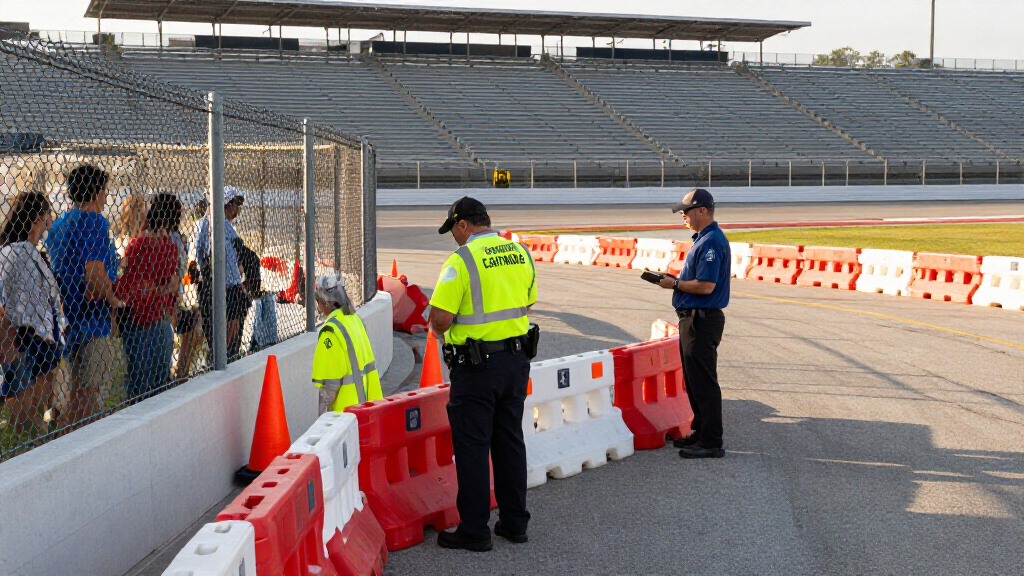
A supplied IdeaNavigator AI brief describes a KEYE report saying UT Austin police confirmed activity on Speedway was a medical emergency response. The brief provides no incident date, patient information, or further police details, and does not establish a wider health or safety risk.
A KEYE report identified in an IdeaNavigator AI brief says UT Austin police confirmed activity on Speedway was a medical emergency response. The available details do not say when the response occurred, what prompted the call, or whether anyone was injured, leaving the event’s scope and outcome unclear.
The brief characterizes the development as a local health and safety signal, but the confirmed information it supplies is narrow: UT Austin police reportedly described the Speedway activity as a medical emergency response. It does not provide a police statement, the wording of KEYE’s report, or a direct link to the news coverage in the text supplied.
No details are given about the person or people involved, the nature of the medical emergency, the exact location along Speedway, or whether emergency medical services transported anyone. The brief also does not report a closure, a continuing threat, or a connection to a food, consumer-health, or contamination issue. Those points should not be inferred from the description of the response.
IdeaNavigator AI presents the item as an example for a proposed monitoring service aimed at safety and compliance leads at consumer-health and food brands. Its brief says the service would collect local health and safety items and turn relevant developments into short decision-focused updates. That product proposal is distinct from the underlying incident report.
UT Austin Speedway medical response
A brief says UT Austin police confirmed activity on Speedway was a medical emergency response. The available details do not establish its timing, outcome, or any ongoing public risk.
What is reported
The account comes through an IdeaNavigator AI brief describing a KEYE report.
UT Austin police reportedly characterized the Speedway activity as a medical emergency response.
The supplied information gives no incident date, circumstances, people involved, or outcome.
A dated KEYE report or police statement would be needed to clarify what happened.
What the report does not establish
- Police reportedly called it a medical emergency response.
- The activity was on Speedway.
- Cause, severity, injuries, or outcome.
- Ongoing hazard, closure, or wider campus impact.
- Any food, product, or contamination connection.
Incident and business relevance
The brief presents the event as an example for a proposed monitoring service, not as evidence of a business or consumer safety alert.
Limited public signal
A medical response is reported, but the information does not show an ongoing threat to people nearby.
Relevance needs verification
No link to a product, facility, supply chain, or food safety issue is reported.
Service testing is pending
The brief suggests sharing three findings with five professionals and tracking responses; it reports no test results.
Limits of the Safety Signal
For people near the area, the immediate relevance is that police reportedly identified the activity as a medical response, rather than leaving it wholly unexplained. The information provided does not establish that the public faced an ongoing hazard. Without a date, incident details, or an official account available here, readers cannot assess the response’s duration or effects.
The item also illustrates a challenge for workplace safety and compliance teams: a local emergency report may warrant attention, but its relevance to a particular business depends on verified details. The brief suggests filtering news for a defined audience, yet it does not show that this specific event changed a business decision or involved a product, facility, or supply chain. Treating it as a confirmed consumer-safety alert would go beyond the evidence presented.
Popular right now

Bose QuietComfort Wireless Noise Cancelling Headphones – Twilight Blue Limited Edition

Ninja CM371 Hot & Iced XL Coffee Maker with Rapid Cold Brew

Bose QuietComfort Ultra Earbuds (2nd Gen), Wireless Noise-Cancelling Earbuds, Black
As an affiliate, we earn on qualifying purchases.
From Incident to Monitoring Proposal
The supplied brief combines two separate elements: a short account of a local event and a proposal for a commercial monitoring tool. The event is described through the headline of a KEYE report and the statement that UT Austin police confirmed a medical emergency response on Speedway. No publication date or incident timeline accompanies that description.
The proposed tool would monitor local and similar feeds for health, safety, and contamination findings, then summarize what changed, why it matters, and possible next steps for a particular professional audience. IdeaNavigator AI assigns the item an 88/100 signal, but gives no scoring method or comparison baseline. That score is an assessment in the brief, not a measure of the emergency’s severity or public-health impact.
To test the product idea, the brief proposes sharing this item and two other findings with five people who fit its target role, then tracking whether anyone changes a decision or forwards a report. This is a suggested validation exercise, not evidence that the service has launched, that the test has taken place, or that buyers have agreed to subscribe.
Incident Details Still Missing
The supplied information does not establish when the response happened, what medical circumstances led to it, who was involved, or the outcome. It also does not include a direct police statement or enough of KEYE’s reporting to independently clarify those details. The phrase “medical emergency response” alone does not confirm an injury, illness, or broader danger.
It remains unclear whether the response disrupted access to Speedway or affected nearby campus activity. There is no reported link to contamination, a consumer product, or a food-safety issue. The monitoring proposal’s claim that same-day, role-filtered reporting is useful is likewise not supported here by results from the proposed test; the brief describes that test as a future validation step.
Verification and Product Testing
Further confirmation would require the dated KEYE report or a statement from UT Austin police addressing the incident’s timing, location, and outcome. Until those details are available, the event can be described only as a reported medical emergency response, without claims about its cause, severity, or public impact.
Separately, IdeaNavigator AI’s next proposed step is to deliver this brief and two additional health, safety, or contamination findings to five professionals in its target audience. The suggested measures are whether recipients change a decision or forward an item to a colleague. The brief does not report that outreach has begun, provide a schedule for results, or say whether a paid monitoring service is available.
Source: IdeaNavigator AI
Key Questions
What did UT Austin police reportedly confirm?
The IdeaNavigator AI brief says a KEYE report described UT Austin police as confirming that activity on Speedway was a medical emergency response.
When did the response happen?
The supplied brief does not give an incident date or time, so the timing cannot be established from the available information.
Does the report establish a continuing safety threat?
No continuing threat is described. The brief identifies a medical response but supplies no information about an ongoing hazard, a closure, or the incident’s outcome.
Is this an update about a contamination or food-safety incident?
No such connection is reported. The brief uses the local emergency as an example in a proposal for monitoring health and safety news; it does not say the Speedway response involved food, a consumer product, or contamination.
Has the proposed monitoring service been tested?
The brief proposes testing the idea with five safety or compliance professionals by sharing three findings and tracking decisions or forwards. It does not say the test has occurred or report results.
Source: IdeaNavigator AI