📊 Full opportunity report: Driving Industrial Workforce Safety With Immersive VR Training Programs on IdeaNavigator AI — validation score, market gap, and execution plan.
TL;DR
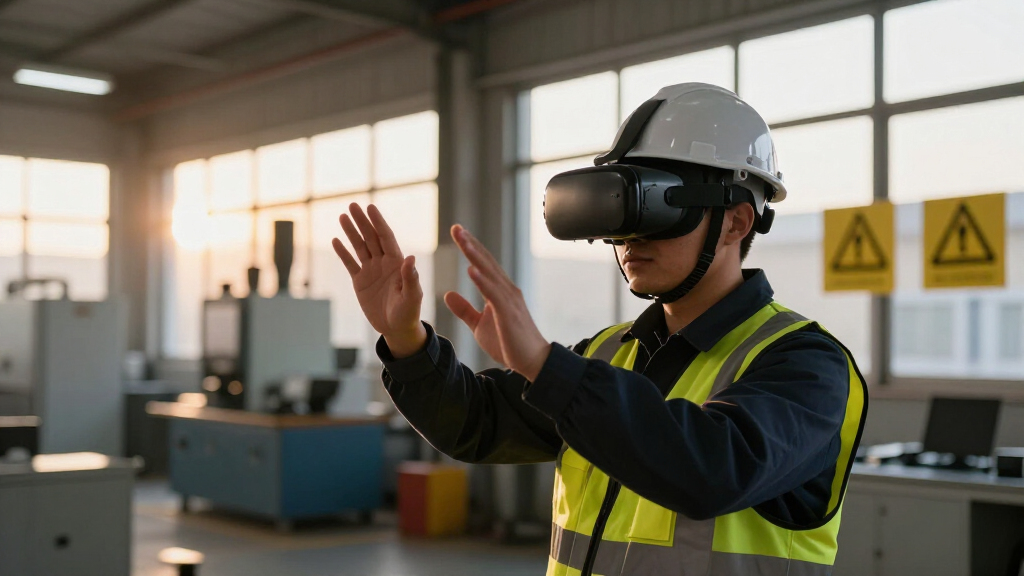
Manufacturers are testing immersive VR training modules for safety and onboarding to address labor shortages and reduce incidents. Early pilots focus on high-risk procedures using standalone headsets, with promising results expected to influence broader adoption.
Manufacturing firms are beginning to implement immersive virtual reality (VR) training programs to improve safety and accelerate onboarding for new workers. Early pilots focus on high-risk procedures, such as lockout/tagout and forklift safety, using standalone VR headsets. This development comes amid a critical labor shortage and a skills gap that threaten operational safety and efficiency.
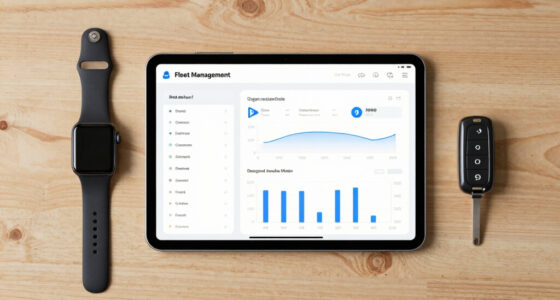
According to industry sources, mid-to-large manufacturers are testing VR modules as a targeted solution to train workers faster and more effectively. The approach involves deploying cloud-connected VR headsets like Meta Quest to deliver focused training modules on dangerous procedures, with real-time tracking of user performance via a management dashboard. The pilot programs aim to measure improvements in time-to-competency and hazard recognition compared to traditional classroom or on-the-floor training methods.
These initiatives are driven by the urgent need to onboard new workers quickly, as the U.S. manufacturing sector faced approximately 409,000 unfilled positions in August 2025. Industry experts note that the hardware costs have decreased significantly due to the availability of affordable standalone headsets, making VR deployment feasible without large capital investments. The immersive training market itself is growing at an estimated 20% CAGR, reflecting increasing industry interest.
Manufacturers are offering the VR training as a SaaS platform, with options for custom scenario development and hardware management. The initial focus is on a single high-value, high-risk procedure, with plans to expand to other safety-critical tasks based on pilot outcomes. Success metrics include faster onboarding, higher hazard detection accuracy, and positive supervisor assessments.
Potential Impact of VR on Industrial Workforce Safety
The adoption of VR training in manufacturing could significantly improve safety outcomes by providing consistent, repeatable, and risk-free learning experiences. It addresses the pressing skills gap and labor shortage challenges, enabling faster onboarding and reducing incident rates. If successful, these pilot programs could lead to widespread industry adoption, transforming workforce development and safety protocols across the sector.
As an affiliate, we earn on qualifying purchases.
Background of VR Adoption in Manufacturing Safety
Manufacturers have traditionally relied on classroom instruction and on-the-floor training, which are often slow, inconsistent, and pose safety risks during live equipment operation. The labor shortage, with millions of unfilled positions projected through 2033, has intensified the need for rapid, effective onboarding solutions. Advances in VR hardware affordability and cloud streaming technology have opened new opportunities for immersive training, with the market estimated at USD 14.55 billion in 2025. Early efforts have focused on high-risk procedures, aiming to demonstrate measurable improvements in safety and efficiency.
standalone VR headset for industrial training
As an affiliate, we earn on qualifying purchases.
As an affiliate, we earn on qualifying purchases.
Uncertainties Surrounding VR Training Effectiveness
While pilot programs are underway, it remains unclear how quickly and significantly VR training will outperform traditional methods in large-scale deployment. Key questions include the durability of training retention, cost-effectiveness over time, and integration with existing safety protocols. Additionally, the variability of individual learning curves and the potential need for scenario customization pose challenges that are still being evaluated.
VR hazard recognition training modules
As an affiliate, we earn on qualifying purchases.
As an affiliate, we earn on qualifying purchases.
Next Steps for Broader VR Training Adoption
Manufacturers will continue pilot testing over the next 6-12 months, focusing on collecting quantitative data on safety improvements, onboarding speed, and hazard recognition accuracy. Successful pilots are expected to lead to expanded rollouts across multiple plants, with companies refining content and hardware deployment strategies. Industry analysts predict that if early results are positive, VR training could become a standard component of safety and onboarding programs within the next two years.
manufacturing safety VR training platform
As an affiliate, we earn on qualifying purchases.
As an affiliate, we earn on qualifying purchases.
Key Questions
What types of procedures are being trained with VR?
Initial pilots focus on high-risk, safety-critical procedures such as lockout/tagout and forklift safety.
How cost-effective is VR training for manufacturers?
With the decreasing cost of standalone headsets and cloud-based platforms, VR training is becoming more affordable, especially when considering potential reductions in safety incidents and onboarding time.
What are the main challenges of implementing VR training?
Challenges include scenario customization, ensuring training retention, integrating VR with existing safety protocols, and measuring long-term effectiveness.
When might VR training become standard practice?
If pilot programs demonstrate clear benefits, widespread adoption could occur within the next two years.
Are there safety concerns with using VR headsets in manufacturing environments?
Since VR headsets are standalone and wireless, safety concerns are minimal, but proper protocols are necessary to prevent physical injuries during training sessions.
Source: IdeaNavigator AI