
TL;DR
An orthopedic practice is trialing a recovery-percentile tracker to objectively monitor patient progress after surgery. The goal is to reduce phone calls and improve patient reassurance. Results will determine its wider adoption.
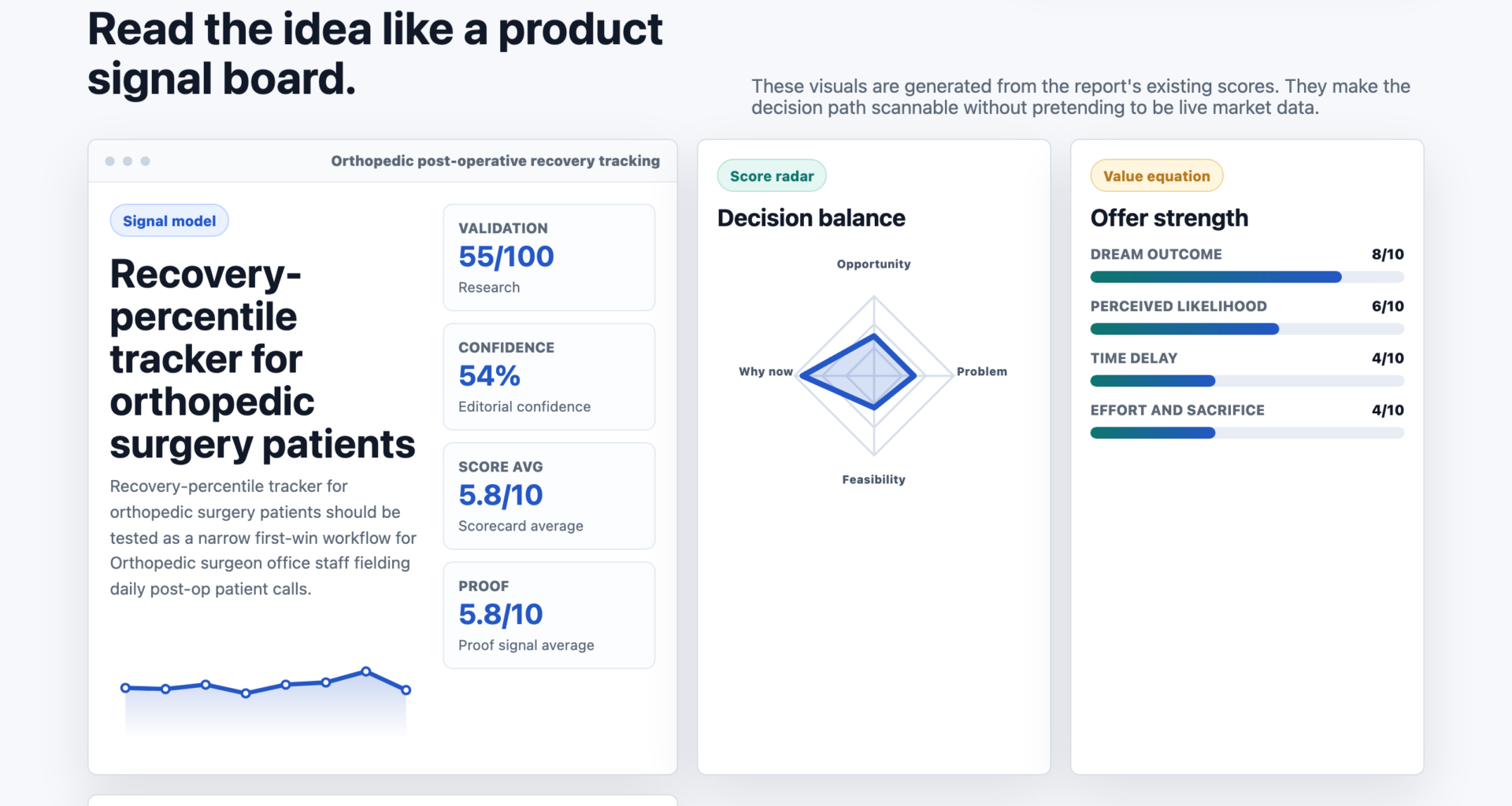
A pilot program is testing a recovery-percentile tracker for post-operative orthopedic patients to help office staff assess patient progress objectively and reduce the volume of patient calls. The initiative aims to address the rising number of outpatient orthopedic procedures and the staffing challenges that lead to overwhelmed phone lines, by providing patients with a data-backed way to understand their recovery status.
The recovery-percentile tracker is designed as a daily check-in tool for patients who undergo procedures like knee replacements. Patients log pain levels, range of motion, and walking milestones, which are then plotted as a percentile against anonymized recovery curves for the same surgery. This allows both patients and staff to see whether recovery is on track or if additional intervention is needed.
The pilot involves recruiting one orthopedic practice, with 15 knee replacement patients logging their recovery data over a two-week period. The primary goal is to determine whether patients using the tracker place fewer ‚is this normal?‘ calls compared to a control group not using the tool. The tracker is billed as a subscription service to surgeon offices, aiming to reduce call volume and improve patient reassurance through objective data.
While the concept is still in early testing, initial feedback suggests that the tracker could streamline post-op care and improve patient satisfaction by providing clearer benchmarks for recovery progress.
Potential Impact on Post-Operative Care Efficiency
This initiative could significantly reduce the workload for orthopedic office staff by providing an objective, easy-to-understand measure of recovery. If successful, it could lead to fewer unnecessary calls, faster triage of patients who need urgent attention, and overall improved patient experience. The approach also aligns with broader trends toward digital health tools that enable remote monitoring and personalized care.
As an affiliate, we earn on qualifying purchases.
Rising Outpatient Procedures and Staffing Challenges Drive Innovation
The rise in outpatient orthopedic surgeries, such as knee and hip replacements, has increased the demand for effective post-operative monitoring. Simultaneously, many practices face staffing shortages, making it difficult to manage patient inquiries and provide timely reassurance. Currently, many patients rely on subjective feelings or generic advice, leading to frequent calls that strain office resources.
Previous efforts to improve post-op care have included telehealth check-ins and patient education materials, but these lack objective benchmarks. The introduction of a recovery-percentile tracker aims to fill this gap by offering real-time, personalized data that can be shared with patients and staff alike.
Testing this tool as a narrow workflow in one practice serves as a proof of concept before wider deployment, with validation based on reduced call volume and patient satisfaction metrics.
„This tracker provides a simple, objective way for patients to understand their recovery relative to expected benchmarks, which could reduce unnecessary anxiety and calls.“
— an anonymous researcher
post-op orthopedic monitoring device
As an affiliate, we earn on qualifying purchases.
As an affiliate, we earn on qualifying purchases.
Unconfirmed Effectiveness and Scalability of the Tracker
It is not yet clear whether the tracker will significantly reduce call volume or improve patient outcomes in broader settings. The pilot’s results are pending, and questions remain about long-term adoption, patient engagement, and integration into existing workflows.
Further data is needed to confirm if the tool can be scaled across different surgeries, patient populations, and practice sizes, and whether it will be cost-effective for widespread use.
digital recovery progress tracker for knee surgery
As an affiliate, we earn on qualifying purchases.
As an affiliate, we earn on qualifying purchases.
Next Steps in Validation and Broader Implementation
The practice involved in the pilot will analyze data after the two-week logging period to assess the impact on call volume and patient satisfaction. If results are promising, plans include expanding the trial to multiple practices and longer durations. Researchers will also explore refining the platform based on user feedback and integrating additional recovery metrics.
Wider adoption will depend on validation studies demonstrating tangible benefits, and on the development of scalable, user-friendly interfaces for both patients and staff.
postoperative pain and mobility monitor
As an affiliate, we earn on qualifying purchases.
As an affiliate, we earn on qualifying purchases.
Key Questions
How does the recovery-percentile tracker work?
Patients log daily data such as pain levels, range of motion, and walking milestones, which are then plotted against anonymized recovery curves to show their percentile ranking compared to typical recovery patterns for their surgery.
Will this reduce the number of post-op calls?
Initial testing aims to determine if the tracker can lower call volume by providing patients with objective reassurance about their recovery progress. Results are still pending.
Can this tool be used for surgeries other than knee replacements?
While the current pilot focuses on knee replacement procedures, the concept could potentially be adapted for other orthopedic surgeries with similar recovery trajectories.
Is the tracker a paid service?
Yes, it is billed as a per-seat subscription to surgeon offices, intended to help practices manage post-op recovery more efficiently.
When will broader results be available?
Results from the current pilot are expected after the two-week data collection period. Broader studies and adoption will depend on the outcomes of this initial trial.
Source: IdeaNavigator AI