📊 Full opportunity report: Vertigo relief app on IdeaNavigator AI — validation score, market gap, and execution plan.
TL;DR
A new vertigo relief app is being developed to help adults with BPPV perform repositioning maneuvers at home. It aims to reduce relapse rates and support clinicians in patient care, leveraging smartphone sensors and telehealth trends.
A new vertigo relief app is in development to assist adults suffering from recurrent benign paroxysmal positional vertigo (BPPV). The app aims to guide users through repositioning maneuvers like the Epley, track episodes, and support ongoing management, with potential integration into clinical practice. This initiative responds to longstanding challenges faced by BPPV patients and the shifting landscape of telehealth.
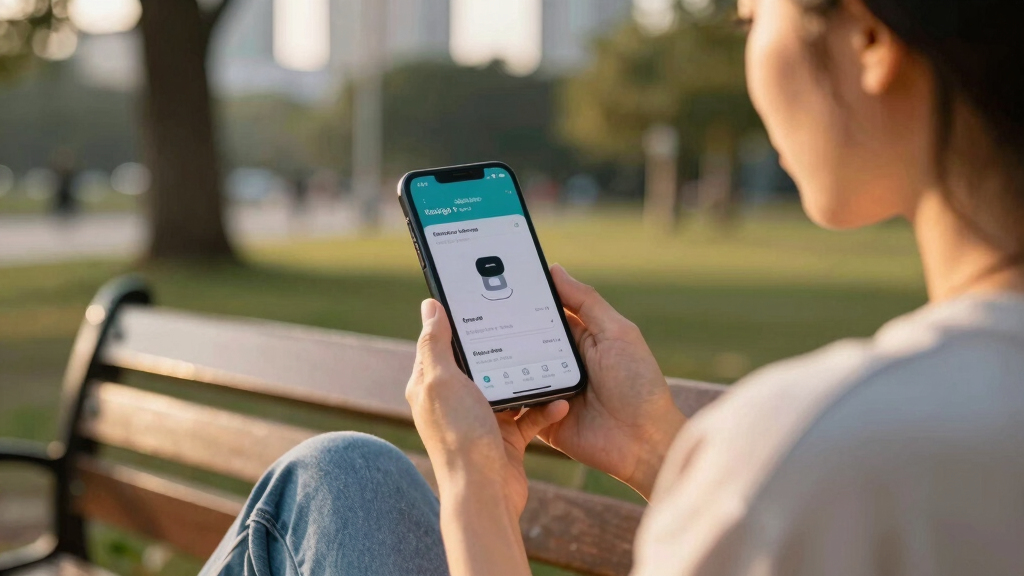
The app is designed for adults, skewing female and older, who experience recurrent vertigo episodes linked to BPPV, the most common vestibular disorder. It features step-by-step animated cues, audio guidance, and real-time head-angle feedback using smartphone gyroscopes to ensure correct maneuver execution. Users can log dizziness episodes, triggers, and symptom severity over time, providing valuable data for self-management and clinical review.
Developers plan to test the app initially as a narrow workflow for ENT clinics, audiologists, and vestibular physiotherapists, who could recommend or white-label it for patient use between visits. The app will include a short screening survey, optional motion self-check, and a clear disclaimer emphasizing it is not a substitute for professional medical advice. Revenue models include a freemium consumer subscription for maneuver guidance and a B2B licensing option for clinics to incorporate the app into patient care pathways.
The market opportunity is driven by increased acceptance of digital therapeutics, accelerated telehealth adoption during COVID-19, and the availability of smartphone sensors capable of precise motion measurement. The digital vestibular rehabilitation market was valued near USD 498 million in 2024, with a projected annual growth rate of approximately 13.5% through 2033, indicating strong growth potential.
Potential Impact on Vertigo Self-Management and Care
This app could significantly improve the quality of life for millions of adults with BPPV by enabling accurate, at-home treatment and reducing the need for long waits to see specialists. It also offers clinicians a tool to monitor patient progress remotely, potentially decreasing relapse rates, which occur in about half of cases. Widespread adoption could shift vertigo management toward more accessible, digital solutions, complementing existing telehealth services and expanding the reach of vestibular care.
vertigo repositioning maneuver guide app
As an affiliate, we earn on qualifying purchases.
As an affiliate, we earn on qualifying purchases.
Rise of Digital Therapeutics and Telehealth for Vestibular Disorders
The development of this app aligns with broader trends in digital health, especially in vestibular care. COVID-19 accelerated telehealth adoption, prompting healthcare providers to seek remote management tools for conditions like BPPV. Smartphones now contain gyroscopes capable of precise head movement measurement, making them suitable platforms for guided therapy. The digital therapeutics market for vestibular disorders is expanding, with increasing payer acceptance and technological maturity supporting new solutions like this app.
Previous efforts to improve self-treatment relied on static diagrams and generic instructions, often leading to incorrect performance and higher relapse rates. The integration of real-time feedback and episode tracking aims to overcome these limitations, providing a more effective and user-friendly approach.
„Leveraging smartphone sensors for real-time head-angle feedback can improve maneuver accuracy at home.“
— an anonymous researcher
As an affiliate, we earn on qualifying purchases.
Unconfirmed Aspects of App Development and Adoption
It is not yet clear how effectively users will adopt and correctly perform maneuvers using the app, or how clinicians will integrate it into existing workflows. The results of initial testing and pilot programs are still pending, and regulatory or reimbursement pathways for such digital therapeutics remain evolving. Further validation is needed to confirm the app’s impact on relapse rates and patient outcomes.
As an affiliate, we earn on qualifying purchases.
Next Steps in Testing, Validation, and Market Entry
Developers plan to launch a lightweight landing page and run targeted ads to gauge interest among vertigo sufferers and clinicians. They will measure signups, maneuver completion rates, and clinician interest through outreach to ENT and physiotherapy practices. Pending positive feedback and initial pilot results, broader clinical trials and regulatory review will follow, aiming for eventual app release and integration into standard care pathways.
As an affiliate, we earn on qualifying purchases.
Key Questions
How does the app guide users through vertigo maneuvers?
The app provides animated step-by-step instructions, audio cues, and real-time head-angle feedback using smartphone gyroscopes to ensure correct execution.
Is the app intended to replace professional treatment?
No, the app is designed as a supplementary tool for home management and should be used alongside medical advice from healthcare providers.
Will clinics be able to white-label or license the app?
Yes, developers are exploring a B2B licensing model allowing ENT, audiology, and physiotherapy practices to recommend or embed the app into patient care programs.
What are the main benefits of using this app?
It aims to improve maneuver accuracy, enable symptom tracking, reduce relapse rates, and make vertigo management more accessible outside clinical settings.
When is the app expected to be available for general use?
Development is ongoing, with initial testing and validation phases underway. A broader release is expected after successful pilot results and regulatory review, likely within the next 12-24 months.
Source: IdeaNavigator AI