📊 Full opportunity report: Following Pitcher Arm Load Through A Youth Athlete's Year on IdeaNavigator AI — validation score, market gap, and execution plan.
TL;DR
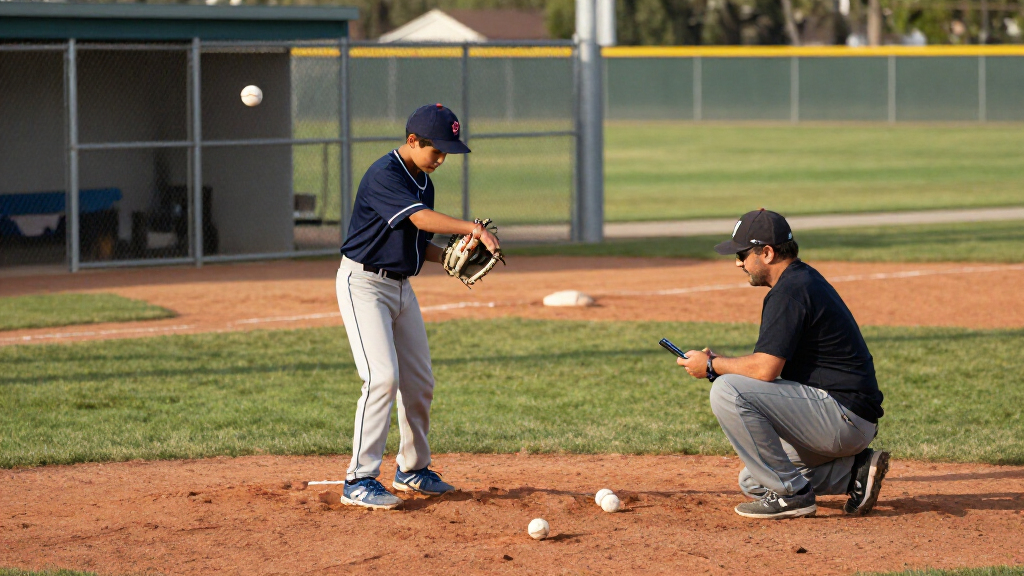
IdeaNavigator AI has outlined a proposed app for parents to track a youth pitcher’s throwing workload across school, travel and showcase teams. The concept has not been tested, and the proposal provides no injury data or evidence that tracking would prevent injuries.
IdeaNavigator AI has proposed an app that would help parents track a youth pitcher’s workload across school, travel and showcase teams, where records may not be shared. The proposal is a product concept, not a reported launch or clinical finding; it does not establish that the app would reduce injuries.
The proposed tool is aimed at a specific buyer: parents of young pitchers playing across multiple teams and seasons. Its central premise is that a player’s total workload can be difficult to follow when each team keeps its own records. IdeaNavigator AI says parents would be able to enter outings quickly or import them from GameChanger, then see a rolling workload record across teams.
The suggested minimum product would compare that record with age-based guidelines, flag possible workload concerns, suggest rest scheduling and generate a report parents could share with coaches. The proposal also sketches a business model: an annual family subscription, with possible expansion to team licenses. These are proposed features and revenue plans, not evidence that a product is available or that coaches would adopt it.
For an initial test, IdeaNavigator AI recommends recruiting 200 travel-ball families and following them over a season. The proposed measures are whether families log outings consistently and whether workload flags change rest decisions. No recruitment, study results, product demonstration or independent evaluation is included in the material provided.
Tracking Workload Across Teams
The idea addresses a practical coordination problem: a parent may see a child play for several teams while each coach has only a partial view of that season’s pitching. A consolidated record could make it easier to discuss recent outings and planned rest with coaches, particularly when schedules overlap. That potential depends on accurate, timely logging and on adults using the information in decisions.
The proposal also touches on youth arm health, but its rationale should not be mistaken for proof. It asserts that elbow injuries and surgery among young players are a growing concern and links that concern to the expansion of travel baseball; it supplies no rates, time period, comparison group or supporting study. Nor does it show that an app’s alerts can predict injury. The near-term question is whether families can maintain a useful shared workload record and whether coaches respond to it.
youth baseball pitch count tracker
As an affiliate, we earn on qualifying purchases.
As an affiliate, we earn on qualifying purchases.
A Schedule Split Among Teams
The proposal describes youth pitchers moving between school, travel and showcase seasons, with different organizations potentially keeping separate pitch-count records. It points to Pitch Smart guidelines as an existing reference for workload, while arguing that those recommendations do not automatically unify records across a player’s teams. The material does not specify which guideline version, age bands or workload thresholds the proposed app would use.
This distinction matters: a recommendation and a tracking tool serve different roles. Guidelines set out advice; a family app could compile information and prompt discussion, but it would not itself verify every outing or compel a team to provide records. The concept therefore depends on parents entering complete data, compatible imports where offered, and coaches sharing enough information to make a cross-team record meaningful.
youth pitcher workload management app
As an affiliate, we earn on qualifying purchases.
As an affiliate, we earn on qualifying purchases.
Evidence and Product Details Pending
The supplied material does not identify a developer, product name, launch date, price or working app. It also does not report whether families, teams or coaches have tested the workflow. No injury outcomes or medical validation are presented, and no evidence is provided that workload flags accurately identify an individual player’s risk.
Further details would be needed to assess the proposed tracking itself: how outings and pitches would be counted, which age-based guidance would be applied, how missing or conflicting team records would be handled, and whether imported data would be complete. The proposal also does not explain how the app would protect a minor’s health and participation data, or how it would avoid being treated as a substitute for advice from qualified medical professionals.
baseball arm injury prevention tools
As an affiliate, we earn on qualifying purchases.
As an affiliate, we earn on qualifying purchases.
Testing the Family Logging Workflow
The next step set out in the proposal is a season-long pilot with 200 travel-ball families. The stated evaluation would examine logging consistency and whether alerts affect rest choices. No start date, recruitment plan, oversight process or results have been announced in the material available here.
If such a test proceeds, useful reporting would distinguish participation and data completeness from health outcomes: families logging outings would not by itself show that injuries were prevented. The proposal’s own next milestone is to test whether the workflow changes decisions; evidence about safety or injury reduction would require separate, appropriate evaluation. Until those details emerge, the concept remains an untested product proposal.
youth sports injury prevention device
As an affiliate, we earn on qualifying purchases.
As an affiliate, we earn on qualifying purchases.
Key Questions
Has a youth pitcher arm-load tracking app launched?
No launch is reported in the IdeaNavigator AI material. It outlines a possible product and its proposed features.
What would the proposed app track?
Parents would log or import outings, and the app would compile a player’s workload across teams, compare it with age-based guidelines and flag thresholds. The proposal does not define the exact measures or thresholds.
Does the proposal show that tracking prevents injuries?
No. It reports no trial or injury outcomes. Its suggested pilot would first examine logging consistency and whether alerts change rest decisions.
How would the idea be tested?
IdeaNavigator AI proposes recruiting 200 travel-ball families for a season and checking whether they log outings consistently and whether workload flags affect rest decisions. No completed test is reported.
Source: IdeaNavigator AI