
Drop tests only show how a product absorbs impact in a single fall, but they don’t reveal how it withstands everyday wear, environmental effects, or long-term use. Durability depends more on material quality, design features, and environmental exposure, which influence scratches, dents, and fading over time. If you want a true sense of a product’s resilience, factors like real-world testing and material strength matter more—continue for insights that can help you make smarter choices.
Key Takeaways
- Drop tests only measure impact resistance, not long-term wear, environmental damage, or daily usage effects.
- Material quality, design features, and manufacturing consistency better predict a product’s durability over time.
- Real-world testing and user reviews provide more accurate insights into long-term performance than simple drop tests.
- Visible damage from impact tests does not necessarily indicate functional failure or reduced lifespan.
- Comprehensive durability assessment includes environmental factors, material fatigue, and design resilience, beyond initial impact tests.
What Really Determines a Product’s Durability
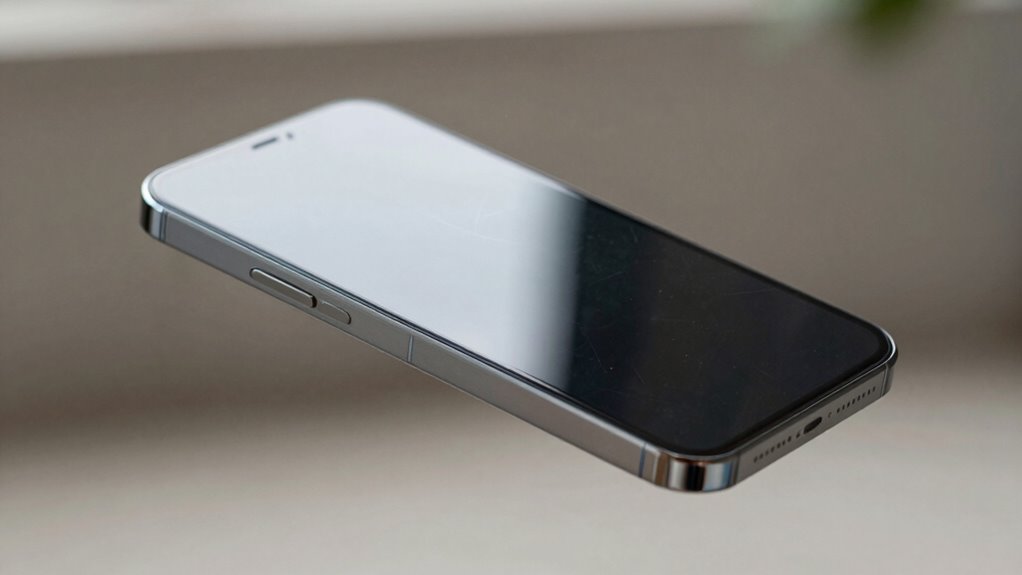
While drop tests are often used to gauge a product’s durability, they don’t tell the whole story. Wear and tear over time impacts how long your product stays functional and appealing. Daily use causes scratches, dents, and discoloration that aren’t always visible in a drop test. Aesthetically durable items maintain their appearance longer, even if they withstand drops well. Materials matter—stainless steel resists scratches better than softer metals, and reinforced plastics handle impacts without losing their look. You should consider how a product ages with regular use, not just its ability to survive a fall. Aesthetic durability is a crucial aspect that influences long-term satisfaction and overall longevity. Comprehensive assessment of durability includes factors like maintenance and environmental exposure, which influence how long your product truly lasts. For example, exposure to sunlight and moisture can accelerate degradation, making environmental resilience an important consideration. Durability isn’t solely about avoiding breakage; it’s about maintaining functionality and appearance over time, making wear and tear and Aesthetic durability key factors in how long your product truly lasts. Additionally, understanding the impact of technological robustness can provide deeper insights into a product’s overall durability and performance over its lifespan. Furthermore, selecting high-quality materials can significantly improve long-term durability, ensuring your product withstands various conditions over years of use.
Factors That Affect How Long a Product Lasts
The lifespan of a product depends on several key factors. Material quality standards, how you use the item, and manufacturing consistency all play vital roles. Understanding these elements helps you predict how long your product will last. For example, the durability of electric dirt bikes like KTM models is often influenced by the quality of their battery technology, which can affect overall lifespan and performance. Additionally, the integration of AI-powered features in modern devices can enhance maintenance and longevity by providing real-time diagnostics and usage tips. Implementing smart home automation strategies can also optimize device usage and reduce wear and tear, further extending product life. Furthermore, adopting energy-efficient cloud solutions can contribute to the sustainability of electronic products by reducing environmental impact during manufacturing and disposal.
Material Quality Standards
Material quality standards play a crucial role in determining how long a product will last. When evaluating a product, focus on its material composition, as higher-quality materials typically offer better durability. Reliable manufacturers prioritize quality assurance processes to guarantee that materials meet strict standards, reducing the risk of early failure. These standards ensure consistency, making sure each unit performs reliably over time. Poor material quality or lapses in quality assurance can lead to weakened structures, cracks, or breakdowns, shortening the product’s lifespan. By paying attention to these standards, you can better predict durability and avoid products that may fail prematurely. Vetted – wave and wind Ultimately, solid material quality standards form the foundation for long-lasting, resilient products you can depend on, especially when the material standards are verified by reputable organizations or third-party testing. Ensuring that the material composition adheres to industry benchmarks is essential for longevity and performance. Additionally, maintaining strict adherence to quality assurance protocols helps prevent defects that compromise durability. Incorporating regular testing and inspection throughout the manufacturing process further enhances product longevity by catching issues early.
Usage Environment Effects
Your product’s lifespan is heavily influenced by the environment in which you use it. Environmental wear from factors like humidity, temperature, and exposure to dust accelerates deterioration. Usage impact, such as frequent handling or rough conditions, also plays a significant role. Imagine these scenarios:
| Environment | Usage Impact |
|---|---|
| High humidity causes corrosion | Dropping or knocking during use |
| Extreme temperatures weaken materials | Constant bending or pressure |
| Dust and dirt cause abrasion | Rough handling or misuse |
| Sun exposure degrades surfaces | Repeated plugging and unplugging |
Both environmental wear and usage impact combine to shorten your product’s durability. Protecting it from harsh environments and handling it carefully can extend its life far more than a simple drop test ever could. Additionally, introducing bioluminescent organisms or other protective coatings during manufacturing can help mitigate environmental damage. Incorporating protective coatings can further enhance resistance to environmental stressors. Understanding credit card security measures can also help safeguard your personal belongings from damage. Additionally, selecting durable materials during manufacturing can significantly enhance the product’s resilience to environmental stressors.
Manufacturing Consistency
Manufacturing consistency plays a crucial role in determining how long a product will last. When manufacturing variability is minimized, each unit undergoes the same rigorous quality checks, guaranteeing durability and reliability. Consistent production processes mean fewer defects and weaker points that can lead to early failure. If your manufacturer maintains high production consistency, you can expect a more durable product over time. Conversely, high variability in manufacturing can introduce inconsistencies in materials, assembly, and overall quality, which shortens the product’s lifespan. By focusing on manufacturing consistency, companies reduce the risks associated with defects and improve longevity. Additionally, understanding quality control processes helps consumers identify products with higher manufacturing standards, leading to better durability. Recognizing water-related factors that affect manufacturing, such as environmental conditions and handling during production, can further enhance product durability. Maintaining proper equipment maintenance is essential for ensuring continuous manufacturing consistency and product longevity. Being aware of manufacturing standards allows consumers to select products that are more likely to withstand wear and tear over time. Prioritizing training and oversight in production teams can also significantly boost overall quality and durability. Ultimately, understanding how manufacturing variability impacts durability helps you make better, more informed purchasing decisions and ensures you get a product that holds up over time.
How Material and Design Choices Impact Durability
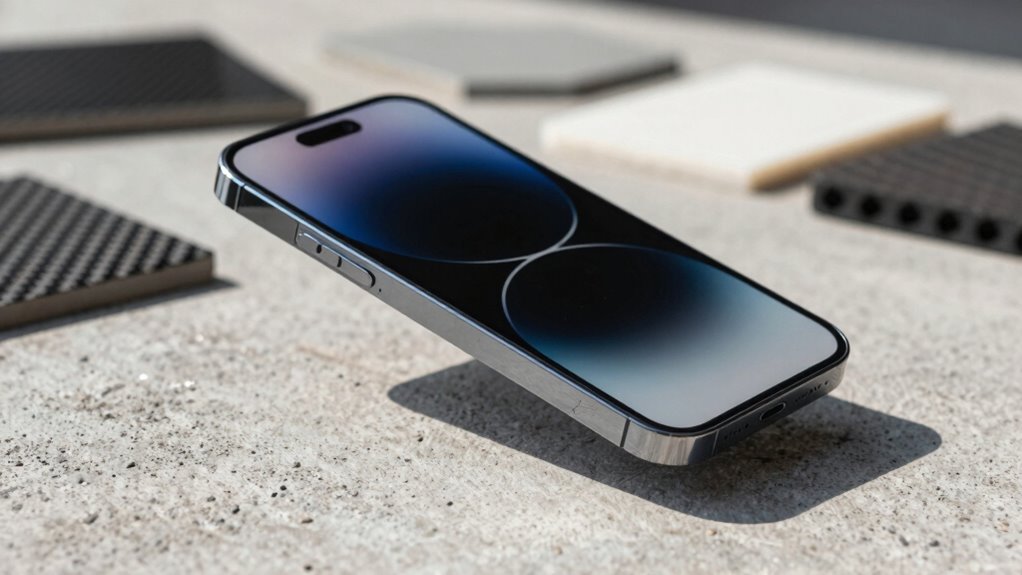
The durability of a product largely depends on the choices made in its material and design. Selecting the right materials can reduce surface wear and improve aesthetic durability, keeping your product looking new longer. Design choices like reinforced edges or protective coatings help absorb impacts and prevent damage. For example:
| Material Type | Surface Wear Resistance | Aesthetic Durability |
|---|---|---|
| Hard Plastics | High | Moderate |
| Metals | Very High | High |
| Glass | Low | High |
| Rubber | Moderate | Moderate |
A well-considered design minimizes stress points and enhances overall longevity. When you prioritize material quality and thoughtful design, your product resists scratches, dents, and fading, ensuring it remains functional and attractive over time. Understanding material properties is essential for making informed choices that extend product lifespan. Additionally, incorporating impact-resistant features into the design can significantly improve durability by absorbing shocks and preventing cracks. Considering wear-resistant coatings also plays a crucial role in prolonging the product’s appearance and functionality.
Better Ways to Test and Predict Product Lifespan

Traditional drop tests often fall short in accurately predicting a product’s true lifespan because they don’t account for real-world usage conditions. To improve predictions, synthetic testing offers a more reliable approach by simulating various stress factors like temperature, humidity, and repetitive use. This method helps evaluate durability beyond initial impact resistance. Additionally, considering aesthetic appeal ensures the product maintains its look over time, which influences user satisfaction. Here are some better ways to test and predict lifespan:
- Use synthetic testing to replicate everyday wear and tear.
- Focus on material fatigue over repeated cycles.
- Monitor aesthetic appeal to gauge long-term visual durability.
- Combine real-world usage simulations with lab results for all-encompassing insights.
This holistic approach provides a clearer picture of a product’s true lifespan, beyond what a simple drop test can reveal.
Myths About Product Durability You Should Know
Many people believe that a product’s durability can be fully determined by a single drop test or initial quality check, but this is a common myth. Surface scratchings and aesthetic wear often get mistaken as signs of poor durability, but they don’t tell the whole story. These superficial marks can occur even in well-made products and don’t impact overall functionality. Durability isn’t just about avoiding visible damage; it’s about how the product performs over time under various conditions. Focusing solely on surface scratchings or aesthetic wear can lead you to overlook more critical factors like material resilience and structural integrity. Remember, a product that looks perfect initially might still fail prematurely if it’s not built to withstand everyday use.
How to Assess a Product’s Durability Before You Buy

To gauge a product’s durability before purchasing, start by checking material strength indicators like build quality and component specifications. Look for real-world testing methods or reviews that demonstrate how the product performs under everyday conditions. This approach helps you make an informed decision based on actual performance rather than just marketing claims.
Material Strength Indicators
When evaluating a product’s durability, paying attention to material strength indicators can offer valuable insights. Your focus should be on understanding the material composition and appraising structural integrity. Here are four key indicators:
- Material composition – Check if the materials used are known for strength and resilience.
- Layering and bonding – Strong bonds indicate better durability under stress.
- Hardness and toughness – Higher hardness resists scratches, while toughness prevents cracking.
- Design features – Reinforcements or supportive structures enhance overall structural integrity.
Real-World Testing Methods
Evaluating a product’s durability in real-world scenarios provides a practical understanding beyond lab tests and material indicators. By observing how products perform under everyday conditions, you can assess their resilience to environmental impact, such as weather, wear, and accidental damage. Conducting real-world tests—like using a device in different environments or simulating typical usage—helps predict long-term performance more accurately. This approach also influences consumer satisfaction, ensuring you choose products that meet your actual needs and endure over time. Rather than relying solely on lab results or drop tests, incorporating real-world testing methods gives you a clearer picture of durability, durability, and reliability, ultimately leading to smarter purchasing decisions and more sustainable, satisfying products.
Frequently Asked Questions
Can User Handling Influence a Product’s Actual Lifespan?
Yes, your handling impact and user stress can influence a product’s actual lifespan. Rough handling or frequent drops cause wear and tear that accelerates damage, even if the product passes standard tests. Being mindful of how you handle it reduces unnecessary stress, helping it last longer. Proper care and gentle handling are key to maintaining durability, preventing premature failures caused by user stress and impact.
How Do Environmental Factors Like Humidity Affect Durability?
Humidity impact plays a significant role in a product’s durability by promoting corrosion, warping, or mold growth. Environmental effects like high humidity can weaken materials over time, causing them to degrade faster. You should consider these factors when choosing products or storing them, as controlling humidity levels helps prevent damage. Proper environmental management guarantees your items last longer, maintaining their functionality and appearance despite external conditions.
Are There Industry Standards for Testing Product Longevity?
Think of industry standards as your trusted compass in the vast sea of product testing. While they set benchmarks for durability, material variability and testing limitations mean no single standard guarantees longevity. You’ll find that most standards focus on specific scenarios, but real-world conditions are more complex. So, always consider multiple tests and real-world application data to truly gauge how long your product will last.
What Role Does Manufacturing Quality Play in Durability?
Manufacturing quality plays a vital role in durability because it guarantees material consistency and proper quality assurance. When your products are manufactured with strict standards, they resist wear and damage better over time. You benefit from fewer defects and a longer-lasting product. By prioritizing quality assurance and maintaining consistent materials, you can confidently deliver durable items that withstand everyday use, far beyond what a simple drop test can predict.
Can Warranties Predict a Product’s Real-World Durability?
Warranties can hint at a product’s durability, but they don’t guarantee it. About 60% of consumers rely on warranties, yet material composition and brand reputation matter more. You should check the materials used, as tougher materials last longer, and consider brands with solid reputations for quality. Warranties give some assurance, but your best bet is to evaluate the product’s build and the company’s track record for durability.
Conclusion
Remember, the myth of the perfect “drop test” is like chasing shadows in the night. Durability isn’t about one harsh test but about thoughtful design, quality materials, and real-world performance. Like a well-crafted story, a product’s strength unfolds over time, not just in a single fall. So, before you buy, look beyond the surface—trust the science, not the myth—and choose what truly lasts.