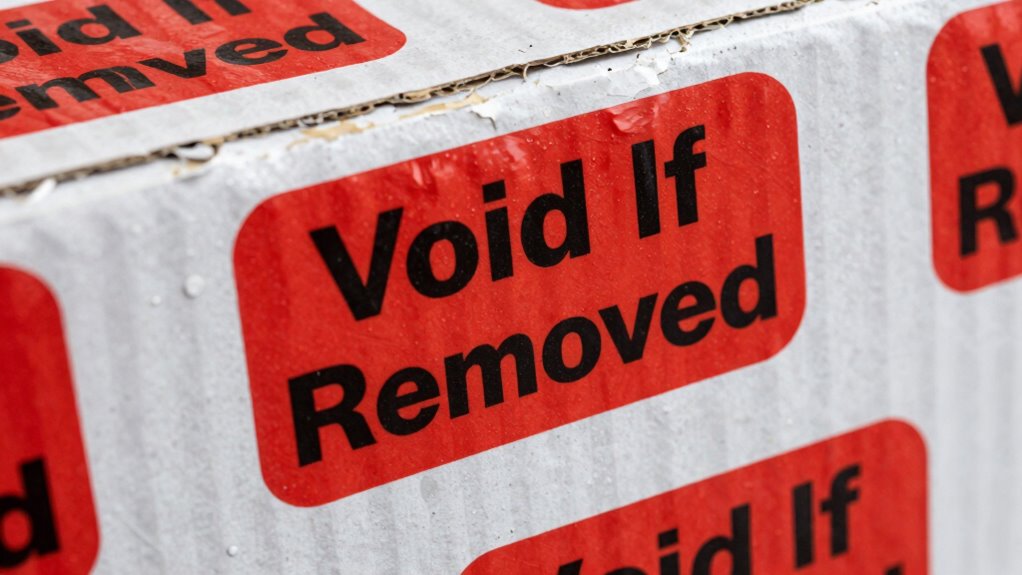

‘Void if removed’ stickers are meant to prevent tampering and protect product integrity, but their enforceability varies. They often serve as tamper-evident features, but courts may not uphold them if they conflict with consumer rights or legal standards. To guarantee they’re effective, manufacturers need clear language and visible placement, but if you want to know what’s truly enforceable and what’s not, there’s more to consider.
Key Takeaways
- Enforceability depends on clear, conspicuous placement and compliance with relevant consumer protection laws.
- Removing stickers may void warranties if explicitly stated, but laws often protect consumers regardless of sticker removal.
- Courts assess whether stickers were legitimately applied and if removal was done in good or bad faith.
- Labels that are misleading or overly restrictive risk violating legal standards and may be unenforceable.
- Advanced security features can support enforcement but do not override consumer rights or legal protections.
Top picks for "void remov sticker"
As an affiliate, we earn on qualifying purchases.
What Are ‘Void If Removed’ Stickers and Why Are They Used?
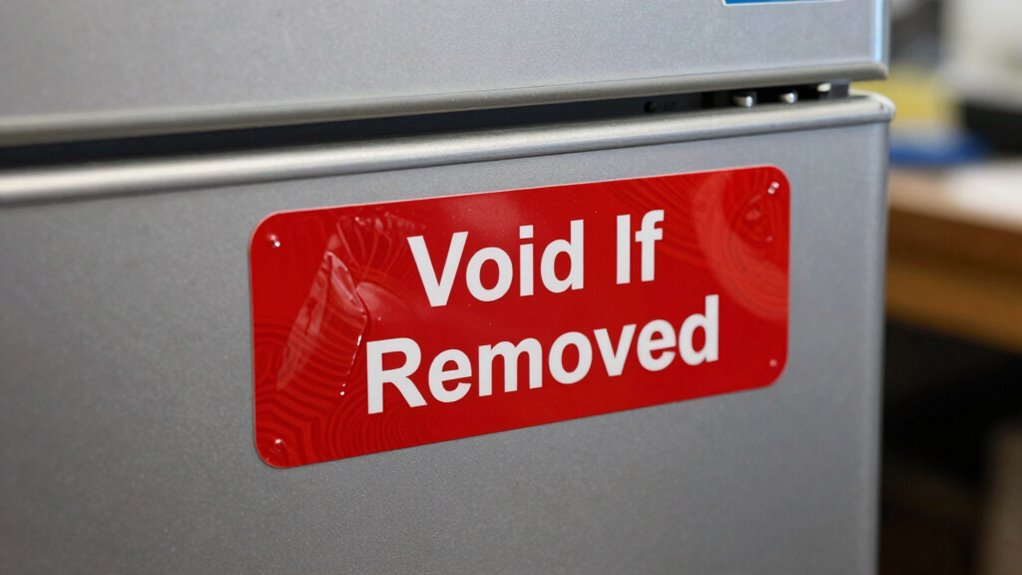
Have you ever wondered why some stickers say “Void If Removed”? These are known as ‘void’ stickers, and they play a key role in product labeling and branding compliance. When you see one, it’s designed to activate if someone tries to peel it off, indicating tampering or unauthorized access. This tamper-evident feature helps companies protect their brand integrity and ensure that product information remains intact. ‘Void’ stickers serve as a tamper-evident measure, making it clear if a product has been opened or altered. They’re especially useful on packaging for electronics, pharmaceuticals, or luxury items, where maintaining authenticity and safety is essential. By using these stickers, brands uphold regulatory standards and reinforce consumer trust while discouraging counterfeit or tampering. Additionally, understanding the concept of Free Floating labels can help consumers recognize genuine packaging features designed for security. Recognizing security labels can further help consumers identify authentic products and avoid counterfeit items. Moreover, the use of specialized adhesives on these stickers ensures they cannot be reapplied without evidence of tampering.
Are ‘Void If Removed’ Stickers Legally Enforceable?
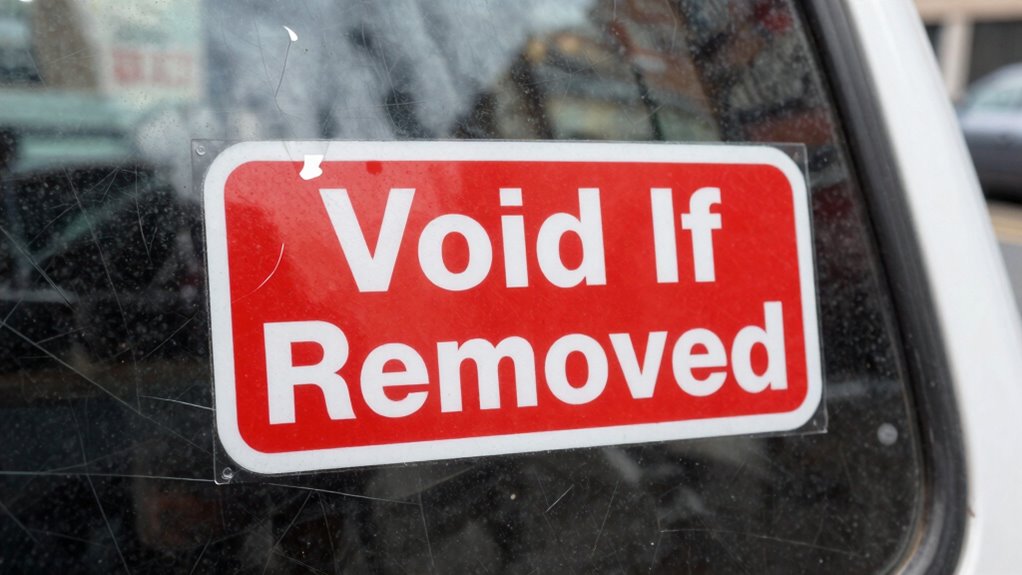
You might wonder if ‘Void If Removed’ stickers hold up in court, especially regarding legal validity standards. While they can serve as contractual notices, their enforceability is often limited by consumer rights laws. Understanding these limits helps you determine whether such stickers can truly bind you or if they’re just warnings. Additionally, affiliate disclosures might influence how such notices are perceived legally, ensuring transparency in commercial settings. The privacy policy and cookie management practices of a business can also impact how enforceable digital notices are, especially when user consent is involved. Moreover, the cookie categories and how they are managed play a crucial role in establishing the legitimacy of digital notices and agreements. Recognizing the contractual enforceability of these labels can be essential for manufacturers and consumers alike.
Legal Validity Standards
The enforceability of “Void If Removed” stickers hinges on whether they meet legal standards for contractual or property notices. For them to be valid, your product labeling and sticker design must clearly communicate the intended restriction and be placed where customers can see it. Courts typically look for clarity and notice to determine enforceability.
Key factors include:
- Clear language that explicitly states the condition or restriction.
- Visible placement that ensures the sticker is noticed before purchase or removal.
- Consistency with industry standards and legal requirements for product labeling.
Meeting these standards helps strengthen your case if enforcement becomes necessary. Ultimately, the sticker must serve as a transparent and effective notice to hold up legally.
Contractual Enforcement Limits
While “Void If Removed” stickers can serve as a clear warning, their enforceability in contractual disputes isn’t guaranteed. Courts often scrutinize whether such labels are part of a binding agreement or merely product labeling. If a sticker is viewed as a warranty disclaimer, its enforceability depends on whether it complies with relevant laws and whether consumers were adequately informed. In some cases, these stickers may be seen as an attempt to limit liability unfairly or to modify statutory rights. You should understand that simply placing a “Void If Removed” sticker doesn’t automatically make its terms enforceable. The legality hinges on whether the sticker’s placement and language meet legal standards and whether it aligns with consumer protection laws. Additionally, the Gold IRA markets have specific regulations regarding disclosures and contractual terms that can influence enforceability. Proper warranty disclosures are essential to ensuring such labels are considered valid and enforceable in legal contexts. Furthermore, courts may evaluate whether these stickers are consistent with consumer protection statutes, which aim to prevent unfair trade practices. The enforceability may also be impacted by the nature of the product and how clearly the sticker’s warning is communicated to consumers.
Consumer Rights Considerations
Are ‘Void If Removed’ stickers truly enforceable when it comes to consumer rights? The answer depends on how these stickers relate to product labeling and warranty disclaimers. While manufacturers may argue they protect proprietary info, consumers still have rights. Here are key considerations:
- Legal Validity: Courts may find stickers unenforceable if they conflict with consumer protection laws.
- Warranty Impacts: Removing stickers shouldn’t void your warranty if the law mandates clear, fair warranty disclaimers.
- Consumer Protections: In some jurisdictions, removing a sticker doesn’t waive your rights, especially if it affects safety or product information.
Ultimately, enforceability varies, so understanding your rights helps you challenge unfair sticker policies.
What Are the Legal Limits on ‘Void If Removed’ Stickers?
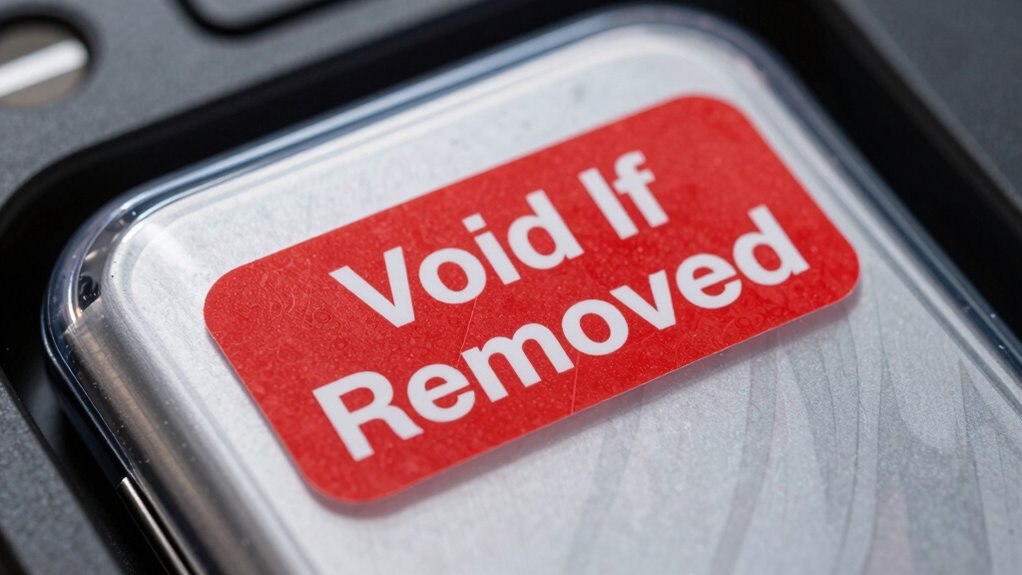
You should understand that enforceability standards for ‘Void If Removed’ stickers vary depending on jurisdiction and context. These limits can impact how effectively you can rely on them to protect your products or branding. Ignoring legal risks may lead to costly disputes or invalidation of the stickers’ intended effect. Legal considerations play a crucial role in determining the strength and validity of such stickers in different regions.
Enforceability Standards and Limits
Enforceability of “Void If Removed” stickers hinges on legal standards that vary by jurisdiction, and these standards determine whether such disclaimers hold up in court. Courts often scrutinize whether the sticker’s wording aligns with product labeling laws and warranty disclaimers regulations. To be enforceable, the sticker must meet certain criteria, such as clarity and conspicuous placement. Additionally, the context of the product and the specific legal environment can influence enforceability, especially when considering upholding consumer rights and ensuring transparency. These limits ensure that the disclaimer isn’t used to unfairly deny consumers their rights or mislead about product conditions.
Legal Risks of Enforcement
Legal limits on enforcing “Void If Removed” stickers center on ensuring that these disclaimers don’t violate consumer protection laws or mislead customers. You must be careful with product labeling to avoid deceptive practices that could lead to legal challenges. Courts often scrutinize whether such stickers effectively communicate warranty disclaimers without misleading consumers or unfairly limiting their rights. If you try to enforce a “Void If Removed” sticker that contradicts warranty disclaimers or obscures important product information, you risk violating laws designed to protect consumers from false or confusing claims. Enforcing these stickers improperly could also lead to claims of unfair trade practices. To minimize legal risks, ensure your product labeling complies with applicable laws and clearly states any limitations without hiding critical information. Additionally, understanding the horsepower of electric dirt bikes can be important when setting expectations about product performance and warranty coverage. Being aware of consumer rights related to warranties can help ensure your enforcement practices are lawful and transparent. It is also advisable to consult with legal counsel to regularly review your labeling practices and avoid potential violations of consumer protection laws. Moreover, being aware of piercing aftercare guidelines can help you craft clearer, legally compliant disclaimers that support consumer safety and education. Furthermore, staying informed about evolving regulations can help prevent inadvertent violations that could result in legal penalties.
How Do Courts Decide on Cases About Sticker Removal?

When courts evaluate cases involving the removal of “Void If Removed” stickers, they typically focus on whether the stickers were legitimately applied or if their removal was unauthorized. The court examines evidence related to the sticker manufacturing process and product markings to determine intent. They look at factors like how the sticker was affixed, whether proper procedures were followed, and if removal was done in bad faith. Additionally, courts consider product labeling regulations and their storytelling context when assessing cases involving emotional appeals or consumer protection issues. Courts assess these elements to decide if the removal breaches contractual or legal obligations, ultimately determining enforceability. Understanding enforceability criteria can be crucial for consumers and manufacturers alike when disputes arise over sticker removal. Furthermore, the cultural significance of certain labels or markings may influence judicial interpretation in some cases. Recognizing the curiosity surrounding product markings can also impact how courts interpret the intentions behind sticker placement and removal.
What Risks Do Consumers Face When Removing Security Stickers?
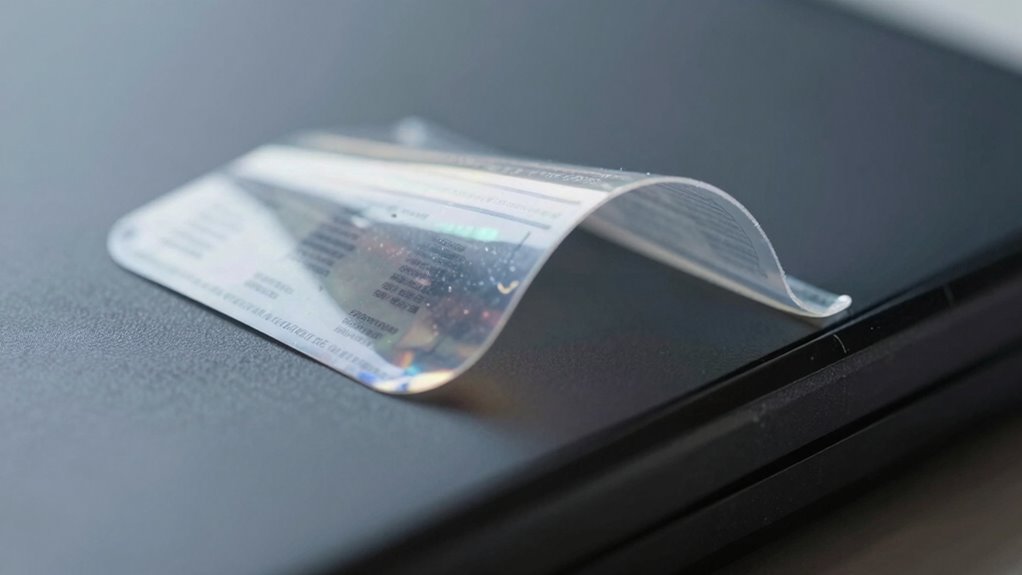
Removing security stickers can pose significant risks because doing so often damages the product or its packaging, potentially voiding warranties or service agreements. If you peel off these stickers, you might unintentionally compromise product liability protections, making you responsible for damages or defects. This can limit your ability to seek repairs or replacements under warranty, leaving you vulnerable to additional costs. From a consumer protection perspective, removing the sticker may nullify legal safeguards designed to ensure product safety and quality. Additionally, some manufacturers include language stating that removing the sticker nullifies the warranty, so you risk losing coverage altogether. Overall, tampering with security stickers can jeopardize your rights and expose you to financial and legal risks. Moreover, understanding the Modern Farmhouse Decor Trends (2024) can help consumers make better-informed decisions about product purchases and maintenance. It is also important to recognize that product security measures are often legally enforced to prevent tampering and protect both consumers and manufacturers.
What Can Manufacturers Do to Protect Their Products?
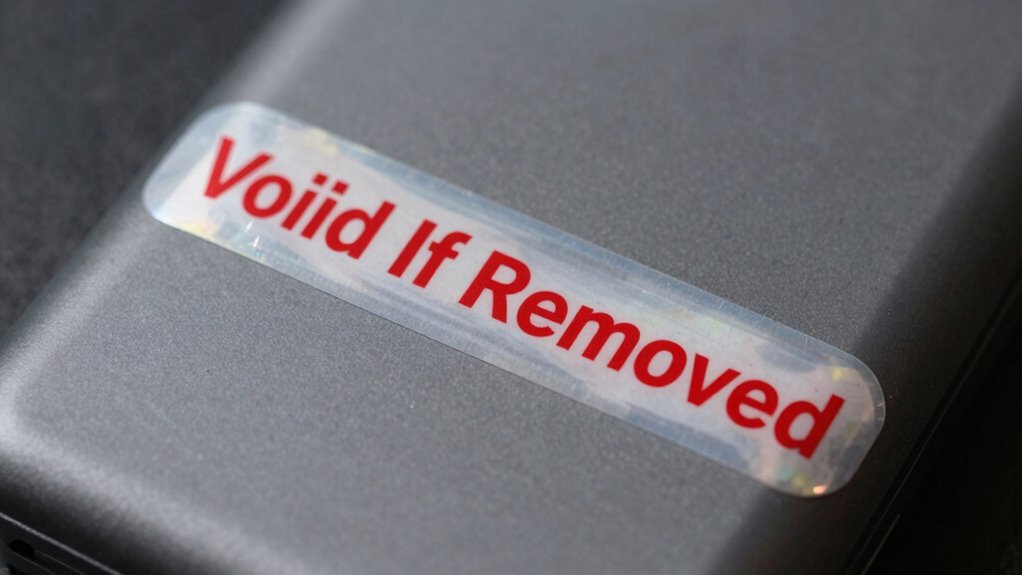
Manufacturers can implement advanced security features that make it difficult to tamper with or remove stickers without leaving obvious signs of damage. This enhances product labeling and helps protect your brand from counterfeiting and theft. To strengthen product protection, consider these strategies:
- Use holographic or color-shifting inks that reveal tampering attempts.
- Incorporate microtext or QR codes that verify authenticity when scanned.
- Apply tamper-evident seals that break or show visible damage if removed.
These measures deter unauthorized removal and reinforce your brand’s integrity. By integrating such features, you create a resilient defense against tampering, ensuring your product labeling remains intact and your brand stays protected. This proactive approach helps uphold consumer trust and prevents counterfeit issues.
What Are Your Rights and Responsibilities When Removing Security Stickers?
Understanding your rights and responsibilities when handling security stickers is key to maintaining product integrity and avoiding legal issues. When removing a security sticker, be aware that it often serves as part of the product labeling and can include important warranty disclaimers. Removing or tampering with these stickers might void your warranty or breach manufacturer terms, especially if the sticker indicates “void if removed.” You have the right to inspect or handle the product, but doing so shouldn’t damage the product or violate any agreements. If you decide to remove a sticker, do so carefully and only if permitted by the manufacturer’s guidelines. Remember, improper removal can lead to disputes over product authenticity, warranty claims, or legal liabilities.
How Might Laws About ‘Void If Removed’ Stickers Change in the Future?
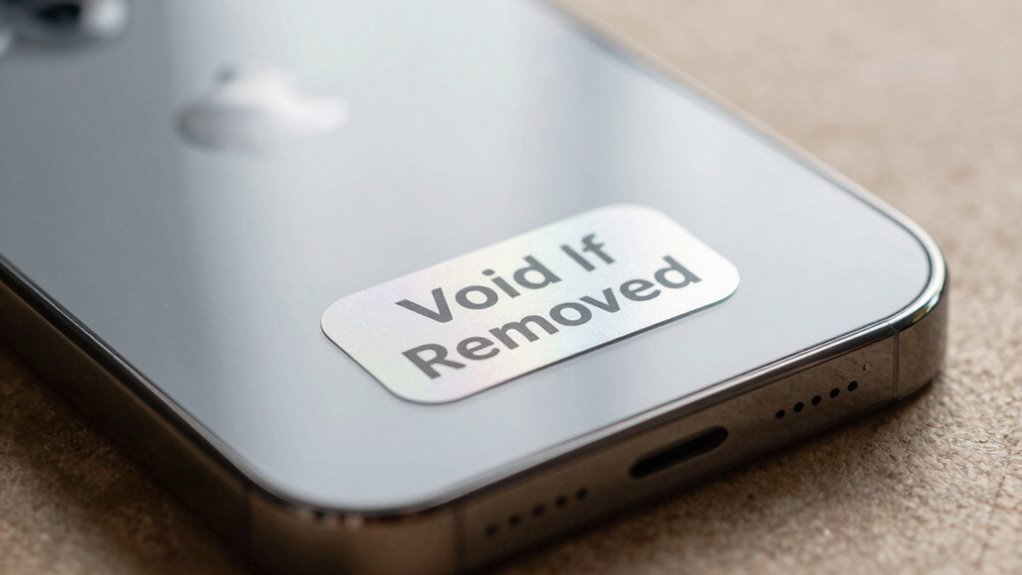
As laws evolve, regulations surrounding ‘void if removed’ stickers could become more consumer-friendly, balancing brand protection with your rights. Future changes might focus on clearer product labeling and fairer enforcement. You could see updates like:
- Stricter guidelines ensuring stickers don’t falsely imply tampering or damage.
- Requirements for transparent signage explaining sticker purpose and consumer rights.
- Limits on using ‘void if removed’ labels on essential or warranty-related products.
These changes aim to protect consumers from unfair restrictions while still safeguarding brand interests. Lawmakers may also emphasize transparency and fairness in product labeling, ensuring that ‘void if removed’ stickers serve their purpose without infringing on your rights. Overall, future laws could strike a better balance between brand protection and consumer freedom.
Frequently Asked Questions
Can Businesses Legally Refuse Service if a Security Sticker Is Removed?
Yes, you can legally refuse service if a security sticker is removed, as it may be seen as a breach of product liability or consumer rights. Businesses often use these stickers to prevent theft and protect their products. Removing them could indicate unauthorized tampering or theft, giving the business grounds to deny service. However, guarantee your policies are clear and consistent to avoid potential legal issues.
Are There Specific Products Where Removing Stickers Is More Legally Risky?
You should be especially cautious with electronics, luxury items, and high-value products, as removing security stickers increases product vulnerability and theft risk. These items often rely heavily on stickers for theft deterrence, and tampering can be seen as an intent to steal, making legal issues more likely. To protect your business, enforce policies consistently and consider alternative security measures for products where sticker removal poses significant legal and security risks.
What Evidence Do Manufacturers Need to Prove a Sticker Was Removed?
Imagine you’re in a detective novel; manufacturers need clear evidence of product tampering to prove a sticker was removed. They typically rely on forensic analysis, such as adhesive residue tests, UV light detection, or microscopic examination. This evidence must show tampering directly caused the sticker’s removal, ensuring legal compliance. You must gather solid, objective proof to defend your case against claims of unauthorized sticker removal and maintain product integrity.
Do Different States Have Varying Laws Regarding Security Sticker Enforcement?
Yes, different states have varying laws regarding security sticker enforcement. You need to be aware of state regulations, as legal variances can impact how you handle sticker violations. Some states may have strict penalties and clear evidence requirements, while others are more lenient. It’s important to research local laws to ensure you’re compliant and understand what constitutes valid enforcement in each jurisdiction.
How Effective Are Security Stickers Compared to Other Product Tampering Measures?
Security stickers can deter tampering, but their limitations mean they’re not foolproof. You might find that determined individuals can still remove or bypass them, reducing their tampering deterrent effectiveness. While they are useful as a visual warning and quick deterrent, you shouldn’t rely solely on them. Combining security stickers with other measures, like sensor alarms or tamper-evident packaging, offers a stronger defense against product tampering.
Conclusion
Ever wonder if removing a ‘void if removed’ sticker could land you in legal trouble? While these stickers aim to protect products, their enforceability isn’t always clear-cut. It’s essential to understand your rights and the risks involved. So, next time you consider peeling one off, ask yourself: is it worth the potential legal headaches? Staying informed helps you make smarter decisions and avoid unintended consequences. Are you ready to navigate the fine line between security and legality?