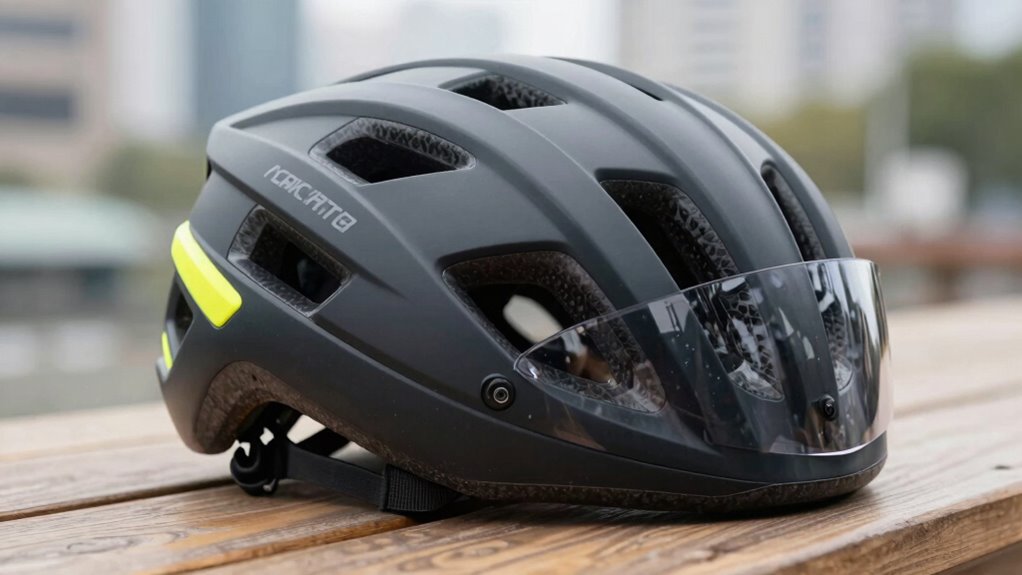

If you choose an e-bike helmet with the NTA 8776 certification, you’re opting for a helmet tested specifically for e-bike impacts, ensuring better safety and reliability. This standard emphasizes impact absorption, strap strength, and durability tailored for higher speeds and crash forces you might encounter. Full-face helmets make sense if you ride fast, on rugged trails, or need extra face protection. To find out how to select the right helmet and when each type makes sense, keep exploring.
Key Takeaways
- NTA 8776 certifies helmets meet strict safety standards specifically for e-bike impacts, ensuring impact resistance, durability, and reliable protection.
- Certification indicates the helmet has undergone rigorous testing tailored for high-impact scenarios common in e-bike crashes.
- Full-face helmets provide superior face and debris protection, especially useful for high-speed or technical e-bike riding.
- Choosing a full-face helmet makes sense for aggressive riding, challenging terrain, or riding at higher speeds for enhanced safety.
- Properly fitted helmets that meet NTA 8776 standards maximize safety, while the choice of helmet type depends on riding style and environment.
What Is the NTA 8776 Standard and Why Is It Important for E‑Bike Helmets?
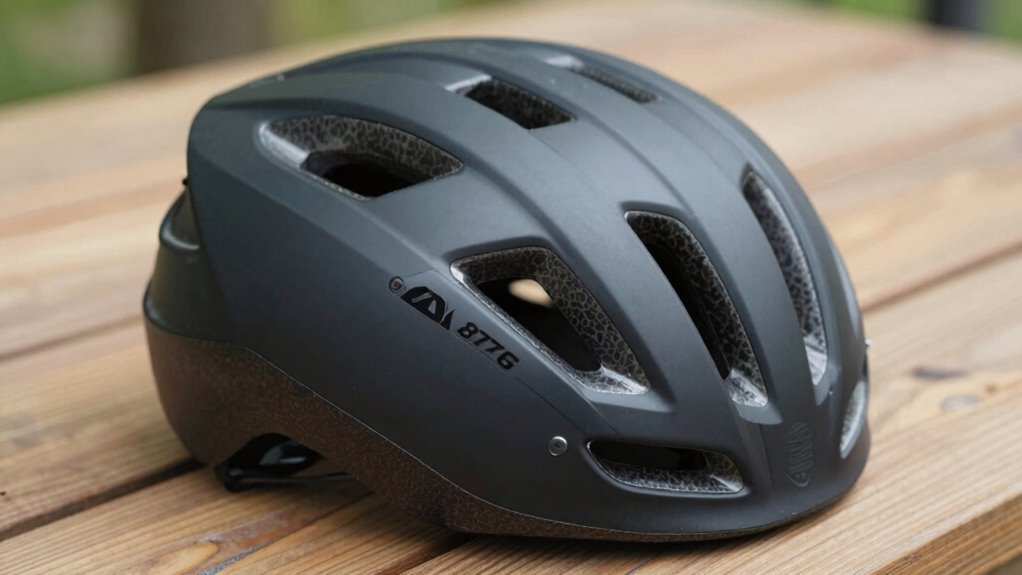
Have you ever wondered what sets e-bike helmets apart in safety standards? The NTA 8776 standard is vital because it ensures helmets meet specific safety criteria tailored for e-bike riders. Free Floating helmets that adhere to this standard are tested for impact resistance, durability, and reliability, offering comprehensive protection. Beyond safety, helmet aesthetics play a significant role—you want something that looks good and matches your style. Reputable brands often prioritize NTA 8776 compliance to uphold their reputation, signaling trustworthiness and quality. When a helmet bears this standard, you know it’s been thoroughly evaluated for performance in real-world scenarios. This certification helps you distinguish between helmets that just look good and those that truly protect you. Choosing a helmet with NTA 8776 certification means you’re opting for safety without sacrificing style or brand credibility. European standards emphasize the importance of rigorous testing to ensure helmet safety and performance. Additionally, adherence to international safety protocols offers added assurance of consistent quality across different markets.
How Does NTA 8776 Certification Improve Helmet Safety and Reliability?
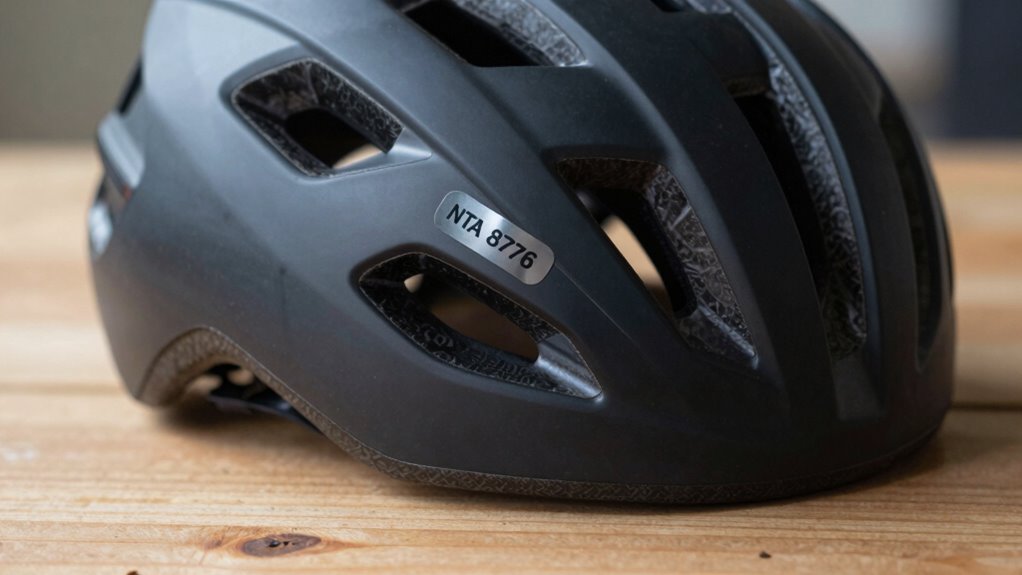
NTA 8776 certification directly enhances helmet safety and reliability by setting strict testing standards that helmets must meet. This ensures the helmet technology used provides consistent protection during impacts, reducing injury risk. The certification emphasizes durability, impact absorption, and strap retention, giving you confidence in the helmet’s performance. It also promotes rider awareness by encouraging manufacturers to prioritize quality and safety features. With NTA 8776, you know the helmet has undergone rigorous testing tailored for e-bike use, which often involves higher speeds and different impact scenarios. This standard helps you make informed decisions, knowing your helmet is built to handle real-world riding conditions and protect you effectively. Additionally, adherence to industry standards ensures ongoing quality control and innovation in helmet design. Moreover, the certification process fosters continuous improvement in helmet safety features, ensuring riders benefit from the latest advancements.
How Does the NTA 8776 Standard Compare to Other Helmet Certifications?
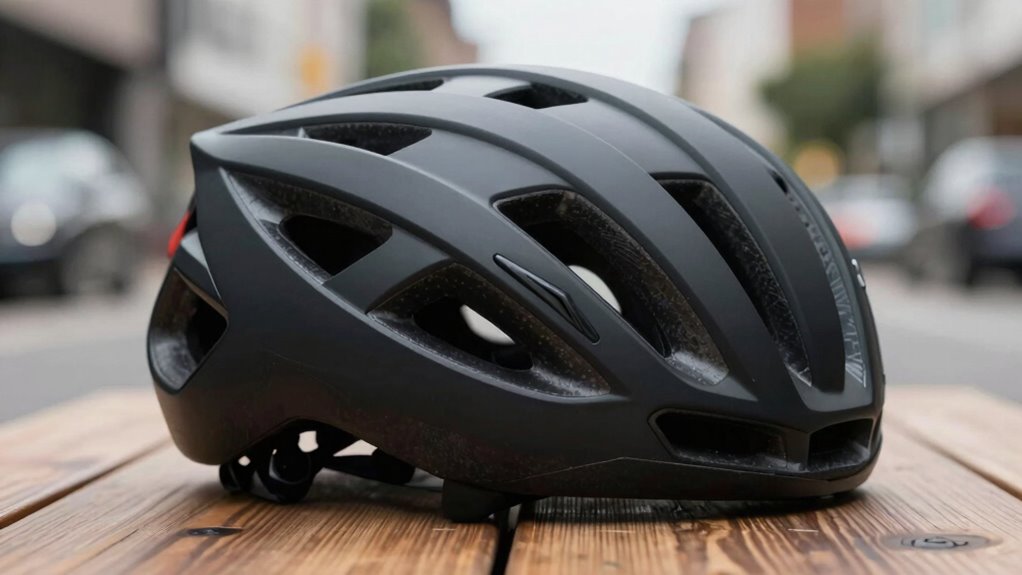
You might wonder how NTA 8776 stacks up against other helmet standards. It’s important to contemplate its certification rigor, scope, and how well it works with existing regulations. Let’s compare what sets NTA 8776 apart and where it overlaps with other certifications. Additionally, understanding the safety standards for helmets can help consumers make more informed choices about their protective gear. For example, the certification process for NTA 8776 involves rigorous testing that ensures helmets meet high safety benchmarks, similar to other recognized standards. Recognizing the testing procedures involved can further clarify the robustness of this certification, and how it aligns with industry safety protocols. Moreover, incorporating sound healing science principles could inform future enhancements in helmet design to improve impact absorption and user comfort.
Certification Rigor and Scope
Compared to other helmet certifications, the NTA 8776 standard emphasizes rigorous testing procedures specifically tailored for e-bike helmets, ensuring they withstand the unique forces encountered during high-impact crashes. This focus enhances helmet design to better protect riders and promotes rider awareness of safety limits. The scope covers impact absorption, penetration resistance, and strap strength, addressing e-bike-specific risks.
| Certification | Testing Focus | Scope |
|---|---|---|
| NTA 8776 | High-impact, penetration, strap | E-bike crash forces |
| DOT | Frontal impact, retention | General motorcycle |
| CPSC | Consumer safety, impact testing | Bicycle helmets |
| EN 1078 | Impact, retention, field of vision | Bicycle, skate, ski helmets |
| Snell | High-velocity impacts | Sports helmets |
Compatibility With Other Standards
While the NTA 8776 standard focuses specifically on the unique demands of e-bike helmets, it also shares common ground with other certifications designed for different types of protective headgear. This compatibility allows you to compare helmets across standards like CPSC, EN 1078, and ASTM, ensuring safety without sacrificing helmet aesthetics. Despite differences in testing protocols, many certified helmets meet comparable safety levels, reinforcing their reliability. When choosing a helmet, your brand reputation and adherence to multiple standards can boost confidence in its protection. Understanding how NTA 8776 aligns with other certifications helps you make informed decisions, especially when considering the helmet’s fit, style, and overall safety features. This compatibility provides reassurance that your helmet offers all-encompassing protection for e-bike riding.
Do You Need a Full-Face Helmet for E‑Bike Riding?
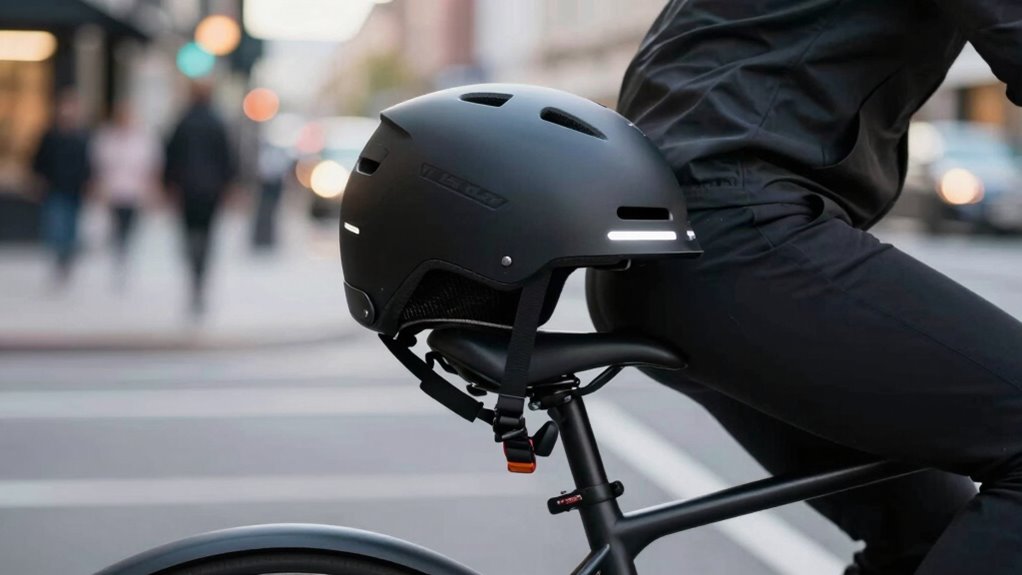
Deciding whether to wear a full-face helmet while riding an e-bike depends on several factors, including your riding style and the terrain. If you often ride at high speeds or on technical trails, a full-face helmet offers better protection, especially considering motorcycle compatibility standards. It shields your face from impacts and debris, reducing injury risk. Additionally, helmet safety standards ensure the helmet provides adequate impact absorption and durability. However, aesthetic considerations matter too; some riders prefer the sleek look of a half or open-face helmet for comfort and style. If safety is your priority and you ride aggressively or on challenging terrain, a full-face helmet makes sense. For casual or city riding, lighter options might suffice. Ultimately, choose a helmet that balances protection, comfort, and your personal preferences. Proper helmet fit is also crucial to ensure maximum safety and comfort while riding.
How to Choose the Best Helmet for Your Riding Style and Conditions
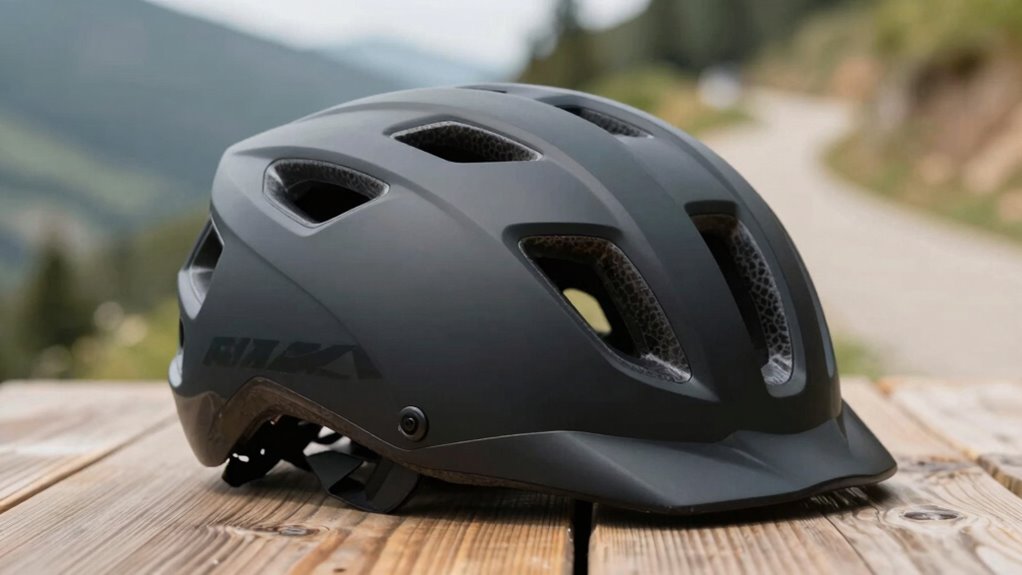
Choosing the right helmet depends on factors like material, ventilation, and safety standards that match your riding style and conditions. You want a helmet that’s durable, comfortable, and certified for safety. Let’s explore how these points can help you make the best choice.
Helmet Material Choices
Selecting the right helmet material depends on your riding style and the conditions you face daily. Your choice impacts helmet design, comfort, and durability. For rugged rides, look for high-material durability like polycarbonate or fiberglass shells that resist impacts. If weight matters, consider lightweight materials such as carbon fiber for better comfort without sacrificing safety. Helmets with durable shells ensure longevity and protection, especially on rough terrains. Conversely, softer foams may be suitable for casual riding but offer less impact resistance. The key is balancing helmet design with material properties to suit your needs. Additionally, understanding helmet safety standards can help ensure your helmet provides the necessary protection. Material properties play a crucial role in how well a helmet performs during an impact. Considering impact absorption qualities can help you choose a helmet that effectively protects you in a crash. Moreover, selecting a helmet with appropriate ventilation features can significantly enhance comfort during long rides or in hot weather.
Ventilation and Comfort
When it comes to your riding comfort, ventilation plays a crucial role in keeping you cool and preventing sweat buildup, especially during long or intense rides. Good ventilation comfort depends on an effective airflow design that channels air through strategic vents, reducing heat and moisture inside the helmet. Look for helmets with well-placed intake and exhaust vents that maximize airflow without compromising safety. The helmet’s vent configuration directly impacts how well you stay comfortable, especially in warmer conditions or during vigorous pedaling. A helmet with optimized airflow design allows fresh air to circulate, helping you stay focused and less distracted by discomfort. Proper ventilation also contributes to client satisfaction by enhancing overall riding experience, which is essential for maintaining a loyal customer base. Additionally, well-designed ventilation systems can help meet safety standards such as NTA 8776, which emphasizes performance and safety features in helmet design. Incorporating advanced ventilation features is especially important in electric bikes, which can generate more heat during prolonged use. Proper ventilation ensures your ride remains enjoyable, no matter the weather or terrain. Proper ventilation is also essential for maintaining overall helmet safety and performance, as it helps prevent overheating of internal components and reduces fatigue.
Safety Certification Standards
Ensuring your helmet meets proper safety standards is essential for protecting yourself during every ride. Look for certifications like NTA 8776, which indicate compliance with rigorous safety tests for e-bike helmets. These standards guarantee your helmet can absorb impacts and reduce injury risk effectively. When choosing a helmet, consider its weight—lighter helmets tend to be more comfortable for longer rides, reducing fatigue. Safety isn’t the only factor; color options also matter. Bright or highly visible colors can improve your visibility on the road, enhancing safety. Make sure the helmet fits well and meets the necessary certification standards, so you’re protected without sacrificing comfort or style. Proper certification and thoughtful features help you select the best helmet for your riding style and conditions.
Tips to Properly Fit Your Helmet and Verify Safety Standards
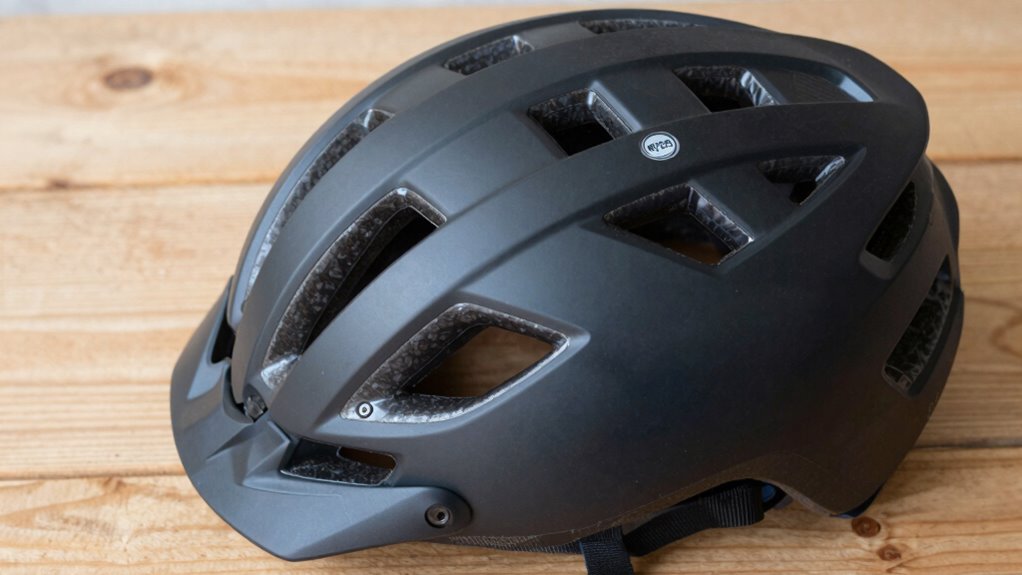
To make sure your helmet provides ideal protection, you need to fit it correctly and check that it meets safety standards. Start by ensuring a snug helmet fit—your helmet should sit level on your head, covering your forehead without tilting back. Use the table below to verify key safety aspects:
| Fit Check | What to Look For | Why It Matters |
|---|---|---|
| Snug but comfortable | No gaps or pressure points | Prevents shifting during impact |
| Proper chin strap | Tight but not choking | Keeps helmet secure during falls |
| Certification labels | NTA 8776 or other recognized standards | Ensures safety verification |
Always double-check your helmet fit and verify safety standards before riding. Additionally, choosing a helmet that meets recognized safety standards like NTA 8776 ensures reliable protection. When selecting a helmet, consider comfort and fit as well, since even a certified helmet won’t protect you effectively if it doesn’t fit properly. Remember that helmet maintenance is important to ensure continued safety over time.
Future Trends in E‑Bike Helmet Safety and Certification Standards
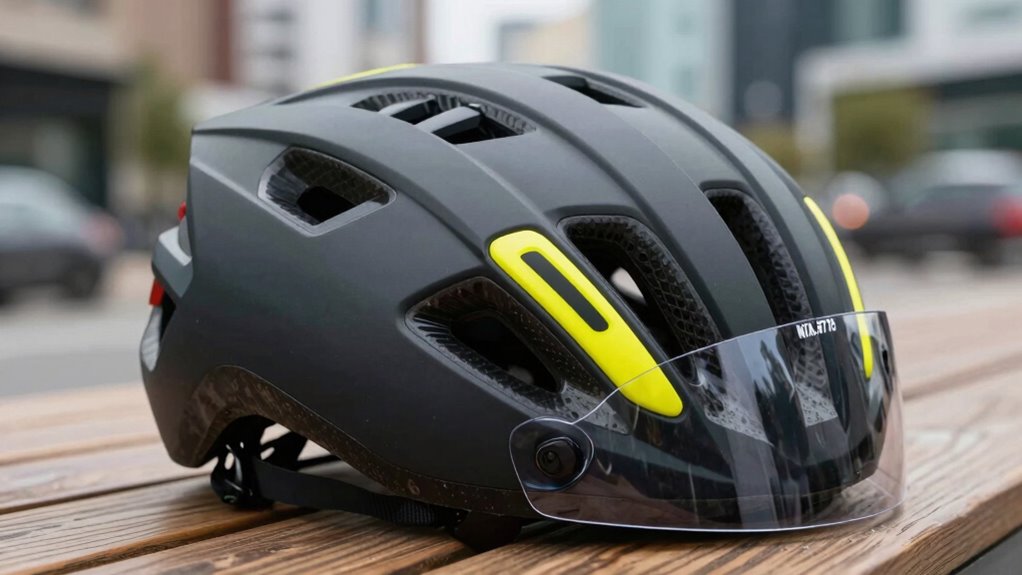
As e-bike technology advances, safety and certification standards are poised to evolve rapidly to keep pace with new designs and rider behavior. Expect helmet technology to incorporate smarter materials, enhanced impact absorption, and integrated communication or lighting features. Standards will likely become more rigorous to address diverse riding styles, including urban commuting and off-road adventures. As rider behavior shifts toward higher speeds and longer rides, certification processes will emphasize increased protection and durability. Future trends may also include real-world testing protocols that better reflect actual crash scenarios. Additionally, smart helmet features such as integrated sensors and connectivity will likely play a role in future standards, further enhancing rider safety. These evolving standards will help ensure helmets continue to meet the demands of diverse riding environments and rider safety expectations, encouraging riders to prioritize proper gear and responsible riding habits.
Frequently Asked Questions
Are NTA 8776 Helmets Legal in All Countries?
NTA 8776 helmets aren’t legal in all countries because helmet manufacturing must meet specific international standards. While some countries recognize and accept NTA 8776 as a valid certification, others rely on their own national safety regulations. You should always check your local laws before riding. If your country accepts NTA 8776 helmets, you can confidently wear them, but in places without clear recognition, choose helmets approved by local authorities to stay compliant.
How Often Should I Replace My NTA 8776 Helmet?
Ever wondered how often you should replace your NTA 8776 helmet? To keep your helmet’s certification valid, you should replace it every 3 to 5 years, depending on usage and helmet maintenance. Over time, the materials degrade and may not protect you as well. Regularly check for cracks, dents, or frayed straps—if you notice any, it’s time for a new helmet to guarantee maximum safety.
Can I Ride an E-Bike Without a Helmet?
You shouldn’t ride your e-bike without a helmet, as helmet laws and safety regulations typically require it. Wearing a helmet protects your head in case of falls or accidents and helps you stay compliant with local laws. Even if it’s not legally mandated everywhere, it’s always safer to wear one. Prioritizing safety guarantees you enjoy your ride while minimizing injury risks, especially on busy or challenging routes.
What Features Distinguish Full-Face Helmets From Others?
Full-face helmets stand out with their all-encompassing coverage, including a chin guard, providing extra protection. They typically feature enhanced visor visibility, giving you a wide, clear view, and a ventilation design that balances airflow while keeping you cool. This makes them ideal for higher-speed rides or rough terrains where maximum safety matters most. You’ll notice they offer better protection and comfort compared to open-face or half helmets, especially on challenging e-bike adventures.
Is There a Price Difference Between Certified and Non-Certified Helmets?
Did you know certified helmets are typically about 20-30% more expensive than non-certified ones? This price difference reflects strict safety standards that guarantee better impact protection. The cost comparison shows that investing in a helmet meeting safety standards, like NTA 8776, can markedly improve your safety. While non-certified helmets may be cheaper, they often don’t provide the same level of protection, making certified helmets a smarter choice for safety.
Conclusion
Choosing the right helmet with NTA 8776 certification keeps you safe and confident on your e-bike adventures. Don’t settle for outdated standards from the days of the Knights Templar—modern safety standards evolve, so stay informed. A full-face helmet might seem overkill now, but as technology advances, you’ll want the best protection, much like a knight’s armor. Prioritize proper fit and certification to ride safely into the future, no matter what century it is.