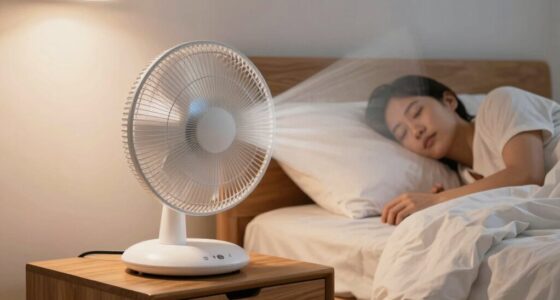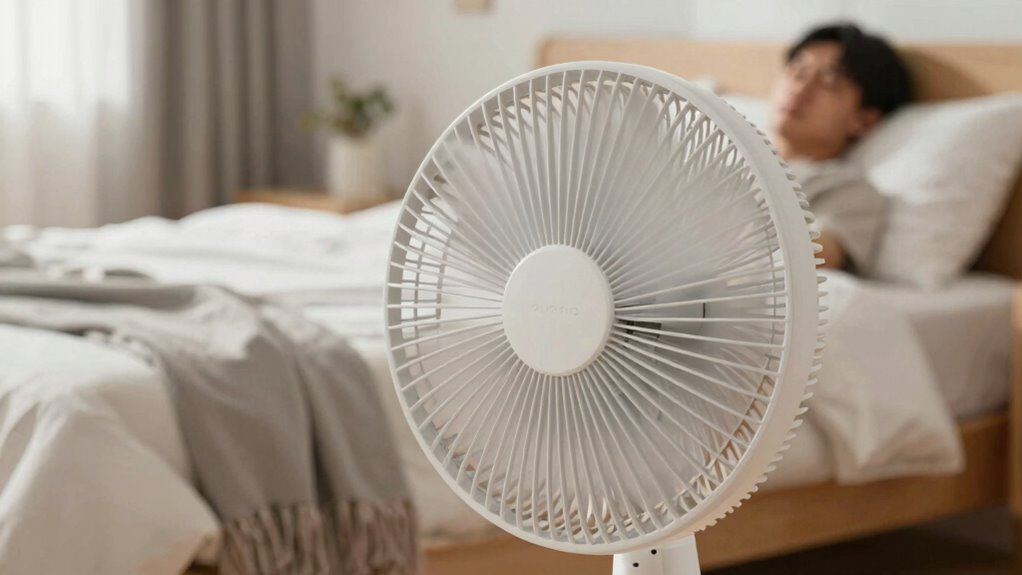

Fan white noise helps some people by creating a consistent, calming sound that masks disruptive noises and promotes relaxation, making it easier to sleep or focus. However, others find it irritating or distracting due to differences in sensory sensitivity or the fan’s volume, pitch, or irregular sounds. If you want to understand why it affects you differently and how to make it work best, there’s more you can explore.
Key Takeaways
- Fan white noise creates a consistent, masking sound that promotes relaxation and sleep for many individuals.
- Sensory sensitivities and personal preferences influence whether fan noise is soothing or irritating.
- The volume, pitch, and stability of fan sounds affect their effectiveness and potential to cause distraction.
- External environment and individual brain processing determine how fan white noise is perceived and tolerated.
- Adjustments like fan speed, alternative sound sources, or white noise apps can optimize comfort and minimize annoyance.
What Does Fan White Noise Sound Like?
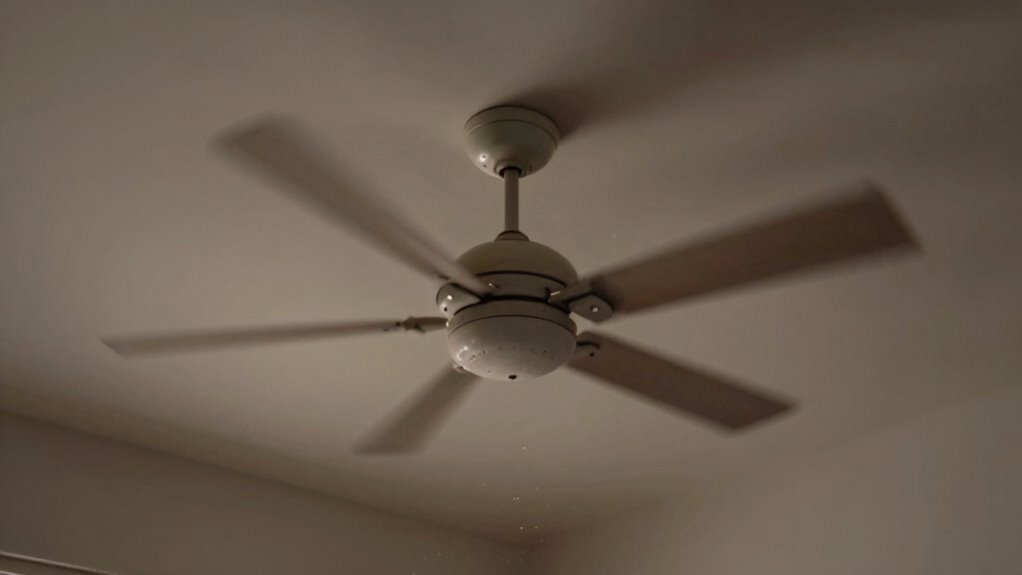
Fan white noise produces a steady, consistent hum that many find soothing or masking other sounds. The sound primarily comes from the fan motor, which runs smoothly to create a constant background noise. As the motor operates, it generates a gentle airflow sound, often described as a soft whooshing or humming. This airflow sound varies slightly with the fan’s speed but remains relatively uniform. The pitch of the white noise depends on the fan’s design and speed, ranging from a low, calming drone to a higher, more perceptible hum. The overall effect is a uniform sound that fills the space, providing a calming background or masking more disruptive noises. This consistent tone is what makes fan white noise so recognizable and widely used. Additionally, the motor’s operation influences the smoothness and steadiness of the sound, contributing to its calming properties. The airflow pattern also impacts how soothing or noticeable the noise feels to different listeners. Sometimes, fan blade design can also affect the quality and consistency of the white noise produced, making some fans sound more uniform than others. Moreover, the materials used in manufacturing can influence the overall sound quality, with certain materials dampening vibrations and reducing noise irregularities. Improved sound dampening materials can enhance the calming effect by minimizing irregular noises and vibrations.
Why Do Some People Find Fan White Noise Soothing?
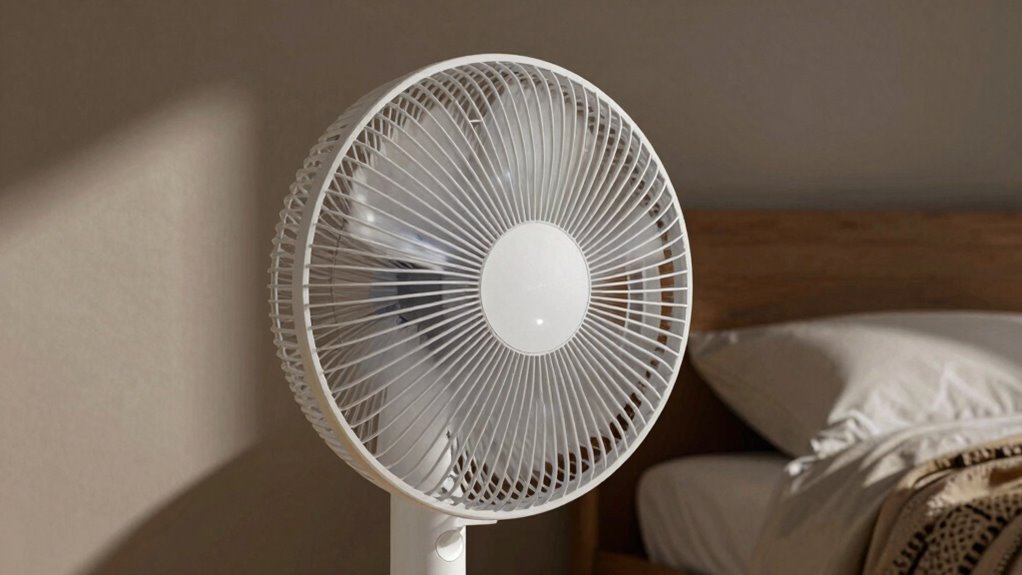
Many people find fan white noise soothing because it creates a stable, predictable sound environment that helps block out sudden or disruptive noises. This consistency provides a calming effect, making it easier to relax or fall asleep. Your brain appreciates the uniformity of fan noise, which reduces the need to process unfamiliar sounds. Additionally, the presence of white noise can mimic the all-including ambiance of natural environments, further enhancing its relaxing qualities. Proper air purifier maintenance ensures the environment remains clean and free of additional irritants, which can contribute to overall comfort while sleeping or relaxing. Maintaining a well-functioning fan or air purifier helps sustain the consistent sound environment that many find beneficial. Furthermore, some individuals find that the mechanical noise of fans helps drown out other background sounds, increasing their sense of tranquility. For some, this background noise even stimulates a sense of security, similar to white noise machines designed specifically for sleep.
What Factors Make Fan White Noise Annoying or Distracting?
Your experience with fan white noise depends heavily on volume and intensity; louder sounds can become overwhelming or distracting. Additionally, your personal sensitivity varies—what’s soothing for one person might be irritating for another. Understanding these factors helps explain why white noise from fans can sometimes be more annoying than helpful. For some, exposure to precious metal investments can influence their perception of noise, as a calm and stable environment is often linked to better decision-making. Moreover, individual differences in sensory processing can significantly affect how one perceives white noise, making it either a helpful aid or a source of annoyance. Recognizing the role of sound frequency can also help identify why certain fan noises are more bothersome than others, especially when combined with the acoustic properties of a room. External factors such as ambient noise levels can further influence whether the fan’s white noise becomes beneficial or disruptive.
Volume Levels and Intensity
Even when white noise from fans is generally soothing, certain volume levels and intensities can make it downright irritating or distracting. When the fan’s sound isn’t consistent, it disrupts your focus and reduces its effectiveness as sound masking. High volume levels can become overwhelming, causing discomfort or even headaches. Conversely, too low a volume might not provide enough masking, making background noises more noticeable. To avoid these issues, aim for a steady, moderate volume that maintains volume consistency. Consider these factors: 1. Keep the volume at a level that blends into the background without overpowering your environment. 2. Ensure the sound remains steady, avoiding sudden spikes or drops. 3. Use a fan that produces a uniform sound intensity to improve sound masking and reduce distractions. Additionally, understanding the sound frequency can help you select the most effective fan noise for your needs. Incorporating sound profile analysis can further optimize your choice for comfort and effectiveness. Recognizing the personality traits associated with sound sensitivities can also assist in choosing the right fan noise settings for your personal comfort. Moreover, selecting a fan with adjustable settings allows for better customization to match your specific noise sensitivity levels.
Personal Sensitivity Differences
While maintaining a steady and moderate volume helps guarantee fan white noise remains effective and unobtrusive, individual responses can vary widely. Your sensory sensitivity plays a big role in how you perceive the noise; some people are highly sensitive and find even gentle hums distracting or irritating. Noise tolerance also differs—what might be soothing for one person could be overwhelming for another. If you have heightened sensory sensitivity, you may notice subtle sounds more acutely, making fan noise feel intrusive. Conversely, those with lower sensitivity or higher noise tolerance often find white noise calming and unobtrusive. Understanding your personal sensitivity helps you decide whether a fan provides a helpful background or becomes an annoying distraction. Additionally, individual differences in sensory processing can influence how people respond to environmental sounds like fan white noise, highlighting the importance of sensory processing in personal sound perception. Recognizing these sensory sensitivities can help you customize your environment for maximum comfort and focus.
How Do Sensory and Brain Differences Affect Noise Perception?
Your sensory processing varies, so some sounds may feel overwhelming or barely noticeable. Your brain also filters noise differently, which can make certain sounds more distracting or easier to ignore. Understanding these differences helps explain why fan noise affects people in unique ways. Additionally, individual differences in sensory processing can influence how one perceives and reacts to ambient sounds like fan noise. Variations in ear wax odor perception might also subtly impact how we experience certain sounds and environmental cues. Recognizing these individual sensory differences can help tailor strategies for managing noise sensitivities effectively, especially considering how brain filtering mechanisms play a role in shaping our auditory experiences. Moreover, research indicates that neural plasticity may allow some individuals to adapt to persistent noises over time, reducing their impact.
Sensory Processing Variability
Sensory processing variability means that people perceive and respond to sounds differently based on how their brains interpret sensory information. Your brain’s ability to process sensory input, known as sensory integration, influences whether you find white noise calming or overwhelming. This variability explains why some individuals experience high noise sensitivity, making certain sounds intolerable, while others barely notice them.
Here are three key points:
- People with efficient sensory integration often handle background noise better.
- Those with heightened noise sensitivity may find fans disruptive or stressful.
- Brain differences determine how your nervous system filters or amplifies sounds, affecting your comfort and focus.
Understanding this variability helps explain why white noise can be soothing for some and irritating for others.
Brain’s Noise Filtering
The way your brain filters out or amplifies sounds shapes how you perceive noise like fans. Your auditory perception relies on cognitive filtering, which determines whether you notice or tune out background sounds. Some brains are highly attuned, making fans feel intrusive or overwhelming, while others filter noise efficiently, allowing fans to blend into the background. Variations in neural pathways affect how your brain manages sensory input, influencing your comfort level. If your cognitive filtering is less effective, you might find fan noise distracting or annoying. Conversely, strong filtering can help you ignore constant sounds, creating a calming environment. Understanding these differences explains why some people seek white noise for focus or sleep, while others find it disruptive or irritating.
Can Fan White Noise Improve Sleep and Focus?
Have you ever wondered if white noise from a fan can actually boost your sleep or help you concentrate? The answer is yes for many people. Fan noise creates a consistent background sound that masks sudden noises, improving sleep quality and focus. Here’s how it helps:
- It reduces disruptions by covering up startling sounds.
- It promotes relaxation, making it easier to fall asleep.
- It enhances concentration by minimizing distracting noises.
When Does Fan White Noise Cause Discomfort or Distraction?
While white noise from a fan can enhance sleep and focus for many, it’s not always beneficial. Sometimes, the fan sound’s fan frequency becomes too high or too low, causing discomfort or distraction. If the fan produces a constant, high-pitched whine, it can irritate your ears or trigger headaches. Conversely, if the fan’s sound fluctuates unpredictably, it might pull your attention away from tasks or disturb your sleep. People sensitive to specific fan frequencies may find the noise overwhelming, especially if the sound is too loud or persistent. In these cases, the fan white noise shifts from a helpful background to a source of annoyance. Recognizing your sensitivity to particular fan sounds can help you decide when to adjust or remove the noise.
How Can You Adjust Fan Settings or Use Devices to Optimize White Noise?
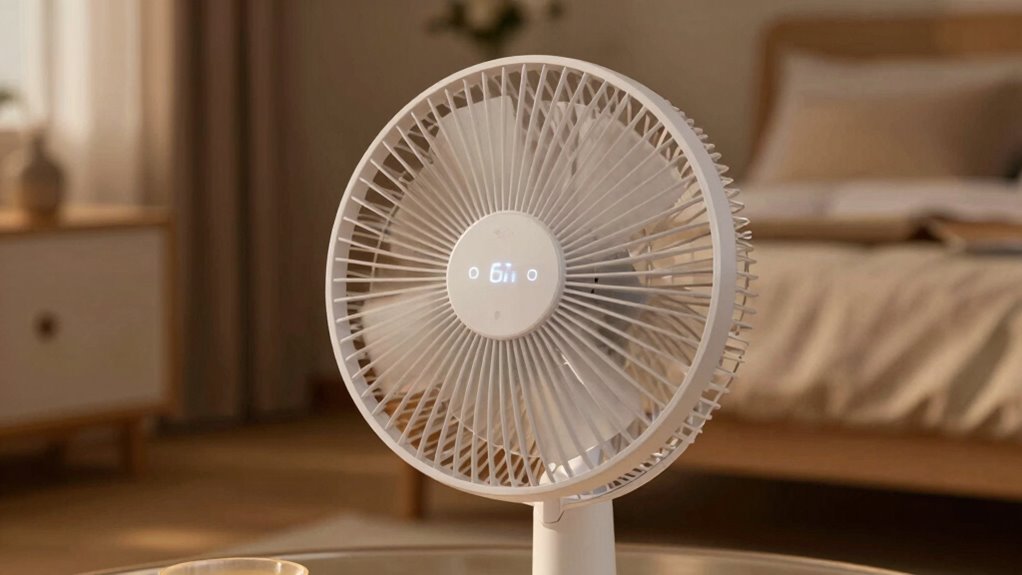
Adjusting fan settings or using additional devices can substantially improve your white noise experience. To optimize, start with these steps:
Improve your white noise by adjusting fan speeds and adding dedicated sound devices for a more soothing sleep.
- Adjust fan speed – find a setting that produces a consistent, soothing sound without being too loud or harsh.
- Modify device settings – if your fan has oscillation or timer options, experiment with them to create a steady noise pattern that helps you relax.
- Use white noise machines or apps – supplement or replace fan noise with devices designed for consistent sound delivery, ensuring minimal variation and distraction.
What Are the Best Alternatives to Fan White Noise for Sleep and Concentration?
If fan noise doesn’t suit your preferences or you’re seeking a more consistent sound environment, several alternatives can help you achieve better sleep and focus. Many white noise myths suggest that only fans produce effective background sounds, but options like dedicated white noise machines offer more consistent and customizable soundscapes. These devices utilize fan noise technology but eliminate the variability and unpredictability of actual fans, providing a steady, soothing background. Alternatively, apps and streaming services offer a variety of sounds, from rainfall to nature sounds, which can be just as effective. These options allow you to customize volume and tone, making them ideal for those sensitive to fan noise or seeking a more controlled experience.
Tips for Managing Fan Noise Sensitivities and Making It Comfortable
Managing fan noise sensitivities can be challenging, but implementing simple strategies can make the experience more comfortable. First, consider proper fan placement; position fans away from your ears or face to reduce direct noise. Second, guarantee fan maintenance—clean blades and motor parts regularly to prevent rattling or excessive noise. Third, experiment with different fan speeds or oscillation settings to find a quieter, more tolerable level. Using a fan cover or adding sound-absorbing materials around the fan can also help dampen noise. These small adjustments can make a significant difference in creating a more peaceful environment, especially if you’re sensitive to fan noise. By taking care of your fan’s placement and maintenance, you can enjoy the white noise benefits without the annoyance.
Frequently Asked Questions
Can Fan White Noise Cause Hearing Damage Over Time?
Fan white noise generally won’t cause ear damage or harm your hearing health if kept at a normal volume. However, listening to loud white noise for extended periods can risk ear damage over time. You should avoid very loud fan sounds, especially close to your ears, to protect your hearing. Keep the volume at a safe level and take breaks to maintain good ear health and prevent potential hearing issues.
What Types of Fans Produce the Most Consistent White Noise?
You’ll find that box fans and tower fans produce the most consistent white noise because their fan frequency remains steady, creating uniform noise. These fans often have adjustable speed settings, helping you control noise consistency better. Look for fans with a smooth motor operation, as they generate fewer fluctuations in sound. This stability makes them ideal for white noise, helping you focus or relax without sudden or uneven sounds disrupting your environment.
Does Fan Noise Impact Certain Medical Conditions Differently?
Imagine you’re in a sci-fi movie where fan noise influences your medical response. Fan noise can impact certain medical conditions differently; for example, it may soothe anxiety in some but trigger discomfort in others. People with sensory sensitivities, like those with autism or PTSD, might find fan noise either calming or overwhelming. You should consider these individual responses, as they can markedly affect your comfort and health.
Are There Specific Fan Designs That Minimize Annoyance?
Yes, there are quiet fan designs that minimize annoyance. Look for fans with noise reducing features like insulated motors, aerodynamic blades, and sound-dampening housings. These designs operate more quietly while still providing effective airflow. Opt for models labeled as “quiet fans” or with sound ratings specified in decibels. By choosing fans with these features, you can enjoy the benefits of white noise without the disruptive noise that bothers you.
How Does Ambient Room Noise Influence Fan White Noise Perception?
Ambient room noise influences your perception of fan white noise by either enhancing or masking it. When background acoustics are noisy, fan sounds become less noticeable, acting as sound masking that can promote relaxation. Conversely, in a quiet environment, the fan’s white noise stands out more, which might annoy you. Adjusting the ambient noise levels helps control how you experience fan white noise, making it more soothing or less intrusive.
Conclusion
Ultimately, whether fan white noise helps or hinders you depends on your unique sensory makeup. By understanding what your ears and brain prefer, you can create a cozy, distraction-free environment. Isn’t it worth exploring different sounds and settings to find your perfect balance? After all, your comfort and focus are worth the effort—so why not make your space as soothing and peaceful as you can?