
To shoot smooth, professional real estate drone videos safely, plan thoroughly by reviewing your equipment, weather, and flight environment beforehand. Map out your flight paths, avoiding obstacles and risky maneuvers, using planning apps to visualize angles and routes. Choose camera angles that highlight property features while maintaining safe distances. Always check your gear and environment, follow safety protocols, and stay within battery limits. Keep these tips in mind to get impressive shots without risking accidents, and learn more below.
Key Takeaways
- Map out safe, obstacle-free flight routes and angles before filming to ensure smooth transitions.
- Use planned, stable maneuvers like orbital or linear paths to avoid abrupt or risky movements.
- Conduct thorough pre-flight safety checks and environmental assessments to minimize hazards during shots.
- Maintain safe distances from structures, power lines, and people to prevent accidents and ensure fluid footage.
- Review footage and drone performance post-flight to confirm smoothness and address any safety concerns.
Why Planning Is Key to Safe, Professional Real Estate Drone Videos
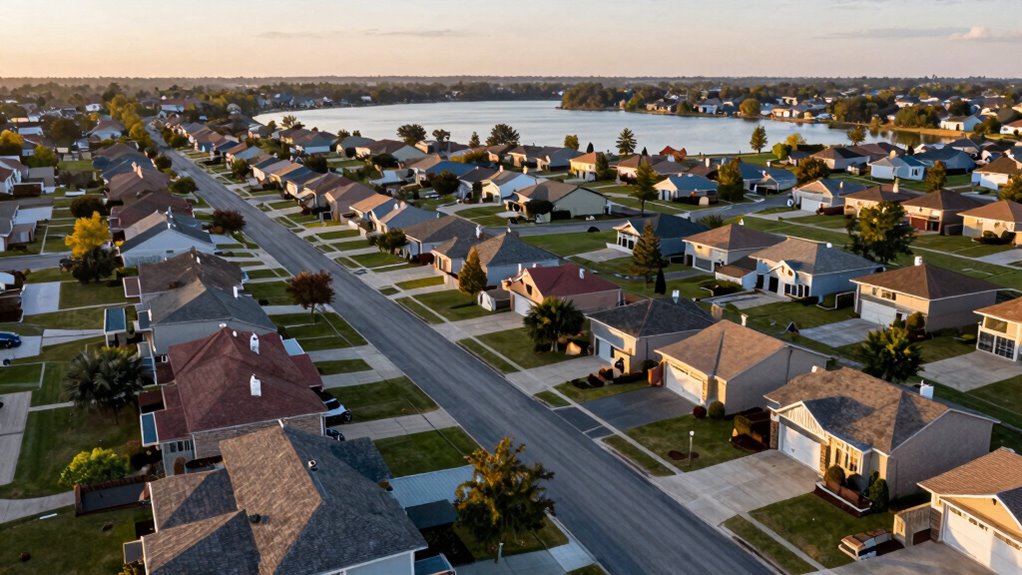
Planning is essential for creating safe and professional real estate drone videos because it helps you identify potential obstacles and determine the best shots beforehand. Regular drone maintenance ensures your equipment functions smoothly, reducing the risk of malfunctions during flights. Checking your drone’s batteries, propellers, and sensors beforehand prevents unexpected issues that could compromise safety or footage quality. Weather considerations are equally vital; high winds, rain, or fog can make flying dangerous or impact image clarity. By planning ahead, you can choose ideal weather windows and avoid risky conditions. Proper planning minimizes surprises, keeps you safe, and guarantees your footage looks polished. Taking the time to prepare with drone maintenance and weather checks sets a solid foundation for professional, worry‑free real estate drone videos. Additionally, utilizing European cloud infrastructure can enhance data security and streamline your footage storage and processing workflows. Incorporating comprehensive pre-flight checklists can further ensure that all safety and technical aspects are addressed before each flight. Also, understanding drone navigation and mapping techniques can help you execute complex shots more confidently and accurately. Being aware of environmental factors like terrain and obstacles can further prevent accidents and improve shot quality. Investing in environmental awareness training can also help you adapt quickly to changing conditions and enhance safety during flights.
Check Your Gear and Environment Before Flying
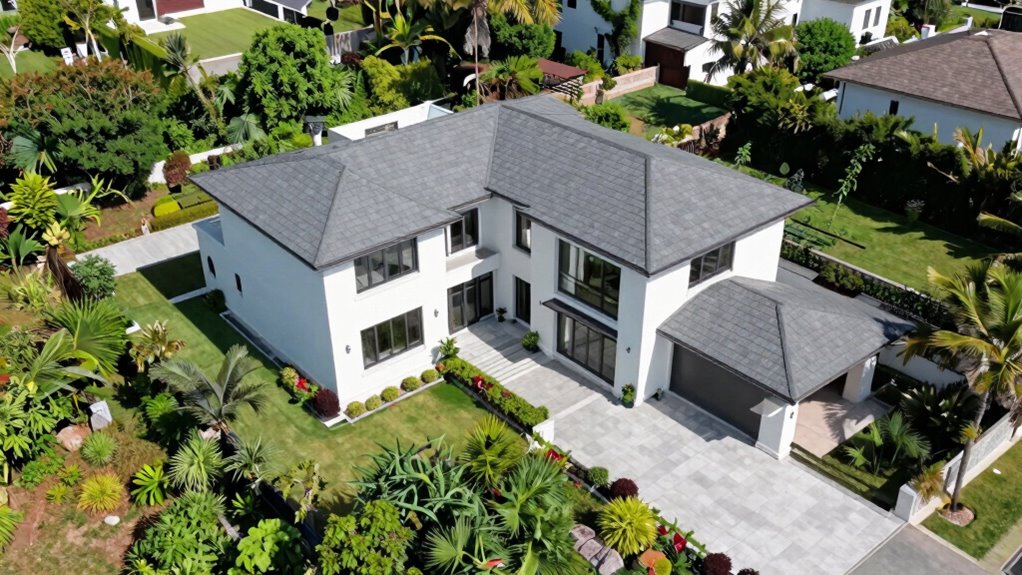
Before every flight, you need to thoroughly check your gear and environment to guarantee safety and peak performance. First, assess the weather conditions—strong winds, rain, or fog can jeopardize your flight. Second, inspect your drone’s battery management; ensure batteries are fully charged and in good condition to avoid mid-flight power loss. Third, examine your surroundings for obstacles like trees, poles, or power lines that could interfere with your shots. Double-check your equipment for any damages or loose parts. Confirm your drone’s GPS signal is strong, and calibrate sensors if needed. Additionally, consider the color accuracy that could affect your ability to respond quickly during flight, especially in noisy environments. Furthermore, pay attention to environmental conditions such as temperature or lighting that could impact your drone’s performance. Being aware of visual cues helps detect potential issues early and ensures safer operation. Also, reviewing flight planning strategies beforehand can help prevent surprises during your shoot. By following these steps, you minimize risks and set yourself up for smooth, professional shots without unexpected interruptions or hazards.
How to Choose Shots That Highlight Property Features Safely
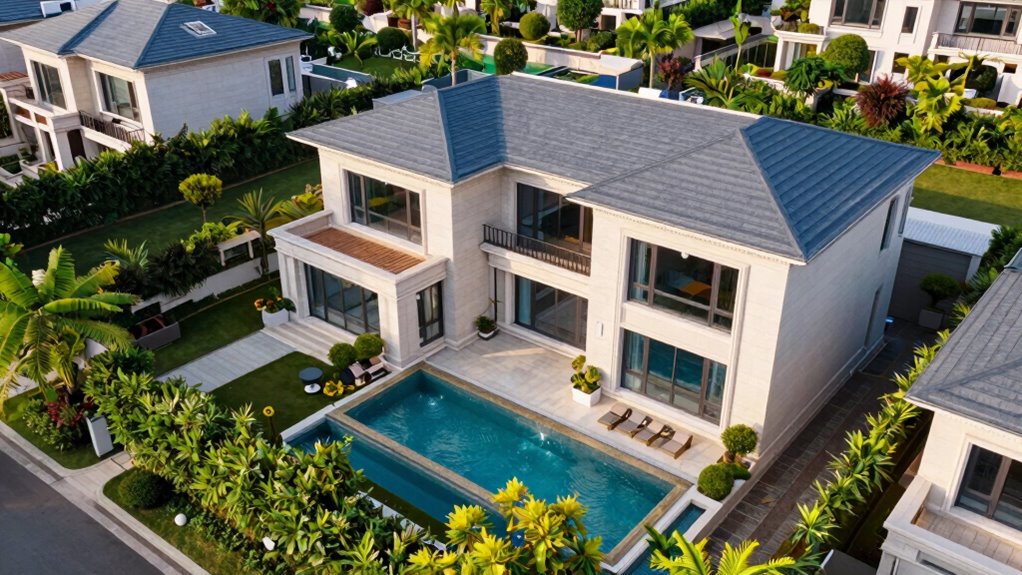
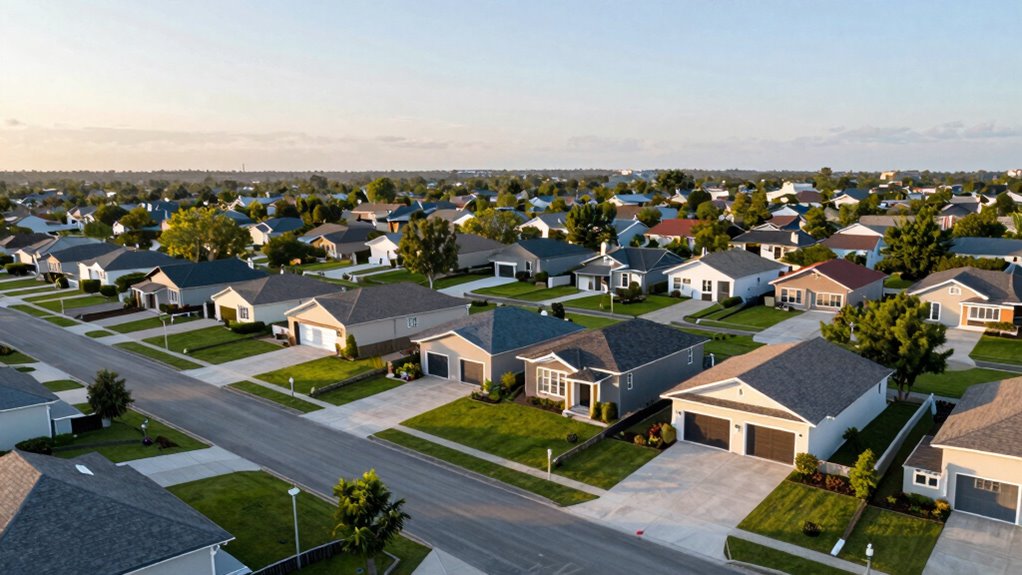
To showcase a property’s best features safely, you need to strategically select shots that emphasize its unique aspects without risking your equipment or violating safety guidelines. Use creative shot techniques like smooth orbitals, vertical descents, or high-angle panoramas to highlight key property features. Focus on property feature highlights that draw attention to architectural details, outdoor spaces, or unique landscaping. Always plan your shots to avoid close proximity to structures or power lines, maintaining safe distances throughout. Keep movements controlled and steady, avoiding abrupt or risky maneuvers. Proper planning involves risk assessment, ensuring you identify potential hazards before filming begins. Additionally, understanding safe drone operation practices helps prevent accidents and equipment damage. Being familiar with emergency procedures can also be crucial in unexpected situations. Regularly reviewing regulatory guidelines ensures compliance and safe operation during your shoots. By choosing the right angles and techniques, you can create compelling visuals that showcase the property effectively while ensuring safety and avoiding unnecessary hazards. Proper planning and adherence to safety protocols are essential for successful drone videography.
Planning Your Drone Flight Path for Real Estate Shoots

Have you ever wondered how to guarantee your drone footage captures a property’s best features seamlessly? Planning your flight path is key. First, assess the weather conditions to avoid wind or rain that can disrupt shots. Next, map out a route that maximizes property visibility while minimizing flight time to conserve drone battery management. Finally, identify safe takeoff and landing zones to prevent accidents. Consider the following: 1. Choose a path that covers main angles efficiently. 2. Keep flight segments within your drone’s battery limits. 3. Adjust your path based on weather updates to ensure stability. Additionally, understanding flight safety protocols is essential to prevent accidents and ensure a smooth shoot. Incorporating pre-flight planning can help anticipate potential issues and enhance overall safety. Being aware of battery management strategies further ensures your drone remains operational throughout the shoot. Moreover, implementing real-time monitoring can help you adapt quickly to changing conditions and maintain shot quality.
Use Planning Apps to Visualize and Map Your Drone Shots
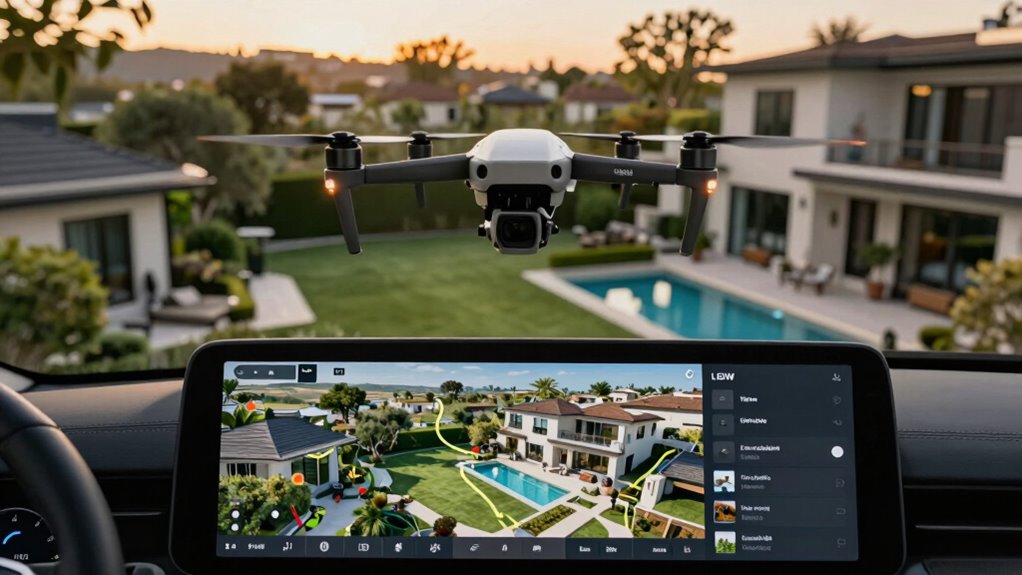
Using planning apps to visualize and map your drone shots can considerably improve your real estate footage. These mapping tools allow you to create detailed flight plans and preview shot visualization before taking off. By inputting property coordinates and desired angles, you can see exactly how your footage will look, helping you identify the best routes and camera positions. Planning apps also help you avoid obstacles and guarantee smooth transitions between shots. With accurate mapping, you gain confidence in your flight path, reducing risks and last-minute adjustments. This proactive approach streamlines your shoot, saves time, and enhances the quality of your footage. Incorporating firewood mastery techniques can also help you stay organized and safe during your shoots, ensuring a more mindful and efficient process.
Pick Safe Camera Angles to Capture Property Details
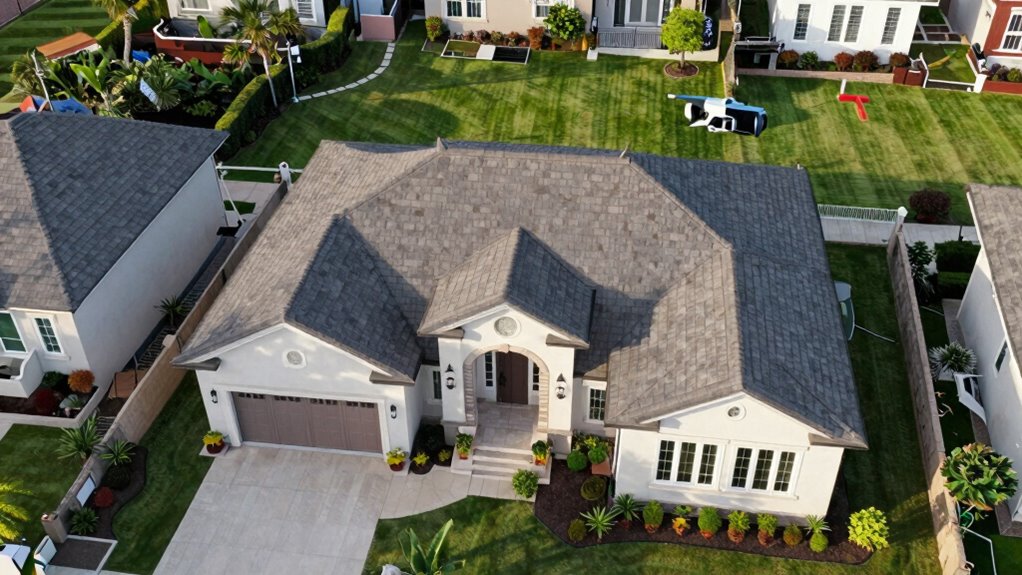
Choosing the right camera angles is essential for capturing property details safely and effectively. To avoid risky maneuvers, focus on angles that showcase key features without putting you in danger. For example:
- Use a bird’s eye view to highlight the property’s overall layout, which can be achieved from a stable drone height. This perspective minimizes the need for complex flying and ensures safety. Incorporating flight planning can help identify optimal angles and trajectories before filming.
- Capture interior angles by flying smoothly along hallways or rooms, emphasizing details like moldings or fixtures.
- Get close-up shots from safe distances to highlight unique features, ensuring your drone maintains stability.
- Always consider safe installation practices to prevent accidents and protect your equipment during filming.
- Regular maintenance and proper drone safety protocols can help reduce risks during your shoots, ensuring both safety and quality.
- Incorporating water-resistant equipment can be beneficial if filming in humid or rainy conditions, reducing the risk of damage.
Tips for Flying Safely and Getting Great Real Estate Footage

Before flying, make sure to perform thorough safety checks on your drone to prevent issues. Plan your flight path carefully to capture the best angles without risking obstacles or violations. Always keep safe distances from people, structures, and other aircraft to guarantee a smooth and secure shoot. Incorporating smart contract technology can also help automate safety protocols during your flight. Additionally, understanding creative storytelling techniques can help you craft more engaging footage that effectively highlights the property’s best features.
Pre-Flight Safety Checks
Ensuring your drone is properly prepared before takeoff is essential for both safety and capturing stunning real estate footage. Start by checking weather considerations—avoid flying in rain, high winds, or fog, which can compromise control and footage quality. Next, verify that you have all necessary legal permits for your location to avoid fines or shutdowns. Finally, conduct a quick pre-flight checklist:
- Inspect the drone’s batteries and ensure they’re fully charged.
- Confirm the camera and gimbal are functioning properly.
- Review your flight area for obstacles, power lines, or restricted zones.
Doing these safety checks helps prevent accidents, guarantees legal compliance, and assures you get the best footage without risking your equipment or safety.
Optimal Flight Path Planning
Planning your drone’s flight path carefully can make all the difference in capturing stunning real estate footage while keeping your operation safe. Map out a route that minimizes risky aerial maneuvers and considers weather conditions like wind or rain. Check for obstacles such as trees, power lines, or buildings that could interfere with your shot. Use a logical sequence to guarantee smooth transitions and avoid sudden movements. Weather considerations are essential—avoid flying in high winds or storms that can destabilize your drone. Here’s a helpful visualization:
| Path Type | Benefits | Weather Considerations |
|---|---|---|
| Circular | Consistent framing | Windier conditions may cause drift |
| Linear | Clear shot of property | Avoid rain or fog |
| Diagonal | Dynamic angles | Not suitable in strong gusts |
| Orbit | Engages viewers | Wind can affect stability |
| Vertical Descent | Dramatic close-up | Use only in calm weather |
Maintain Safe Distances
Maintaining safe distances during drone flights is essential for both protecting your equipment and capturing high-quality footage. Staying aware of the distances maintained helps you avoid hazards and ensures a smooth flight. To keep safe, focus on these key points:
- Maintain a minimum distance from structures and people to prevent collisions and hazards avoided.
- Keep a safe altitude to avoid obstacles like trees, power lines, or rooftops.
- Stay clear of restricted airspace and local regulations to prevent legal issues and safety risks.
Frequently Asked Questions
What Legal Considerations Should I Be Aware of for Drone Filming?
You need to be aware of FAA regulations, including drone registration and flight restrictions, to stay compliant. Address privacy concerns by avoiding filming private property or individuals without permission. Always check local laws and obtain necessary permits if required. Staying informed on these legal considerations helps prevent fines or legal issues while ensuring your drone filming remains safe, respectful, and within the boundaries of the law.
How Can Weather Conditions Impact My Drone Shoot Plans?
Weather conditions can considerably impact your drone shoot plans. Wind interference might make it difficult to maintain stable, smooth shots, risking crashes or blurry footage. Lighting challenges, such as overcast skies or harsh sunlight, can affect image quality and color accuracy. Always check the weather forecast beforehand, avoid flying in strong winds, and plan your shoot during ideal lighting conditions to guarantee safe, high-quality footage without risking your equipment.
What Are Common Mistakes to Avoid During Drone Flight Planning?
You should avoid neglecting your flight path and obstacle avoidance during drone flight planning. Always map out a clear route, accounting for potential hazards like trees, wires, or buildings. Rushing the planning process can lead to missed obstacles, risking crashes or poor shots. Double-check your flight path, guarantee obstacle avoidance features are active, and plan for alternative routes. This careful prep helps you capture smooth shots safely and efficiently.
Which Drone Features Are Essential for Real Estate Videography?
You’ll want a drone with dependable camera stabilization and long battery life for stellar real estate videography. Camera stabilization ensures smooth, professional footage, preventing shaky shots that can distract viewers. Meanwhile, long battery life lets you capture expansive property views without constantly swapping batteries. These features give you the power to produce polished, enthralling videos, showcasing properties perfectly while avoiding interruptions. Invest in these essentials to elevate your real estate filming game effortlessly.
How Do I Ensure Client Expectations Are Met With Drone Footage?
You guarantee client expectations are met by actively seeking their feedback throughout the process. Share initial footage early, and encourage them to provide input on shots and angles. Be open to making revisions based on their suggestions, ensuring the final product aligns with their vision. Clear communication and flexibility in incorporating client feedback help deliver footage that exceeds expectations, creating a satisfied and confident client.
Conclusion
With careful planning, you’ll navigate your drone like a seasoned captain steering through calm waters, capturing stunning property shots without risking a storm. When you map out your flight and choose your angles wisely, every shot becomes a brushstroke in a masterpiece. Stay vigilant, trust your gear, and let your vision soar smoothly across the scene. Remember, a well-planned flight turns a simple shot into a mesmerizing story that sells.