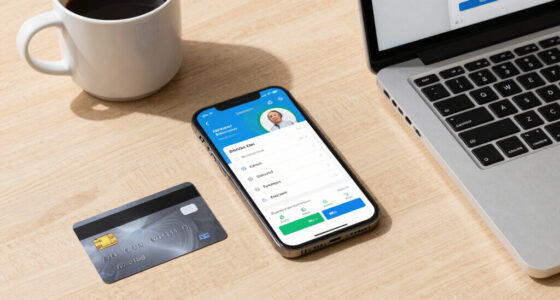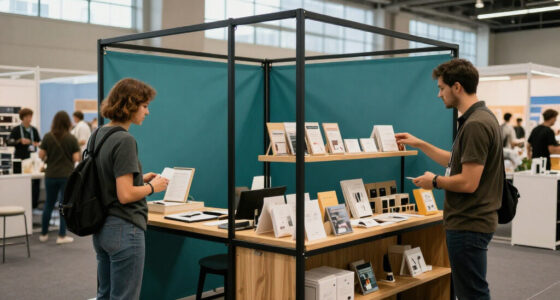
This checklist is for small retailers, makers, and online sellers preparing a temporary shop, market stall, or in-person product launch. It focuses on practical setup choices that can make merchandise easier to display and transactions easier to handle.
The sections follow the main jobs a pop-up must cover: hanging garments, presenting products, adding lighting, accepting payments, and preparing tags and bags. Some sections include a named product pick; others offer selection advice because no specific product was supplied.
Use the list to plan your setup around your products and venue. Check dimensions, portability, and compatibility against your space and workflow before buying, and treat the look-for points as a final shopping checklist.
Portable garment racks
A portable rack gives hanging merchandise a dedicated place, helping keep garments visible and organized in a compact pop-up. The named pick is the VIPEK R3C Plus Portable Closet for Hanging Clothes with Cover and Lock. Its product name identifies a portable closet with a cover and lock, so consider whether that enclosed format suits the way you want to present and store clothing at your event.
A common mistake is choosing a rack based on appearance without checking its footprint against the booth layout. Measure the available floor area, including room for customers to browse and for you to move behind the display. Check the assembled dimensions and how the components fit together, and confirm the setup and breakdown process works for your transport plan. For a covered closet, think through whether the cover will be used during customer-facing hours or mainly for storage between events.
Match the hanging space to the garments you plan to bring, including longer pieces and wider hangers. Review the product details for dimensions and assembly, and make sure the rack’s form fits your venue rules and display style. A quick layout sketch can help you avoid a rack that crowds the entrance or hides other merchandise.
What to look for:
- Measure the rack footprint against booth space and walkways.
- Check assembled dimensions and transport fit.
- Confirm assembly and breakdown steps suit your event schedule.
- Consider how the cover and lock fit your display and storage routine.
- Match hanging space to the garment lengths and hangers you use.
VIPEK R3C Plus Portable Closet for Hanging Clothes with Cover and Lockable Wheel

The VIPEK R3C Plus is a versatile, heavy-duty portable closet with a 380 lbs capacity, featuring adjustable wire shelving, lockable wheels, and a polyester cover to protect garments from dust. Its compact, space-saving design makes it suitable for various settings like bedrooms, laundry rooms, and hallways.
Pros:
- Heavy-duty construction with a 380 lbs capacity
- Mobility with lockable wheels for stability
- Dust-resistant polyester cover keeps garments clean
- Adjustable and easy to assemble without tools
Cons:
- Assembly instructions may require careful following
- Polyester cover may not be suitable for heavy rain outdoors
- Limited color options
Best for: Retailers who want a portable, covered place for hanging clothes
Not ideal for: Displays that need an open rack with no cover
Bottom line: Check the dimensions and event layout to see whether the VIPEK R3C Plus format fits your clothing display.
Folding display tables
A folding display table can provide a defined surface for products, sign-up materials, or checkout tasks while helping a temporary shop make efficient use of its footprint. The named pick is the VEVOR Portable Tradeshow Podium Table, with dimensions listed in its name as 51.18 by 18.31 by 37.4 inches. Those measurements make it especially important to compare the table with your venue plan before committing.
One frequent buying mistake is focusing on the tabletop without considering the customer-facing side and the space behind it. Sketch the table into your booth layout and leave room for browsing, queues, and staff movement. Confirm the listed dimensions against the actual product information, and check how it folds, carries, and stores. A podium-style table may suit a focused presentation or service point, while a broader surface may be more suitable for arranging many small items; decide based on your merchandise and how customers will interact with it.
Check the usable top area, setup instructions, and any venue requirements for displays. If the table will support equipment or grouped products, review the product details for intended use and handling guidance. Plan the arrangement so key items remain easy to see and reach, with checkout materials accessible without taking over the display.
What to look for:
- Compare the listed dimensions with your booth footprint.
- Check folding, carrying, and storage details.
- Assess usable surface area for your merchandise and checkout needs.
- Leave room for customers and staff to move around the table.
- Review product guidance for your intended display use.
VEVOR Portable Tradeshow Podium Table, 51.18" x 18.31" x 37.4", Display Exhibiti

This portable tradeshow podium table features a durable aluminum alloy frame and lacquered wood tabletop, supporting up to 105 pounds with spacious dual-layer storage. It folds easily for compact storage and quick setup, making it ideal for exhibitions, classrooms, or reception areas.
Pros:
- Sturdy aluminum alloy frame with high weight capacity
- Folds quickly for easy storage and transport
- Versatile use for trade shows, classrooms, or receptions
- Simple assembly with Velcro fasteners
Cons:
- Limited detailed information on included accessories
- No specific mention of weather resistance for outdoor use
Best for: Sellers who want a defined presentation or service point
Not ideal for: Merchandise layouts that require a broad, open tabletop
Bottom line: Measure your space and merchandise layout against the VEVOR table’s listed dimensions.
Battery LED spotlights
Lighting can help draw attention to a product area and support a more intentional presentation in a temporary space. The supplied pick is the Battery-Operated Crackle Glass LED Globe Lamp, Gold Mercury Finish. Its name describes a battery-operated LED globe lamp with a crackle-glass look and gold mercury finish, so consider whether that form and appearance suit the products and atmosphere you want to create.
A common mistake is assuming a decorative lamp will work as a spotlight. The product name does not establish beam direction, brightness, runtime, battery type, or mounting method. Check the full product details for each of those points, especially if you need light directed onto merchandise rather than an ambient accent. Confirm whether batteries are included and whether you can easily replace them during a long event; plan a backup if the venue hours exceed the stated operating time.
Check the lamp’s dimensions and placement requirements against shelves, tables, and venue rules. Battery operation can be useful where an outlet is inconvenient, but confirm the actual battery requirements and whether the lamp can be positioned securely. Compare the finish with your display materials, and test the light in the intended spot so you can judge coverage and placement before opening day.
What to look for:
- Verify whether the lamp provides focused or ambient light.
- Check brightness, battery type, and stated runtime in product details.
- Confirm whether batteries are included and replaceable.
- Measure the lamp and check how it can be positioned securely.
- Test placement with your merchandise and venue setup.
Battery-Operated Crackle Glass LED Globe Lamp, Gold Mercury Finish
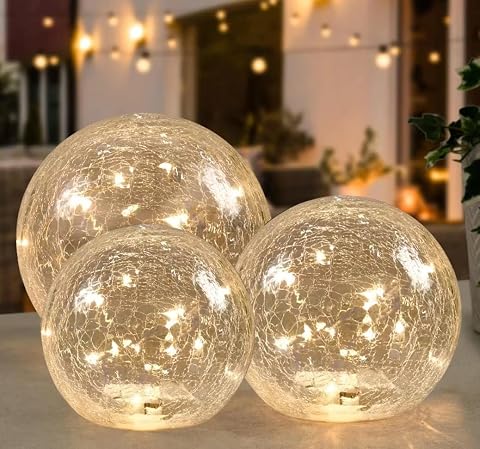
This tabletop globe lamp has crackled glass with a gold mercury finish that creates decorative light patterns when illuminated. Its warm LED glow is powered by three AA batteries (not included), and it is available in three sizes for shelves, nightstands, or centerpieces.
Pros:
- Cordless design allows flexible placement without an outlet.
- Crackled glass and gold mercury finish create a decorative look.
- Warm LED light suits ambient lighting and nightstand use.
Cons:
- Three AA batteries are required and not included.
- The lamp is described as ambient lighting, so it may not suit tasks needing bright light.
Best for: Displays seeking a battery-operated globe lamp as an accent
Not ideal for: Setups that require verified directional spotlighting
Bottom line: Confirm light output, runtime, and placement details before relying on this lamp to illuminate merchandise.
Contactless card reader
A card reader helps a pop-up accept electronic payments at the point of sale. The named pick is the Square Terminal – Credit Card Machine to Accept All Payments. Before choosing it, check current product information for the payment types it supports, the account and connectivity requirements, and whether its checkout flow fits your business.
A common mistake is buying a reader without confirming that it works with the seller’s existing payment setup. Review compatibility with your point-of-sale account, any required app or service, and the devices or network you will use at the event. Confirm how the terminal connects and what happens if venue connectivity is unreliable. Also check the product details for its accepted payment methods instead of assuming that “all payments” in the product name answers every practical question.
Consider where the terminal will sit and how customers will approach it. Check its dimensions, charging needs, and any setup steps before event day. Plan a way to keep the checkout area accessible without blocking merchandise, and make sure staff know how to start a transaction and handle a connection interruption. A short practice run can help confirm that the full checkout flow works with your account and event setup.
What to look for:
- Verify accepted payment methods in current product details.
- Check compatibility with your account and point-of-sale setup.
- Confirm connectivity requirements and have a venue plan.
- Review charging needs, dimensions, and setup steps.
- Practice the checkout flow before the event.
Square Terminal – Credit Card Machine to Accept All Payments

The Square Terminal is a portable payment device that allows businesses to accept all major credit and debit cards, process chip cards quickly, and print receipts. It is designed for use at the counter or on the go, with a built-in battery for all-day cordless operation.
Pros:
- Portable and cordless for flexible use
- Fast chip card processing
- Accepts all major card types
Cons:
- No detailed information on pricing or fees
- Limited specifications provided
Best for: Sellers seeking a named terminal for in-person payments
Not ideal for: Businesses whose accounts or connectivity are incompatible
Bottom line: Confirm payment methods, account compatibility, and connectivity before taking the Square Terminal to your pop-up.
Price tag gun
A price tag gun can help prepare multiple items for a pop-up, but the right choice depends on your merchandise and tagging method. Since no specific product was supplied, compare the tool with the labels and fasteners you intend to use. Some garments or products may need a different tag attachment approach, so check suitability before applying tags across inventory.
A common mistake is buying a tagging tool before checking consumable compatibility. Confirm the label size and shape, fastener type, and loading instructions in the product details. Consider whether you need to tag delicate fabrics or items that should not be pierced; in those cases, a tag gun may not be suitable for every product. Test the tool on a representative item first and confirm the tag remains legible and securely attached.
Think about event preparation volume and how much time you have to tag stock. Check the grip and operation details if you will label many items, and keep compatible spare labels and fasteners on hand. Prepare a consistent tagging approach so staff can identify the information customers need without making tags obstructive. Compatibility and fabric suitability should guide the choice more than a generic assumption that one gun works for every item.
What to look for:
- Match label dimensions and fasteners to the tool.
- Check loading instructions and consumable availability.
- Confirm suitability for the materials you will tag.
- Test on a representative item before tagging inventory.
- Consider comfort and speed for your preparation volume.
Shopping bags
Shopping bags give customers a way to carry purchases and can make checkout handoff smoother. No specific bag product was supplied, so choose based on the products you sell and how customers will transport them. Start with item size and shape, then consider whether the bag needs to protect the purchase or accommodate multiple items.
A common mistake is selecting bags by appearance alone. Check dimensions against your largest typical purchase, and consider handles, opening width, and the way the bag will be stored and replenished at the event. If products are fragile, clothing, or awkwardly shaped, test how they fit before ordering a large quantity. Also review any venue or local requirements that may affect the bag material or distribution; do not assume one format suits every location.
Estimate the number of bags based on your event plan and the mix of products you expect to sell. Keep bags near checkout without making the area difficult to navigate, and consider a few sizes if your merchandise varies substantially. Test the handoff with a sample purchase so the item fits comfortably and stays presentable. Fit, handling, and venue rules are practical selection points that can prevent last-minute surprises.
What to look for:
- Measure bags against your largest typical purchase.
- Check handle comfort, opening width, and storage needs.
- Test fit for fragile or unusual product shapes.
- Review venue or local requirements for bag materials.
- Plan quantities and placement at checkout.
Prioritize purchases in the order your setup depends on them: first confirm the space and display plan, then choose racks and tables, then address lighting and checkout. Decide on tagging and bags from your product mix and venue needs. Verify dimensions, compatibility, and consumables before event day.
A pop-up can come together one practical decision at a time. Use this checklist to focus on fit and function, test the setup with your actual merchandise, and adjust the layout before customers arrive. You do not need a complicated setup to create a clear, welcoming place to shop.