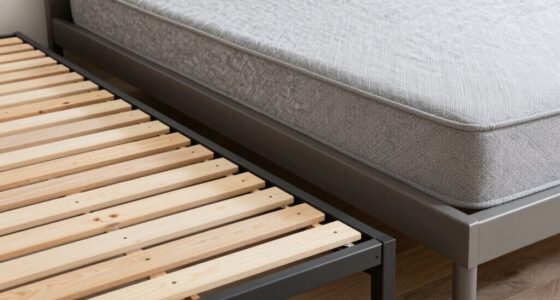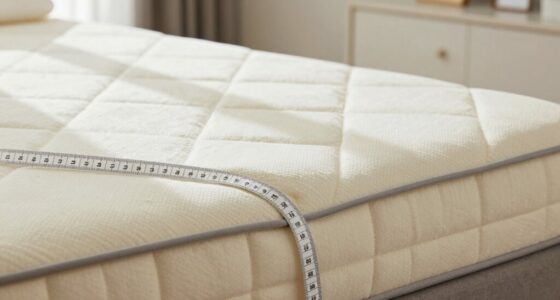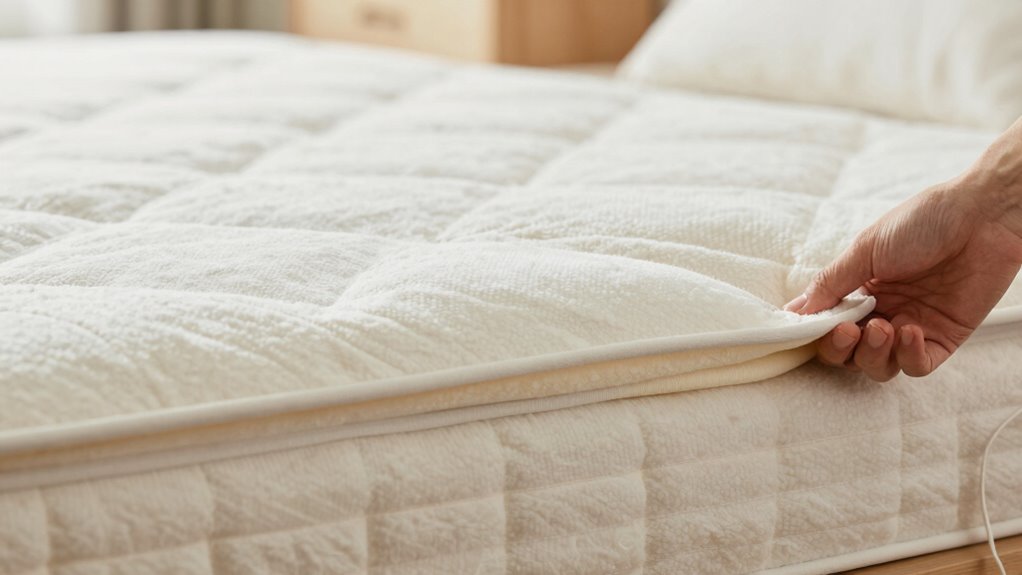

The choice between rotating and flipping your mattress depends on its type and design. Most modern foam or hybrid mattresses benefit from regular rotation every 3 to 6 months to prevent sagging, while innerspring models may be suitable for flipping if designed that way. Flipping is often unnecessary or impossible for non-reversible mattresses. Knowing your mattress type helps determine the best maintenance routine—keep reviewing the details to keep your mattress comfortable and long-lasting.
Key Takeaways
- Rotation involves turning the mattress 180° to promote even wear, suitable for most mattress types.
- Flipping requires turning the mattress over completely, ideal for reversible or innerspring mattresses.
- Check manufacturer guidelines, as many modern mattresses are designed only for rotation, not flipping.
- Foam and pillow-top mattresses generally should not be flipped, but rotation can help extend their lifespan.
- Regularly rotating or flipping your mattress prevents sagging, supports comfort, and prolongs durability based on your mattress type.

Bed MadeEZ Mattress Lifter & Bed Maker Tool for Changing Bed| Patented & Made in USA | Lifts & Holds The Mattress, Tucks Sheets, Removes Sheets, Bed Skirts and More
THE ORIGINAL, AUTHENTIC MATTRESS LIFTER MADE IN THE USA- Many try to replicate our design but none can…
As an affiliate, we earn on qualifying purchases.
As an affiliate, we earn on qualifying purchases.
What’s the Difference Between Rotating and Flipping Your Mattress?
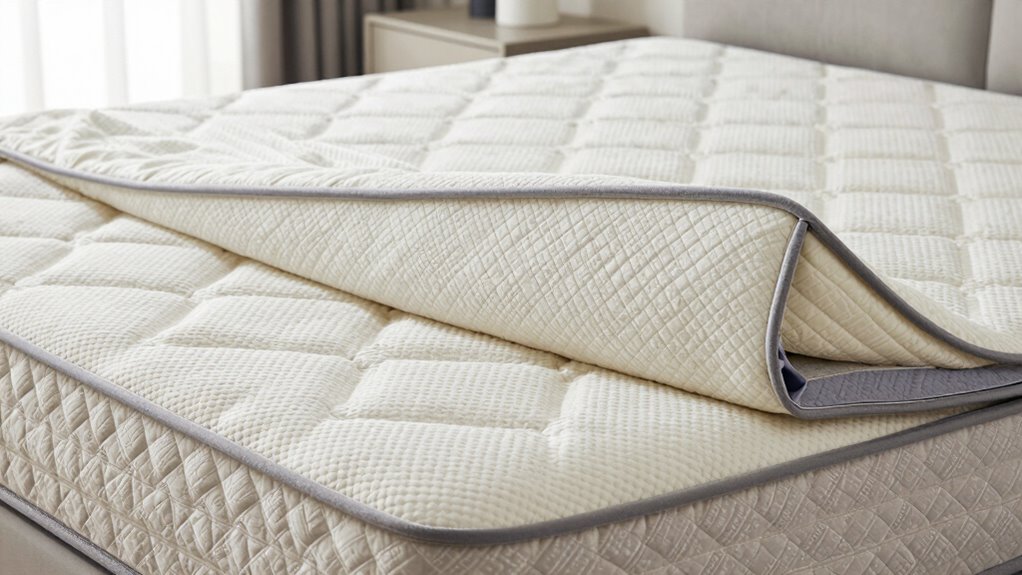
Understanding the difference between rotating and flipping your mattress is key to maintaining its comfort and longevity. When you rotate your mattress, you turn it 180 degrees from head to foot, which helps distribute wear evenly. Flipping involves turning the mattress over completely, exposing a fresh surface. Mattress materials play a role here; for example, innerspring mattresses often benefit from flipping, while foam or hybrid mattresses usually don’t. It’s important to check your mattress warranty, as some brands specify whether flipping or rotating is recommended to keep coverage valid. Regularly rotating or flipping your mattress can prevent sagging and extend its lifespan, but always follow manufacturer guidelines to avoid voiding warranties or damaging the materials. Additionally, understanding mattress technology can help you choose the best maintenance routine for your specific type.
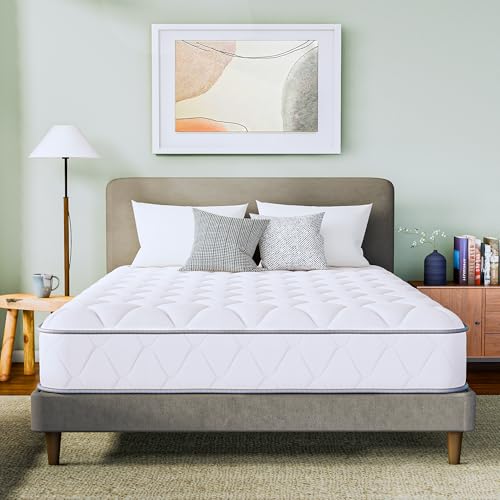
GAESTE Full Size Mattress in a Box, 8 Inch Hybrid Innerspring Mattress with Gel Comfort Memory Foam and Spring, Medium Firm, Pressure Relief, CertiPUR-US Certified (Full, 8 in)
COMFY HYBRID MATTRESS – The GAESTE Full Size Mattress blends durable innersprings with cushioning memory foam layers. It…
As an affiliate, we earn on qualifying purchases.
As an affiliate, we earn on qualifying purchases.
Why Can’t All Mattresses Be Flipped?
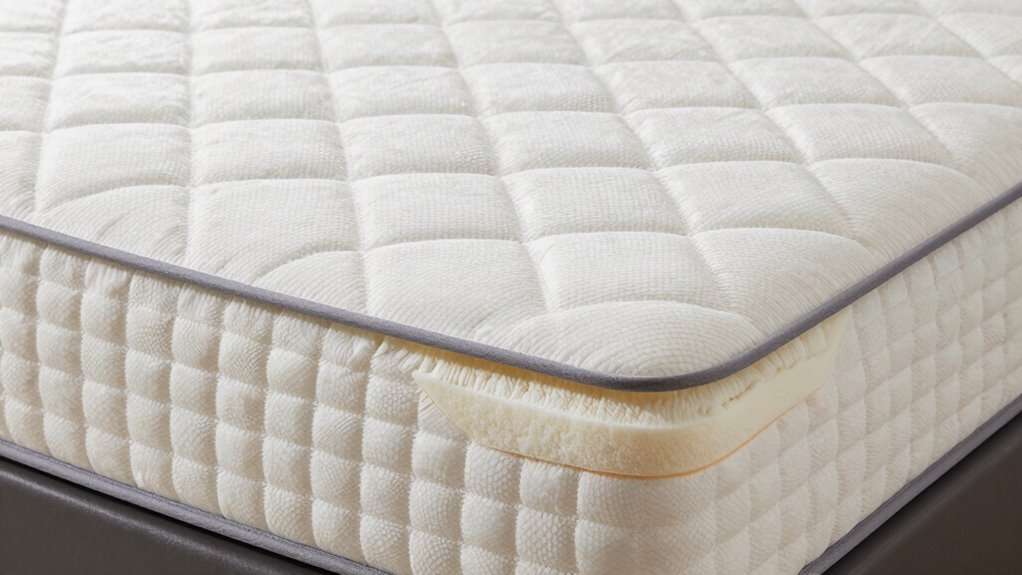
Not all mattresses are designed to be flipped, mainly because of their construction and materials. Many modern mattresses have a designated top and bottom, making flipping impractical. Additionally, mattress materials like memory foam or pillow tops can be uneven or delicate, which can be damaged if flipped. Proper mattress care can help extend the life and comfort of your mattress. Some mattresses are built with reversible designs, allowing for flipping to promote even wear and prolong their usefulness. Mattress materials also influence whether flipping is feasible, as softer or specialized materials may not withstand flipping without damage. Bed frame compatibility also plays a role; some frames support only one side of a mattress, limiting flipping options. Flipping a non-reversible mattress can cause discomfort or reduce its lifespan, especially if the materials are not intended for it or if the construction is asymmetrical. Understanding material durability can help determine whether flipping is advisable for your specific mattress.

CYMULA Memory Foam Camping Mattress Pad 3 Inch Thick Portable Floor Sleeping Mat Sleepover Guest Bed Roll up Car Mattress Bed for Indoor Outdoor Travel with Bag(Single 75 * 30 * 3")
SUPER COMFORTABLE AND SOFT: The camping mattress is made of carbon fiber high elasticity memory foam, which can…
As an affiliate, we earn on qualifying purchases.
As an affiliate, we earn on qualifying purchases.
Why Rotating Your Mattress Regularly Is Beneficial
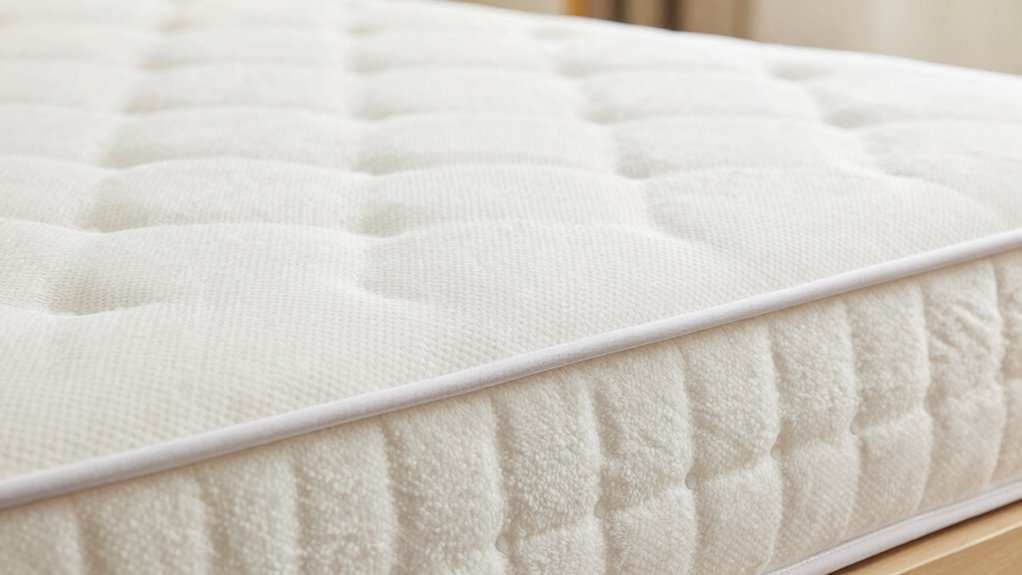
Rotating your mattress regularly helps distribute wear evenly, extending its lifespan and maintaining comfort. It also plays a key role in bed bug prevention by reducing the chances of pests settling into one area. When you rotate your mattress, you prevent sagging and indentations, which can compromise support and sleep quality. A mattress material comparison shows that some materials, like memory foam, benefit greatly from regular rotation to prevent uneven wear. In contrast, innerspring mattresses may not need as frequent rotation, but it still helps prolong their usability. Regularly rotating your mattress keeps it in better shape, supports healthy sleep, and minimizes the risk of pest buildup, making it a simple yet effective maintenance habit. Additionally, choosing the right mattress type can influence how often rotation is recommended to maintain optimal comfort and durability. Understanding wear patterns specific to your mattress material can help you develop a more tailored rotation schedule for better longevity. Incorporating proper maintenance practices, such as cleaning and airing out your mattress, further enhances its lifespan and hygiene. Moreover, being aware of bed bug prevention strategies can help keep your sleeping environment safe and pest-free. Regular rotation also encourages better air circulation, which can reduce moisture buildup and mold growth.

3 Sizes Black Air Pump Replacement Nozzles, Plastic Pump Nozzles,Inflatable Pump Nozzles Head,Air Pump Inflator Adaptor Accessory for Partial Air Bed,Air Mattress Air Mattresses and Accessories
VERSATILE SET: Includes 3 different sized nozzle attachments to fit various inflatable products and air mattresses
As an affiliate, we earn on qualifying purchases.
As an affiliate, we earn on qualifying purchases.
When Should You Flip Your Mattress, and Why?
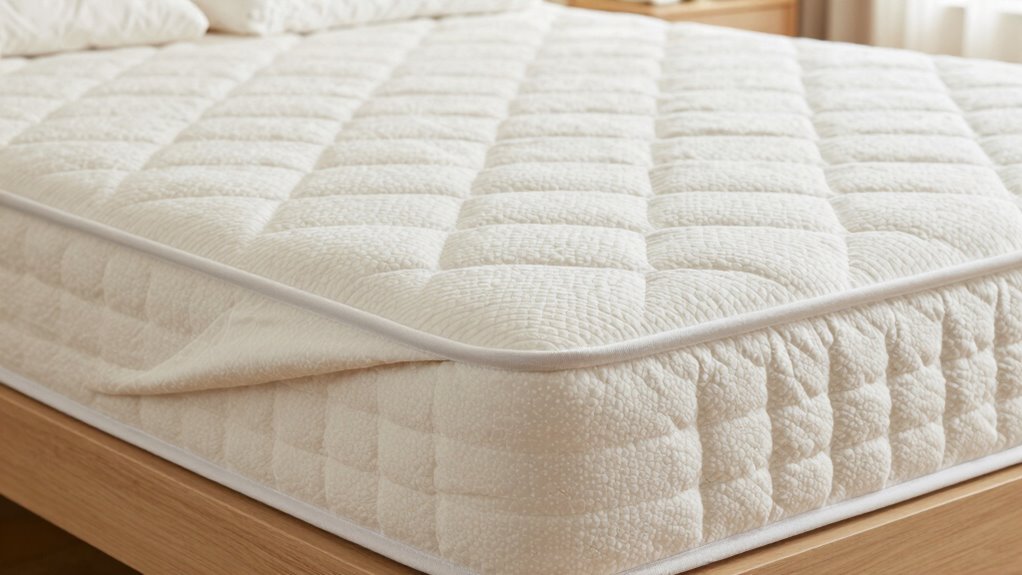
You should flip your mattress when you notice uneven wear or sagging, which helps extend its lifespan. Flipping prevents certain areas from deteriorating faster and keeps the surface balanced. Regular flipping is essential to maintain support and comfort over time. Flipping also encourages even distribution of body weight, reducing pressure points and improving overall sleep quality. Proper mattress orientation can also improve overall sleep quality by ensuring consistent comfort across the surface. Additionally, understanding the benefits of flipping can motivate you to incorporate this maintenance step into your routine. Proper mattress maintenance practices not only prolong the life of your mattress but also contribute to better sleep health.
Extending Mattress Lifespan
Flipping your mattress at regular intervals helps distribute wear evenly and prevents sagging, ultimately extending its lifespan. The ideal frequency depends on your mattress materials, but generally, flipping every 3 to 6 months is recommended. Proper bedding accessories, like mattress toppers and fitted sheets, can also protect the surface and maintain even pressure distribution. Regular flipping helps avoid uneven wear patterns that can degrade support and comfort. Consider these factors to optimize longevity:
- Mattress materials (latex, memory foam, innerspring) influence flipping needs
- Use of supportive bedding accessories to reduce surface stress
- Weight distribution from sleep position and body type
- Mattress age and manufacturer guidelines
Being aware of mattress lifespan and proper maintenance techniques can further help you make informed decisions about your mattress care. Additionally, understanding proper flipping techniques can ensure you perform maintenance effectively and safely. Incorporating proper care routines based on your mattress type can also extend its usability and comfort. Following these tips ensures you get the most out of your investment and keeps your mattress supportive for years.
Preventing Mattress Sag
Regularly flipping your mattress not only helps distribute wear but also prevents uneven sagging that can compromise support and comfort. This is especially important if you want to avoid creating soft spots that could harbor bed bugs or cause discomfort over time. Flipping your mattress can also be a requirement to maintain your mattress warranty, as many manufacturers specify regular rotation to keep the support layers even. If you neglect to flip or rotate your mattress, you risk developing sagging areas that reduce overall support and may lead to premature replacement. Plus, a sagging mattress can create gaps where bed bugs hide, making it harder to detect infestations early. Staying consistent with flipping helps prolong your mattress’s lifespan and ensures consistent comfort while safeguarding your investment. Incorporating smart home technology such as sensors or automated reminders can help you stay on schedule with mattress maintenance routines. Understanding mattress construction can further guide you on the best care practices to prevent sagging and extend the life of your mattress. Additionally, being aware of material durability can assist in choosing the right mattress that withstands regular flipping and use.
How to Properly Rotate Your Mattress for Longer Lifespan
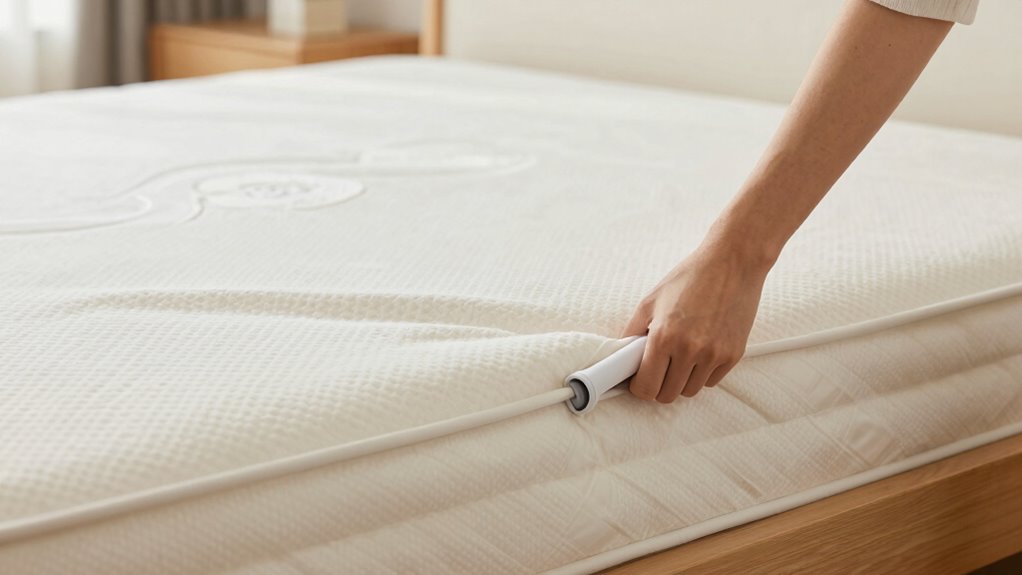
Start by clearing your bed of any items to make rotation easy. Then, rotate your mattress regularly, using proper technique to avoid damage. This simple step helps extend your mattress’s lifespan and keeps it comfortable longer. Additionally, upgrading your mattress can further enhance comfort and support over time, especially when considering long-term durability and how proper maintenance can impact it. Regularly inspecting your mattress for signs of wear can also help you determine the optimal time for replacement, ensuring you always sleep on a supportive surface.
Clear the Bed
Ever wondered how to keep your mattress in top shape for years to come? Clearing the bed is a simple step that helps maintain its longevity and your sleep hygiene. Start by removing all bed linen, pillows, and blankets to expose the surface. Check for any debris, dust, or dirt and vacuum the mattress gently. Rotate or flip the mattress if needed, then wipe it with a damp cloth to remove stains or sweat buildup. This process prevents uneven wear and mold growth. To guarantee your sleeping environment stays fresh, consider these tips:
- Wash bed linen weekly
- Use a mattress protector
- Keep the room well-ventilated
- Regularly inspect for damage or stains
Understanding mattress material and its care requirements can also help prolong its life. Keeping your bed clean promotes better sleep and extends your mattress’s lifespan. Proper mattress maintenance ensures your investment remains comfortable and supportive over time. Additionally, considering the sleep environment and how it interacts with your mattress can further enhance its durability and comfort.
Rotate Regularly
To guarantee your mattress wears evenly and lasts longer, it’s important to rotate it periodically. This helps prevent sagging and uneven wear, especially in areas where you sleep most. When rotating, consider your bed height; if your bed is taller or lower than standard, adjust your approach to make handling easier. Regular rotation also helps maintain your mattress’s firmness, ensuring it stays supportive over time. For example, if you usually sleep on one side, rotating the mattress 180 degrees distributes the pressure more evenly. Make this a routine every three to six months to extend your mattress’s lifespan. Properly rotating your mattress keeps it balanced, comfortable, and supportive, saving you money in the long run.
Use Proper Technique
Using proper technique when rotating your mattress guarantees you do it safely and effectively, prolonging its lifespan. Start by removing all bedding and checking bed frame compatibility to avoid damage. When rotating, support the mattress evenly, especially if it’s made of memory foam or latex, which require gentle handling. For innerspring mattresses, ensure they’re stable before turning. Always lift with your legs, not your back, to prevent injury. Consider mattress material considerations; some materials are more prone to damage if mishandled. Remember to rotate from head to foot or switch sides, depending on your mattress type. Keep these tips in mind to maintain comfort and extend your mattress’s life. Proper technique guarantees safety and preserves your investment in quality sleep.
How to Flip Your Mattress Safely (If Possible)

Flipping your mattress can extend its lifespan and improve comfort, but doing so safely is essential. Before flipping, confirm you have enough space and a firm, flat surface to work on. Clear the area of obstacles to prevent accidents. Remove all bedding to avoid damage and make handling easier. When flipping, support the mattress from the center to prevent strain or injury. Take your time and use proper lifting techniques, especially with heavier mattresses. After flipping, adjust your bedding arrangement to ensure even wear and comfort. Regular mattress maintenance, including flipping when possible, helps prevent sagging and prolongs its life. Always check the manufacturer’s guidelines—some mattresses aren’t designed to be flipped, so proceed only if it’s recommended.
Signs You Need to Rotate or Flip Your Mattress
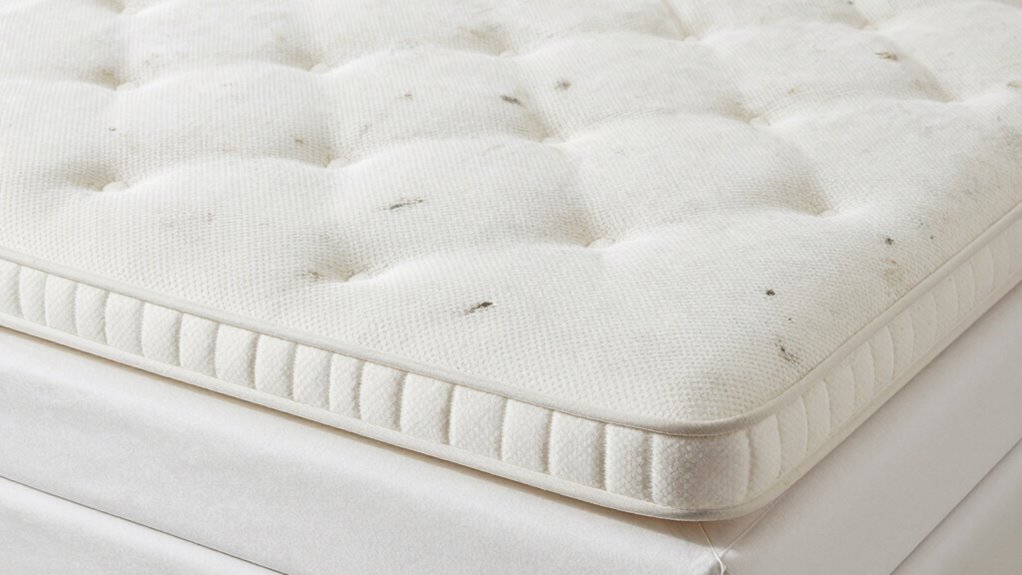
If you notice persistent discomfort or uneven sleep, it may be a sign your mattress needs attention. Over time, sagging or indentations can develop, affecting your sleep posture and leading to aches. Different mattress materials age uniquely; memory foam may develop permanent impressions, while innerspring mattresses can shift or become uneven. Watch for these signs:
- Feelings of rolling together or slipping off the bed
- Visible sagging or indentations
- Increased discomfort in specific areas
- Uneven wear patterns across the surface
Rotating or flipping your mattress can restore support and prolong its lifespan. If your mattress shows any of these signs, it’s time to take action to ensure better sleep quality and prevent further damage.
Common Mistakes That Shorten Your Mattress’s Life
Neglecting proper mattress maintenance can considerably shorten its lifespan. One common mistake is ignoring the specific needs of your mattress materials; for example, foam and innerspring mattresses require different care routines. Using the wrong cleaning methods or failing to protect the surface can cause premature wear. Additionally, neglecting bed size considerations can lead to uneven weight distribution, stressing certain areas more than others. Overloading your mattress or choosing a bed size that’s too small for your sleeping habits can accelerate sagging and damage. Failing to rotate or flip your mattress regularly also contributes to uneven wear. By understanding your mattress materials and selecting the right bed size, you can avoid these mistakes and extend the life of your mattress markedly.
How to Decide: Flip or Rotate Based on Your Mattress Type
Choosing whether to flip or rotate your mattress depends on its material and construction. If your mattress is made of supportive foam or memory foam, rotating is usually best to prevent uneven wear. For innerspring mattresses, flipping can help distribute weight evenly, especially if it’s double-sided. Consider your sleep positions—side sleepers may benefit from flipping, while back and stomach sleepers often prefer rotating to maintain comfort.
Rotate foam mattresses to prevent uneven wear; flip innerspring models for balanced comfort.
- Foam mattresses generally need rotation; flipping may not be possible or necessary
- Innerspring models often benefit from flipping for even wear
- Hybrid mattresses might require a combination of both, based on materials
- Heavier mattresses may need more frequent rotation to avoid sagging
Tips for Maintaining Mattress Comfort Over Time
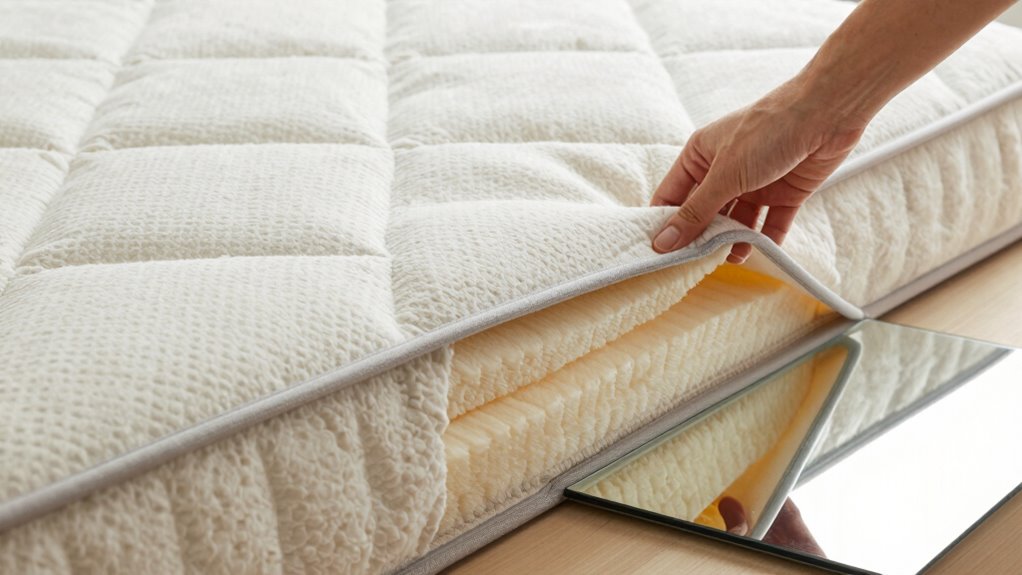
To keep your mattress comfortable over time, you should regularly inspect and care for it. Rotate or flip your mattress as needed, especially if it has memory foam layers that can sag. Check your box spring for signs of wear and ensure it’s providing proper support. Use the table below to guide your maintenance routine:
| Action | Frequency | Notes |
|---|---|---|
| Rotate mattress | Every 3-6 months | Prevent uneven wear on memory foam |
| Flip mattress | Annually | If designed for flipping, avoid sagging |
| Inspect box spring | Every 6 months | Replace if creaky or sagging |
Frequently Asked Questions
How Often Should I Rotate or Flip My Specific Mattress Model?
You should rotate or flip your mattress every 3 to 6 months for ideal mattress maintenance and to promote better sleep hygiene. Check your mattress label for specific instructions, as some models only need rotation. Regularly rotating or flipping helps prevent sagging and uneven wear, ensuring you get consistent support. Incorporating this routine into your sleep hygiene habits keeps your mattress in top condition, improving your overall sleep quality and comfort.
Can Rotating or Flipping Improve My Mattress’s Allergy Resistance?
Rotating or flipping your mattress can boost its allergenic benefits and dust mite control by reducing buildup and preventing persistent allergens. As you turn or flip, you disrupt dust mite habitats and surface allergens, making your sleep space safer. This simple routine helps maintain a cleaner, healthier mattress, minimizing allergy triggers and improving overall sleep quality. Keep up this habit regularly to enjoy fresher, allergen-resistant bedding night after night.
What Tools or Equipment Do I Need to Rotate or Flip My Mattress?
You’ll need minimal tools to rotate or flip your mattress—just your hands and a bit of effort. For easier maintenance, consider using bed accessories like mattress handles, which make flipping or rotating simpler and safer. Before starting, clear the bed of bedding and furniture, and follow maintenance tips such as lifting with your legs. These small tools and tips help prolong your mattress’s lifespan and keep it comfortable.
Are There Mattress Types That Don’T Require Rotation or Flipping at All?
Some mattress types, like foam mattresses and hybrid designs, generally don’t need to be flipped or rotated. You can usually enjoy these models without worrying about regular maintenance. Foam mattresses often have a specific sleep surface, so flipping isn’t necessary, and hybrid designs are built to maintain their shape. Just follow the manufacturer’s care instructions to prolong their lifespan, and you’ll enjoy a comfortable sleep without extra effort.
How Does Mattress Age Affect the Need to Rotate or Flip?
Like a car that needs regular tune-ups, your mattress’s age impacts its longevity and sleep comfort. As it gets older, it may need more frequent rotation or flipping to prevent uneven wear and sagging. Over time, neglecting this can diminish support and comfort, shortening its lifespan. So, keep an eye on your mattress’s age and habits, and rotate or flip it regularly to guarantee better sleep and longer durability.
Conclusion
Regularly rotating or flipping your mattress can extend its lifespan by up to 30%. Did you know that mattresses worn unevenly can cause back pain and discomfort? By following proper maintenance tips, you guarantee better sleep and save money in the long run. Keep an eye on signs like sagging or lumps, and choose the right method for your mattress type. Taking these simple steps keeps your sleep comfort intact for years to come.