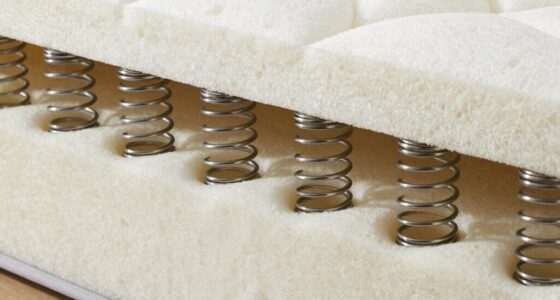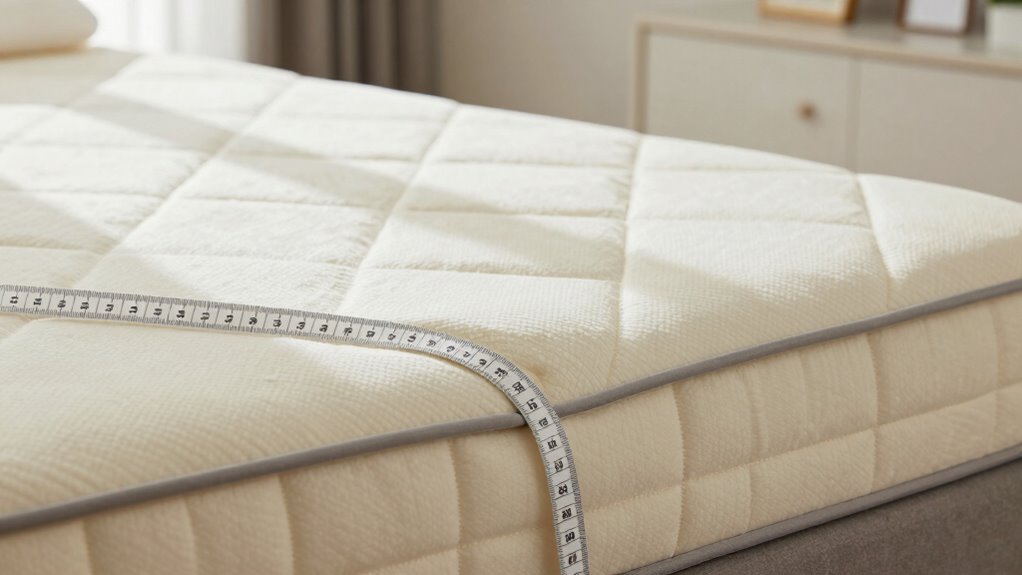

To measure your mattress’s sag at home, start by removing bedding and placing a straightedge or ruler across the surface in areas you suspect may be sagging. Use a measuring tape to check the distance from the straightedge down to the mattress surface at various points. Repeat this process in multiple locations to get an accurate picture of any dips. If you want to learn how to interpret those measurements and what to do next, keep exploring further.
Key Takeaways
- Remove bedding and support the mattress fully to accurately assess its surface.
- Use a straightedge or ruler to span suspected sagging areas, ensuring it rests flat on the surface.
- Measure the distance from the straightedge to the mattress surface at multiple points for accuracy.
- Record measurements, noting any dips exceeding 1.5 inches indicating significant support deterioration.
- Repeat measurements periodically to monitor changes and determine if repairs or replacement are needed.

Bed MadeEZ Mattress Lifter & Bed Maker Tool for Changing Bed| Patented & Made in USA | Lifts & Holds The Mattress, Tucks Sheets, Removes Sheets, Bed Skirts and More
THE ORIGINAL, AUTHENTIC MATTRESS LIFTER MADE IN THE USA- Many try to replicate our design but none can…
As an affiliate, we earn on qualifying purchases.
As an affiliate, we earn on qualifying purchases.
Why Mattress Sag Affects Your Sleep and When to Check
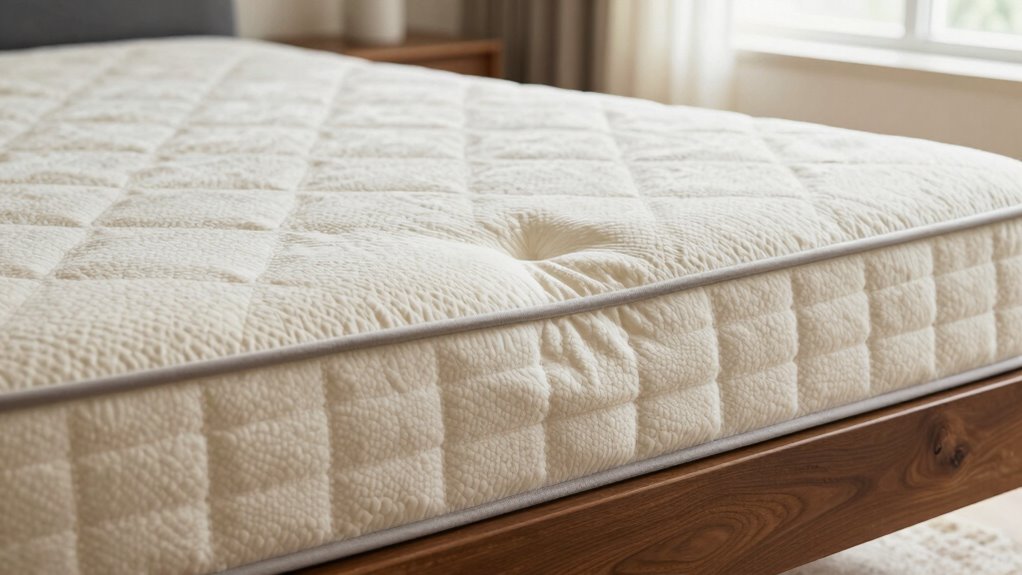
A sagging mattress can considerably disrupt your sleep quality because it no longer provides proper support for your body. When your mattress sags, your sleep posture suffers, leading to discomfort and potential aches. The materials used in your mattress influence how quickly it sags; memory foam and latex tend to hold their shape longer, while innerspring or cheaper foam may sag sooner. As the mattress deteriorates, it can cause misalignment of your spine and pressure points, making restful sleep difficult. Regularly inspecting your mattress for modern mattress technology can help you identify early signs of sagging. Additionally, understanding mattress support systems can guide you in choosing the right foundation to prolong your mattress’s lifespan. Using smart mattress features like built-in sensors or adjustable bases can also alert you to uneven wear or sagging. Incorporating proper maintenance practices, such as rotating your mattress regularly, can further help prevent early sagging. You should check for sagging regularly, especially if you wake up feeling stiff or sore. Recognizing early signs of sagging allows you to address the issue before it worsens, ensuring you maintain good sleep posture and avoid long-term discomfort.

Magnetic Base Holder Bed, 33lb M5 Threaded Dial V Indicator Magnetic Holder Bed On Off Switch Holding Power, Magnetic Base Stand for Digital Dial Indicator Gauge
【Excellent Magnet Material】This magnetic base holder is made of excellent quality this sticker material, which is strong and…
As an affiliate, we earn on qualifying purchases.
As an affiliate, we earn on qualifying purchases.
What You Need to Test Your Mattress for Sagging

To accurately assess if your mattress is sagging, you’ll need a few simple tools and a straightforward process. First, check your mattress firmness by pressing into different areas with your hand or a small object to feel for soft spots. Keep in mind that bedding materials like mattress toppers or pillow tops can influence your perception of sagging, so remove or adjust them if possible. A straightedge or a ruler can help you spot dips by placing it across the mattress surface, highlighting uneven areas. Also, a measuring tape can be useful if you want to document the depth of any sag. Proper testing techniques are essential for an accurate, at-home inspection of your mattress’s condition. Additionally, understanding mattress support systems can help you determine the cause of sagging and decide on the best repair or replacement options. Being aware of the support system components can give you further insight into how your mattress is constructed and why it might be sagging over time. Recognizing the signs of wear and tear in your mattress can help you decide whether it’s time for a replacement or if repairs are feasible. Regularly inspecting your mattress can also prevent long-term damage, ensuring that you maintain a comfortable and supportive sleep surface.

Parrs Straight Line Free Motion Quilting Ruler
1. The ruler work foot fits exactly in the channel of the ruler and can't fall out.
As an affiliate, we earn on qualifying purchases.
As an affiliate, we earn on qualifying purchases.
How to Measure Mattress Sag at Home

Measuring mattress sag at home is straightforward if you follow these simple steps. First, find the area where you suspect sagging. Then, use a straightedge or a ruler to measure the depth of the dip. To get accurate results, consider the foam density and mattress firmness, as these influence how much a mattress sags. Next, follow these steps:
- Place a string or a straightedge across the mattress surface at the midpoint of the suspected sag.
- Use a ruler to measure the distance from the string to the mattress surface.
- Repeat the process at multiple points for consistency.
- Keep in mind that contrast ratio impacts how well you can see details in dark scenes, which may affect your assessment of sagging if your viewing environment is not well-controlled. Additionally, understanding foam density helps determine whether the sag indicates a need for repair or replacement. Being aware of the supportive layer can also aid in evaluating whether the mattress is still providing adequate comfort. Recognizing the extent of sagging can help you decide if it’s time to consider a new mattress or other support options. Properly measuring the sag can also reveal how mattress age influences its structural integrity, guiding your decision to repair or replace. This method helps you identify if the dip exceeds recommended limits, considering the foam density and firmness, indicating potential sagging issues.

SagsAway Under Mattress 3 Piece Support Kit to Fix Saggy Beds. Firm Foam Sheets Can Be Layered to Repair Any Sagging Twin, Full, Queen or King Innerspring Or Latex Bed Or Bunk Up to 14in Thick
MAKE YOUR MATTRESS LOOK AND FEEL LIKE NEW. Fix uncomfortable ugly sags in your bed and restore its…
As an affiliate, we earn on qualifying purchases.
As an affiliate, we earn on qualifying purchases.
Signs That Your Mattress Is Sagging Too Much
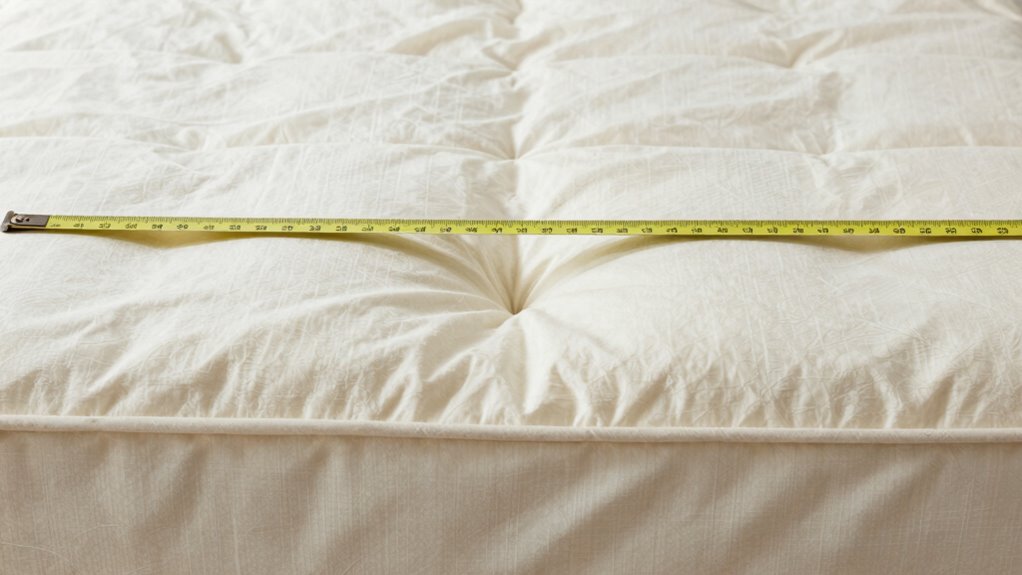
You’ll notice your mattress is sagging too much when it no longer provides adequate support, leading to discomfort and restless nights. Different mattress materials show signs in various ways; memory foam may develop deep indentations, while innerspring mattresses might feel uneven. If you sleep in certain positions, like side or stomach sleeping, you’ll feel pressure points or pain in hips, shoulders, or back. These issues indicate the mattress isn’t evenly supporting your body anymore. You might also notice that you wake up feeling less refreshed or experience persistent aches. When your mattress can’t restore its shape after use or if you see visible dips or indentations, it’s a clear sign that it’s sagging too much, affecting your sleep quality and overall comfort. Uneven support can also lead to misalignment of the spine, further impacting sleep health. Regularly assessing your mattress for support deterioration can help prevent prolonged discomfort and ensure better sleep quality. Additionally, understanding mattress lifespan can help you determine when it’s time for a replacement before sagging significantly impacts your health. Conducting a simple sagging test at home can provide a clear indication of whether your mattress needs replacement, saving you from nightly discomfort. Incorporating sleep ergonomics principles may help you evaluate whether your current mattress provides proper alignment and comfort.
How Much Mattress Sag Is Too Much?

Knowing how much mattress sag is too much helps you protect your sleep quality and comfort. While some wear is normal, excessive sagging can cause discomfort and poor rest. Understanding these limits guarantees you recognize when it’s time for a replacement or repair. Regularly checking for mattress support issues can extend the lifespan of your mattress and maintain your sleep environment. Additionally, being aware of signs of mattress deterioration can help you identify problems early before they significantly impact your sleep. Being informed about website privacy policies ensures that you are aware of how your data might be used when seeking advice online. Monitoring foam breakdown can also provide insight into when your mattress needs attention, and being familiar with user privacy controls helps you manage your online data security effectively.
Normal Mattress Wear Limits
While some mattress sag is inevitable over time, it’s important to recognize when it becomes a problem. Normal wear limits vary depending on mattress materials and your sleep posture. Generally, a sag of up to 1.5 inches is acceptable. Beyond that, you may notice:
- A noticeable dip in the center or sides, disrupting your sleep alignment.
- Increased pressure points, especially around hips and shoulders.
- Reduced support, causing discomfort or back pain.
If your mattress has developed a deeper depression, it’s likely time to contemplate replacement or repairs. Remember, consistent sagging affects sleep quality and can strain your body, especially if your sleep posture relies heavily on even support.
Signs of Excess Sagging
When mattress sag exceeds 1.5 inches, it signals that the support has markedly deteriorated. You might notice uneven pillow placement, making it difficult to achieve proper head and neck alignment. Excess sag can cause your body to sink unevenly, leading to discomfort and pressure points. Check your bed frame—if it’s warped or broken, it may contribute to sagging. If your mattress dips noticeably in the middle or along the edges, it’s a clear sign of too much sag. This level of sag can compromise your sleep quality and lead to aches. Pay attention to how your mattress supports your body; significant dips indicate it’s time for a repair or replacement to restore comfort and support. Additionally, understanding the Free Floating concept can help you assess whether your mattress is effectively supporting your sleeping position without unnecessary sag. Regularly monitoring your mattress’s condition can prevent prolonged discomfort and ensure you maintain proper sleep posture. Being aware of the mattress lifespan can also guide you in deciding when it’s time for an upgrade to maintain optimal support.
Impact on Sleep Quality
Ever wonder how much mattress sag impacts your sleep quality? Excessive sag can cause discomfort and disrupt your rest. When your mattress dips more than 1.5 inches, it can lead to misalignment of your spine, resulting in aches or stiffness. Consider these factors:
- Poor bed frame compatibility can worsen sag, causing uneven support.
- Mattress material effects mean foam may sag faster than latex or hybrid options.
- Deep dips create pressure points, making it harder to fall asleep and stay asleep.
If your mattress shows significant sag, it’s time to evaluate if your bed frame supports it properly or if the material needs replacing. Addressing these issues improves sleep quality by ensuring proper support and alignment.
Interpreting Your Mattress Sag Results: When to Replace

Knowing when to replace your mattress depends on accurately interpreting sag measurements. If your mattress dips more than 1.5 inches in the sleep zone, it signals significant wear that can compromise its durability. Excessive sagging affects sleep ergonomics, leading to poor spinal alignment and discomfort. Keep in mind that minor dips under half an inch usually don’t impact sleep quality, but larger indentations suggest your mattress is nearing the end of its lifespan. Consider how long you’ve had it; most mattresses last around 7-10 years. When sag exceeds recommended limits, it’s time to replace your mattress to restore proper support, comfort, and sleep quality. Ignoring these signs can lead to ongoing discomfort and negatively influence your overall sleep health.
DIY Ways to Support a Sagging Mattress
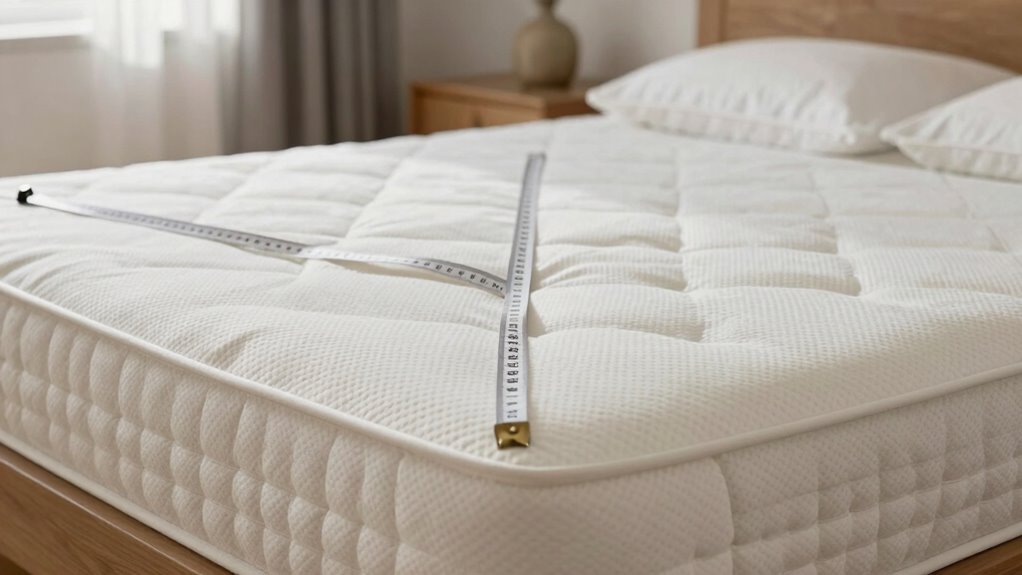
When your mattress starts sagging, you can try some DIY support options to improve comfort quickly. Temporary solutions like adding plywood or foam can give immediate relief, but they aren’t a permanent fix. To keep your mattress in good shape long-term, consider proper care routines along with these supportive tactics.
Temporary Support Solutions
If your mattress begins to sag, temporary support can provide quick relief while you plan for a more permanent fix. You might try placing a sturdy piece of plywood under the affected area to create a solid surface. Alternatively, an adjustable bed frame can elevate or support specific areas, reducing the dip. Foam toppers are another option; they add a layer of cushioning that can fill in the depression, making your mattress more comfortable. To visualize, imagine:
- Sliding a piece of plywood beneath the sagging section for stability.
- Adjusting an adjustable bed to lift the problematic area.
- Layering a foam topper on top of the mattress to smooth out the dip.
These solutions are quick fixes that can improve comfort until you decide on a long-term repair.
Long-term Mattress Care
To support a sagging mattress long-term, consider DIY solutions that reinforce its structure and prolong its lifespan. First, check your bed frame alignment; ensuring the frame is sturdy and properly supported prevents unnecessary stress on your mattress. If the frame is weak or uneven, reinforce it with additional slats or a solid platform. Additionally, focus on your mattress material durability by rotating the mattress regularly to distribute wear evenly. Using plywood sheets beneath the mattress can also help provide extra support, especially for older or softer models. Keep an eye on the overall condition of your mattress and frame, making adjustments as needed. These simple steps can considerably extend your mattress’s life and improve your sleeping comfort over time.
When to Invest in a New Mattress for Better Comfort
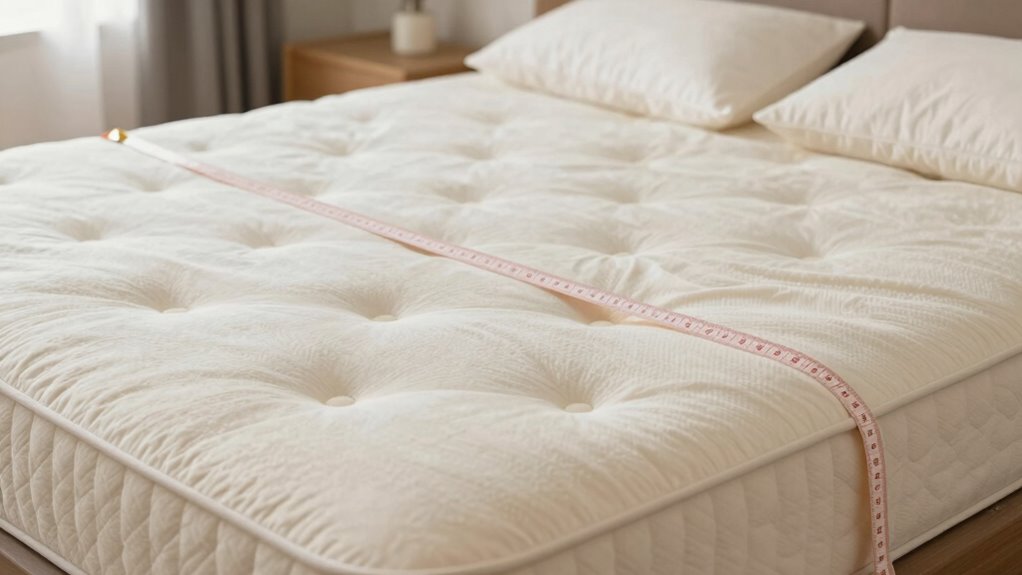
A sagging mattress can quickly turn your good night’s sleep into a restless one, signaling that it’s time to contemplate a replacement. You should consider investing in a new mattress if you notice:
- Persistent dips or indentations, especially after regular mattress rotation, that affect your comfort.
- Increased back or joint pain, despite maintaining good sleep hygiene.
- Decreased support from your memory foam mattress, leading to discomfort and restless nights.
If you’ve been rotating your mattress regularly but still wake up feeling tired, it’s likely time for an upgrade. Newer mattresses offer better support and comfort. Replacing your mattress ensures you get the restful sleep you need for excellent health and daily energy.
Common Mistakes to Avoid When Testing Your Mattress for Sag
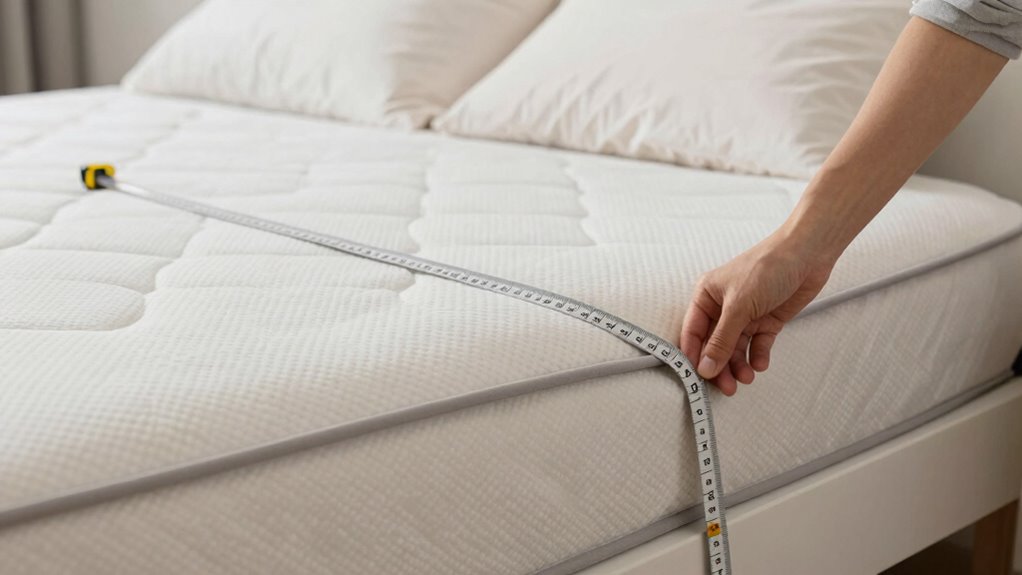
When testing your mattress for sag, it’s easy to make mistakes that can lead to inaccurate assessments. One common error is incorrect placement of your measuring tools, which skews results and doesn’t accurately reflect the dip. Make sure your ruler or tape measure is positioned directly on the mattress surface at the designated points. Using faulty tools can also compromise your test; unreliable or damaged measuring devices may give false readings. Avoid rushing through the process—take your time to ensure proper placement and stable measurements. Additionally, don’t ignore the mattress’s overall condition; sagging may vary across different areas. By avoiding incorrect placement and faulty tools, you ensure a more precise evaluation of your mattress’s condition.
Frequently Asked Questions
Can Mattress Sagging Cause Back Pain or Other Health Issues?
Yes, mattress sagging can cause back pain and other health issues. When your bed posture is compromised by a sagging mattress, it strains your spine and muscles, leading to discomfort. Poor sleep quality results from an unsupportive surface, affecting your overall health. To prevent this, verify your mattress maintains proper support, and replace it if you notice significant sagging, so you can wake up feeling refreshed and pain-free.
How Often Should I Test My Mattress for Sagging?
Think of your mattress as a loyal friend who needs regular checkups. You should test for sagging every six months to catch issues early. Regular mattress maintenance and sagging prevention keep your sleep surface supportive and comfortable. By staying vigilant, you prevent deep dips that can cause back pain. Make testing a routine, and your mattress will serve you well, providing restful nights and healthy mornings.
Are There Specific Mattress Types More Prone to Sagging?
You’ll find that memory foam mattresses are more prone to sagging over time because they tend to soften and develop dips faster. Innerspring mattresses, while durable, can also sag if the coils lose their support or the springs weaken. To avoid discomfort, check your mattress regularly and consider rotating or flipping it, especially if you notice uneven wear or dips forming.
Does the Weight of the Sleeper Affect Mattress Sag Measurement?
Your sleeper weight considerably impacts mattress compression and sag measurement. As you lie down, a heavier weight causes more pronounced mattress dips, making sag easier to spot. Conversely, lighter sleepers may not compress the mattress enough for accurate measurement. To get an honest assessment, consider your typical sleep weight, as it influences how much your body molds the mattress and how you perceive its supportiveness.
Can Regular Flipping or Rotating Prevent Mattress Sag?
Regularly flipping or rotating your mattress can help prevent sagging, especially if you choose a bed frame that’s compatible with your mattress type. This practice distributes wear evenly, prolonging your mattress’s durability. Keep in mind, the material of your mattress plays a role; some materials resist sagging better than others. By maintaining proper rotation and choosing the right frame, you’ll extend your mattress’s lifespan and maintain comfort longer.
Conclusion
By regularly checking your mattress for sag, you catch issues before they turn into a sinking ship. Think of it as giving your bed a health check-up—it’s a simple step to keep your sleep surface supportive and comfy. If you notice significant dips, don’t ignore them; acting now can save you from restless nights ahead. Keep your mattress in tip-top shape, and you’ll wake up feeling refreshed, ready to face whatever the day throws your way.