
📊 Full opportunity report: Women’s Health Radar on IdeaNavigator AI — validation score, market gap, and execution plan.
TL;DR
A proposed mobile app called Women’s Health Radar is being tested to detect early perimenopause symptoms in women aged 40-58. The tool uses symptom logging and AI pattern detection to flag likely transition signs and connect women to care. Its development aims to improve diagnosis and reduce untreated symptoms that affect health and work.
Women’s Health Radar, a digital symptom monitoring tool, is being tested to identify early signs of perimenopause in women aged 40-58. The development aims to address the widespread underdiagnosis of perimenopausal symptoms and improve access to appropriate care, which is increasingly seen as a critical need in women’s health.
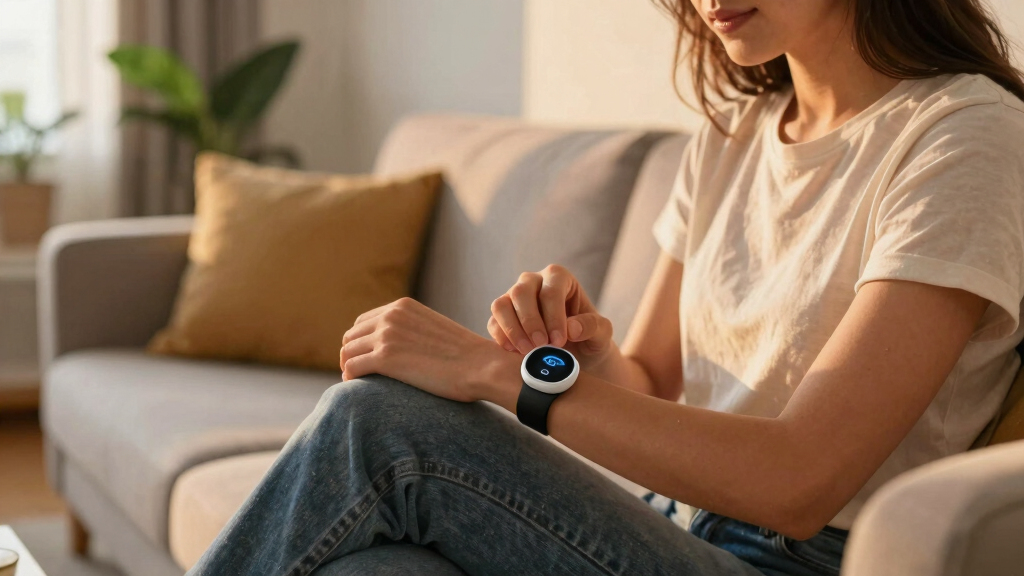
The proposed Women’s Health Radar app enables women over 40 to log daily symptoms such as sleep disruptions, mood changes, hot flashes, irregular cycles, and energy levels. It also has the option to incorporate data from consumer wearables. Using validated digital symptom scales and AI pattern detection, the system compares logged data against known perimenopause symptom patterns to flag potential transition signs early.
The tool then generates a shareable, clinician-ready symptom summary and suggests routing women to covered telehealth services or local menopause specialists. The approach emphasizes education and pattern recognition, not diagnosis, with the goal of prompting earlier clinical engagement. The initiative is testing a 4-6 week landing page and waitlist, measuring engagement through symptom tracking opt-ins and clinician referral requests. A successful signal would be more than 25% of quiz completers opting into ongoing tracking and over 10% requesting referrals or summaries.
Potential Impact on Early Diagnosis and Women’s Health
This development could significantly improve early detection of perimenopause, a phase often marked by symptoms that are misattributed or go unnoticed. By enabling women to recognize patterns early, Women’s Health Radar aims to reduce the years of untreated symptoms, improve quality of life, and facilitate timely medical intervention. Additionally, the tool could help employers and health plans reduce attrition and absenteeism linked to unmanaged menopausal symptoms, aligning health benefits with workforce needs.
As an affiliate, we earn on qualifying purchases.
Growing Focus on Menopause and Digital Health Solutions
Menopause has shifted from a taboo subject to a rapidly expanding vertical in femtech, with companies like Midi Health reaching a $1 billion valuation in February 2026. Most major PPO insurers now cover virtual menopause consultations, reflecting increased recognition of menopause management as a healthcare priority. Advances in consumer wearables, validated symptom scales, and AI have made early detection of perimenopause more feasible than ever. Despite this progress, many women remain undiagnosed for years due to limited primary care training and symptom misattribution.
The proposed Women’s Health Radar aims to leverage these technological advances to fill a critical gap in early detection, offering a scalable, digital-first approach that could complement existing clinical pathways.
„Using validated digital symptom scales and AI pattern detection, the system compares logged data against known perimenopause symptom patterns to flag potential transition signs early.“
— an anonymous researcher
As an affiliate, we earn on qualifying purchases.
Uncertainties About App Effectiveness and Adoption
It is not yet clear how accurately the Women’s Health Radar can identify early perimenopause symptoms and whether women will engage consistently over the testing period. The pilot’s success depends on user participation, symptom tracking accuracy, and the system’s ability to generate meaningful alerts without false positives. Further, it remains to be seen how healthcare providers will respond to the generated summaries and whether insurers will support widespread adoption.
As an affiliate, we earn on qualifying purchases.
Next Steps in Validation and Broader Deployment
The immediate next step involves completing the 4-6 week pilot, analyzing user engagement, symptom tracking accuracy, and referral requests. If the signal exceeds predefined thresholds, developers plan to refine the app and consider larger-scale testing. Successful results could lead to broader deployment, integration with telehealth platforms, and potential commercialization aimed at women, employers, and insurers.
As an affiliate, we earn on qualifying purchases.
Key Questions
How does Women’s Health Radar detect early perimenopause?
The app logs daily symptoms and optional wearable data, then uses AI to compare patterns against validated symptom scales, flagging likely transition signs for further clinical review.
Is this tool intended to replace medical diagnosis?
No. The tool provides educational pattern detection and symptom summaries to prompt women to seek clinical advice. It does not diagnose perimenopause but aims to improve early recognition.
Who can benefit from using Women’s Health Radar?
Women aged 40-58 experiencing unexplained symptoms related to perimenopause, as well as employers and health plans seeking to reduce health-related work disruptions.
When might this app become widely available?
Following successful pilot results and further validation, broader deployment could occur within the next 12-24 months, depending on regulatory and clinical integration processes.
Will insurers cover the recommended care prompted by the app?
Most major PPO insurers now cover virtual menopause visits, so there is potential for coverage if the app demonstrates clinical utility and aligns with existing telehealth services.
Source: IdeaNavigator AI