📊 Full opportunity report: Strength Testing In Remote Work: Improving Musculoskeletal Wellness on IdeaNavigator AI — validation score, market gap, and execution plan.
TL;DR

Employers and benefits providers are testing a new remote strength assessment tool using smartphone cameras to identify early musculoskeletal risks. This innovation aims to reduce health costs and improve employee wellness in hybrid workforces. Pilot programs are underway to validate its effectiveness and engagement.
Employers are preparing to roll out a new remote strength assessment tool that uses smartphone cameras to evaluate employees’ musculoskeletal health, aiming to prevent costly health issues before they develop. This innovation targets HR, benefits, and total-rewards leaders at mid-to-large organizations, especially those with self-insured plans, as remote work has increased musculoskeletal problems among workers. The technology’s goal is to provide early detection of mobility and posture decline, addressing a pressing health concern that is currently managed reactively.
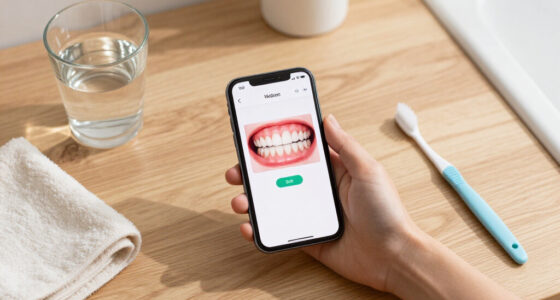
The new assessment leverages advancements in smartphone camera-based motion capture and pose estimation, enabling employees to perform simple strength, mobility, and posture tests at home within a 10-minute window. These tests include sit-to-stand repetitions, shoulder and hip range-of-motion exercises, and static posture photos taken from a seated position. The system then scores movement quality, producing a personalized musculoskeletal (MSK) risk score, along with tailored corrective routines and progress tracking over time.
Employers will access a privacy-safe dashboard that aggregates team-level MSK risk trends and engagement metrics, while flagged employees can be referred to clinical MSK or physical therapy vendors. The initial deployment involves pilot programs with one or two employers, aiming to validate the accuracy of risk scores against established self-report instruments and physical therapist assessments. Success metrics include high completion and retention rates, positive correlation with clinical assessments, and willingness of HR leaders to adopt paid pilot subscriptions.
Financially, the offering is structured as a B2B SaaS model, with per-employee-per-month (PEPM) subscriptions for wellness benefits, plus optional outcome-based pricing and revenue sharing with clinical partners. The market focus is on corporate wellness and digital MSK health solutions tailored for remote and hybrid workforces.
Implications for Employee Health and Employer Costs
This development could significantly impact how employers manage musculoskeletal health, shifting from reactive treatment to proactive prevention. Early detection of mobility decline can reduce medical claims, decrease lost workdays, and improve overall employee wellness. For benefits providers, it offers a scalable, privacy-conscious way to identify at-risk employees and intervene before costly clinical episodes occur. As remote work persists, such tools could become standard components of corporate health strategies, aligning with growing demand for digital health solutions that address the unique challenges of distributed workforces.
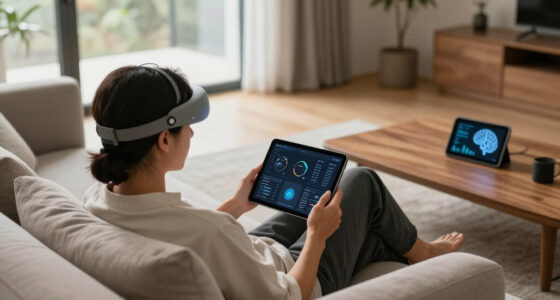
musculoskeletal assessment tools for remote work
As an affiliate, we earn on qualifying purchases.
As an affiliate, we earn on qualifying purchases.
Growing Need for Remote Musculoskeletal Prevention
Remote and hybrid work arrangements have become permanent for many knowledge workers, leading to a decline in incidental movement, commutes, and ergonomic office setups. This has driven a surge in musculoskeletal (MSK) issues, particularly neck, back, and posture-related problems. Currently, most employer health programs are reactive, addressing MSK pain only after symptoms emerge. MSK is already a leading driver of medical costs for employers, making early detection and prevention increasingly urgent. Advances in smartphone pose estimation technology have matured enough to facilitate at-home assessments without sensors or clinicians, creating an opportunity for scalable, early screening tools.
As an affiliate, we earn on qualifying purchases.
Uncertainties About Validation and Adoption
It remains unclear how accurately the camera-based risk scores will correlate with established clinical assessments and self-report questionnaires. The success of pilot programs will depend on employee engagement, privacy considerations, and the willingness of HR leaders to adopt new workflows. Additionally, the long-term effectiveness of personalized corrective routines and their impact on reducing MSK issues is still to be demonstrated in larger, diverse populations.
employee ergonomic health monitors
As an affiliate, we earn on qualifying purchases.
As an affiliate, we earn on qualifying purchases.
Next Steps in Pilot Deployment and Validation
Several organizations plan to launch pilot programs in early 2024, deploying the assessment to remote employees over 60-90 days. These pilots will measure completion rates, retention, and the validity of risk scores compared to clinical benchmarks. If successful, the technology could be expanded to broader employee populations, with ongoing refinement of scoring algorithms and integration into existing benefits platforms. Further research will explore outcomes such as reductions in MSK-related claims and improvements in employee wellness metrics.
As an affiliate, we earn on qualifying purchases.
Key Questions
How does the remote strength assessment work?
The assessment uses a smartphone camera to capture employees performing simple strength, mobility, and posture tests. Pose estimation algorithms analyze movement quality and generate a personalized MSK risk score, which guides recommendations.
What are the privacy considerations?
The system is designed to operate with privacy-safe data handling, with no storage of raw video beyond the analysis needed for scoring. Aggregate, anonymized data is available to employers for trend analysis.
Who can benefit most from this technology?
Mid-to-large employers with remote or hybrid workforces, especially those with self-insured health plans, can benefit by proactively managing MSK health and reducing related costs.
When will this tool be widely available?
Initial pilot programs are planned for early 2024, with broader availability expected after validation and refinement, potentially within 12-18 months.
Will employees need special equipment?
No. The assessment is designed to be completed using only a smartphone camera, with no additional sensors or devices required.
Source: IdeaNavigator AI