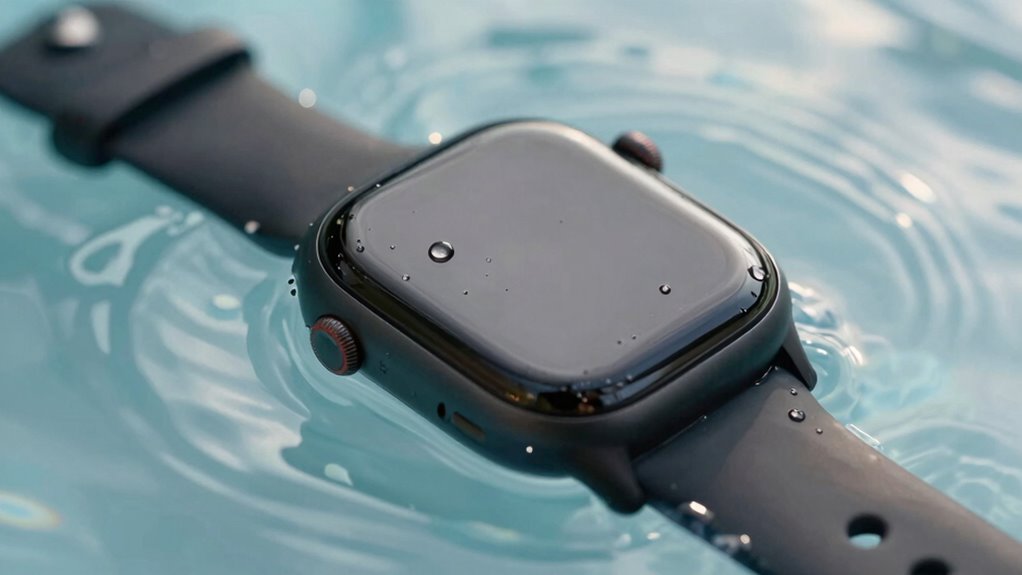

IP ratings tell you how well your devices resist dust and water. The first digit shows dust protection, while the second indicates water resistance. Ratings like IP67 or IP68 mean your device can handle splashes, rain, or even submersion for a limited time and depth— but not forever. Keep in mind, real-world conditions can be harsher, and understanding these codes helps you protect your gear better. Learn more to know what your device can truly handle.
Key Takeaways
- IP ratings specify device protection levels against dust and water, with two digits indicating solids and liquids resistance.
- Higher IP ratings (e.g., IP67, IP68) allow for longer and deeper water submersion under tested conditions.
- Water resistance is tested under controlled environments; real-world conditions like saltwater or impacts may reduce effectiveness.
- IP ratings do not guarantee indefinite water protection; external damage or wear can compromise water resistance over time.
- Always verify the specific IP rating and follow manufacturer guidelines to ensure water resistance is suitable for your activity.
What Are IP Ratings and Why Do They Matter?
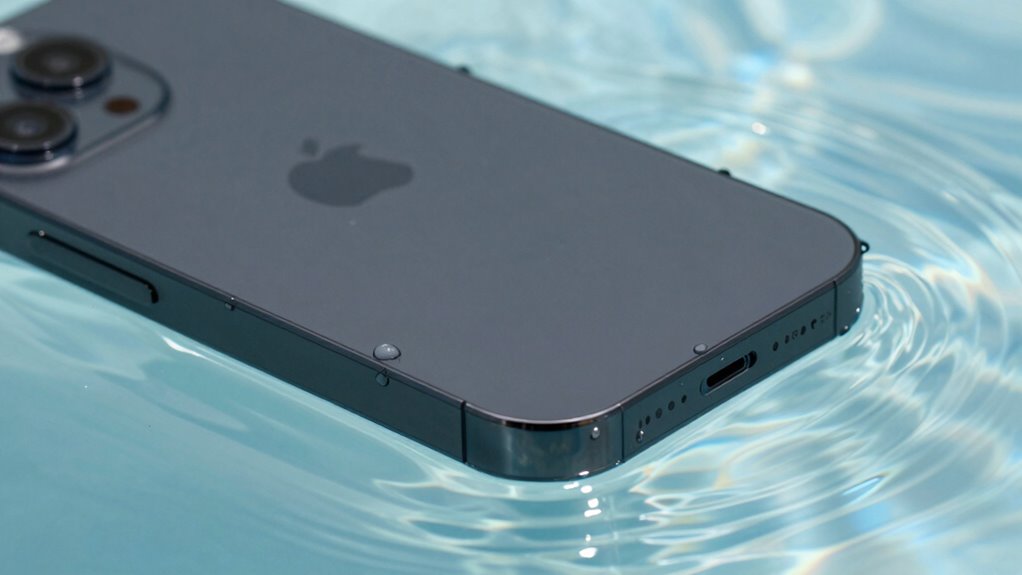
IP ratings, also known as Ingress Protection ratings, specify how well electronic devices are protected against dust and water. They help you understand a device’s durability in various environments. However, many people hold water resistance misconceptions, believing an IP rating guarantees complete waterproofing. This is a common IP rating myth; in reality, the rating indicates only the level of protection against water ingress under specific conditions. You shouldn’t assume a device labeled IP68 can be fully submerged indefinitely or withstand high-pressure water jets. Understanding IP ratings** is essential to making informed decisions about device usage and care. Recognizing the limitations of water resistance can prevent accidental damage and prolong your device’s lifespan. Knowing what IP ratings actually signify helps you set realistic expectations and avoid damaging your devices. Additionally, understanding the testing conditions used to determine IP ratings ensures you don’t overestimate your device’s capabilities. By understanding these ratings, you can better protect your electronics and prevent damage caused by misinterpreting their water resistance capabilities**.
How Do IP Ratings Work? Decoding the IP Code
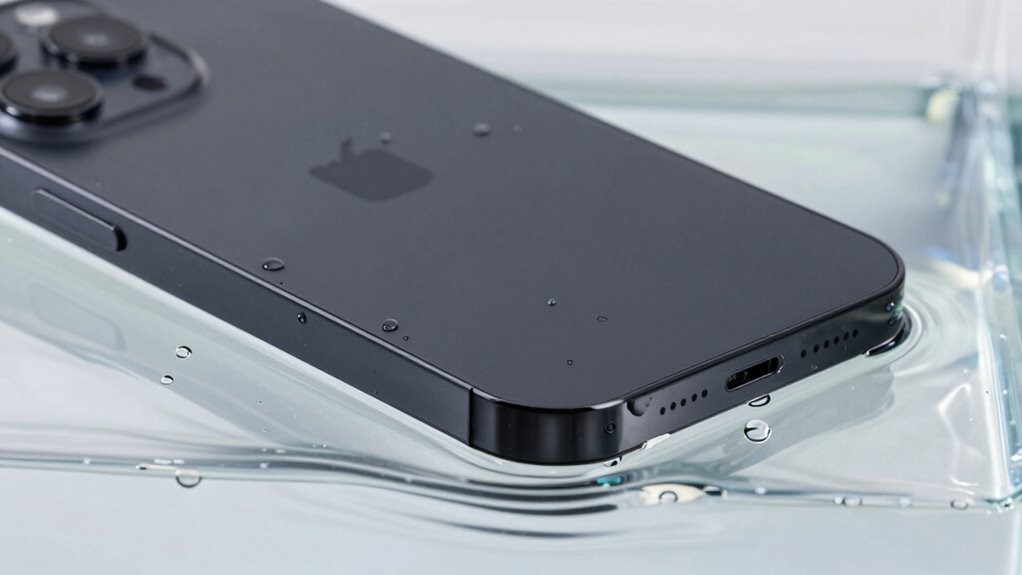
Understanding how IP ratings work requires knowing how the code is structured. The IP code combines two digits on a rating scale that indicates protection levels against solids and liquids. The first digit shows how well your device resists dust and solid objects, while the second digit reflects its ability to withstand water. To determine water resistance, manufacturers perform a water test, exposing the device to water under specific conditions. The second digit ranges from 0 (no protection) to 9K (resistant to high-pressure water jets). This rating scale helps you understand exactly what kind of water exposure your device can handle. European standards play a crucial role in defining these protection levels, ensuring consistency across different devices and markets. By decoding the IP code, you can assess whether your device is suitable for your environment or activity. Awareness of testing procedures can further inform your understanding of the reliability of these ratings. Additionally, understanding the water test conditions used during certification can provide insights into the device’s real-world durability.
What Water Resistance Levels Can Your Device Handle?

Understanding your device’s water resistance levels is vital for everyday use. IP ratings explain how well your device withstands water exposure, based on specific standards. Keep these practical tips in mind to protect your device and guarantee it performs as expected in different conditions. Knowing the water resistance classification can help you choose the right device for your needs and ensure its longevity. Additionally, being aware of the maintenance dos and don’ts for your device can prevent unnecessary damage and extend its lifespan. Recognizing IP rating limitations helps set realistic expectations about what your device can endure during routine activities. Familiarity with standardized testing procedures ensures you understand how these ratings are determined and what they truly signify. For example, understanding the testing protocols used can clarify the level of water exposure your device is designed to handle.
IP Ratings Explained
While IP ratings indicate how well a device resists water, not all levels offer the same protection. Understanding waterproof vs water resistant helps you determine what your device can handle. The IP ratings history began as a standardized way to measure dust and water protection, evolving to include detailed levels. For instance, an IP67 rating means your device is dust-tight and can withstand immersion in water up to one meter for 30 minutes. Higher ratings like IP68 offer even more protection, suitable for prolonged submersion. Recognizing the testing standards used to determine these ratings ensures consistency and reliability across different device manufacturers, making it easier to compare products. Knowing the thermal behavior of devices during testing helps explain why some devices perform better under specific water exposure conditions. Additionally, understanding water ingress protection levels can help you select gadgets that align with your outdoor activities. It is also important to consider the water resistance levels specified for different environments, as they can vary depending on the testing procedures. Remember, each level indicates a specific protection threshold, so check the exact IP rating before exposing your device to water.
Water Resistance Standards
Ever wonder what water resistance levels your device can truly handle? Water resistance standards, like those defined by IP ratings, specify how well your device can withstand exposure to water in different aquatic environments. These standards often relate to waterproof fabrics used in gear and clothing, which help protect against water ingress. For example, a device rated IPX7 can survive immersion in water up to 1 meter for 30 minutes, making it suitable for accidental splashes or brief submersion. Higher ratings, like IPX8, are designed for prolonged immersion in deeper water. Understanding these standards helps you determine whether your device can handle swimming, diving, or just everyday splashes, ensuring you choose the right level of protection for your activities in aquatic environments. Water resistance standards also influence how devices are tested and rated for various water-related challenges.
Practical Usage Tips
Knowing your device’s water resistance level helps you use it safely without unnecessary worry. Always check the IP rating before exposing your device to water, and remember that water resistance isn’t permanent—regular device maintenance can help preserve it. Use waterproof accessories, like cases or covers, for added protection during swimming or water sports. Avoid pressing buttons underwater unless specified by the manufacturer, as some water resistance levels don’t cover button seals. Be cautious with hot water or soap, which can degrade seals over time. After exposure to water, rinse your device with fresh water if it’s not fully waterproof, and dry it thoroughly. Regularly inspecting water resistance features and understanding their limitations can help you maintain your device’s protection over time. Understanding the IP rating system can help you better assess your device’s water resistance capabilities. It’s also helpful to familiarize yourself with common water damage scenarios to prevent accidental damage. For example, accidental splashes or spills are common water damage scenarios, so taking precautions can significantly prolong your device’s lifespan. Following these practical tips ensures your device stays functional and protected, maximizing its water resistance capabilities over time.
Comparing Water-Resistant and Waterproof Devices
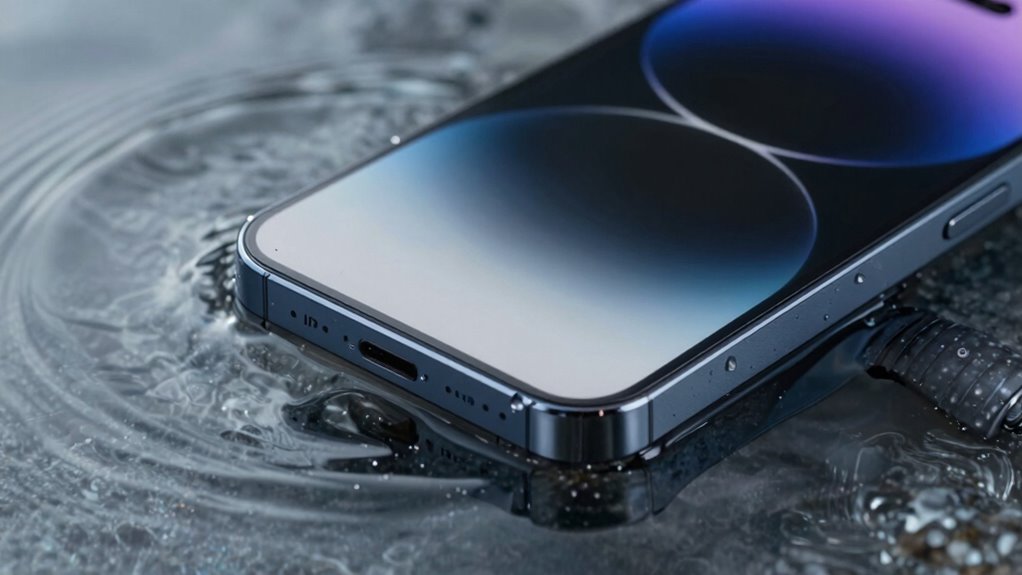
Understanding the difference between water-resistant and waterproof devices is essential when choosing the right protection for your gadgets. Waterproof vs resistant can be confusing, but knowing their distinctions helps avoid water damage myths. Water-resistant devices can handle splashes or brief exposure to water but aren’t designed for submersion. Waterproof devices, on the other hand, are built to withstand immersion over specified durations and depths. Many people assume all water-resistant devices are safe for swimming or heavy rain, which isn’t true. This misunderstanding often leads to water damage. To protect your device properly, check the IP rating carefully and follow manufacturer guidelines. Recognizing these differences ensures you select the right level of protection and avoid unnecessary damage or disappointment. Additionally, understanding device performance in water can help you make more informed choices about your gadgets’ longevity. Being aware of water-resistance ratings helps you better interpret what level of protection your device offers in various environments, especially when considering waterproof standards that specify testing conditions. For example, IP ratings quantify how well a device resists water and dust ingress, providing clearer guidance.
Understanding the IP Rating Scale From IP00 to IP69K
The IP rating scale from IP00 to IP69K provides a standardized way to measure how well a device resists dust and water. This scale helps you understand the protection level of waterproof cases and their ability to prevent water damage. As you move up the scale, your device gains better resistance, ensuring peace of mind in various environments. Understanding the standardized rating system empowers you to select the appropriate protection for your specific needs.
Which IP Rating Do You Need for Swimming, Showering, or Outdoor Use?
When choosing an IP rating for swimming, showering, or outdoor use, you need to consider how much water exposure your device will face. Think about the water depth and how long it might be submerged or exposed to moisture. Also, assess how well the device will stand up to outdoor conditions like dirt, dust, and temperature changes.
Water Depth and Duration
Are you wondering which IP rating suits your needs for water exposure? Water depth and duration are key factors in choosing the right protection. If you plan to submerge your device, contemplate higher ratings that withstand greater water depth over longer periods. For quick splashes or brief exposure, lower ratings may suffice. Remember, even a small increase in water depth or duration can compromise your device’s safety.
Here are some factors to consider:
- How deep will the water be when exposed?
- Will the device be submerged for long or just brief moments?
- Are you exposing it to outdoor elements or controlled environments?
- What water activity are you engaging in?
- How important is device longevity during water exposure?
Device Durability in Outdoors
Choosing the right IP rating for outdoor use guarantees your device withstands environmental challenges like rain, splashes, or brief submersion during swimming or showering. To ensure durability, consider impact resistance and corrosion prevention features. For outdoor activities, an IP rating of at least IPX4 offers splash protection, while IPX7 or higher guards against temporary submersion. The table below highlights key ratings for common scenarios:
| Activity | Recommended IP Rating | Focus Area |
|---|---|---|
| Showering | IPX4 or higher | Splash resistance, impact resistance |
| Swimming | IPX7 or higher | Water immersion, corrosion prevention |
| Outdoor use (rain) | IPX4 or higher | Splash, impact resistance |
| Prolonged exposure | IPX8 | Continuous submersion |
| Impact-heavy use | IPX5 or higher | Impact resistance |
Common IP Ratings in Consumer Devices and Their Protections
Many consumer devices carry IP ratings that specify their level of protection against dust and water ingress. These ratings help you understand how well your device can handle everyday hazards and safeguard its device durability. Common ratings include IP67, which withstands dust and immersion in water up to 1 meter for 30 minutes, and IP68, offering even greater water resistance. An IP65 rating shields against water jets, ideal for outdoor use, while IP54 provides basic dust and water splashes protection. Knowing these ratings can give you confidence in your device’s ability to survive accidental spills, rain, or dust exposure.
- Feel secure knowing your device can handle splashes and dust
- Avoid costly repairs from water ingress
- Trust your device in challenging environments
- Ensure durability against everyday hazards
- Confidently use your device outdoors
What IP Ratings Don’t Cover: Limitations and Risks
IP ratings don’t account for all real-world water conditions, so your device might still be vulnerable to unexpected splashes or pressure. Testing methods have limitations and may not replicate every scenario your device faces daily. Additionally, external damage like drops or impacts can compromise protection, even if the IP rating suggests otherwise.
Real-World Water Conditions
While IP ratings provide a standardized way to gauge a device’s resistance to water, they don’t account for the unpredictable and complex nature of real-world water conditions. In marine environments, factors like waves, saltwater corrosion, and sudden splashes can push your device beyond its tested limits. Submersion depth isn’t always consistent, especially during rough seas or accidental drops. You might think your gadget is safe, but unexpected currents or spray can cause damage.
- You’re caught off guard by splashes during a storm
- Waves crash over your device unexpectedly
- Saltwater accelerates corrosion faster than expected
- Sudden dives exceed rated submersion depths
- Everyday water exposure wears down protection over time
Limitations Of Testing
Even though IP ratings set a standard for water resistance, they can’t account for every real-world scenario your device might face. Testing limitations mean the lab conditions used to determine IP ratings don’t always match everyday environments. In the lab, tests are controlled, with specific water depths, angles, and durations. But in the real world, water exposure varies wildly—think splashes, quick dips, or prolonged submersion at unpredictable angles. This gap between lab versus real-world conditions can lead to misunderstandings about a device’s actual resistance. IP ratings provide a baseline, but they don’t guarantee survival in every situation. You should view these ratings as guidelines, not absolute assurances, especially when devices encounter unforeseen or extreme water exposure outside standardized testing parameters.
External Damage Risks
Although a device might have a high IP rating, it can still be vulnerable to external damage that the rating doesn’t account for. You risk impact damage from drops or knocks, scratches that compromise the casing, and exposure to corrosive elements that bypass water resistance. Without proper corrosion prevention measures, your device can rust and degrade over time, even in protected environments. Impact mitigation isn’t always guaranteed by an IP rating, especially if you handle your device roughly. Be aware of these hidden dangers that can void warranties or cause permanent damage. Protect your investment by practicing careful handling, adding protective cases, and cleaning regularly. Remember, water resistance doesn’t mean invincibility—external damages can still threaten your device’s longevity and performance.
How to Protect Your Devices Based on Their IP Rating
Understanding your device’s IP rating is essential for protecting it effectively. It guides you on how to prevent water ingress and ensure proper device sealing. For example, a device rated IP67 can withstand immersion up to 1 meter for 30 minutes, while IP68 offers deeper, longer protection. To match protection needs, consider the following:
| IP Rating | Suitable Usage | Precautions |
|---|---|---|
| IP65 | Sprays and light rain | Avoid submersion |
| IP67 | Temporary immersion in water | Don’t expose to continuous water |
| IP68 | Continuous water exposure | Use in high-moisture environments |
Choose your device’s protection level based on your environment, and *guarantee* proper sealing to prevent water ingress.
Should You Rely Solely on IP Ratings for Water Safety?
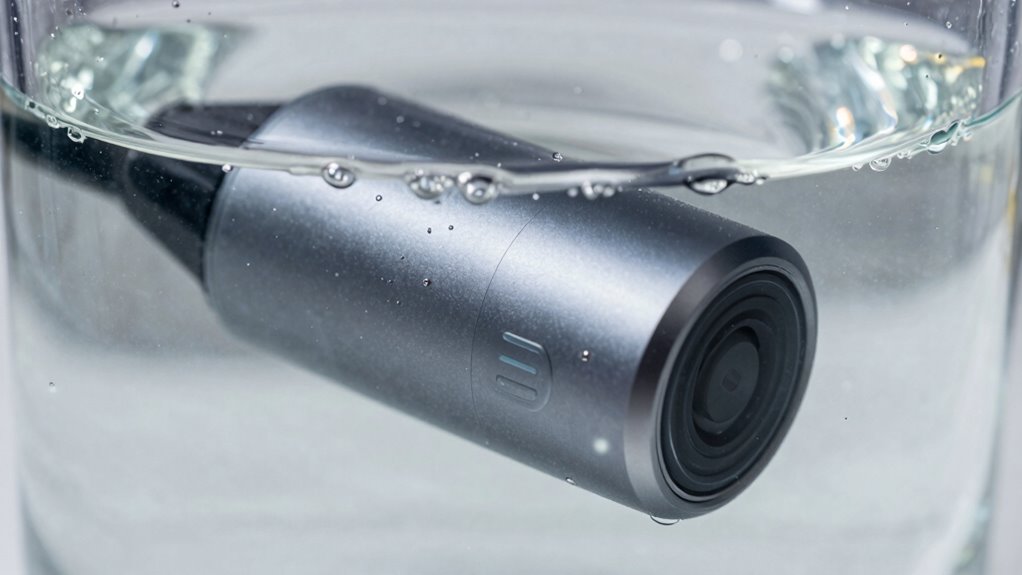
Relying solely on IP ratings for water safety can be risky because these ratings don’t account for all real-world conditions. Even waterproof fabrics and aquatic sports gear rated highly may fail under harsh environments or improper handling. Don’t assume your device or gear is invincible without considering other factors.
- Leaks from accidental drops or impacts
- Prolonged exposure beyond rated times
- Saltwater or chlorinated water damage
- Improper sealing or wear over time
- Sudden temperature changes weakening seals
While IP ratings offer useful guidance, they shouldn’t be your only safety measure. Use additional protections like cases, careful handling, and regular maintenance to truly safeguard your gear. Your confidence shouldn’t rest on a number alone.
Frequently Asked Questions
Can an IP Rating Change Over a Device’s Lifespan?
Yes, an IP rating can change over your device’s lifespan due to wear and tear or manufacturing variability. Over time, seals may degrade or become compromised, reducing water resistance. Additionally, manufacturing inconsistencies can mean some devices don’t meet the rated standards initially, or their ratings may diminish faster with usage. To keep your device protected, avoid exposing it to harsh conditions and consider regular maintenance or testing its water resistance.
Are There Environmental Factors That Affect Water Resistance?
Environmental factors like humidity effects and chemical exposure can substantially impact your device’s water resistance over time. Studies show that prolonged humidity exposure can degrade seals, reducing protection by up to 30%. Chemical exposure from cleaning agents or saltwater can corrode protective coatings, weakening water resistance. To keep your device protected, avoid exposing it to extreme humidity and harsh chemicals, and regularly inspect seals for signs of wear.
How Do Dust and Debris Impact Water Resistance?
Dust and debris can substantially impact your device’s water resistance by causing dust intrusion and debris accumulation around seals and ports. This buildup can compromise the integrity of the protective barriers, making it easier for water to seep in during exposure. Regular cleaning and ensuring seals are intact help maintain water resistance. Remember, dirt and debris aren’t just an annoyance—they can weaken your device’s ability to stay water-resistant over time.
Is There a Standard Testing Procedure for IP Ratings?
Yes, there is a standard testing procedure for IP ratings. Manufacturers follow specific testing standards established by the International Electrotechnical Commission (IEC), particularly IEC 60529. During the certification process, your device undergoes rigorous testing for dust ingress and water resistance, simulating real-world conditions. If it passes, it receives an IP rating, providing assurance of its protection level. This standardized process guarantees consistency and reliability across different products.
Can You Upgrade a Device’s Water Resistance After Purchase?
You can’t typically upgrade a device’s water resistance after purchase, but you can improve its waterproofing with sealing enhancements. If your device’s current waterproofing isn’t enough for your needs, consider professional repairs or specialized sealants designed for electronics. It’s like finding a hidden layer of protection—sometimes, a little extra sealing can make all the difference, giving you peace of mind in unexpected splashes or showers.
Conclusion
Knowing the IP rating of your device helps you understand its water resistance capabilities, but remember, no rating guarantees full protection. Did you know that around 80% of smartphone users have experienced water damage at some point? By understanding these ratings, you can better protect your gadgets and avoid costly repairs. Always consider the specific rating and limitations, and don’t rely solely on IP ratings—your device’s safety depends on proper care and usage.