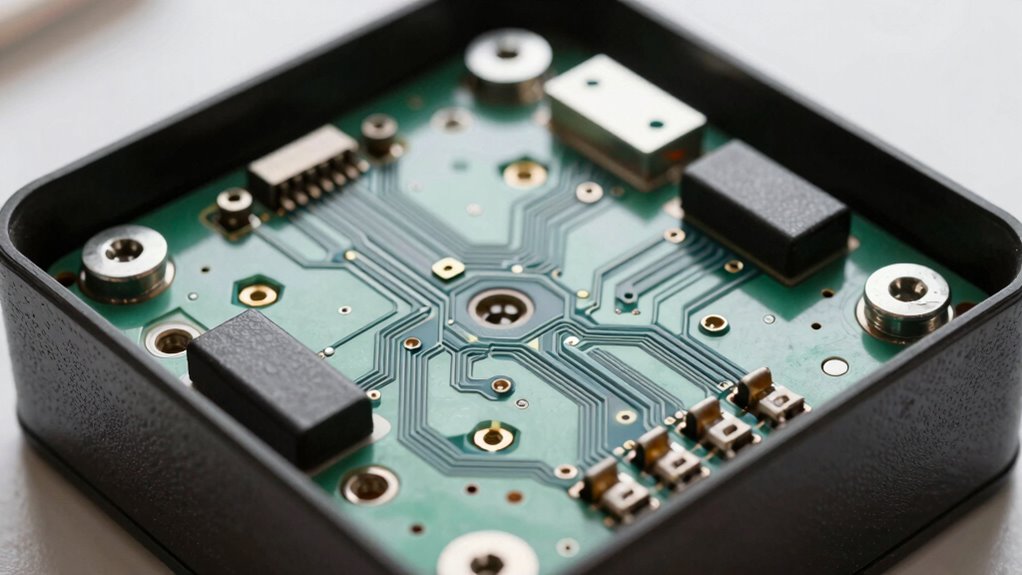

Repairability silently influences how long a product lasts and how sustainable it is. When a device is designed for easy repairs—like accessible parts, clear guides, and modular components—it’s more likely to be fixed quickly and last longer. This benefits both your wallet and the environment. If you want to understand how repairability predicts longevity and what design features support it, keep exploring this important yet understated factor.
Key Takeaways
- Repairability is a subtle yet critical factor influencing product lifespan by enabling easier maintenance and component replacement.
- Higher repairability scores correlate with longer device durability and reduced electronic waste.
- Design features like modular components, accessible screws, and repair guides enhance repairability.
- Manufacturer commitment to spare parts availability and support extends product longevity.
- Repairability metrics help consumers and manufacturers prioritize sustainable, long-lasting products.
What Is Repairability and Why Is It Important?
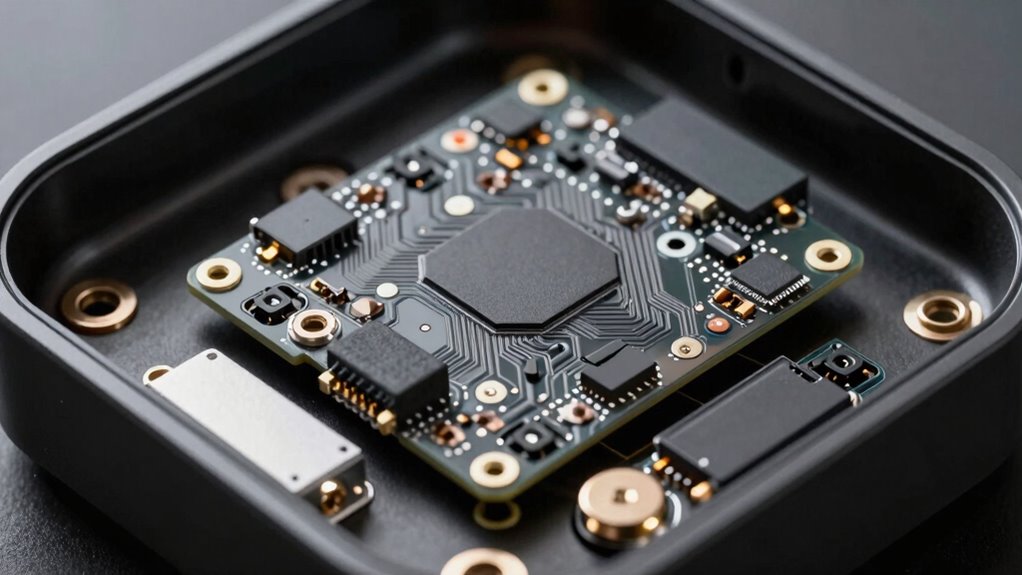
Have you ever wondered why repairability matters? It directly impacts your experience with a product, especially through warranty policies and customer support. When a device is repairable, manufacturers often offer better warranty coverage, knowing they can fix issues easily rather than replacing the whole unit. This approach fosters long-term sustainability by reducing electronic waste and conserving resources. This also encourages product durability, making devices more resilient over time. This means you’re more likely to get prompt repairs and reliable support if something goes wrong. Repairability also reflects how accessible spare parts and manuals are, making it easier for you or a technician to fix the product. Good repairability can save you money and reduce waste. Additionally, design for repair can influence how easily components can be replaced or upgraded, further extending its lifespan. The availability of replacement parts and clear repair instructions demonstrates a company’s commitment to durability and customer support, ensuring you receive long-lasting value from your investment. Moreover, user-repairability can empower consumers to maintain and extend the life of their devices, promoting a culture of sustainability.
How Does Repairability Affect a Product’s Durability and Lifespan?
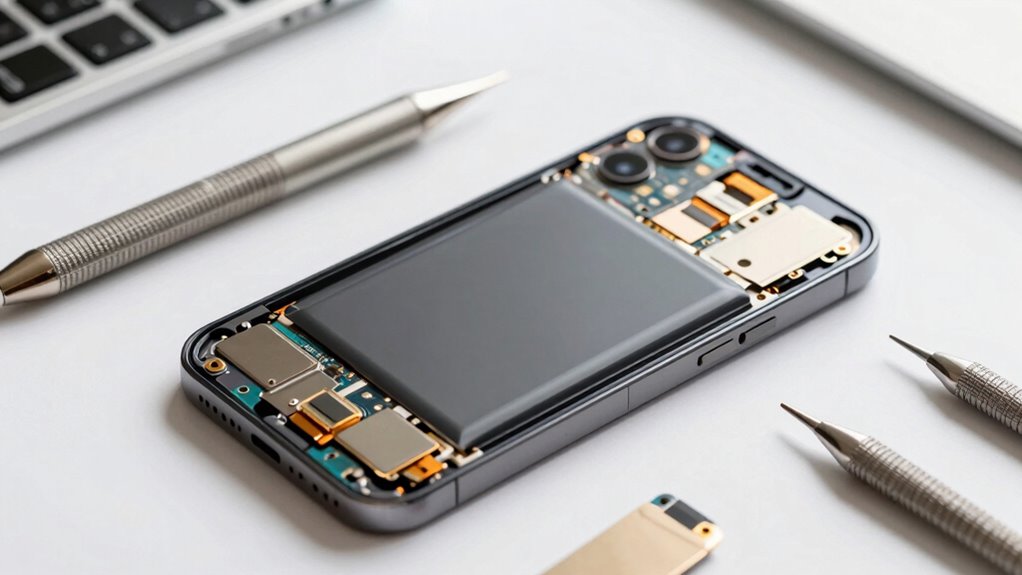
When a product is easy to repair, it often lasts longer because you can fix issues before they become serious. Having access to replacement parts and durable components makes repairs smoother and extends the product’s lifespan. By focusing on these factors, you can guarantee your device stays functional and reliable over time. Additionally, smart appliance integration can help monitor device health and alert you to potential issues early, further promoting longevity. Understanding modular design principles can also facilitate easier repairs and upgrades, contributing to a longer product lifespan. Emphasizing repairability features in product design encourages consumers to maintain and extend the usability of their devices, especially when combined with connected technology that enhances maintenance and diagnostics. Incorporating reliable component selection can also ensure that parts are less prone to failure, boosting overall durability.
Ease of Repairs
How easily a product can be repaired directly influences its durability and lifespan. When repairs are straightforward, you’re more likely to fix issues promptly, extending the product’s life. Features like modular design make repairs simpler by allowing you to replace specific parts without disassembling the entire device. Access to clear repair guides further reduces complexity, saving you time and frustration. Consider this table:
| Aspect | Impact on Repairability | Resulting Effect |
|---|---|---|
| Modular Design | Easier part replacement | Longer product lifespan |
| Repair Guides | Clear instructions for repairs | Quicker fixes |
| Accessibility | Easy access to internal components | Reduced repair time |
Together, these factors make repairs more feasible, directly boosting a product’s durability.
Replacement Part Availability
Replacement part availability plays a crucial role in determining a product’s durability and lifespan. When spare parts are accessible, you can easily repair and extend your device’s life, avoiding premature disposal. Limited availability of replacement parts often leads to product obsolescence, regardless of its initial quality. Consider these factors:
- Manufacturers’ commitment to providing spare parts for an extended period.
- Ease of sourcing replacement components in local or online markets.
- Design choices that allow for simple disassembly and part replacement.
- Availability of third-party or generic spare parts that can supplement original components.
- The repairability of a device, which directly influences whether it can be maintained over time and ultimately affects its longevity.
Component Durability
Component durability directly influences a product’s overall lifespan, and repairability plays a key role in maintaining that durability. When components are designed with high resilience, they withstand wear and tear better, reducing the need for early replacements. Material robustness ensures components resist damage from environmental factors, extending their functional life. Repairable products often use parts that are easier to replace or upgrade, which helps preserve the original component resilience. This approach prevents the deterioration of other interconnected parts and maintains the product’s integrity over time. By focusing on enhancing component durability through strong materials and resilient design, you can greatly boost a product’s longevity. Additionally, employing reliable backup power solutions with durable components can ensure continuous operation during outages, further extending the lifespan of the equipment. Understanding component resilience can help you select tools and products built to last longer and withstand demanding conditions. Recognizing the importance of modular design allows for easier repairs and upgrades, contributing to a longer product life. Incorporating durable materials during manufacturing can significantly improve overall component longevity. Moreover, advances in manufacturing quality control can reduce defects that compromise component durability, leading to longer-lasting products. Ultimately, repairability and durable components work together to create products that last longer, saving you money and reducing waste.
What Design Features Make Devices Easier to Repair?
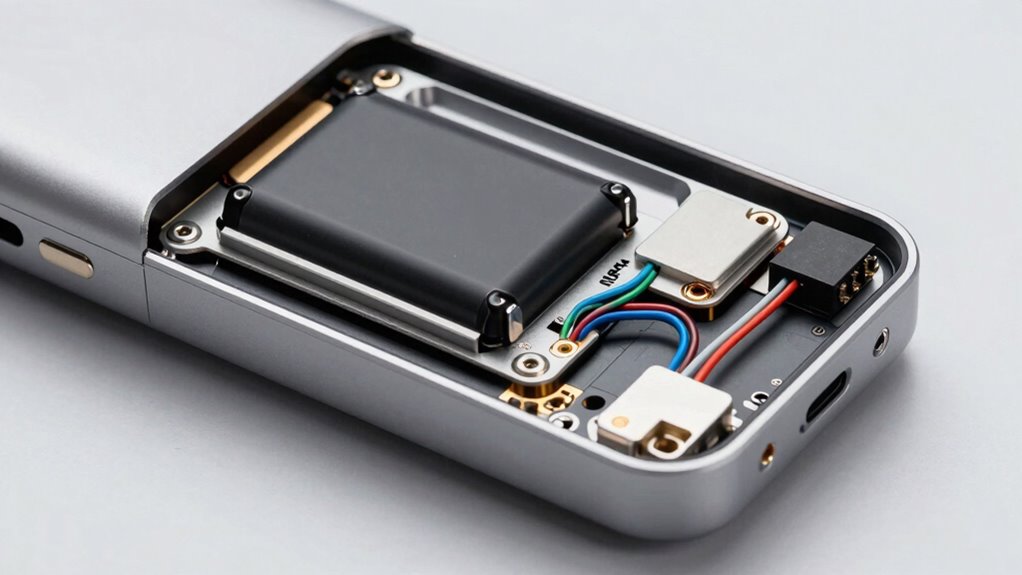
What design features make devices easier to repair? You’ll find that thoughtful design can notably boost repairability. First, modular design allows you to replace or upgrade individual parts without discarding the entire device. Second, repair-friendly interfaces, like accessible screws and connectors, make disassembly straightforward. Third, clear labeling of components saves time when troubleshooting. Fourth, standardized parts simplify repairs and reduce costs. Additionally, incorporating thermal behavior considerations into the design can prevent overheating issues that lead to damage. These features ensure your device is easier to open, diagnose, and fix, extending its lifespan. Moreover, design for durability enhances overall repairability by making components more resilient to wear and tear. By prioritizing modular design and repair-friendly interfaces, manufacturers empower you to maintain your device rather than replace it prematurely. Incorporating repairability metrics into product development can help assess and improve these features further. Furthermore, considering long-term sustainability in design decisions supports environmental goals by reducing electronic waste. Incorporating accessible components also allows for easier replacement of parts, further extending device longevity. Ultimately, these design choices positively impact longevity and reduce electronic waste, making repairability a silent but powerful factor in your device’s durability.
How Can You Evaluate a Product’s Repairability Before Buying?
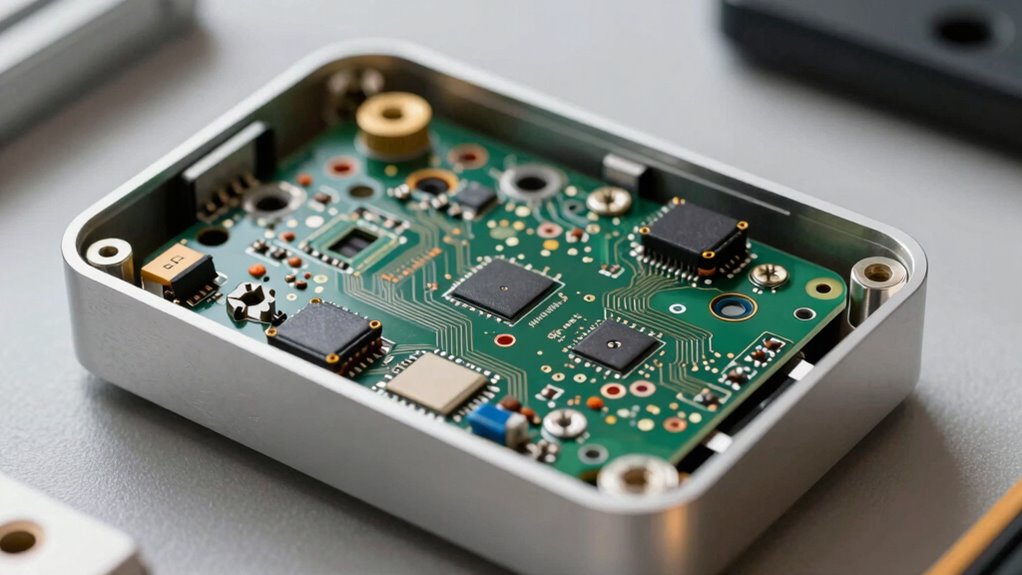
Before purchasing a device, it’s important to evaluate its repairability to guarantee you’ll be able to fix it if needed. Start with a quick cost analysis: consider repair parts, labor, and potential upgrades. Research the brand reputation for support and transparency; trusted brands often provide better repair resources. Look for removable batteries, accessible screws, and modular components as signs of repair-friendly design. Use this table to compare options:
| Feature | Indicator of Repairability | Brand Reputation Impact |
|---|---|---|
| Replaceable Battery | Easy to swap | Reliable brands often offer better support |
| Modular Components | Simple to upgrade/repair | Reputable brands tend to design with repair in mind |
| Accessible Screws | Easier disassembly | Brand reputation influences spare part availability |
| Repair Guides | Clear instructions | Well-known brands provide better guides |
| Cost of Parts | Affordable replacements | Trusted brands offer affordable parts |
Evaluating these factors helps you choose a device that’s easier and cheaper to repair. Additionally, considering regional support and warranty policies can further ensure a smoother repair process, especially when selecting products designed with repairability in mind.
Why Do Repair-Friendly Products Benefit the Environment and Your Wallet?
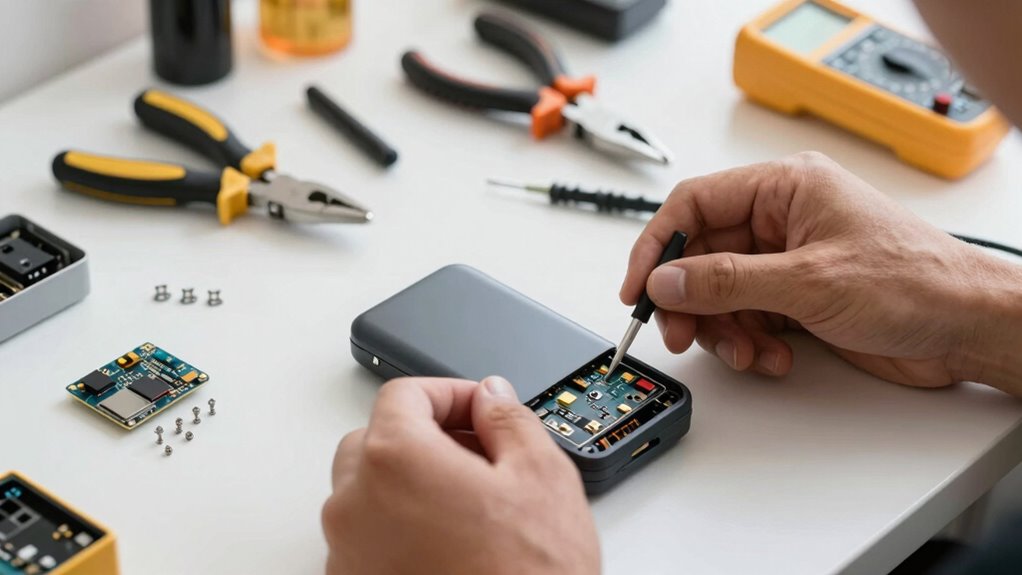
Choosing repair-friendly products can substantially reduce your environmental impact and save you money. When you choose items designed for easy repair, you extend their lifespan, which means fewer products end up in landfills. Additionally, repair-friendly products lower your costs by reducing the need for replacements and expensive professional repairs. Here’s why they matter:
- Minimize waste and reduce environmental impact by keeping products in use longer.
- Save money on repairs instead of buying new items frequently.
- Decrease demand for resource-intensive manufacturing processes.
- Promote sustainable consumption habits that benefit both your wallet and the planet.
- Incorporating Deaf Vibes techniques can enhance communication and understanding, making it easier to advocate for and select repair-friendly products.
How Can Manufacturers Improve Repairability and Build Better Products?
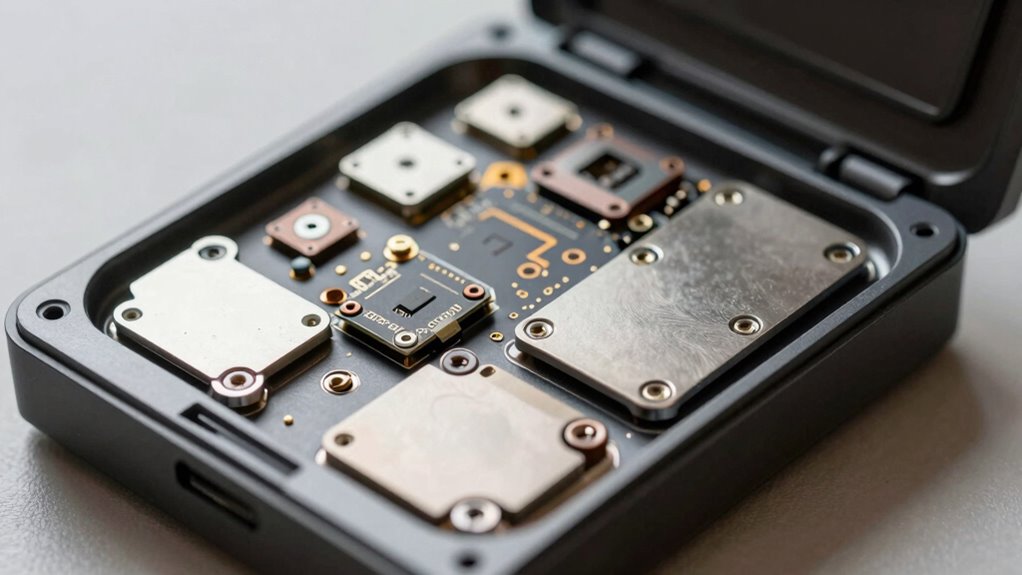
Manufacturers play a crucial role in improving repairability by designing products with user-friendly features and modular components. Modular design allows you to replace or upgrade parts easily, extending product lifespan. Offering repair incentives, like spare parts or repair guides, motivates users to fix devices instead of discarding them. To illustrate, consider the following strategies:
| Strategy | Benefit |
|---|---|
| Modular design | Simplifies repairs and upgrades |
| Repair incentives | Encourages user participation |
| Easy disassembly | Saves time and reduces damage |
| Clear repair instructions | Empowers consumers to fix products |
| Durable materials | Ensures longevity and sustainability |
A focus on document management can help consumers keep track of repair manuals and parts, making maintenance easier. Incorporating repairability metrics into product evaluations can further incentivize manufacturers to prioritize easier repairs and sustainable design choices.
Frequently Asked Questions
How Does Repairability Influence a Product’s Resale Value?
Your product’s repairability considerably impacts its resale value. When it’s easy to repair, buyers see it as a durable, long-lasting investment, boosting resale value. The repairability impact means that if you maintain and fix the item easily, it stays in good condition, attracting more buyers. So, high repairability makes your product more desirable and retains its worth better over time, ensuring you get a better return when selling.
Are Repairable Products More Resistant to Obsolescence?
Yes, repairable products are more resistant to obsolescence because they embody manufacturer responsibility and empower you as a consumer. When products are designed for easy repair, you can extend their lifespan, reducing the need for replacement. This proactive approach helps you avoid planned obsolescence, making your purchases more sustainable and cost-effective. By choosing repairable options, you take control and support brands that prioritize longevity and responsible manufacturing.
What Certifications Indicate High Repairability Standards?
You should look for certification standards like the iFixit Repairability Score or the TCO Certified label, which indicate high repairability benchmarks. These certifications guarantee products meet strict repairability standards, making repairs easier and more sustainable. By choosing devices with such certifications, you’re supporting products designed for longevity and ease of maintenance, reducing waste and obsolescence. Always check for these marks to ensure you’re selecting repair-friendly, durable products.
How Do Repairability Scores Vary Across Different Industries?
You’ll find repairability scores vary vividly across industries, driven by differing standards and sustainability strides. In tech and electronics, repairability benchmarks tend to be higher, emphasizing ease of fixing and upgrading. Automotive and appliance sectors often prioritize durability over repair ease, leading to lower scores. Industry standards shape these disparities, making some sectors more repair-friendly, while others prioritize performance or cost, ultimately impacting longevity and consumer confidence.
Can Repairability Be Incorporated Into Product Design From the Start?
Yes, you can incorporate repairability into product design from the start by focusing on modular design and repair-friendly materials. By making products easy to disassemble and replace parts, you improve longevity and sustainability. Choose durable, repair-friendly materials that resist wear and tear. This approach not only benefits consumers but also enhances your brand’s reputation for eco-conscious, long-lasting products, ultimately reducing waste and repair costs over time.
Conclusion
By choosing repairable products, you’re practically extending their lifespan forever—like turning your gadgets into immortal tech legends! Repairability isn’t just a tiny detail; it’s the secret sauce that keeps your devices alive, happy, and eco-friendly. So, next time you buy something, remember: a repair-friendly product is your best friend in the battle against waste, expense, and the cruel march of technology obsolescence. Embrace repairability and become a hero for your wallet and the planet!