Heated air feels dry because it can’t hold as much moisture, resulting in low humidity levels that cause discomfort, dry skin, and static shocks. When your heater warms the air, it expands and reduces its moisture content, making the environment feel parched. To fix this, you can add moisture naturally with houseplants, bowls of water, or use a humidifier. Keep going to discover simple ways to boost indoor humidity and stay comfortable year-round.
Key Takeaways
- Heated air holds less moisture because warm molecules expand and reduce overall humidity levels.
- Dry indoor air causes skin irritation, static shocks, and discomfort, making the environment feel uncomfortably dry.
- Heating systems often draw in dry outside air, which lowers indoor humidity even further.
- Simple methods like houseplants, water bowls, and damp towels naturally add moisture to the air.
- Using humidifiers and sealing drafts helps maintain comfortable indoor humidity levels year-round.
Why Does Heated Air Feel Dry? The Science of Indoor Humidity
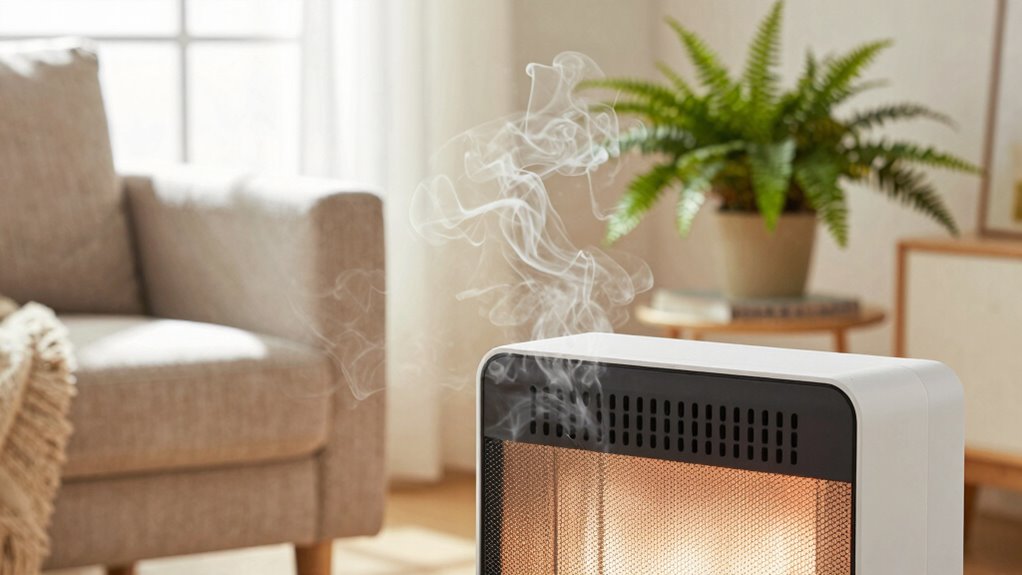
When you turn on your heater, the air around you often feels dry, and that’s because heated air can hold less moisture than cooler air. As air warms, its molecules move faster, causing thermal expansion that reduces air density. This expansion makes the air less capable of holding water vapor, which is why indoor spaces feel drier. The decrease in air density means moisture molecules are less concentrated, leading to lower humidity levels. Fundamentally, heating causes the air to stretch out, spreading out water molecules and making the environment feel arid. Additionally, indoor humidity can be further affected by factors such as ventilation and insulation, which influence moisture retention. Proper humidity levels are also influenced by climate control systems, helping maintain comfortable indoor environments. Understanding this science helps you see why indoor heating can lead to dryness and why adding humidification can restore comfort.
How Do You Know If Your Indoor Air Is Too Dry? Signs to Watch For
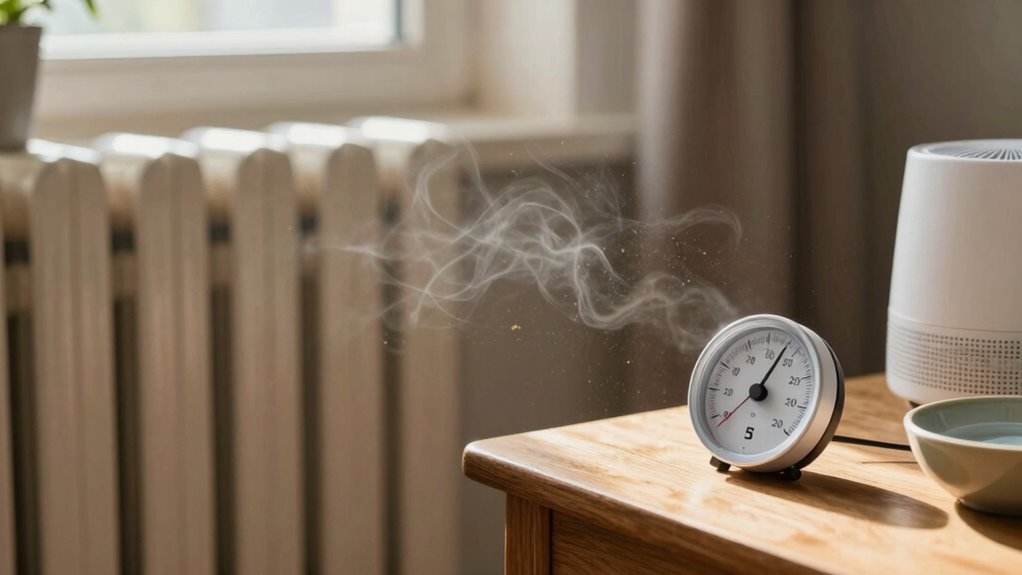
If your skin feels dry and your lips are constantly chapped, your indoor air might be too dry. You may also notice more static shocks than usual when you walk across carpets or touch metal surfaces. These signs can help you identify when humidity levels need adjustment. Additionally, air quality and humidity levels play a crucial role in overall comfort and health, making it important to monitor and maintain proper indoor moisture. Being aware of indoor humidity standards can help you determine if your home’s moisture levels are within a healthy range. Regularly measuring your indoor humidity can help you catch problems early and maintain a comfortable environment. Proper humidity levels can also prevent piercing irritation, ensuring your body remains comfortable in your environment. Maintaining appropriate humidity can also help reduce respiratory issues, promoting better breathing and overall health.
Dry Skin and Lips
Ever notice your skin feels tight or your lips start to crack even when you’re not exposed to cold weather? That’s a clear sign your indoor air might be too dry. When humidity drops, your skin loses moisture faster, leading to dryness and irritation. You might also see flakiness or redness, especially on your face and hands. Lips are particularly vulnerable, so you’ll want to keep lip balm solutions handy to prevent cracking and discomfort. To combat this, incorporate moisturizing routines that include hydrating creams and oils. Using a humidifier can also help maintain ideal humidity levels, reducing dryness and improving your skin’s overall health. Additionally, understanding the contrast ratio of your environment can influence how comfortable you feel indoors, especially in relation to lighting and ambient conditions. Paying attention to these signs can help you take quick action before dryness worsens, and choosing moisturizing products that contain nourishing ingredients can provide extra protection against dry air.
Increased Static Electricity
Dry indoor air doesn’t just affect your skin and lips—it can also cause an increase in static electricity. You might notice unexpected static shocks when touching doorknobs or appliances. Clothing cling becomes common, making you feel uncomfortable and self-conscious. These signs point to air that’s too dry, especially during winter or in heated spaces. You may also see your hair standing on end or hear crackling sounds when moving around. If these symptoms sound familiar, your indoor humidity levels are likely low. To prevent this, consider using humidifiers or placing bowls of water near heat sources. Maintaining proper humidity helps reduce static shocks and clothing cling, making your environment more comfortable and less surprising. Additionally, understanding indoor humidity levels can help you better manage these issues and create a more comfortable living space.
Why Do Heating Systems Make the Air Dry? Understanding Your Heater’s Impact
Heating systems work by warming the air inside your home, but this process often leads to dry indoor air. When your heater runs, it increases the temperature, which can cause moisture in the air to evaporate quickly. This affects air circulation, making the air feel thinner and less comfortable. As the heater maintains temperature regulation, it continuously pulls in dry, outside air and heats it without adding moisture. Since warm air naturally holds more moisture but doesn’t generate it, the overall humidity drops. This dry air can cause discomfort, dry skin, and static. Understanding your heater’s impact helps you recognize why indoor air becomes dry during heating seasons and why adding humidity can improve your comfort. Additionally, the lack of moisture can hinder your body’s natural ability to regulate temperature, making you feel colder even when the thermostat is set higher. Proper humidity levels are essential for maintaining overall health and comfort during indoor heating periods.
Natural Ways to Boost Indoor Humidity at Home
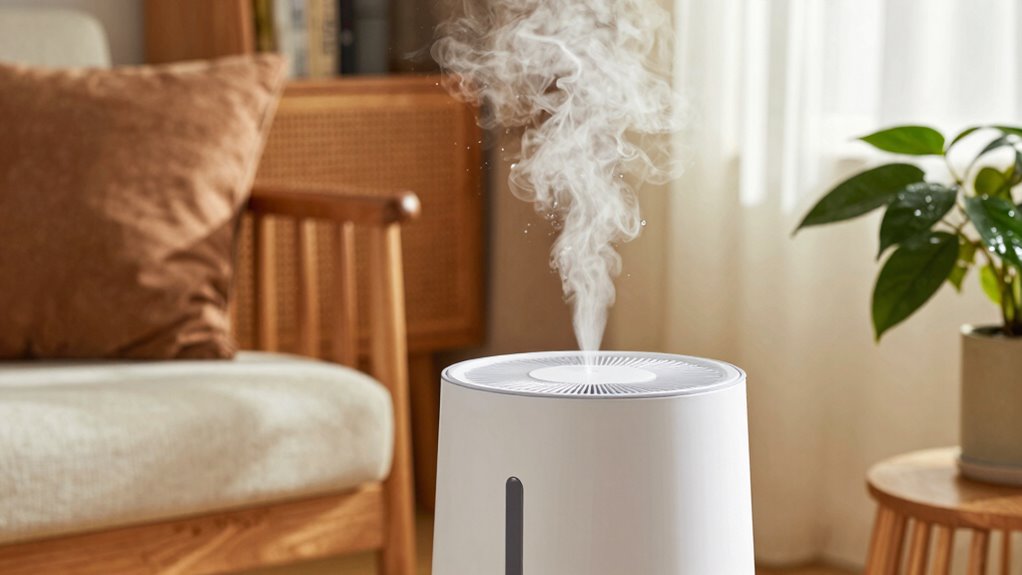
You can naturally increase indoor humidity by adding houseplants, which release moisture into the air. Placing bowls of water around your home or hanging damp towels also helps keep the air moist. Houseplants are especially effective because they continuously transpire moisture, contributing to a more comfortable environment. These simple methods are effective and easy to incorporate into your daily routine. Additionally, using humidifiers can provide a consistent and controlled way to maintain optimal humidity levels indoors. Incorporating air purifiers with humidifying features can further enhance air quality and moisture levels simultaneously. Engaging in biodiversity-friendly practices like maintaining plant diversity indoors can also support a healthier and more balanced indoor ecosystem.
Houseplants as Humidifiers
Houseplants can be a natural and effective way to increase indoor humidity without relying on electrical humidifiers. When your plants are well-hydrated, they release moisture into the air through a process called transpiration, which boosts foliage humidity. To maximize this effect, keep your plants consistently watered, ensuring their soil remains moist but not waterlogged. Larger, leafy plants tend to release more moisture, making them especially beneficial for raising indoor humidity levels. Grouping several plants together can amplify this effect, creating a mini humid microclimate. Not only do you improve air moisture, but you also enjoy healthier, greener plants. Regular plant hydration directly contributes to a more comfortable environment, especially during dry winter months when heated air tends to strip moisture from the air. Additionally, choosing appropriate plant varieties can further enhance humidity levels effectively. Incorporating plants with larger leaves can significantly increase the transpiration process and boost overall humidity more efficiently. Using plants with high transpiration rates can help optimize this natural humidification method even further.
Use of Bowls of Water
Placing bowls of water around your home is a simple, effective way to boost indoor humidity naturally. As water evaporates from the surface of each bowl, it releases moisture into the air, helping to combat dryness caused by heating systems. To maximize water evaporation, position bowls near heat sources or vents, which increase the rate of moisture release. Proper bowl placement is key—avoid placing them in direct sunlight or near drafts that can cause uneven humidity levels. Keep the bowls clean and refill them regularly to maintain consistent moisture output. This low-cost method provides a steady increase in humidity, making your environment more comfortable without complicated equipment. It’s an easy, natural fix that enhances indoor air quality and reduces dry, uncomfortable air. Understanding humidity levels can help you better manage indoor comfort and health. Maintaining proper indoor air quality is essential for overall comfort and well-being, especially during the dry winter months. Additionally, using humidifiers can further support maintaining optimal humidity levels for a more comfortable living space. Proper ventilation and air circulation can also prevent stale air and promote a healthier environment.
Hanging Damp Towels
Hanging damp towels in your home is a simple and effective way to increase indoor humidity naturally. When you towel dry after a shower or wash, hang those damp cloths or towels in a well-ventilated area. As the moisture evaporates, it adds humidity to the air, making your environment more comfortable. This method works best in humidifier-deficient spaces like bathrooms or laundry rooms. To maximize the effect, ensure towels are hung in areas with good airflow and away from direct heat sources. You can also reuse damp cloths or towels for this purpose instead of discarding them immediately. Incorporating this simple practice supports water resistance in your environment and can help alleviate the sensation of dry air. Additionally, using electric power generation through bike generators can provide a sustainable way to power small humidifiers and other devices, further improving air moisture levels. For even better results, consider combining this method with humidifiers or other humidity-boosting techniques to maintain optimal indoor comfort.
Furthermore, understanding the role of AI Ethicist Jobs can help develop smarter, ethically aligned systems that manage environmental controls more efficiently.
Choosing the Right Humidifier: Types, Benefits, and Tips for Best Results

Choosing the right humidifier can considerably improve your indoor air quality and comfort, especially during dry seasons. When selecting a model, consider factors like room size, noise levels, and ease of humidifier maintenance. A cool-mist humidifier suits bedrooms and living areas, while a warm-mist unit works well in smaller spaces. To choose the right model, look for features such as adjustable humidity controls and easy cleaning options. Proper maintenance ensures your humidifier runs efficiently and prevents mold growth. Here’s a quick comparison:
| Humidifier Type | Benefits |
|---|---|
| Cool-mist | Quiet, good for large rooms |
| Warm-mist | Kills bacteria, warm air |
| Ultrasonic | Energy-efficient, quiet |
| Evaporative | Self-regulating, low noise |
| Steam vapor | Fast humidification |
Picking the right humidifier helps you maintain ideal humidity levels effortlessly.
Other Simple Fixes to Keep Your Indoor Air Moisturized
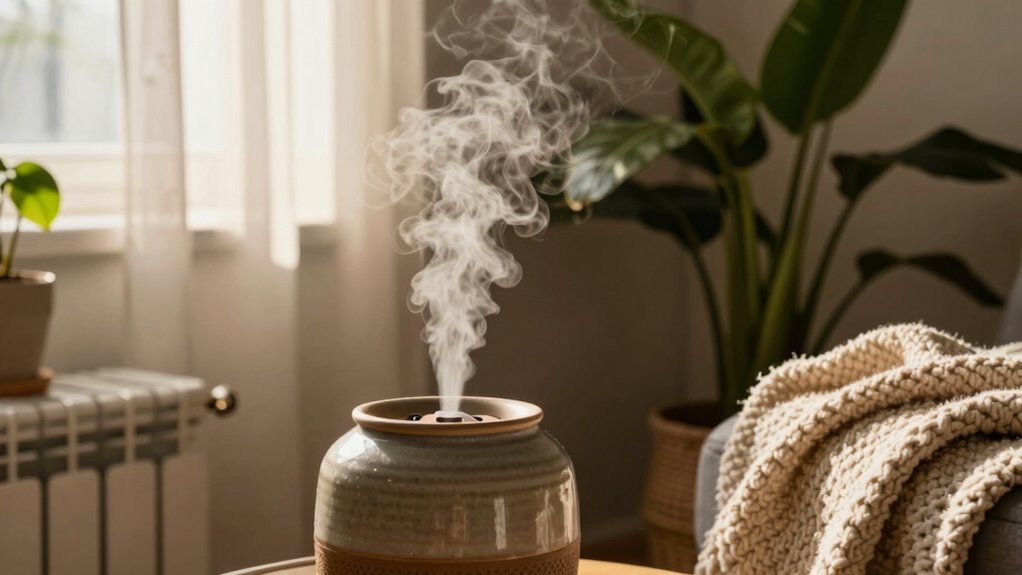
When your indoor air feels dry despite using a humidifier, simple adjustments can make a noticeable difference. Start by ensuring your humidifier is well-maintained; clean it regularly to prevent mold and bacteria buildup. Consider air quality testing to identify dry air sources or pollutants that could affect humidity levels. You can also:
- Use bowl of water near heat sources to add moisture passively
- Place houseplants indoors to naturally increase humidity
- Seal drafts and leaks to prevent dry, cold air from entering
- Keep doors and windows closed during heating to retain moisture
These small steps support your humidifier’s effectiveness and improve overall air quality. Keeping your indoor air properly moisturized doesn’t require complicated solutions—just some simple, consistent adjustments.
Maintaining the Right Humidity Levels All Year Round
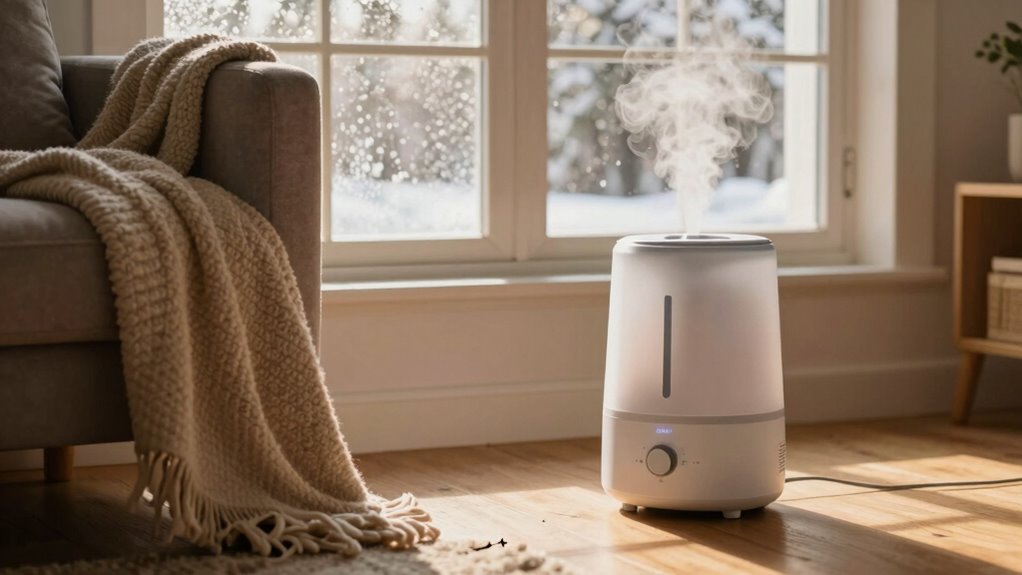
Maintaining the right humidity levels throughout the year requires consistent effort and adjustments based on seasonal changes. You need to stay attentive to your home’s humidity control, which can fluctuate with outside weather. During winter, when heated air tends to dry out indoor spaces, use humidifiers or other methods to add moisture. In summer, reduce humidity by ventilating or using dehumidifiers to prevent excess moisture. Regularly monitor indoor humidity with a hygrometer to ensure it stays between 30-50%. Seasonal adjustments are key—what works in winter may not be effective in summer. By staying proactive and making small tweaks, you can keep your indoor air comfortable and healthy year-round. Proper humidity control helps prevent dryness and maintains overall comfort.
When Should You Call a Professional for Indoor Humidity Problems?

If indoor humidity levels consistently feel off despite your efforts, it’s time to contemplate calling a professional. You should seek help when DIY HVAC troubleshooting doesn’t resolve issues like persistent dryness, excessive moisture, or mold growth. Professionals can accurately diagnose underlying problems and recommend effective solutions. Consider calling a specialist if you notice:
- Ongoing mold or mildew buildup
- Unexplained musty odors
- Persistent condensation on windows or walls
- Inconsistent or unresponsive humidity control systems
They can optimize your HVAC system for proper humidity levels and help prevent mold, protecting your home’s health. Avoid neglecting these signs, as unresolved humidity issues can lead to structural damage and health risks. A professional assessment ensures your indoor air stays comfortable, healthy, and properly balanced.
Quick Tips to Prevent Dry Air During Winter and Beyond
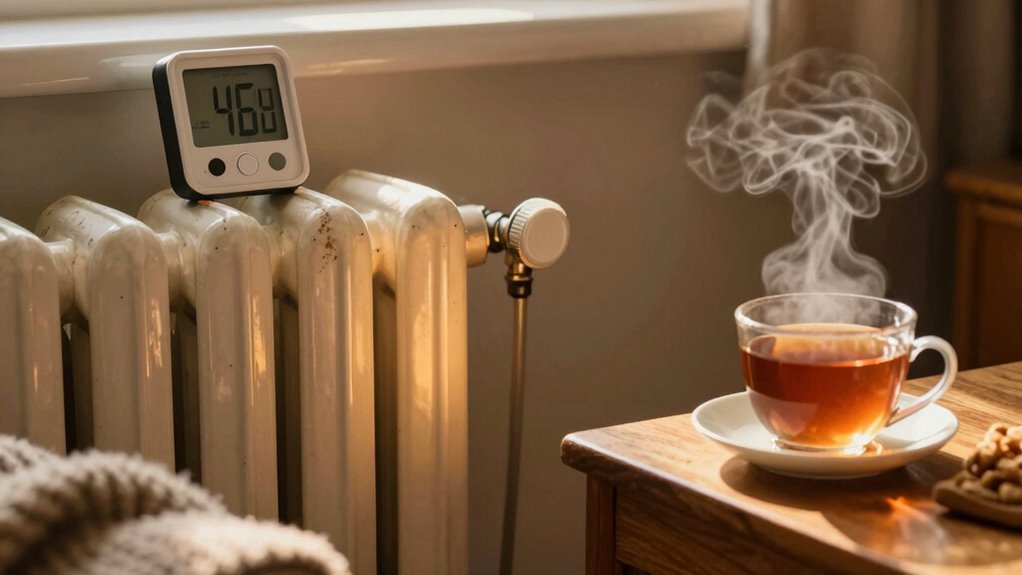
During winter and the dry months that follow, you can prevent uncomfortable indoor air by taking simple, proactive steps. Use a humidifier to boost indoor humidity, which helps reduce seasonal allergies and improves indoor air quality. Place bowls of water near heat sources or hang damp cloths to add moisture naturally. Keep vents and filters clean to ensure proper airflow and prevent irritants from circulating.
| Humidifier Tips | Natural Moisture | Air Quality Boost |
|---|---|---|
| Use regularly | Hang damp cloths | Clean filters often |
| Choose appropriately | Place water bowls | Open windows briefly |
| Maintain humidity levels | Keep doors open | Replace filters timely |
Frequently Asked Questions
How Does Dry Air Affect Indoor Plants and Furniture?
Dry air can harm your indoor plants by causing their leaves to wilt, brown, or drop, affecting plant health. It also accelerates furniture deterioration, leading to cracks and dryness in wood and upholstery. To protect both, increase humidity with a humidifier or water trays, and regularly mist plants. Maintaining proper moisture levels helps keep your plants vibrant and preserves your furniture’s condition, enhancing your indoor environment.
Can Using a Humidifier Increase Indoor Allergens?
Think of your home as a cozy forest; a humidifier acts like a gentle rain, boosting moisture. While it can increase indoor allergens if not maintained, proper humidifier safety practices, like regular cleaning, prevent mold and bacteria buildup. Using a humidifier can actually help with allergen reduction by maintaining balanced humidity levels, making the air more comfortable and reducing dry skin. Keep it clean, and enjoy the benefits without worry.
What Are the Best Humidity Levels for Different Rooms?
You should aim for humidity control of 30-50% in most rooms, as this range maintains comfortable moisture levels without promoting mold or dust mites. In bedrooms, keep it slightly lower for better sleep, around 30-40%. Living areas can handle up to 50%, especially if you have pets or plants. Use a hygrometer to monitor and adjust your humidifier or dehumidifier accordingly, ensuring ideal moisture levels for comfort and health.
How Do Outdoor Climate Changes Influence Indoor Humidity?
Outdoor climate changes, like seasonal variations and outdoor air quality, directly impact your indoor humidity. During winter, cold outdoor air reduces indoor humidity, making the air feel dry, while summer humidity levels can increase indoors. Poor outdoor air quality can introduce pollutants that affect comfort and health. You can counteract these effects by using humidifiers or ventilating with cleaner outdoor air when conditions improve, maintaining a comfortable indoor environment year-round.
Are There Health Risks Associated With High Indoor Humidity?
High indoor humidity can pose health risks by promoting mold growth and increasing airborne bacteria, which may worsen allergies or respiratory issues. When moisture levels are too high, mold spores thrive, and bacteria proliferate in damp environments. To protect your health, keep humidity balanced between 30-50%, use dehumidifiers, and guarantee proper ventilation. This helps reduce mold and bacteria, creating a healthier indoor atmosphere for you and your family.
Conclusion
Keeping your indoor air comfortable isn’t a lost cause. By understanding how humidity works and taking simple steps, you can prevent dry, uncomfortable air from taking over your home. Don’t wait until things get out of hand—act now before the problem snowballs. Remember, a little effort today can make all the difference, turning your space into a cozy haven where you truly feel at home. Stay proactive, and your comfort will follow.