
Energy labels show you how efficient appliances are, using letters from A++ to G. The higher the grade, the lower your energy use and bills. Colors and symbols quickly highlight features and savings potential. While these labels help compare appliances, actual savings depend on proper maintenance and usage habits. Understanding what each letter means guides you to better choices, and if you explore further, you’ll discover how to maximize your savings and energy efficiency.
Key Takeaways
- Energy labels use a letter scale from A++ to G to indicate appliance efficiency, with higher grades meaning lower energy consumption.
- Symbols, colors, and metrics on labels help consumers quickly assess features like water use and performance.
- Better energy grades (A++, A+) usually lead to lower electricity bills and longer appliance lifespan.
- Labels guide choices but actual savings depend on proper maintenance, usage habits, and installation.
- Regional differences and testing variations can affect label accuracy, so understanding their meaning helps make smarter energy decisions.
What Do Energy Labels Look Like and What Do They Tell You?

Energy labels are designed to quickly give you essential information about a product’s energy efficiency. When you look at an energy label, you’ll notice a colorful scale, often from A to G or with plus signs, indicating how efficient the appliance is. The design of these labels has evolved over time, influenced by the history of labeling standards aimed at making information clearer. Modern labels typically include symbols, grades, and sometimes estimated annual energy consumption to help you compare products easily. The appliance design also plays a role, as labels are tailored to highlight key features that impact energy use. Additionally, the innovative European cloud servers contribute to sustainable solutions by providing energy-efficient infrastructure options. The way these labels are structured helps consumers make informed decisions about their purchases, ultimately encouraging more energy-conscious choices and supporting environmental sustainability. This visual information helps you make smarter choices, saving money and reducing environmental impact.
How Do Energy Efficiency Grades From A++ to G Work?
The efficiency rating scale from A++ to G helps you compare how well appliances use energy. Each letter grade indicates a different level of performance, with A++ being the most efficient. Understanding this system shows you how your choices can impact your energy bills and savings. Whole‑house water filtration systems can also benefit from energy-efficient appliances, helping you reduce overall consumption and costs. Additionally, selecting appliances with higher energy ratings can minimize energy waste, leading to more sustainable living habits.
Efficiency Rating Scale
Understanding how energy efficiency grades from A++ to G work can help you make smarter choices when selecting appliances or heating systems. The efficiency scale ranks devices based on their energy rating, indicating how well they convert electricity into useful work. Higher ratings like A++ show top efficiency, saving you money and reducing environmental impact. Lower ratings such as G suggest poor efficiency, meaning higher energy consumption. Here’s a quick overview:
| Grade | Typical Energy Rating | Efficiency Level |
|---|---|---|
| A++ | Very efficient | Best energy performance |
| B | Good efficiency | Above average |
| D | Moderate efficiency | Average performance |
| G | Poor efficiency | Low energy performance |
Furthermore, understanding these grades can influence your overall energy consumption and bills. Recognizing energy saving tips associated with higher-rated appliances can further optimize your household’s efficiency. Additionally, being aware of energy labels can help you compare products more effectively before making a purchase. Considering energy performance ratings during shopping can lead to more sustainable and cost-effective choices over time. For example, selecting appliances with higher ratings often involves understanding efficiency ratings, which can guide you toward more environmentally friendly options.
Letter Grade Significance
Energy efficiency grades from A++ to G serve as a straightforward way to compare how well appliances and heating systems perform regarding power consumption. These letters help you quickly identify models that use less energy, benefiting both your wallet and the environment by supporting renewable energy efforts. A higher grade, like A++, indicates an appliance that’s highly efficient, often offering greater durability and longer lifespan due to better build quality. Conversely, lower grades suggest higher energy use and potentially less durable components. Understanding these grades empowers you to make smarter choices that align with sustainability goals, reduce energy waste, and promote the use of renewable energy sources. For example, some experts believe that certain astrological signs may influence personal traits related to energy consumption habits, which could be an interesting factor to consider when selecting energy-efficient appliances. Additionally, recognizing energy efficiency standards helps consumers stay informed about evolving regulations and technological advancements. Staying current with energy labeling requirements ensures you’re making decisions based on accurate and consistent information. Moreover, energy consumption patterns can vary based on appliance usage and household habits, emphasizing the importance of considering real-world performance. A comprehensive understanding of appliance lifecycle can also guide consumers toward more sustainable purchasing decisions that reduce waste over time. In short, your selection based on these grades influences energy consumption and appliance longevity.
Impact on Energy Bills
Higher energy efficiency grades from A++ to G directly influence your monthly energy bills, with better grades typically leading to lower costs. When your appliances earn top ratings, they consume less electricity, saving you money over time. Incorporating renewable energy sources, like solar panels, further reduces reliance on grid power, decreasing your bills even more. Proper appliance maintenance ensures these energy-efficient devices perform at their best, preventing unnecessary energy waste. If your appliances are poorly maintained, even high-grade models may use extra power, offsetting potential savings. Understanding how these grades work helps you make smarter choices, boosting your home’s overall energy efficiency. energy efficiency grades play a crucial role in optimizing your household’s energy consumption. Being aware of financial implications such as potential savings can motivate you to prioritize energy-efficient upgrades. Additionally, understanding energy labels can help you compare appliances effectively and choose the most cost-effective options. By combining high-rated appliances, regular maintenance, and renewable energy, you can substantially cut your energy expenses and lessen your environmental impact.
What Do Symbols and Colors on Energy Labels Mean?
Have you ever wondered what the symbols and colors on energy labels actually mean? The color coding quickly indicates the appliance’s efficiency, with green or A-rated products being the most efficient, and red or lower ratings signaling less efficiency. Symbols are designed to be simple yet informative, often representing key features like energy consumption, water use, or eco-friendliness. For example, a star symbol might show energy efficiency, while a water droplet could indicate water-saving features. These symbols help you quickly understand the product’s performance at a glance, making it easier to compare options. The colors and symbols work together to provide a clear visual summary, helping you make smarter, more informed choices for your energy consumption and budget. Understanding energy labels can empower you to select appliances that save money and reduce environmental impact, especially when you recognize how energy efficiency ratings influence your long-term costs. Additionally, familiarizing yourself with the symbol meanings can further enhance your ability to interpret and compare various products effectively. Recognizing how visual cues like symbols and colors simplify complex data can also improve your overall decision-making process. Learning to interpret the label system can help you choose appliances that align with your energy-saving goals.
How Do Efficiency Ratings Affect Your Energy Bills?
Efficiency ratings on energy labels directly influence your utility bills by indicating how much power an appliance consumes over time. Choosing higher-rated appliances can lead to significant savings. Here’s how: Best Lint Rollers 1. Lower Energy Consumption: More efficient appliances use less power, reducing your monthly bills. 2. Longer Appliance Lifecycle: Efficient models often last longer, decreasing replacement costs. 3. Support for Renewable Energy: Energy-efficient appliances complement renewable energy sources, making your overall energy use cleaner and cheaper. 4. Environmental Impact: Reduced energy use minimizes your carbon footprint, aligning with sustainable living goals. Additionally, understanding energy efficiency standards can help you make informed choices that maximize savings and environmental benefits. Managing your home energy security effectively can also help you qualify for rebates and incentives, further lowering your overall costs.
How Can You Use Energy Labels to Pick Better Appliances?
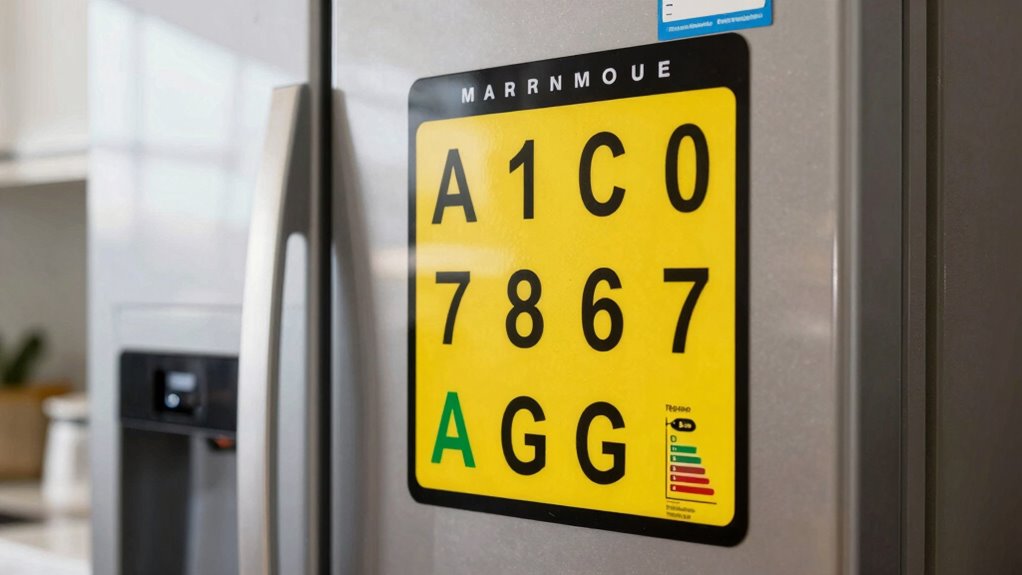
Energy labels are valuable tools that can help you select appliances that save money and energy. By understanding the labels, you boost your consumer awareness, making smarter choices. When comparing appliances, pay close attention to the energy efficiency class and the star ratings; higher-rated models typically consume less energy. Use the label’s information to evaluate the annual energy consumption and estimated operating costs, which can vary even among appliances with similar features. This allows you to make appliance comparisons based on actual energy use, helping you identify the most efficient option. Remember, a higher initial investment in a better-rated appliance can lead to significant savings over time. Ultimately, energy labels empower you to choose appliances that are better for your wallet and the environment.
Are Energy Labels Reliable? What Else Should You Know?
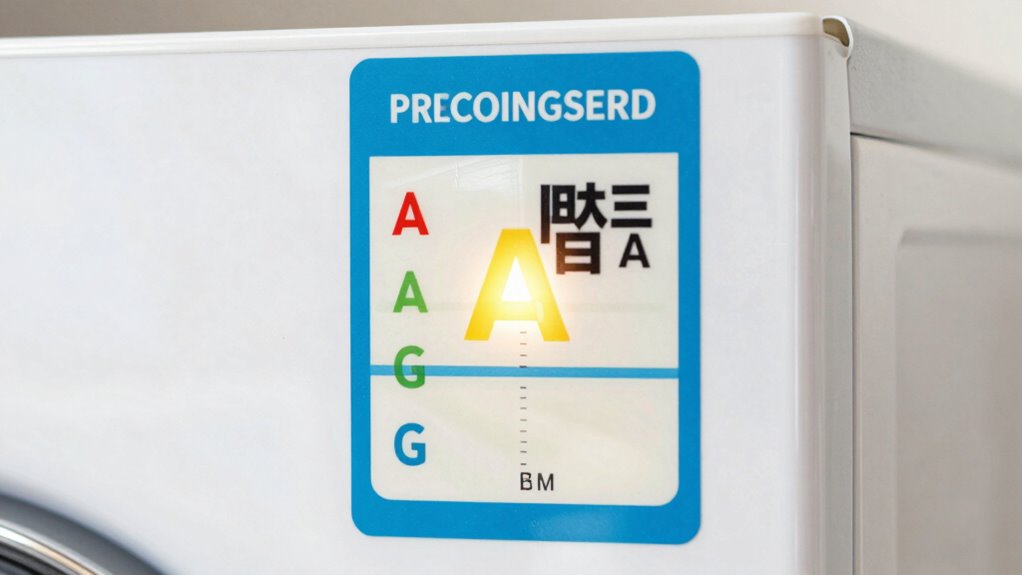
You might wonder how much you can trust energy labels, so it’s important to take into account their accuracy and the standards behind them. Keep in mind that additional metrics can give you a fuller picture of an appliance’s efficiency, while context matters in real-world use. Being aware of these factors helps you make smarter, more informed choices.
Label Accuracy and Standards
While energy labels are designed to provide clear guidance, their accuracy and reliability can vary depending on the standards behind them. You should consider how label verification and certification standards impact trustworthiness. Here are four key points:
- Certification standards set the baseline for testing methods and data accuracy.
- Regular label verification ensures the data matches actual product performance.
- Variations in testing procedures can lead to discrepancies in label ratings.
- Some labels may not be updated promptly when standards change, affecting reliability.
Understanding these factors helps you assess whether the energy label accurately reflects a product’s efficiency. Relying on certified standards and verified data means you’re better equipped to make informed decisions, rather than just trusting the label at face value.
Additional Energy Metrics
Beyond the standard energy labels, additional metrics can give you a more exhaustive view of a product’s efficiency and environmental impact. These include data on renewable energy use, appliance longevity, and real-world performance. Such metrics help you evaluate whether an appliance truly minimizes energy consumption and carbon footprint in everyday use. Understanding these numbers can guide you toward more sustainable choices that support renewable energy integration and extend appliance lifespan. Here’s a quick look:
| Metric | What It Measures | Why It Matters |
|---|---|---|
| Renewable Energy Usage | Percentage of energy from renewables | Reduces environmental impact |
| Appliance Longevity | Expected lifespan of the device | Indicates durability and value |
| Energy Consumption Variance | Real-world vs. rated use | Ensures accurate efficiency assessment |
| Carbon Footprint | Total emissions during use | Environmental impact insight |
| Maintenance Metrics | Ease and cost of upkeep | Longevity and efficiency maintenance |
Contextual Usage Considerations
Energy labels provide valuable information, but their reliability depends on various factors like testing conditions and standardization. You should consider:
- Installation considerations – Proper setup can impact energy efficiency, so labels may not reflect real-world performance.
- Regional label variations – Different countries may use varying standards and scales, making direct comparisons tricky.
- Testing conditions – Manufacturers often test appliances under ideal conditions, which might not match your usage environment.
- Standardization issues – Inconsistent testing protocols can lead to misleading labels, so always look beyond the letter grades.
Can Energy Labels Guarantee You Save Money?

Energy labels can help you make more informed choices about appliances and systems, but they don’t guarantee you’ll save money. They indicate efficiency, but your savings depend on factors like proper appliance maintenance and your energy habits. Investing in appliances with high energy ratings can reduce your bills, especially if paired with renewable energy sources. However, initial costs and usage patterns matter. Here’s what to contemplate:
| Factor | Impact on Savings |
|---|---|
| Appliance Maintenance | Extends lifespan, keeps efficiency high |
| Renewable Energy | Lowers ongoing energy costs |
| Usage Habits | Maximizes your energy savings |
Frequently Asked Questions
Do Energy Labels Vary Between Countries or Regions?
Yes, energy labels vary between countries or regions due to regional differences and labeling standards. You’ll notice that some countries use a letter scale from A to G, while others might include plus signs or different colors. These regional differences can affect how you interpret a product’s efficiency, so it’s important to familiarize yourself with local labeling standards when comparing appliances or energy-efficient products across regions.
How Often Are Energy Labels Updated or Revised?
When it comes to updates, energy labels don’t change on a whim—they’re periodically revised to stay current. Typically, label redesigns and regional labeling standards influence these updates, which happen every few years, though it varies by country. You should keep an eye out for official announcements because, as they say, timing is everything. Staying informed guarantees you’re reading the most accurate labels and making wise energy choices.
Can Older Appliances With Outdated Labels Still Be Efficient?
Older appliances with outdated labels can still be efficient if they have good appliance durability and haven’t experienced significant wear. While their labels might not reflect current standards, they may offer retrofitting potential to improve performance. You should assess their condition and energy consumption carefully, as some older models could still be cost-effective and environmentally friendly, especially if upgrades like energy-efficient parts are possible.
Are Energy Labels Available for All Types of Appliances?
Not all appliances have energy labels, but many do, especially those adhering to current appliance standards. You should check specific product categories to see if labels are available. Keep in mind that label accuracy is vital for making informed decisions, so verify the label’s validity and compare it with other info. This way, you can confidently choose energy-efficient appliances that save you money and help the environment.
Do Energy Labels Include Information About Appliance Lifespan?
Energy labels typically don’t include detailed information about appliance lifespan, but they do highlight durability and longevity indicators. When shopping, you can look for symbols or notes about the appliance’s expected durability, which helps you gauge its longevity. Keep in mind, actual durability depends on usage and maintenance, but these labels give you a useful starting point to compare appliances’ durability and choose one that’ll last longer.
Conclusion
By understanding energy labels, you can confidently compare appliances and cut costs. Remember, clear labels cast a colorful curtain of clues, guiding you to greener, greater gains. Don’t let confusing codes curb your choices—capitalize on the clarity they offer. With careful consideration, you’ll craft a smarter, more sustainable space. So, seize the symbols, decipher the colors, and shape a savings-savvy, energy-efficient future that feels as fresh as a forest breeze.