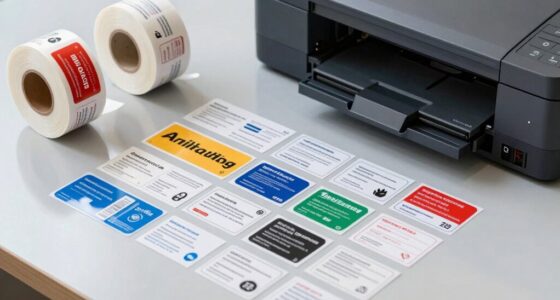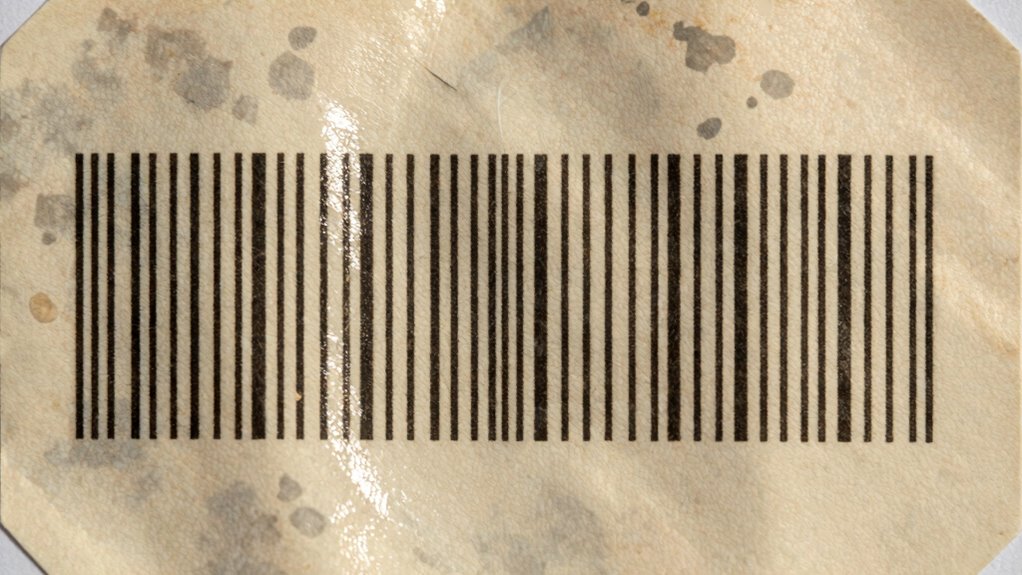

Heat and sunlight can quickly damage your direct thermal labels by causing the print to fade or smear, making them hard to scan. High temperatures weaken the adhesive and break down the thermal coating, while UV rays from sunlight accelerate dye deterioration. Without proper protection, labels won’t last long in outdoor or high-temperature settings. To keep your labels reliable, learn how to shield and store them effectively—stay with us to find out how.
Key Takeaways
- Heat accelerates thermal paper degradation, causing fading and making barcodes harder to scan.
- Sunlight’s UV rays break down the dyes, leading to fading and reduced contrast on thermal labels.
- High temperatures weaken adhesive bonds, risking label peeling and loss of scanability over time.
- Proper storage away from heat and sunlight preserves print clarity and extends the lifespan of thermal labels.
- UV-resistant coatings and high-quality materials help maintain label readability in outdoor or harsh environments.
How Heat and Sunlight Damage Direct Thermal Labels
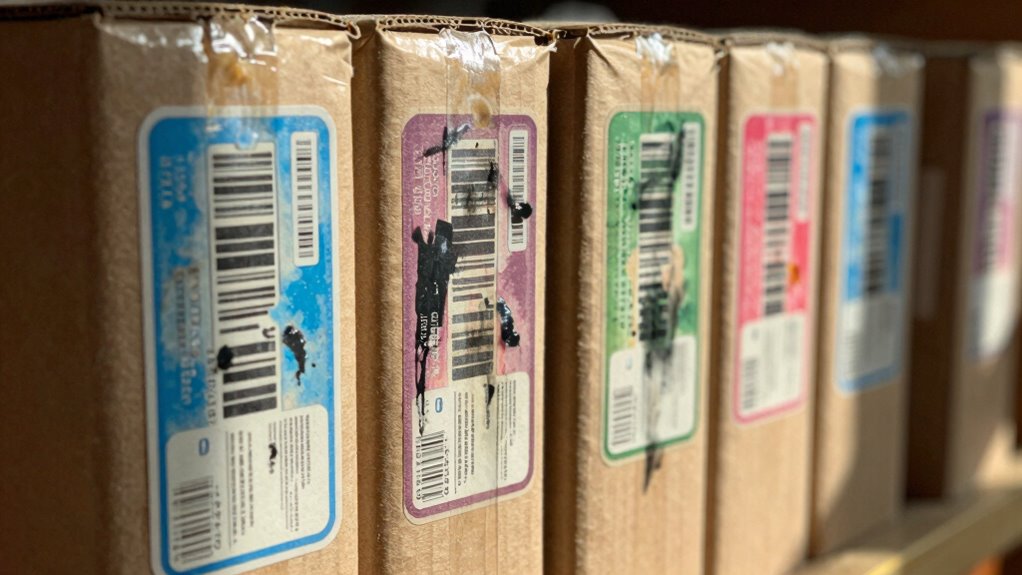
Heat and sunlight can quickly damage direct thermal labels, causing them to fade, smear, or become illegible. When exposed to high temperatures, the label adhesive can weaken, leading to peeling or loss of adhesion over time. Sunlight’s ultraviolet rays accelerate the deterioration of the print resolution, making the text or barcode blurry or faint. This makes scanning difficult and reduces the label’s effectiveness for tracking or inventory. The heat can also cause the thermal coating to break down prematurely, further compromising readability. To protect your labels, consider using materials designed for UV resistance or applying protective coverings. Proper storage away from direct sunlight and heat sources helps extend the lifespan of your labels, ensuring they stay clear and scannable longer. Creating a healthy environment by controlling indoor heat and light exposure can also help preserve the integrity of your labels and other sensitive materials. Additionally, temperature-sensitive materials can be used to improve durability in challenging conditions. Implementing protective coatings can provide an extra barrier against environmental damage, further enhancing label longevity, especially when combined with environmental controls. Using labels with UV-resistant coatings can significantly extend their lifespan in outdoor or sun-exposed environments.
Why Sunlight and UV Rays Cause Thermal Label Fading
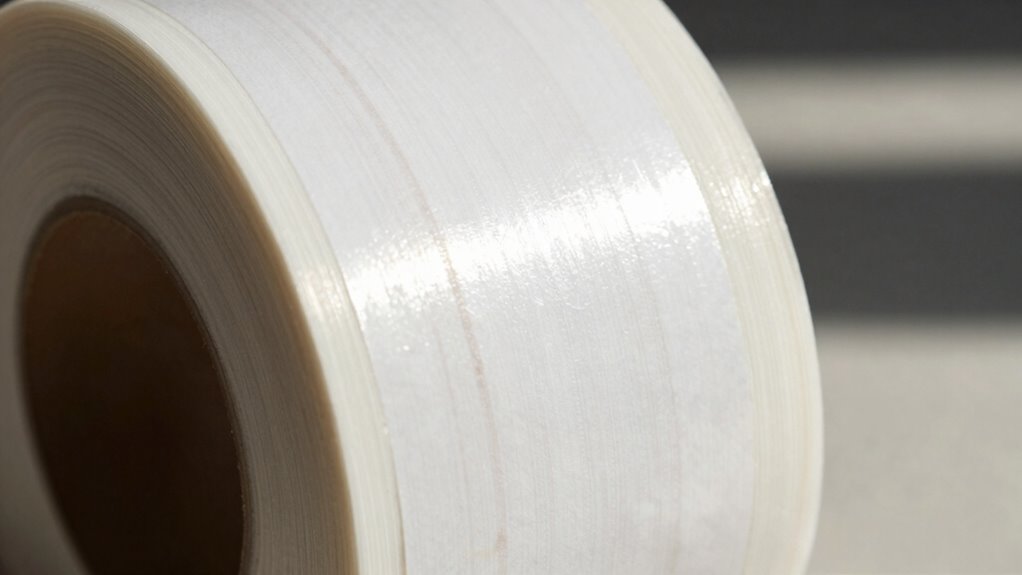
Sunlight and UV rays accelerate the fading of thermal labels by breaking down the dyes and pigments used in the printing process. Without proper UV resistance, the ink’s longevity diminishes quickly when exposed to sunlight, making labels unreadable over time. UV rays cause chemical reactions that degrade the dyes, leading to color loss and reduced contrast. This fading can compromise your ability to scan or identify labels accurately. To combat this, choose thermal labels with enhanced UV resistance, which slows the breakdown process and extends ink longevity. Protecting your labels from direct sunlight or UV exposure is essential for maintaining their readability and durability, especially for items stored outdoors or in bright environments. Understanding the impact of UV exposure on thermal labels helps in selecting the right materials and protective measures. Additionally, selecting labels with UV-resistant inks can significantly improve their lifespan in harsh lighting conditions. Incorporating UV stabilizers into the label material can further enhance durability against sunlight degradation. Being aware of UV protection methods can also help preserve the integrity of your labels over time.
Common Causes of Thermal Label Unreadability
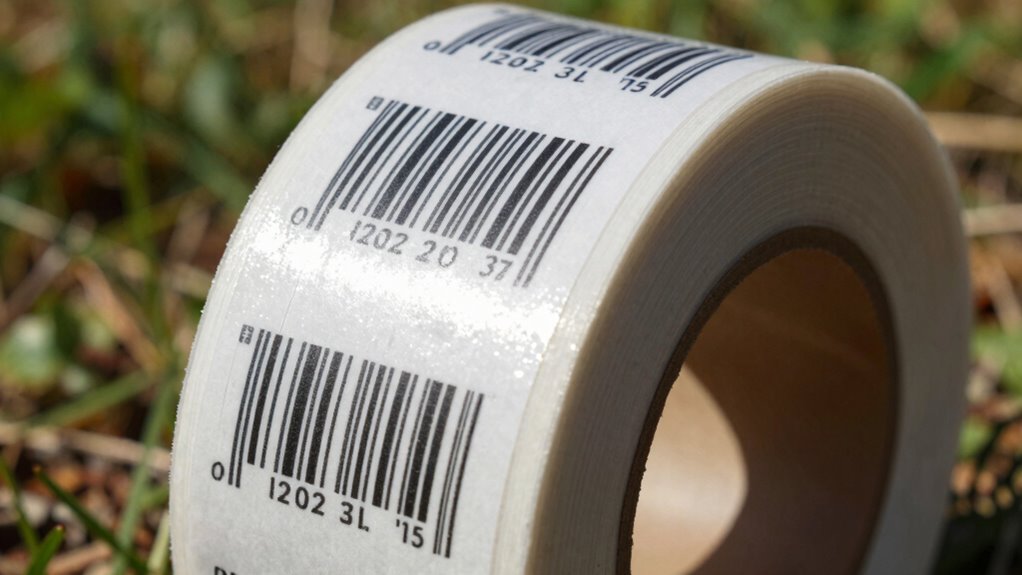
Several factors can cause thermal labels to become unreadable over time, jeopardizing your ability to quickly identify or scan items. Label adhesive issues, such as poor sticking or peeling, can expose parts of the label to moisture or dirt, obscuring barcodes and reducing scanability. Printing errors, like inconsistent heat application or smudged images, also contribute to unreadability. If the print isn’t clear or the ink smears, scanning becomes difficult or impossible. Additionally, exposure to moisture, dirt, or chemicals can degrade the label material itself, further impairing readability. To guarantee labels stay legible, choose high-quality adhesives, properly calibrate your printer, and handle labels with care. Nanotechnology innovations also play a role in developing more durable and weather-resistant label materials, helping maintain scanability in harsh environments. Understanding environmental factors helps in selecting the right materials and storage practices to prolong label life. Implementing weather-resistant materials can significantly improve the longevity and durability of thermal labels, ensuring consistent scanability over time. Considering UV exposure and other environmental influences during storage can further help in maintaining label integrity. Employing advanced coating technologies can also provide additional protection against environmental damage, further enhancing label durability. Addressing these common causes helps maintain the longevity and scanability of your thermal labels.
How Excessive Heat Can Ruin Your Thermal Labels and What to Do
Exposing thermal labels to excessive heat can cause the print to fade and the label material to break down. This damage affects readability and shortens the labels’ lifespan. To prevent these issues, store your labels in cool, dry places and handle them carefully to maintain quality.
Fading Print Quality
Excessive heat can quickly degrade the print quality on your thermal labels, causing the text to fade or become illegible. As heat accelerates ink breakdown, your labels’ ink longevity diminishes, reducing their readability over time. When exposed to high temperatures, the printed image can smear or fade, making scanning difficult. Additionally, heat can weaken the adhesive strength of the labels, leading to peeling or falling off prematurely, which further compromises label integrity. To prevent this, store labels in a cool, shaded environment and avoid direct sunlight. Using high-quality thermal labels designed for heat resistance can also help preserve both print clarity and adhesive performance. Proper storage conditions and selecting heat-resistant materials are essential to maintaining label durability and scanability over time. This proactive approach ensures your labels stay readable and securely attached, no matter the conditions.
Label Material Degradation
Heat not only affects the print quality of your thermal labels but also damages the material they’re made of. Excessive heat accelerates chemical reactions within the label, leading to material breakdown over time. This degradation weakens the label’s structure, making it more prone to tearing or peeling. Additionally, heat can cause ink deterioration, where the printed image fades or smears, reducing scanability. The heat-induced chemical changes compromise the adhesive properties, making labels less sticky and more likely to fall off. Moreover, exposure to heat can alter the adhesive’s performance, decreasing its effectiveness in securing labels properly. To prevent this, store labels in cool, dry areas away from direct sunlight and heat sources. Proper storage helps maintain the integrity of both the label material and the printed information, ensuring your labels stay legible and durable over their lifespan. Recognizing the impact of environmental factors on thermal labels is crucial for maintaining their longevity and scanability.
Preventative Storage Tips
To protect your thermal labels from damage, it’s essential to store them properly. Keep labels in a cool, dry environment away from direct sunlight and heat sources, as excessive heat accelerates deterioration and reduces label longevity. Avoid storing labels in areas with high humidity or temperature fluctuations, which can cause warping or fading. Using sealed containers or protective sleeves can help shield labels from environmental impact, ensuring they stay legible and scannable longer. Proper storage not only preserves the quality of your labels but also minimizes waste and reduces environmental footprint. By taking these preventative steps, you’ll maintain *best* scanability and extend the life of your thermal labels, ultimately supporting more sustainable and efficient labeling practices.
Best Practices to Protect Labels From Sunlight and Heat Damage
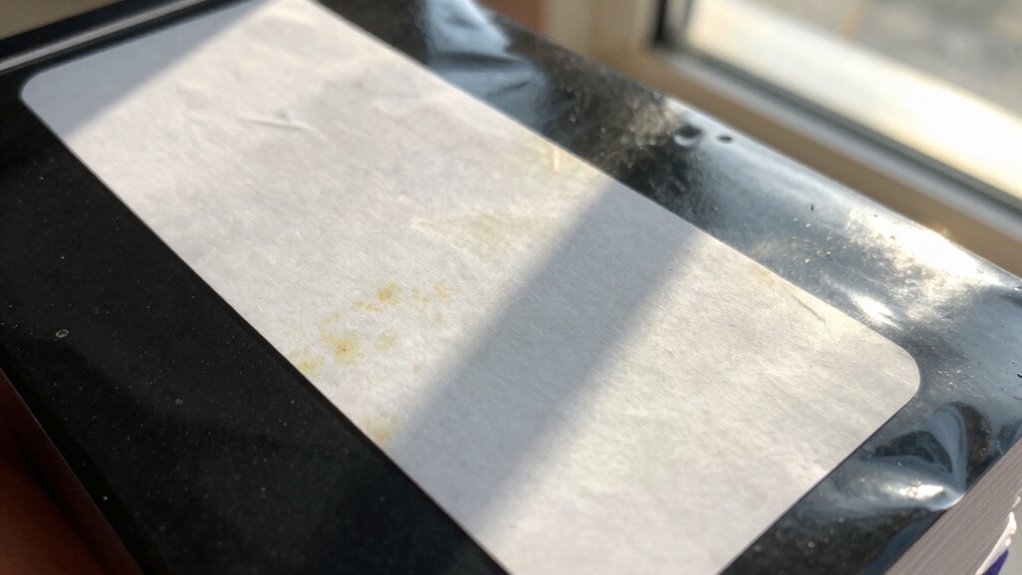
Protecting your thermal labels from sunlight and heat damage is essential to guarantee they remain legible and durable over time. Exposure can weaken the label adhesive, causing peeling, and reduce ink longevity, making information unreadable. To prevent this, store labels in cool, shaded areas away from direct sunlight. Use protective covers or laminates for added defense. Proper handling and consistent storage help maintain their quality. Consider the table below to understand how exposure impacts your labels:
| Sunlight & Heat Effects | Benefits of Protection |
|---|---|
| Fading ink | Clear, sharp print |
| Adhesive deterioration | Strong, lasting hold |
| Color discoloration | Vibrant labels |
Implementing these practices ensures your labels stay scannable and professional. Additionally, understanding thermal label materials can help you choose the right options for durability, as selecting the appropriate material can significantly enhance the resistance to environmental factors. Using proper storage techniques can further prolong the lifespan of your labels by minimizing environmental impacts. Regular inspection and appropriate handling are also crucial for maintaining label integrity over time. Being aware of environmental considerations can guide you in adopting sustainable practices that protect your labels from damage.
Choosing Durable Thermal Labels for Outdoor or High-Temperature Use

When selecting thermal labels for outdoor or high-temperature environments, durability is key to ensuring they remain legible and adhesive over time. Focus on barcode durability, as labels exposed to sunlight and heat can fade or degrade, making scans difficult. Choose labels with a heat-resistant coating that protects the print from sun and temperature fluctuations. Additionally, pay attention to adhesive strength; labels in outdoor settings require strong adhesives that withstand weather conditions, moisture, and surface materials. High-quality adhesives prevent peeling or falling off, ensuring your labels stay secure and readable. Investing in durable thermal labels with robust barcode durability and adhesive strength guarantees your data remains accessible, even under harsh conditions, reducing the need for re-labeling or replacements. Proper selection of outdoor-rated materials can significantly extend the lifespan and reliability of your thermal labels, especially when considering environmental resistance. Incorporating UV-resistant coatings can further enhance the longevity of labels exposed to sunlight, maintaining their readability over extended periods.
How to Store Thermal Labels So They Stay Readable Over Time

Proper storage is essential to keep thermal labels readable over time. To preserve label quality, store your labels in a cool, dry place away from direct sunlight and heat sources. Excessive heat and sunlight can cause the thermal coating to fade or darken, making labels unreadable. Keep labels in their original packaging or in sealed containers to prevent exposure to moisture and dust, which can damage the surface and compromise scanability. Avoid stacking labels under heavy objects that could cause creases or tears. Maintaining ideal storage conditions ensures your thermal labels retain their clarity and durability, so they perform reliably when needed. Properly stored labels will last longer and maintain their scanability, saving you time and money in the long run.
Recognizing When Your Thermal Labels Are Fading or Unreadable

You’ll notice your thermal labels starting to fade or become harder to read over time. Look for signs like color loss, especially in areas exposed to sunlight, which can accelerate fading. When scannability drops or labels become unclear, it’s time to replace them to guarantee your information stays visible and accurate.
Fading Color Indicators
Fading color indicators are an essential sign that your thermal labels may be losing their readability. When you notice the colors on your labels becoming lighter or uneven, it’s likely due to color fading caused by exposure to heat or sunlight. This fading results from ink degradation, which weakens the print’s contrast and scanability. Recognizing these signs early can prevent scanning errors and ensure your labels remain effective. Keep an eye out for:
- Uneven or patchy color fading
- Reduced contrast between print and background
- Areas where the print appears washed out
- Labels that become difficult to read over time
- Changes in color intensity after exposure to sunlight or heat
Monitoring these indicators helps you determine when labels need replacement, maintaining efficient tracking and identification processes.
Sunlight Exposure Effects
Sunlight exposure accelerates the deterioration of thermal labels, making it easier to spot when they become unreadable. Ultraviolet rays trigger chemical reactions within the label’s dye layer, causing the print to fade faster. Additionally, sunlight often brings moisture, which can further impact the label’s longevity. Moisture penetrates the surface, promoting chemical reactions that weaken the thermal image and hasten fading. Over time, prolonged sunlight exposure causes the thermal coating to break down, reducing contrast and readability. You’ll notice labels becoming blurry, discolored, or entirely illegible as these processes occur. To maintain scanability, it’s essential to keep thermal labels out of direct sunlight or in protected environments. Recognizing these signs early helps prevent issues with tracking and inventory management.
Scannability Decline Signs
Recognizing when your thermal labels are losing their readability is essential for maintaining accurate tracking and inventory management. Signs include faded barcode clarity, making codes hard to scan, and ink fading that causes labels to appear blurry or incomplete. You might notice increased scan failures or the need to reposition labels repeatedly. Over time, these issues compromise efficiency and data accuracy.
Watch for these specific signs:
- Reduced barcode contrast and clarity
- Faint or smeared ink on labels
- Inconsistent scan results
- Labels appearing lighter or washed out
- Physical signs of ink or label deterioration
Addressing these signs early prevents inventory errors and stock mismanagement. Keep an eye on barcode sharpness and ink integrity to ensure your labels remain scannable and reliable.
Alternatives to Thermal Labels for Long-Term or Harsh Environments
When thermal labels fall short in harsh or long-term conditions, you need more durable alternatives. Consider alternative label materials like polyester, polypropylene, or vinyl, which resist moisture, chemicals, and UV exposure better than paper-based thermal labels. These materials guarantee your labels stay legible and intact over extended periods, even in extreme environments. Additionally, digital barcode solutions can complement physical labels by storing data electronically, reducing reliance on physical labels that degrade. Using barcode management systems allows you to update or verify information without replacing labels, providing a reliable, long-term tracking method. These alternatives help maintain scanability and data integrity in challenging conditions, ensuring your operations remain efficient and accurate despite environmental stresses.
Quick Tips to Keep Your Thermal Labels Scan-Ready and Reliable
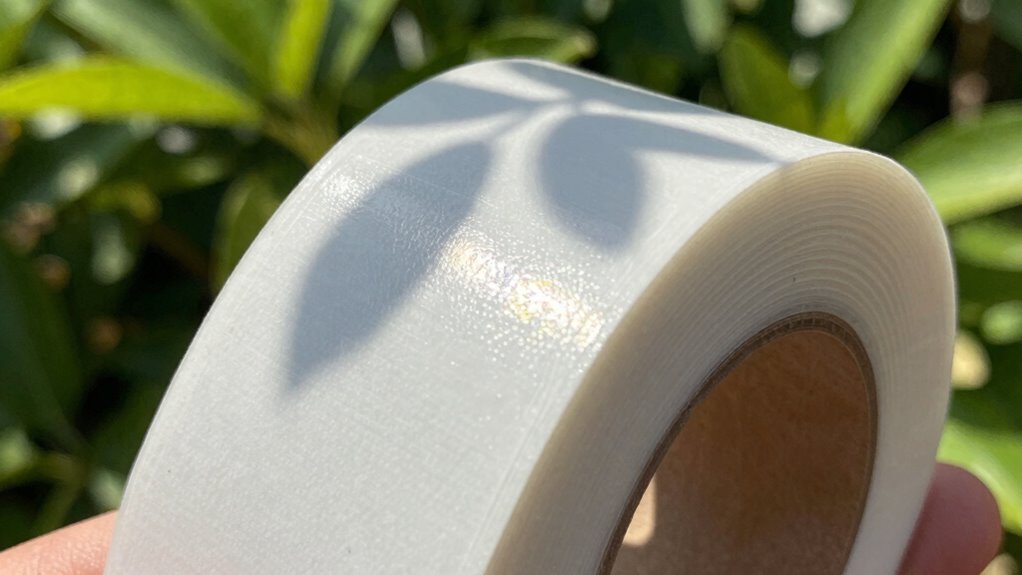
To keep your thermal labels scan-ready, proper storage is key. Make sure they’re kept in a cool, dry place away from direct sunlight. Minimizing sun exposure and storing labels correctly can considerably improve their reliability and lifespan.
Store Labels Properly
Properly storing your thermal labels is essential to guarantee they stay scan-ready and reliable over time. Your label material can degrade if exposed to unsuitable conditions, so paying attention to the storage environment is vital. Keep labels in a cool, dry place away from humidity, heat, and direct sunlight. Use airtight containers or sleeves to prevent dust and moisture from damaging the labels. Avoid stacking labels too tightly, which can cause creases or scratches. Ensure labels are stored flat to prevent curling or bending. Proper storage helps maintain print quality and prolongs shelf life, ensuring your labels remain legible and scannable when needed.
- Store in a cool, dry environment
- Keep away from direct sunlight
- Use protective sleeves or containers
- Store flat to prevent curling
- Avoid high humidity and heat
Minimize Sun Exposure
Sunlight exposure can quickly degrade your thermal labels, making them less reliable and harder to scan. To protect your label durability, minimize sun exposure by choosing proper storage solutions. Keep labels away from direct sunlight, heat, and UV rays, which accelerate fading and damage. Consider storing labels in a cool, dark place, such as opaque containers or shaded shelves.
| Sunlight Exposure | Impact on Labels |
|---|---|
| Direct sunlight | Rapid fading and deterioration |
| UV rays | Compromised scanability |
| Proper storage | Extended label lifespan |
Taking these steps ensures your labels remain clear, scannable, and durable, saving you time and money in the long run. Guard your investment by controlling exposure and maintaining optimal storage conditions.
Frequently Asked Questions
Can Thermal Labels Be Repaired After Sun Damage?
No, thermal labels can’t be repaired after sun damage. Sun damage causes fading and adhesive failure, which makes the label unreadable and insecure. Once the heat and sunlight have compromised the label, the damage is irreversible. You should replace the label to guarantee reliable scanability and secure attachment. Trying to fix it won’t restore its original quality, so it’s best to invest in new labels for accurate and lasting results.
Are There Specific Colors That Resist Fading Better?
Think of sun-resistant inks as your shield against color fade, much like a knight’s armor. You’ll want labels with darker, saturated colors like black, navy, or deep brown, which withstand fading better under sunlight. Bright or pastel shades tend to fade faster. Choosing labels printed with sun-resistant inks guarantees your information remains clear and scannable, even after long exposure, keeping your labels reliable in outdoor environments.
How Does Humidity Affect Thermal Label Longevity?
Humidity effects can considerably impact thermal label durability. When you expose labels to high humidity, moisture can cause the thermal coating to degrade or smudge, leading to poor scanability over time. Conversely, low humidity helps preserve the integrity of the label, ensuring it remains durable and scannable longer. To maintain label longevity, keep labels in a controlled environment with stable humidity levels, especially if they’re used outdoors or in humid settings.
What Are the Environmental Impacts of Thermal Label Disposal?
Think about the environmental footprints of thermal label disposal; it’s like tossing a pebble into a pond—causing ripples. Recycling challenges arise because many labels contain adhesives and chemicals that resist standard processes. Landfill concerns grow as these labels take years to break down, leaching harmful substances. You can help by choosing eco-friendly options or recycling programs to reduce waste and protect the environment for future generations.
Are There Eco-Friendly Alternatives to Traditional Thermal Labels?
Yes, you can opt for eco-friendly alternatives like thermal labels made from biodegradable adhesives and plant-based materials. These labels break down more easily in the environment, reducing waste and pollution. By choosing products with sustainable components, you help lower your ecological footprint. Look for suppliers that prioritize eco-conscious manufacturing, ensuring your labeling practices support environmental health while maintaining scanability and durability.
Conclusion
To keep your thermal labels clear and scannable, think of them as delicate paintings exposed to the sun’s relentless glare. Protect them from heat and UV rays like you would safeguard a masterpiece. By storing and handling them properly, you guarantee they won’t fade into obscurity, lost like whispers in a blazing sun. Stay vigilant, and your labels will stand the test of time, shining bright in every scan, no matter the environment.