
Food contact symbols are tiny icons on packaging that show you if products are safe for storing, heating, or recycling food. Recognizing symbols like the glass and fork, recycling codes, or microwave-safe icons helps you make smarter choices and protect your health. Misinterpreting them can risk contamination or improper disposal. Keep exploring these symbols, and you’ll discover how to handle your kitchen items safely and responsibly.
Key Takeaways
- Food contact symbols indicate safe materials for storing, heating, or serving food, ensuring health and safety in your kitchen.
- Recognizing symbols like recycling codes, microwave-safe, and dishwasher-safe icons helps prevent misuse and contamination.
- Material identification symbols guide proper disposal and recycling, supporting environmentally friendly practices at home.
- Safety icons such as BPA-free, oven-safe, or chemical-resistant labels help choose durable, non-toxic kitchenware.
- Accurate understanding of these tiny icons promotes informed decisions, protecting your family’s health and reducing kitchen hazards.
What Are Food Contact Symbols and Why Do They Matter?
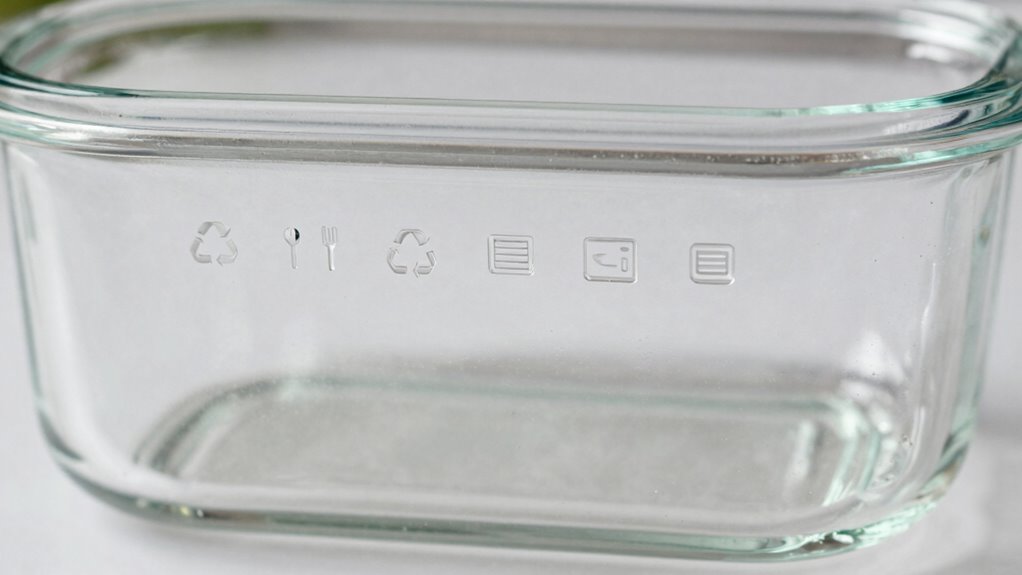
Food contact symbols are essential indicators that tell you whether a material is safe for storing, heating, or serving food. These symbols appear on packaging labels to guide you in maintaining food safety. Recognizing these icons helps you avoid harmful chemicals or materials that could compromise your health or spoil your food. For example, a symbol indicating microwave safety means you can reheat food without worry. Without understanding these symbols, you might accidentally use unsafe containers, risking contamination or chemical leaching. Understanding food contact symbols** serves as quick visual cues that inform your choice of packaging, ensuring your meals stay safe and fresh. Paying attention to these icons empowers you to make smarter, safer decisions in your kitchen. Additionally, understanding food contact symbols can help you comply with safety regulations and reduce environmental impact by choosing recyclable or reusable materials. Being familiar with food contact symbol standards can further help you identify compliant products and avoid counterfeit labels. Recognizing these symbols also promotes environmentally friendly choices**, contributing to a more sustainable lifestyle.
How to Recognize and Interpret Food Contact Symbols on Packaging
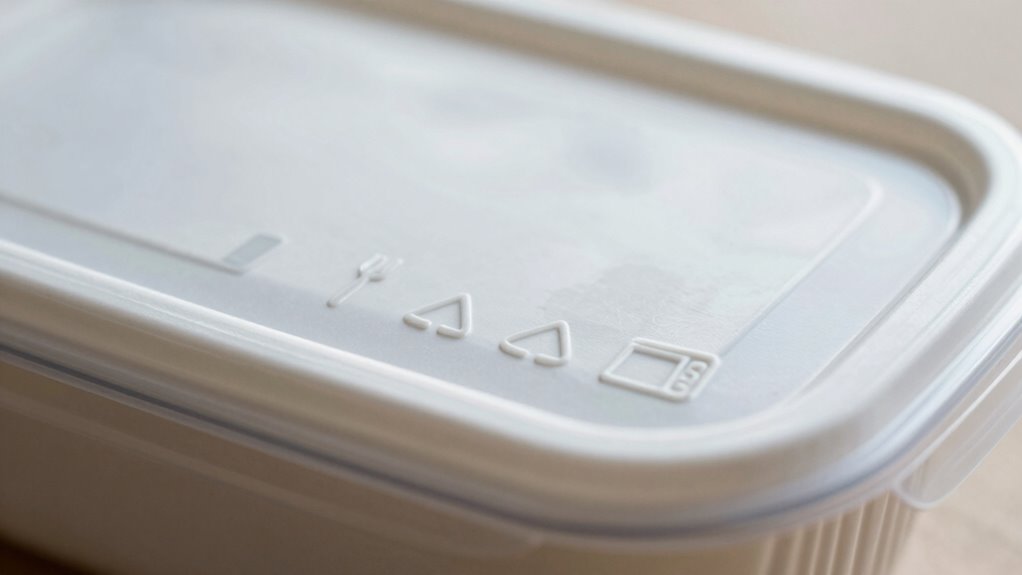
To recognize and interpret food contact symbols on packaging, you need to become familiar with common icons and their meanings. These symbols quickly communicate important information about food safety and packaging design. Look for symbols like recycling codes, glass and fork icons, or numbers indicating safe use. Understanding these icons helps you assess whether packaging is suitable for specific food types or temperatures. For example, many symbols are based on science‑driven standards that ensure consumer safety and environmental sustainability. Recognize symbols that specify whether a material is food-safe or not, and be aware that regulatory agencies set guidelines to maintain these standards. Additionally, understanding food contact regulations can help you identify which symbols are legally required on packaging. Awareness of material safety testing ensures consumers can make informed choices about the packaging they use. Furthermore, labeling requirements often mandate the display of certain symbols to inform consumers about safe usage and disposal practices.
Common Food Contact Symbols and What They Mean
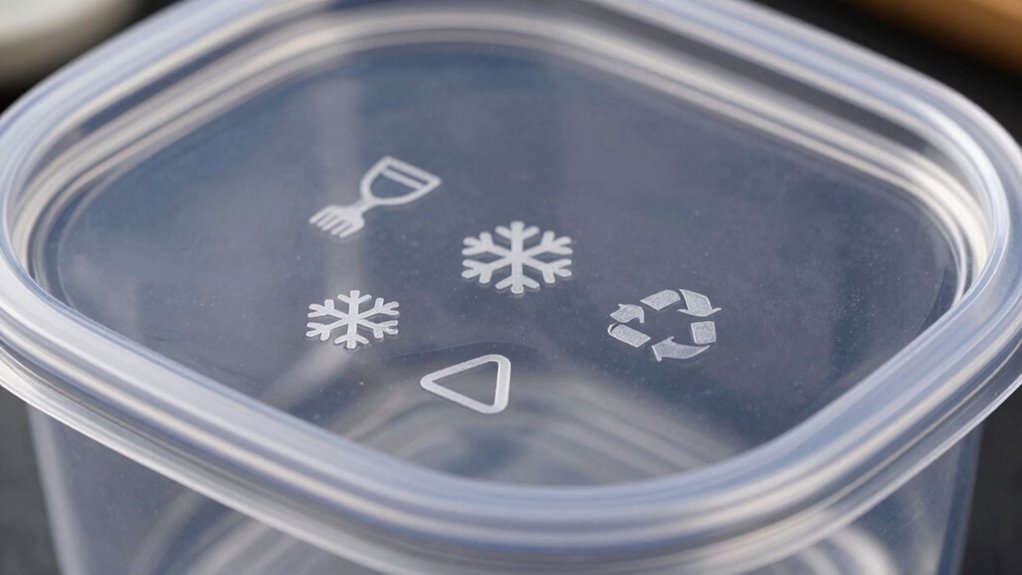
You’ll find various symbols on food packaging that quickly tell you what materials are used and how safe they are. These symbols serve as material identification indicators, helping you understand if a container is suitable for certain types of food or temperatures. Recognizing these common symbols makes it easier to choose safe, appropriate packaging for your needs. Being familiar with material identification can also help you better understand packaging standards and safety regulations. Additionally, understanding food safety symbols can assist in preventing potential health risks associated with improper food storage. Awareness of food contact symbols is especially important in modern homes that incorporate smart appliances and kitchen technology to ensure safe food handling. Knowing these symbols can also support your compliance with regulatory standards, promoting safer food practices in your household.
Common Symbols Explained
Common food contact symbols are essential for understanding how to safely use and dispose of containers and packaging. Recognizing these symbols helps you guarantee plastic safety and proper handling. For example, the recycling triangle with numbers indicates the type of plastic, informing you about its safe use and disposal. Recognizing these symbols supports food safety standards and helps prevent contamination. Symbols like a glass and fork show the item is food-safe, while a “microwave-safe” icon guides you on heating. Being familiar with outdoor kitchen symbols ensures that your cookware and containers are used correctly in various cooking environments. Mastering symbol recognition empowers you to make safer choices in your kitchen and supports sustainable consumption by properly managing packaging waste. Understanding manufacturing markings further enhances your ability to identify appropriate uses and disposal methods. Additionally, material identification plays a crucial role in recycling and reducing environmental impact.
Material Identification Indicators
Have you ever noticed the symbols on food containers and wondered what they really mean? Material Identification Indicators help you decode packaging design, ensuring food safety. These symbols, usually a number inside a triangle, identify the plastic type used, guiding your choice and disposal. For example, a “1” indicates PET, common in bottles, while a “5” signifies polypropylene, used in containers. Here’s a quick reference:
| Number | Material Type |
|---|---|
| 1 | PET (Polyethylene Terephthalate) |
| 2 | HDPE (High-Density Polyethylene) |
| 5 | PP (Polypropylene) |
Knowing these indicators helps you make safer decisions, reducing health risks and promoting responsible packaging design. Additionally, understanding fuel injection cleaning can improve vehicle performance and efficiency.
Deciphering Recycling Symbols on Food Packaging
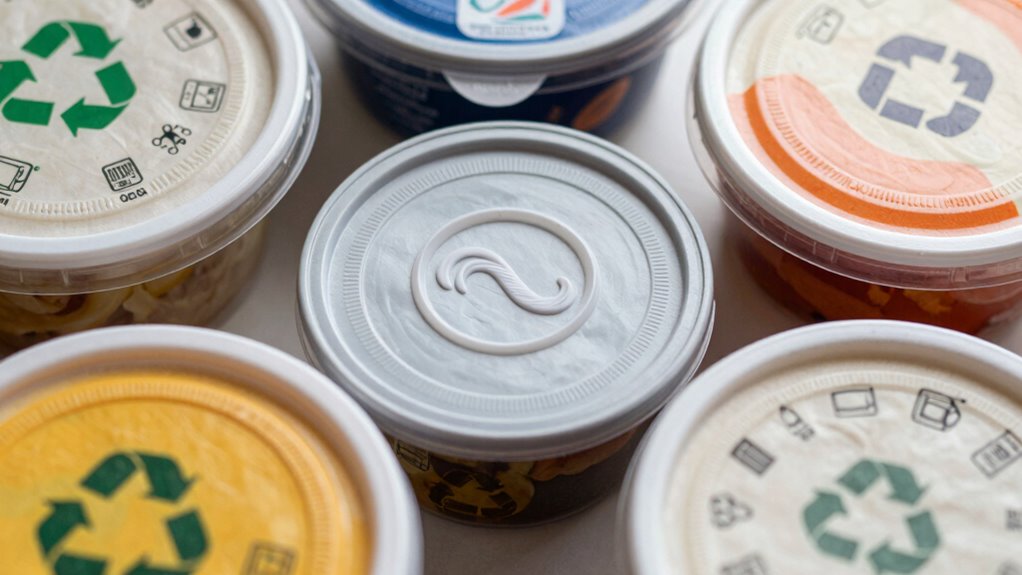
You can quickly identify how to recycle food packaging by understanding the recycling codes and material symbols printed on them. These symbols guide you on proper disposal and help prevent contamination in recycling streams. Learning what each symbol signifies ensures you handle packaging safely and responsibly. Recognizing recycling symbols can also contribute to more effective waste management and environmental conservation efforts. Familiarity with material types helps determine the best recycling practices for different packaging materials. Being aware of digital safety tips can further enhance your overall environmental awareness and responsible consumption habits. Additionally, understanding the disposal instructions associated with packaging can promote more sustainable waste reduction practices and support the key traits of successful sustainability practices for eco-friendly living.
Understanding Recycling Codes
Recycling codes are symbols printed on food packaging that reveal how materials can be processed and recycled. Recognizing these codes highlights the recycling code importance, helping you make eco-friendly choices. They guide you in understanding which plastics or materials are recyclable, reducing waste and supporting packaging sustainability. These symbols can also influence brand decisions and your purchasing habits. Additionally, understanding creative storytelling in branding can enhance how companies communicate their commitment to sustainability. Being aware of these symbols allows consumers to contribute to environmental preservation through informed choices.
Material Identification Symbols
Material identification symbols are the key to understanding exactly what your food packaging is made of and how to handle it properly. These symbols reveal the plastic types used in containers and wrappers, helping you identify which are safe for reuse or recycling. Each symbol features a number from 1 to 7, with each number representing a specific plastic type and its properties. For example, a “1” indicates PET or PETE, commonly used in bottles, while a “5” stands for polypropylene, often found in yogurt containers. Knowing the symbol meanings allows you to make informed decisions about reusing or recycling packaging and reduces potential health risks. By paying attention to these symbols, you ensure proper handling and contribute to environmentally responsible waste management.
Safe Disposal Practices
Deciphering recycling symbols on food packaging is essential for ensuring safe disposal practices. Recognizing these symbols helps you follow proper waste management, supporting food safety and adhering to packaging regulations. Proper disposal reduces environmental impact and prevents contamination risks. Look for symbols like the recycling triangle, number codes, and eco-labels to determine if the packaging is recyclable or requires special disposal.
Remember:
- Not all packaging marked with recycling symbols can be processed locally
- Follow regional regulations for items with specific codes
- Always clean food-contact packaging before recycling to prevent contamination
Are Your Food Containers Dishwasher Safe? Symbols to Look For
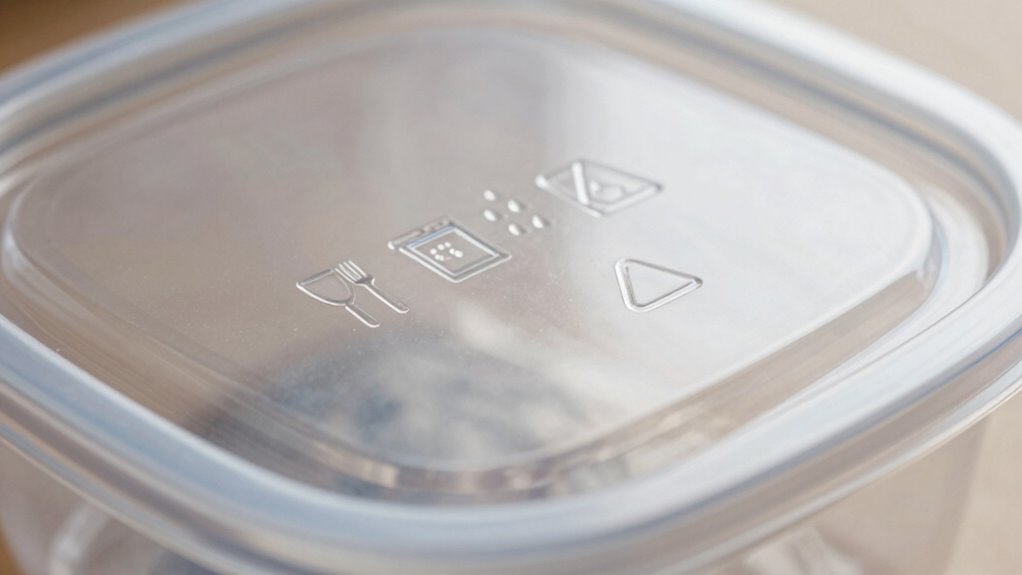
Ever wondered if your food containers can go safely in the dishwasher? Checking for dishwasher-safe symbols helps guarantee proper food storage and maintains packaging safety. Look for a symbol that resembles a plate or glass with water droplets or lines indicating heat resistance. This icon confirms that the container can withstand dishwasher cycles without warping or degrading. Some symbols may include numbers like “1,” “2,” or “5,” which specify the plastic type and its dishwasher compatibility. Ignoring these symbols risks contamination or damage, compromising food safety. Always verify the dishwasher-safe icon before cleaning. Properly handling containers ensures they last longer and remain safe for storing your food. Recognizing these symbols simplifies your kitchen routine while protecting your health and the integrity of your food storage.
Microwave and Oven Safe Symbols: What They Indicate
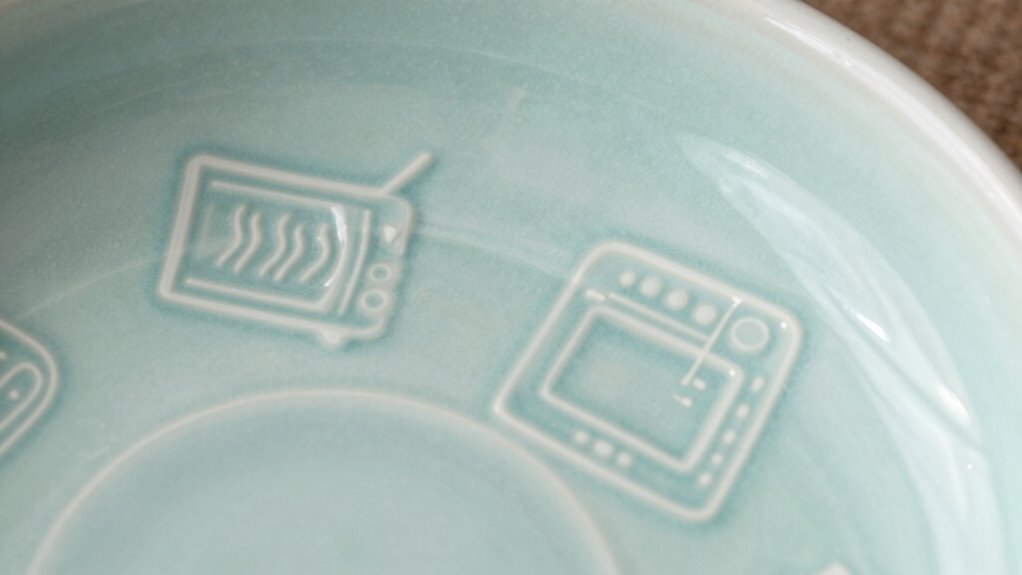
Knowing whether your containers are safe to use in the microwave or oven helps prevent accidents and keeps your food safe. These symbols on packaging labeling clearly indicate if a container can withstand heat. When you see a microwave-safe symbol, usually represented by a microwave icon or wavy lines, it means the container can safely heat food in the microwave without melting or releasing harmful chemicals. An oven-safe symbol, often shown as a dish with heat waves, indicates it can handle oven temperatures. Recognizing these symbols ensures you:
- Protect yourself from burns or chemical leaching
- Maintain kitchen safety during heating
- Use the right containers for proper food preparation
Always check these symbols before heating to avoid damaging containers or risking safety.
BPA and Chemical Resistance Icons: How to Identify Safer Materials
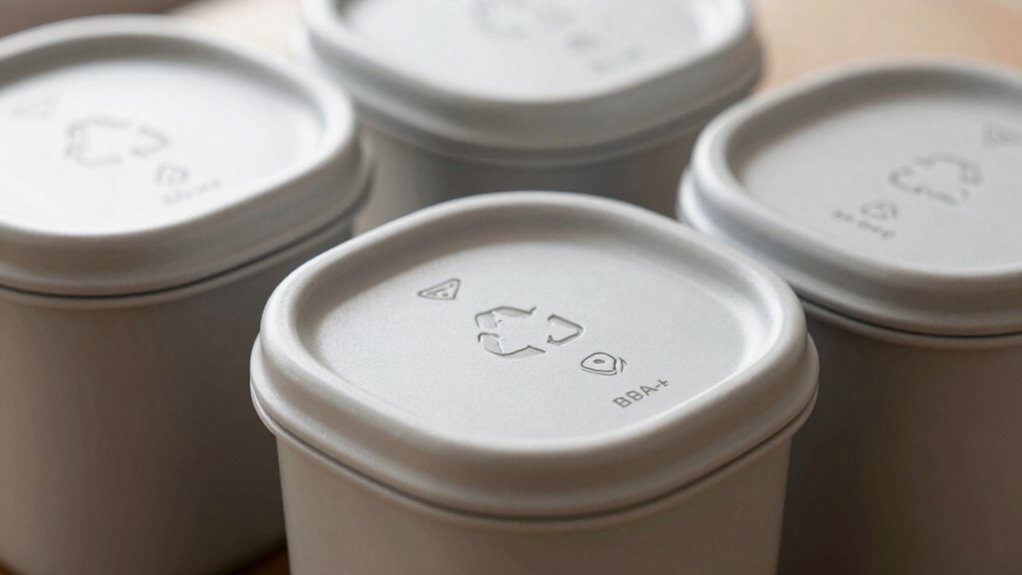
BPA and chemical resistance icons on packaging help you quickly identify materials that are safer for food contact. These symbols are essential for ensuring chemical safety and choosing durable materials that won’t leach harmful substances. Look for icons indicating BPA-free plastics or high chemical resistance, which suggest better material durability and safer food storage. Recognizing these icons empowers you to make healthier choices and protect your family’s well-being. Here’s a quick reference:
| Icon Type | What It Means | Why It Matters |
|---|---|---|
| BPA-Free | No Bisphenol A present | Reduces chemical risk |
| Dishwasher Safe | Durable under heat and cleaning | Ensures longevity |
| Microwave Safe | Suitable for microwave use | Maintains safety and quality |
| Chemical Resistant | Resists chemical leaching | Ensures chemical safety |
| Recyclable | Environmentally friendly | Promotes sustainable choices |
Tips for Quickly Spotting Food Contact Symbols in Stores
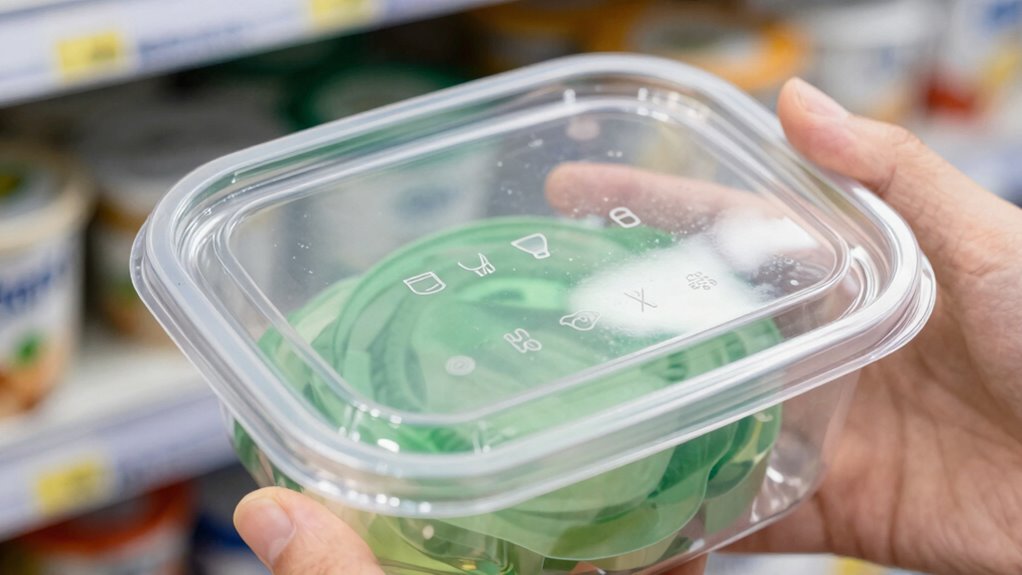
When you’re shopping, look carefully at packaging for familiar food contact symbols. Keep a quick reference guide handy to identify these icons faster. Recognizing common symbols and using store guides can save you time and help you choose safer products.
Recognize Common Symbols
To quickly spot food contact symbols in stores, focus on familiar shapes and markings often found on packaging. Recognizing these symbols helps guarantee labeling accuracy and confirms that products meet manufacturing standards. Look for common icons like the recycling triangle for plastics, glass and fork for food safety, or the “microwave safe” symbol. These symbols are designed to be easily identifiable, saving you time during shopping.
- Simple shapes like circles, triangles, or squares often indicate specific standards.
- Icons and logos reveal if packaging is suitable for certain food contact applications.
- Numbers inside symbols provide details about plastic types, essential for safety.
Mastering these symbols helps you make informed choices and trust the safety of your kitchen supplies.
Use Store Guides
Equipping yourself with store guides can considerably speed up the process of spotting food contact symbols on packaging. These guides help you quickly identify items that meet packaging safety standards and comply with labeling regulations. Keep a small reference chart or app handy while shopping, highlighting common symbols, their meanings, and safety tips. Familiarize yourself with the symbols’ appearance so you can scan packages efficiently. Store guides also provide insights into legal requirements, helping you choose safer products. By using these resources, you minimize the risk of purchasing items with unclear or misleading labels. Staying informed about packaging safety ensures you make better decisions in-store and protect your health and your family’s. Store guides are simple tools that make identifying food contact symbols fast and reliable.
How Understanding These Symbols Protects Your Health
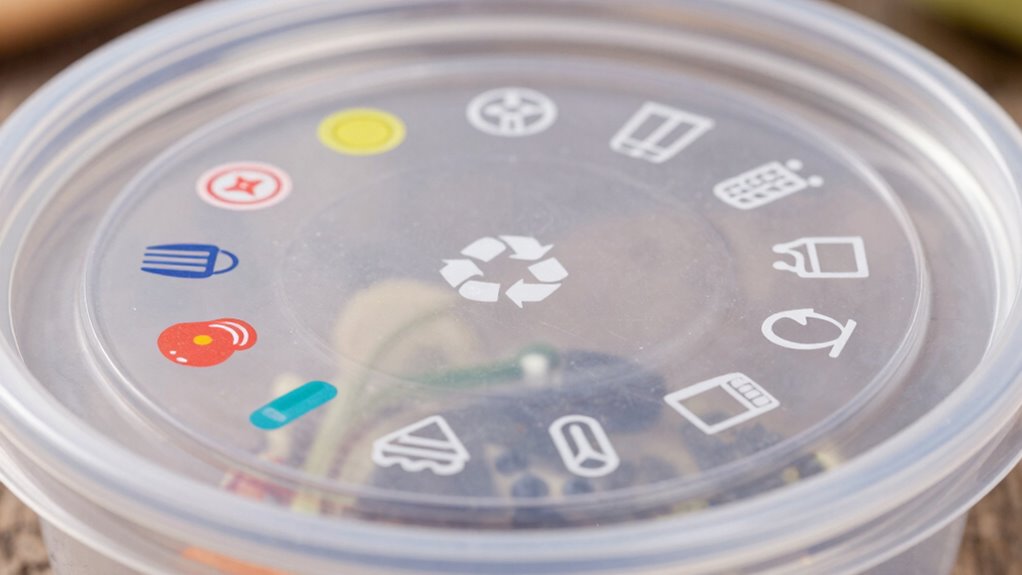
Understanding food contact symbols helps you make safer choices about the containers and packaging you use daily. Recognizing these symbols guarantees you select products designed with food safety in mind, reducing the risk of contamination. When you understand packaging design, you can avoid harmful materials that may leach chemicals into food. This knowledge empowers you to:
Knowing food contact symbols helps you choose safer, healthier packaging for everyday use.
- Identify symbols that indicate microwave-safe or dishwasher-safe products
- Spot signs of packaging that may contain harmful plastics or chemicals
- Choose eco-friendly options that align with health and environmental standards
Common Mistakes When Reading Food Packaging Symbols (And How to Avoid Them)
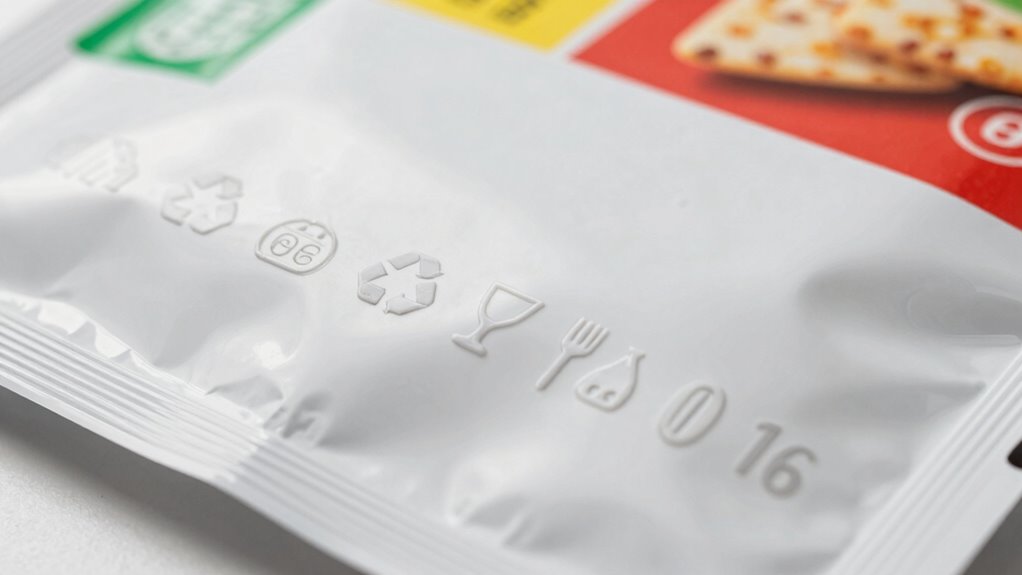
Many people overlook important details when reading food packaging symbols, which can lead to unsafe choices. One common mistake is assuming all symbols are clear and interpreting them incorrectly, leading to symbol misinterpretation. This can stem from unfamiliarity or inaccurate labeling accuracy on packaging. For example, mistaking a recycling symbol for a safe-use indicator can cause you to improperly dispose of or use the product. To avoid these errors, always double-check the meaning of symbols with trusted sources or official guides. Pay attention to packaging details, and don’t rely solely on visual cues. By understanding the true meaning behind each symbol, you ensure safer handling and better-informed decisions about your food, protecting your health and that of your family.
Frequently Asked Questions
Are All Symbols Standardized Across Different Countries?
Not all symbols are standardized across different countries. International standards exist, but cultural differences often influence their design and interpretation. You might see similar icons with slight variations, which can cause confusion. It’s important to check local guidelines and labels when using or purchasing food contact materials internationally. Staying aware of these differences helps make sure of safety and proper usage, especially when dealing with products from various regions.
Can Symbols Change Over Time or Vary by Manufacturer?
Yes, symbols can change over time and vary by manufacturer. You’ll notice symbol evolution as standards update and new materials emerge, leading to design tweaks. Manufacturers sometimes create their own variations to fit branding or specific product needs. Stay attentive to these differences, especially if you rely on symbols for safety guidance, because variations can impact how you interpret a container’s safety or intended use.
Do Food Contact Symbols Guarantee Safety or Just Indicate Material Type?
Imagine spotting a tiny symbol on your container—it’s like a secret code. These food contact symbols mainly indicate the material type, not safety assurance. While symbol interpretation helps you understand what’s safe to use, it doesn’t guarantee the product’s safety. Always check for additional info or certifications to guarantee your kitchen stays protected. So, these symbols guide you, but don’t rely on them alone for safety.
How Can I Verify a Symbol’s Authenticity on Packaging?
To verify a symbol’s authenticity on packaging, you should perform authenticity checks by inspecting the symbol closely for clear, consistent printing and comparing it to official manufacturer images. Look for any signs of tampering or blurriness that could indicate a counterfeit. You can also contact the manufacturer directly or visit their website to confirm the symbol’s legitimacy. Doing these steps guarantees you’re correctly verifying the symbol’s authenticity and safety.
Are There Any Symbols Indicating Allergen Information Besides Safety?
Yes, allergen labeling often includes specific allergen symbols that quickly inform you about potential allergens in a product. You should look for allergen symbols on packaging, which are designed to be easily recognizable and help you identify common allergens like nuts, dairy, or gluten. These allergen symbols complement written allergen labeling, making it easier to avoid ingredients you’re allergic to and ensuring safer choices for your diet.
Conclusion
By mastering these tiny icons, you become a vigilant guardian of your kitchen. Imagine holding a container, glancing at the symbols, and instantly recognizing it’s safe for your family’s meals. These small images act as your secret allies, guiding you through a maze of packaging. With a quick glance, you can prevent chemical exposure and ensure safe storage. Embrace these symbols—they’re your key to a healthier, worry-free cooking space.