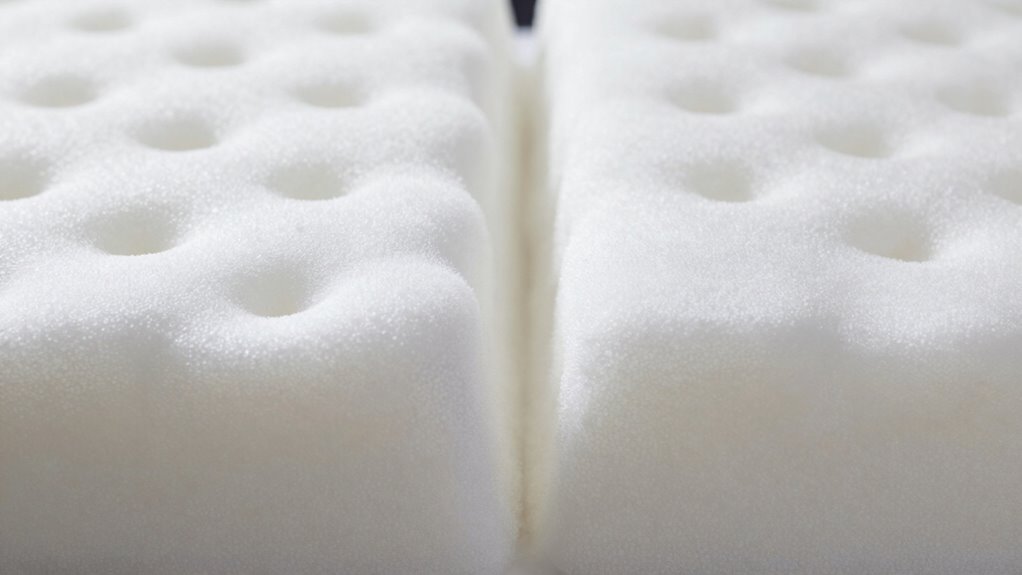

Foam usually refers to polyurethane or latex materials that are firm or soft, offering good support and airflow. Memory foam, a type of polyurethane foam, molds closely to your body, providing pressure relief but tends to trap heat and respond slowly. While foam is generally cooler and supports movement, memory foam emphasizes contouring and pressure reduction. To truly understand which suits you best, exploring how each material responds to your sleep style can make a big difference.
Key Takeaways
- Foam generally responds quickly and bounces back, while memory foam molds slowly to contours.
- Memory foam is heat-sensitive, softening with body heat, unlike traditional foam, which remains firmer.
- Foam tends to have better airflow and cooling properties, whereas memory foam can trap heat and cause overheating.
- Memory foam offers superior pressure relief and motion isolation compared to standard foam.
- Durability varies: high-quality foam often lasts longer, but memory foam may soften or sag sooner over time.
As an affiliate, we earn on qualifying purchases.
What Are Foam and Memory Foam? A Quick Intro
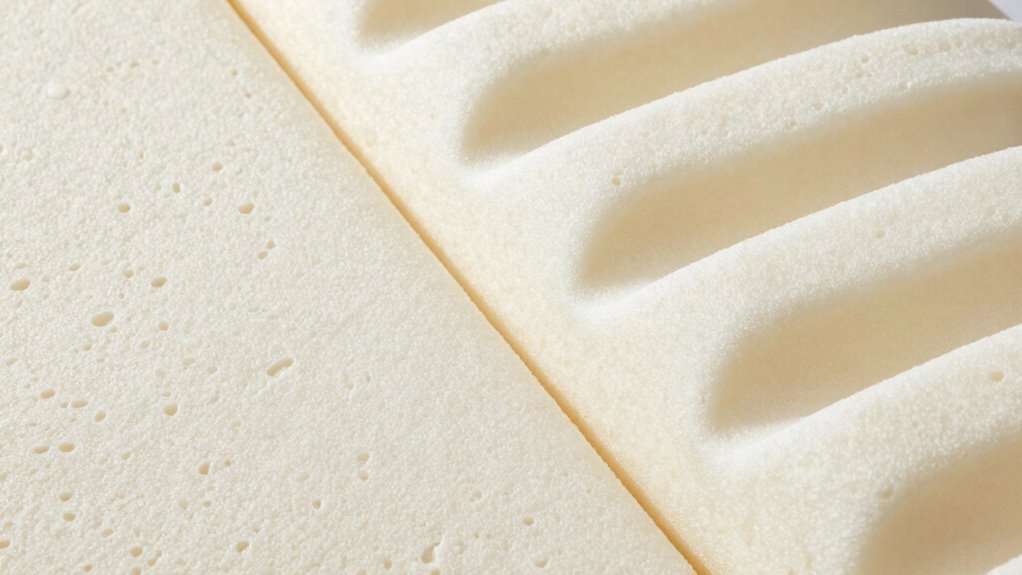
Foam and memory foam are popular materials used in mattresses and cushions because of their ability to provide comfort and support. Foam composition typically includes polyurethane, which can be formulated for different firmness levels and durability. Memory foam innovation has advanced its ability to conform closely to your body, offering personalized support. Unlike traditional foam, memory foam responds to heat and pressure, molding to your shape and then slowly returning to its original form. This makes it ideal for pressure relief and motion isolation. Both materials are lightweight and versatile, but memory foam’s unique structure and heat-sensitive properties set it apart. Additionally, density and firmness levels influence how each material performs in terms of support and longevity. Understanding how material properties impact comfort and durability can help you select the best option for your needs. Moreover, responsible manufacturing practices can affect the environmental impact and safety of these materials over time.
As an affiliate, we earn on qualifying purchases.
How Do Foam and Memory Foam Feel and Respond Under Pressure
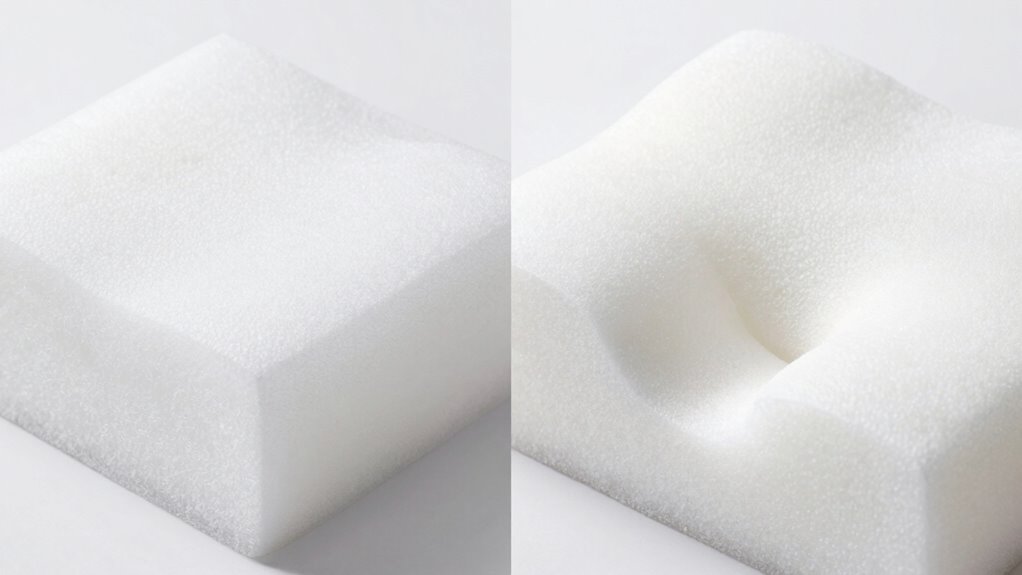
When pressure is applied, traditional foam and memory foam respond in distinctly different ways. You’ll notice that foam offers a quicker pressure response, bouncing back quickly and providing a firmer feel under your weight. It tends to feel more supportive and resilient, maintaining its shape without much sinking. Memory foam, on the other hand, responds slowly to pressure, molding tightly to your body’s contours. Its firmness feel is softer initially, but it gradually conforms as you stay in one spot, providing a sense of cradling support. This slow response helps reduce pressure points but can make the mattress feel less responsive and less supportive when you shift positions. Additionally, the material composition of each foam influences how they react to temperature and weight, further affecting comfort and support. The density and firmness of the foam also play a significant role in how each type performs under pressure. For example, foam density impacts overall durability and the level of support offered, while the material’s thermal properties can influence how hot or cool the surface feels during use. Understanding these performance differences can help you choose the right foam type for your comfort needs.
As an affiliate, we earn on qualifying purchases.
Temperature and Durability Differences Between Foam and Memory Foam
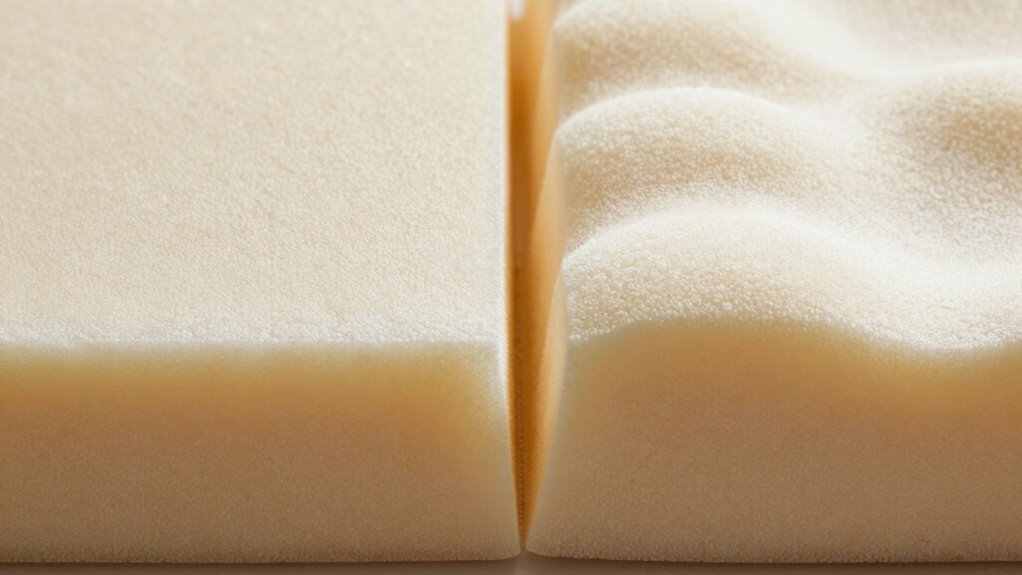
While both foam and memory foam are popular mattress materials, they differ markedly in how they respond to temperature and how durable they are over time. Memory foam tends to trap heat, making temperature regulation a challenge, especially if you sleep hot. Foam, on the other hand, usually offers better airflow and cooling properties. When it comes to durability comparison, foam generally maintains its shape longer, while memory foam may soften or sag sooner with extended use. Additionally, the Greek Sceptic approach encourages questioning claims about material longevity and performance, prompting consumers to seek evidence and reliable testing data. Consider these factors:
Foam offers better airflow and durability than memory foam, which tends to trap heat and soften faster over time.
- Memory foam can retain heat, affecting sleep comfort
- Foam often provides better temperature regulation
- Memory foam may degrade faster over time
- Regular foam tends to be more durable
- Both materials can be affected by quality and manufacturing
Understanding these differences helps you choose based on longevity and temperature needs.
As an affiliate, we earn on qualifying purchases.
Pros and Cons of Foam vs Memory Foam Mattresses
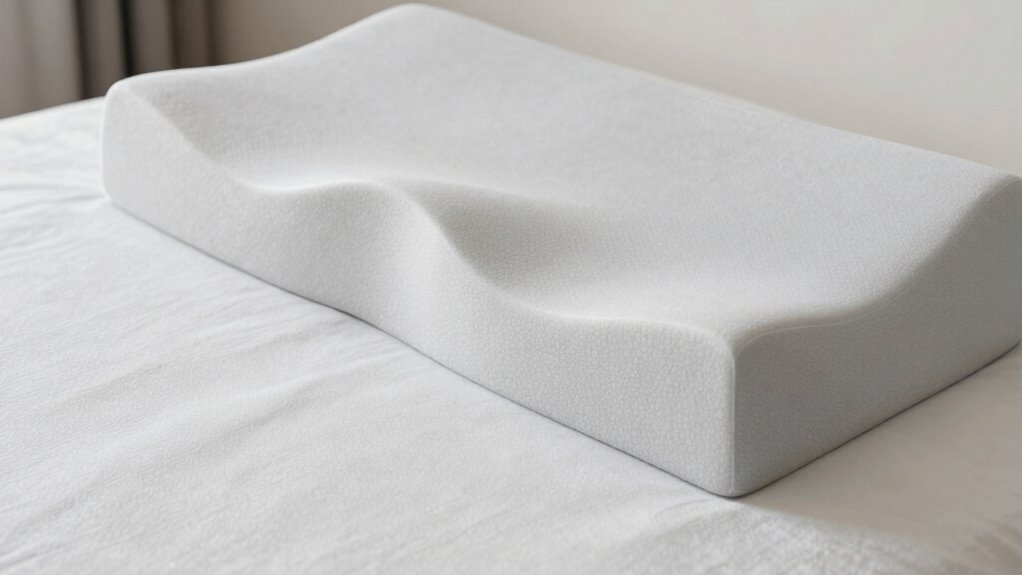
Choosing between foam and memory foam mattresses depends on your personal preferences and sleep needs, as each has distinct advantages and drawbacks. Foam mattresses generally offer better edge support, providing a stable sleeping surface near the edges, which benefits those who sit or sleep close to the bed’s perimeter. However, they may lack superior motion isolation, so your movements could disturb a partner. Memory foam excels in absorbing motion, making it ideal for couples or those sharing a bed. It also contours closely to your body, relieving pressure points. On the downside, memory foam can retain heat and may feel too soft for some, impacting support and comfort. Additionally, foam density influences durability and comfort levels, so selecting the right density is important. Understanding foam composition can help you choose materials that enhance durability and comfort. Moreover, body heat retention is a common concern with memory foam, which can affect sleep temperature. Overall, consider whether you prioritize edge support or motion isolation to choose the mattress that best suits your sleeping style. Additionally, assessing the safety and quality of the foam materials can ensure a more reliable and durable mattress purchase. Ensuring the foam is made from safe, non-toxic materials can also contribute to a healthier sleeping environment.
Which Mattress Type Fits Your Sleep Style and Preferences

Understanding your sleep style and preferences can help you determine whether foam or memory foam is the better fit. Your sleep positions and firmness preferences play a key role in making the right choice. If you sleep on your side, you might prefer a softer mattress that cushions your shoulders and hips. If you’re a back sleeper, a medium firmness can provide balanced support. Stomach sleepers often need firmer options to prevent sinking. Consider these factors:
- Sleep position (side, back, stomach)
- Desire for contouring or support
- Firmness level preference
- Sensitivity to heat or motion transfer
- Preference for pressure relief
- Recognizing how different mattress materials can influence auditory comfort and overall sleep quality. Additionally, understanding mattress materials can help you choose options that suit your specific needs. Matching these preferences ensures you select a mattress that aligns with your comfort needs, helping you wake refreshed and pain-free. Additionally, choosing a mattress that suits your favorite sleeping position can significantly improve your overall sleep quality. Remember that your sleep environment and mattress materials can also influence how well you rest and how comfortable you feel throughout the night. Being aware of heat retention properties in mattress materials can guide you toward options that prevent overheating and promote restful sleep.
How to Choose the Right Foam or Memory Foam Mattress for You

Selecting the right foam or memory foam mattress involves evaluating your specific sleep needs and preferences. If you prefer a more responsive feel, a latex mattress might suit you better, offering bounce and durability. For those seeking a balance of support and contouring, consider hybrid designs that combine foam layers with innerspring or latex components. Think about your preferred sleeping position—side, back, or stomach—as this influences firmness and pressure relief requirements. If you tend to sleep hot, look for mattresses with cooling technologies or ventilated foam layers. Budget is also key; memory foam tends to be more affordable, but high-quality latex or hybrid options can provide better longevity. Additionally, understanding foam types and their properties can help you make a more informed choice. Ultimately, testing different types and focusing on comfort and support will help you find the perfect fit.
Frequently Asked Questions
Are Foam and Memory Foam Mattresses Eco-Friendly Options?
Yes, foam and memory foam mattresses can be eco-friendly options if they’re made with eco-friendly materials and sustainable manufacturing practices. Look for brands that use natural or recycled materials, such as plant-based foams or bio-based memory foams. These options reduce environmental impact and promote sustainability. By choosing these mattresses, you support eco-conscious manufacturing and help lessen your carbon footprint while enjoying comfort and durability.
How Do Foam and Memory Foam Mattresses Impact Allergy Sufferers?
You might think foam and memory foam mattresses help allergy prevention, but they can actually worsen allergy symptoms. They trap dust mites, mold, and pet dander—common asthma triggers—making breathing harder for allergy sufferers. While they conform to your body, they also hold onto allergens longer, so you’ll wake up feeling more congested. If you suffer from allergies, consider hypoallergenic options instead of foam or memory foam, which may seem cozy but aren’t always safe.
What Are the Best Cleaning and Maintenance Tips for These Mattresses?
To keep your foam or memory foam mattress in top shape, clean it regularly and avoid excess moisture. Vacuum weekly to remove dust and allergens, and spot clean stains with a mild detergent. Use a mattress protector to prolong durability and reduce the need for frequent deep cleaning. Remember, maintaining proper cleaning frequency helps preserve mattress integrity and comfort, ensuring it lasts longer and stays hygienic.
Do Foam and Memory Foam Mattresses Offer Adequate Support for Back Pain?
You might worry foam and memory foam mattresses won’t provide enough support for back pain, but they can offer excellent support levels when chosen correctly. Memory foam molds to your body, offering targeted pain relief, while traditional foam provides a stable support base. Make sure you select a mattress with medium to firm support, and you’ll find both types can considerably ease back discomfort, promoting better sleep and spinal alignment.
How Do Price Points Compare Between Foam and Memory Foam Mattresses?
You’ll find that price points for foam and memory foam mattresses vary widely, with memory foam usually costing more due to its specialized materials and comfort features. When comparing value, consider that a higher price often means better durability and support, but affordable options can still offer good comfort. The pricing differences reflect brand, quality, and features, so weigh your budget against the benefits you desire to make the best choice.
Conclusion
Choosing between foam and memory foam is like picking the perfect dance partner—one who moves with you and supports your every step. Think about your sleep style, comfort preferences, and how each material responds to your body. By understanding their differences, you’ll find the mattress that feels like a gentle hug or a supportive cradle. Trust your instincts, and you’ll discover the perfect fit to make every night feel like a restful, rejuvenating dance.