
Understanding antibacterial claims can help you spot what’s backed by science, what’s just marketing hype, and what could be risky. Not all products’ benefits are proven, and some labels exaggerate or mislead. Overuse or misuse could lead to antibiotic resistance or health concerns. By checking ingredients, understanding regulations, and being wary of vague claims, you can make smarter choices. If you want to know how to navigate this complex landscape, continue exploring the facts and tips that follow.
Key Takeaways
- Not all antibacterial claims are scientifically proven; some are marketing hype without strong evidence.
- Regulatory agencies require evidence-based labeling, but some products still make unsubstantiated antibacterial claims.
- Proper use of antibacterial products is essential; misuse can lead to bacterial resistance and reduced effectiveness.
- Natural antibacterials show promise but lack consistent clinical evidence and may have safety and efficacy limitations.
- Overreliance on antibacterial products can contribute to antibiotic resistance and unnecessary chemical exposure.
What Are Antibacterial Products and How Do They Work?

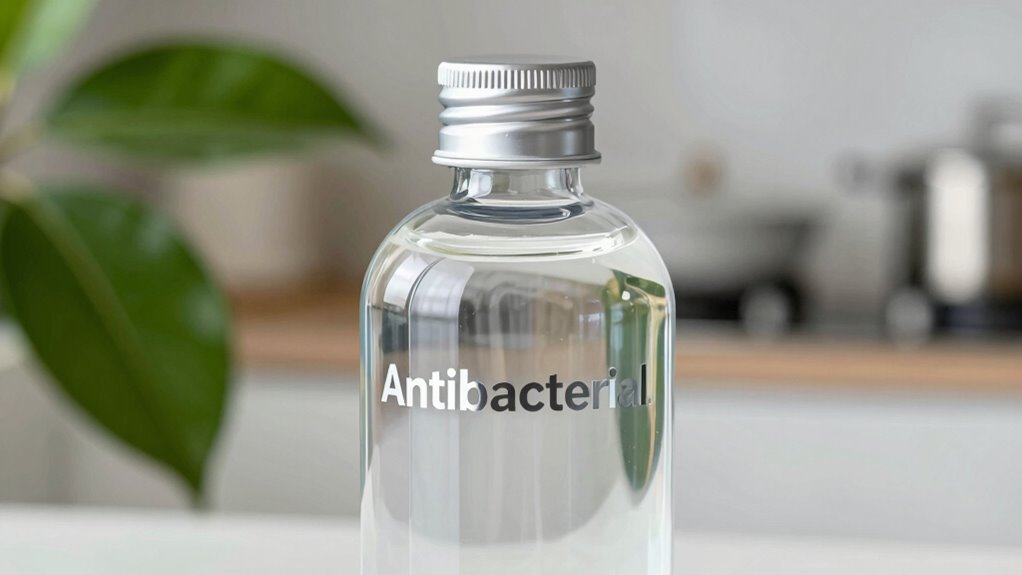
Have you ever wondered what makes antibacterial products different from regular cleaning supplies? The key lies in their active ingredients, such as antibacterial coatings and chemical disinfectants. Antibacterial coatings are applied to surfaces to inhibit bacterial growth, creating a protective barrier that reduces the risk of contamination. Chemical disinfectants, on the other hand, are substances that kill or markedly reduce bacteria on surfaces within minutes. These products often contain agents like alcohol, chlorine, or quaternary ammonium compounds, which target bacterial cell walls and disrupt their functions. While regular cleaners remove dirt and germs, antibacterial products aim to actively eliminate bacteria, providing added reassurance. Understanding how these products work helps you make informed choices about maintaining a cleaner, safer environment. antibacterial products can vary widely in their effectiveness, so it’s important to consider the ingredients and claims carefully. Additionally, the regulatory oversight of antibacterial claims varies by region, so verifying product approvals can ensure safety and efficacy. Being aware of antibacterial claims and their limitations can help prevent overreliance on these products and promote better hygiene practices. Recognizing the scientific basis behind these products can further inform your hygiene decisions and prevent misconceptions.
Do Scientific Studies Support the Claims of Antibacterial Products?
Scientific studies have examined whether antibacterial products truly deliver on their promises. While many consumers believe these products are more effective, research often shows mixed results. You should be aware that marketing strategies heavily influence consumer perceptions, sometimes overstating benefits. To understand the science, consider these points:
- Not all antibacterial ingredients have strong evidence supporting their effectiveness.
- Some studies find no significant difference between antibacterial and regular products for everyday use.
- Regulatory agencies often highlight that antibacterial claims are not always backed by rigorous scientific proof.
- The contrast ratio of a projector significantly impacts the perceived depth and clarity of images, which can influence overall viewing satisfaction.
As a consumer, it’s essential to scrutinize marketing claims and rely on credible scientific data rather than assumptions. The science behind antibacterial products is complex, and not all claims are equally supported by research.
How Do Regulations Ensure Honest Antibacterial Claims?
Regulatory agencies play a essential role in ensuring that antibacterial claims are honest and backed by evidence. They establish strict antibacterial regulations to prevent false or misleading statements on product labels. These agencies review scientific data before approving claims, making sure companies can’t make unsupported or exaggerated statements. By enforcing label honesty, they help consumers distinguish between products with proven benefits and those making empty promises. Agencies also conduct regular inspections and testing to verify compliance, penalizing companies that violate rules. This oversight creates accountability, encouraging manufacturers to provide truthful information. Moreover, regulatory oversight helps maintain consumer trust and protects public health. Additionally, clear guidelines for testing and substantiation contribute to the consistency and reliability of antibacterial claims. Overall, regulations serve as a safeguard, ensuring that antibacterial claims are transparent, credible, and based on solid evidence—so you can trust what’s on the label.
What Marketing Hype Should You Watch Out For on Labels?
How can you spot exaggerated claims on antibacterial product labels? Many marketing exaggerations are designed to catch your eye without backing up their promises. Look for vague statements like “kills germs” without specific details or evidence. Always check label disclaimers—some products claim “kills 99.9% of germs,” but the fine print may limit this to certain bacteria or conditions. Be wary of phrases like “antibacterial,” “germ-fighting,” or “disinfects,” unless supported by regulatory approval. Here are three tips to identify hype:
- Overgeneralized claims with no scientific backing
- Prominent language without clear label disclaimers
- Lack of specific bacteria or virus information
Additionally, understanding filtration and how appliances operate can help you evaluate whether these claims are supported by the product’s actual capabilities. Recognizing the role of water chemistry in maintaining a healthy environment is essential to avoid relying solely on antibacterial claims. Stay skeptical of marketing exaggerations and read the fine print carefully.
When Are Antibacterial Products Actually Effective?
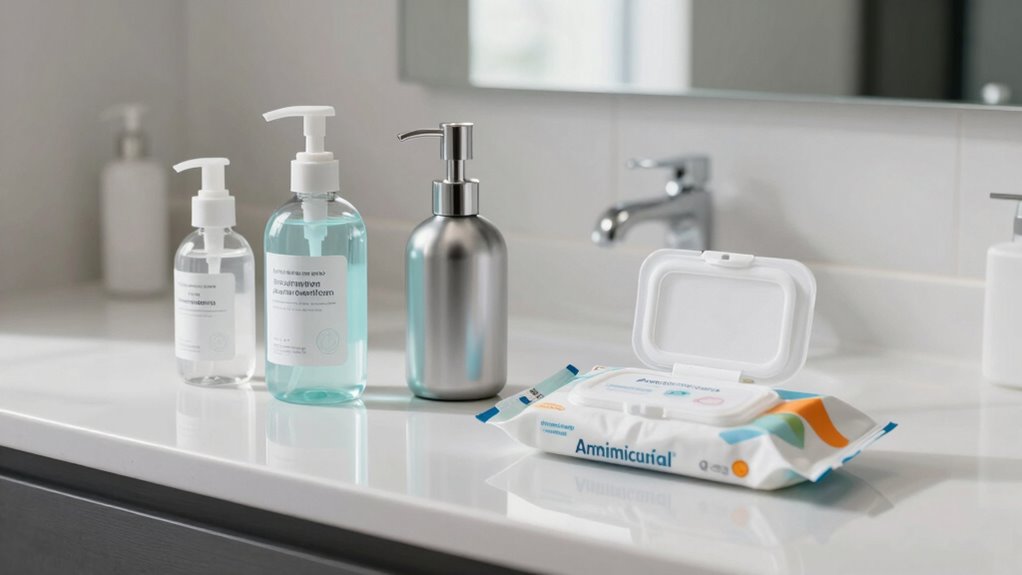
Antibacterial products work best when you follow the proper usage instructions and apply them correctly. They are effective against specific pathogens, so knowing what bacteria you’re targeting makes a difference. Understanding these conditions helps guarantee you get the protection you’re expecting. Additionally, selecting products that incorporate Free Floating technology can enhance their effectiveness by ensuring even distribution and contact. Proper maintenance of air purifiers, such as regularly cleaning filters and ensuring airflow, can also influence how well antibacterial agents perform in the environment. Recognizing the importance of proper application techniques can further optimize their efficacy and safety. Moreover, considering the antibacterial agent type used in the product can help determine its suitability for your specific needs and environment. Being aware of water treatment methods can also aid in assessing how antibacterial agents interact within different settings.
Proper Usage Conditions
To guarantee antibacterial products work effectively, you need to use them under the right conditions. Proper usage depends on consistent cleaning routines and understanding ingredient safety. First, always follow the manufacturer’s instructions for application and contact time. Second, use antibacterial products on surfaces that need sanitizing, not as a substitute for regular cleaning. Third, ensure the environment isn’t overly dirty or greasy, which can hinder effectiveness. Remember, these products are most effective when integrated into a routine, not as a quick fix. Proper cleaning routines help maintain ingredient safety and prevent bacteria buildup. Using antibacterial products correctly minimizes health risks, guaranteeing you’re not exposing yourself or others to unnecessary chemicals. Additionally, maintaining good indoor air quality can help support overall health and reduce the need for frequent disinfecting. Implementing proper ventilation can further enhance the effectiveness of disinfectants and reduce chemical buildup indoors. It’s also important to consider the ingredient safety of the products you choose, as some compounds may pose health risks if misused.
Targeted Pathogens Effectiveness
Antibacterial products are most effective when used against specific pathogens they’re designed to target. Their targeted efficacy means they can eliminate bacteria effectively if the product matches the pathogen. However, pathogen resistance can develop when bacteria adapt to these chemicals, reducing effectiveness over time. This resistance makes some antibacterial products less reliable against certain strains. To maximize benefits, you need to choose products proven to work against the specific bacteria you’re targeting, and use them properly. Remember, broad-spectrum antibacterial agents aren’t always necessary and may contribute to resistance. When used correctly on intended pathogens, these products can be highly effective. But if resistance has set in or if the product isn’t suited for the target pathogen, their effectiveness drops appreciably.
What Are the Risks of Overusing or Misusing Antibacterial Agents?
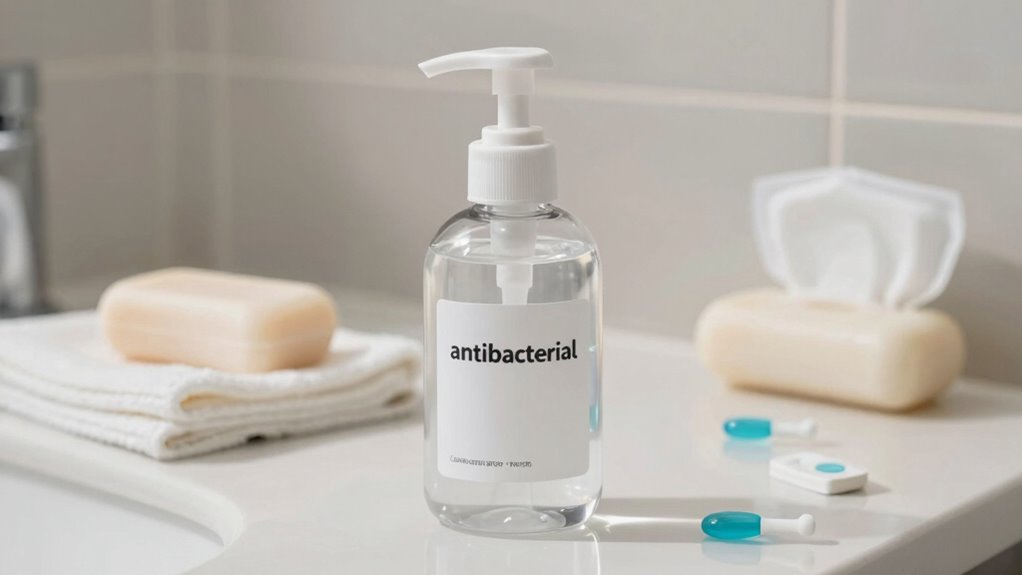
Overusing or misusing antibacterial agents can lead to serious health and environmental issues. When you rely too heavily on these products, you risk promoting microbial resistance, making bacteria harder to eliminate and potentially leading to more severe infections. Additionally, excessive use increases your chemical exposure, which can have unknown health effects.
Here are some key risks:
- Microbial resistance, reducing the effectiveness of antibiotics and other treatments.
- Increased chemical exposure, which could harm your skin or cause other health problems.
- Environmental contamination, affecting water sources and wildlife.
Can Antibacterial Products Contribute to Antibiotic Resistance?
When you use antibacterial products excessively, bacteria can develop ways to survive, such as altering their structures or producing enzymes that neutralize the agents. This adaptation makes them harder to kill and can lead to resistance that spreads over time. Consequently, overusing antibacterials might unintentionally contribute to the rise of antibiotic-resistant bacteria.
Bacterial Adaptation Mechanisms
Bacteria have remarkable abilities to adapt quickly to their environments, especially when exposed to antibacterial agents. This bacterial evolution enables them to develop resistance mechanisms that can undermine treatment effectiveness. When exposed repeatedly to antibacterial products, bacteria may:
- Mutate genes, altering drug targets
- Produce enzymes that break down antibiotics
- Increase efflux pumps to expel antimicrobials
These strategies allow bacteria to survive despite antibacterial efforts, making resistance more likely over time. Your use of antibacterial products can inadvertently promote these adaptation mechanisms, especially if not used properly. Recognizing the resistance development process is crucial for effective infection control. Understanding bacterial evolution and resistance mechanisms helps you recognize that overexposure to antibacterials can accelerate resistance, posing a real threat to effective infection control. Bacterial adaptation mechanisms highlight the importance of proper antimicrobial use to prevent resistance development. Additionally, frequent misuse can lead to antibiotic resistance, complicating future treatment options and increasing health risks. Moreover, the evolutionary capacity of bacteria means they can acquire resistance genes from other bacteria, further accelerating the spread of resistance traits across populations. Research also indicates that inappropriate antibacterial use can select for more resilient bacterial strains, making infections harder to treat.
Overuse of Antibacterials
Excessive use of antibacterial products can contribute substantially to the development of antibiotic resistance. Many antibacterial myths promote the idea that more cleaning equals better health, fueling unnecessary use that can backfire. These hygiene misconceptions lead you to over-rely on antibacterial soaps and wipes, believing they provide complete protection. However, overusing these products can kill benign bacteria that help keep your immune system balanced, while encouraging resistant strains to thrive. This overuse accelerates the evolution of bacteria that no longer respond to antibiotics, making infections harder to treat. Instead, focusing on regular handwashing with plain soap and water is sufficient for most daily needs. Remember, more isn’t always better—antibacterial overuse can do more harm than good.
How to Choose Safe and Effective Antibacterial Products?
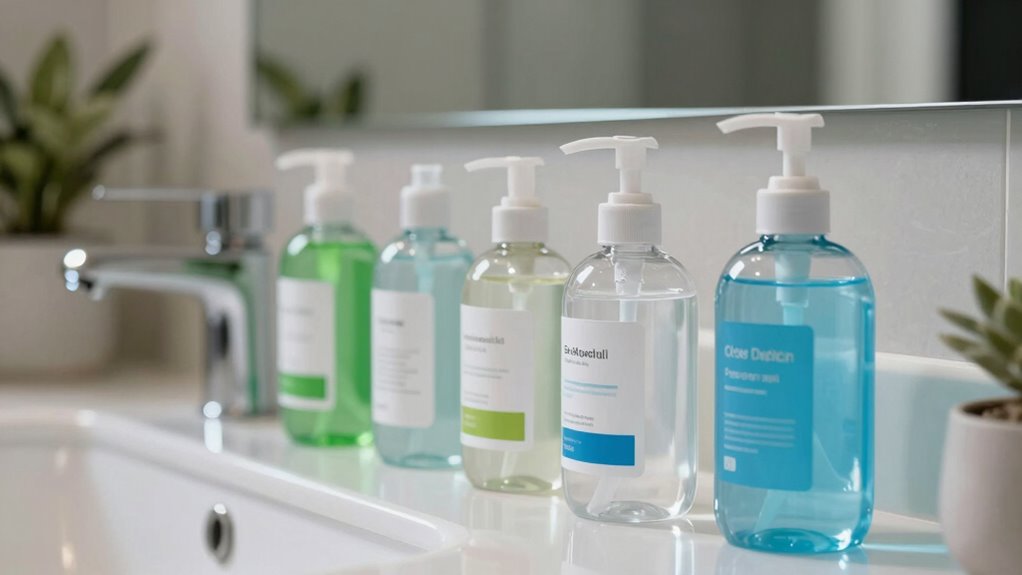
Choosing the right antibacterial product requires careful consideration to guarantee safety and effectiveness. With consumer skepticism growing due to misleading marketing tactics, it’s essential to scrutinize labels and claims. First, check for reputable active ingredients like benzalkonium chloride or alcohol, which are proven effective. Second, research the brand’s transparency and third-party testing to verify safety standards. Third, avoid products that promise unrealistic results or use vague language. Be cautious of marketing tactics that inflate benefits or downplay risks. Always read labels carefully and consult trusted health sources. Additionally, understanding the Gold IRA markets can help you recognize credible investment options when considering broader health and safety products. Remember, not all antibacterial products are equally effective or safe; making informed choices helps protect your health and prevents unnecessary exposure to potentially harmful substances. For example, some products may contain ingredients that are not listed clearly, which can pose additional health risks, similar to unverified electric dirt bike components.
Are Natural Alternatives to Chemical Antibacterials Effective?

You might wonder if natural ingredients truly work as antibacterial agents. While some plants have scientific backing for their effectiveness, others lack solid evidence. It’s also important to contemplate potential risks and limitations that come with relying solely on natural alternatives.
Natural Ingredients’ Effectiveness
Natural ingredients like tea tree oil, garlic, and honey have gained popularity as alternatives to chemical antibacterials, but their effectiveness varies. You should approach these options with natural skepticism, as botanical potency differs across sources and preparations. While some believe these ingredients have strong antimicrobial properties, scientific evidence remains inconsistent. To evaluate their potential, consider these points:
- The concentration of active compounds can be unpredictable in natural forms.
- Variability in plant quality impacts antibacterial strength.
- Proper formulation and application are vital for effectiveness.
Although natural ingredients may seem promising, their actual efficacy depends on how well their active components are preserved and delivered. Relying solely on natural remedies without understanding their limitations can be risky.
Scientific Evidence Supporting Plants
Scientific studies have produced mixed results regarding the antimicrobial effectiveness of plant-based compounds. Some research shows that certain plant compounds and herbal extracts can inhibit or kill bacteria, supporting their use as natural antibacterials. For example, compounds like allicin from garlic and tea tree oil have demonstrated antimicrobial activity in laboratory tests. However, the strength and consistency of these effects vary depending on the plant source, extraction method, and bacterial strains tested. While promising, many herbal extracts lack standardized formulations or sufficient clinical evidence, making it hard to confirm their reliability as alternatives to chemical antibacterials. Overall, the scientific evidence suggests potential, but it’s not yet definitive enough for widespread replacement of conventional disinfectants. More rigorous research is needed to establish their true effectiveness.
Potential Risks and Limitations
Although some plant-based compounds show antimicrobial activity in laboratory tests, relying on them as effective alternatives to chemical antibacterials presents significant challenges. Natural options often lack consistency and potency, making it difficult to guarantee they effectively eliminate harmful bacteria. Additionally, their use can pose risks to consumer safety if not properly tested or regulated. Environmental impact is another concern, as harvesting large quantities of plants may damage ecosystems or deplete resources. Keep in mind these limitations:
- Variability in natural potency and composition
- Lack of standardized dosing and efficacy
- Potential for unintended side effects or allergic reactions
While natural alternatives seem appealing, their limitations highlight the importance of rigorous testing and regulation to ensure safety and effectiveness.
Practical Tips for Maintaining Hygiene Without Overreliance on Antibacterials

Maintaining good hygiene doesn’t mean relying solely on antibacterial products; simple daily habits can be highly effective. Focus on consistent hand hygiene by washing with soap and water for at least 20 seconds, especially after touching surfaces or before eating. Avoid overusing antibacterial soaps, which can contribute to microbial resistance. Instead, use regular soap and water for routine cleaning.
| Tip | Explanation |
|---|---|
| Wash Hands Regularly | Reduces bacteria without promoting resistance |
| Use Soap Correctly | Ensures effective removal of microbes |
| Avoid Excessive Disinfectant | Prevents unnecessary exposure and resistance development |
Staying mindful of your hygiene habits helps keep germs at bay without overrelying on antibacterials.
Frequently Asked Questions
Can Antibacterial Products Be Used Safely on Skin and Food Surfaces?
You can use antibacterial products safely on skin and food surfaces if they’re specifically labeled for that purpose. Always check antibacterial safety on labels, and follow instructions carefully. For skin, choose products designed for topical use, and avoid ingesting antibacterial agents. On food surfaces, use approved disinfectants to prevent contamination. Remember, overuse or using the wrong products can pose health risks, so always guarantee proper application and safety guidelines.
Are There Specific Situations Where Antibacterial Products Are Unnecessary?
You don’t need antibacterial products for everyday household routines or skincare practices. Regular soap and water effectively remove germs during handwashing, and most skin needs natural bacteria to stay healthy. Using antibacterial products unnecessarily can disrupt your skin’s natural balance and promote resistant bacteria. Focus on thorough cleaning with soap and water, especially after cooking or using the restroom, rather than relying on antibacterial products unless specifically recommended by health experts.
How Do Antibacterial Claims Influence Consumer Behavior and Perceptions?
Antibacterial claims often boost your trust in products, making you more likely to choose them over alternatives. Marketers use these tactics to create a perception of superior safety and effectiveness, influencing your buying decisions. However, it’s important to stay cautious, as not all claims are backed by science. Your perception can be swayed by persuasive marketing, so always evaluate whether these claims are truly necessary for your needs.
What Are the Long-Term Environmental Impacts of Antibacterial Chemicals?
You might not realize it, but antibacterial chemicals can cause environmental accumulation that lingers long after use. Their chemical persistence means they build up in water and soil, harming aquatic life and disrupting ecosystems. Over time, this unseen accumulation risks contaminating food chains and affecting human health. While these chemicals fight germs, their long-term environmental impacts threaten biodiversity and our planet’s future, making cautious use essential.
Are There Differences in Effectiveness Between Antibacterial and Regular Cleaning Agents?
Antibacterial agents often show higher antibacterial efficacy than regular cleaners, especially against specific bacteria. However, their effectiveness can vary depending on the formulation and usage. While they can be useful, you should consider chemical safety, as some antibacterial chemicals may pose health or environmental risks. For routine cleaning, regular disinfectants are generally sufficient, and they tend to be safer for long-term use.
Conclusion
In today’s world, it’s essential to stay vigilant about antibacterial claims—think of it like steering through a medieval marketplace filled with both treasures and tricksters. Not every product lives up to its hype, and overusing antibacterials can do more harm than good. Stick to proven methods like thorough handwashing and natural alternatives when possible. By staying informed, you can protect yourself without falling prey to marketing magic, just as a wise knight guards their kingdom.