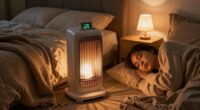
VOCs in your bedroom often come from sources you might not expect, like new furniture, pressed wood, laminate flooring, or household products such as air fresheners and cleaning supplies. Even paints, drywall, and fabrics can emit these gases over time. Poor ventilation worsens the buildup, affecting your health and sleep quality. Staying aware of these hidden sources and taking steps to improve air quality can make a big difference. Learn more to protect your environment and sleep better.
Key Takeaways
- New furniture, especially pressed wood and laminate flooring, can emit VOCs long after installation.
- Household cleaning supplies and air fresheners release VOCs that often go unnoticed in bedrooms.
- Building materials like drywall and paint fumes can emit VOCs over time, impacting indoor air quality.
- Scented products and fragrances, even natural ones, may contain VOCs that linger in poorly ventilated spaces.
- Indoor plants and air purifiers can help reduce hidden VOC sources and improve bedroom air quality.
What Are VOCs and Why Do They Matter in Your Bedroom?

Volatile Organic Compounds (VOCs) are chemicals emitted as gases from certain solids or liquids, often found in common household products. These indoor pollutants can markedly impact your air quality, making your bedroom less safe and comfortable. VOCs come from sources like paints, cleaning supplies, air fresheners, and furniture. When you breathe in these gases, they can accumulate, reducing the purity of the air you rely on for restful sleep. Over time, exposure to VOCs may lead to health issues, especially if ventilation is poor. Understanding what VOCs are and their presence in your bedroom helps you take steps to reduce your exposure and improve your indoor environment. Recognizing the sources of VOCs is essential for safer indoor air quality. Keeping air clean starts with recognizing the sources of these invisible pollutants, including indoor air quality factors that influence VOC levels. Additionally, ventilation practices play a crucial role in dispersing VOCs and maintaining healthier air. Proper air filtration can also significantly reduce VOC concentrations, enhancing overall air safety. Regularly checking for VOC presence can help identify hidden sources and improve overall air safety.
How Do VOCs Affect Your Health and Sleep?
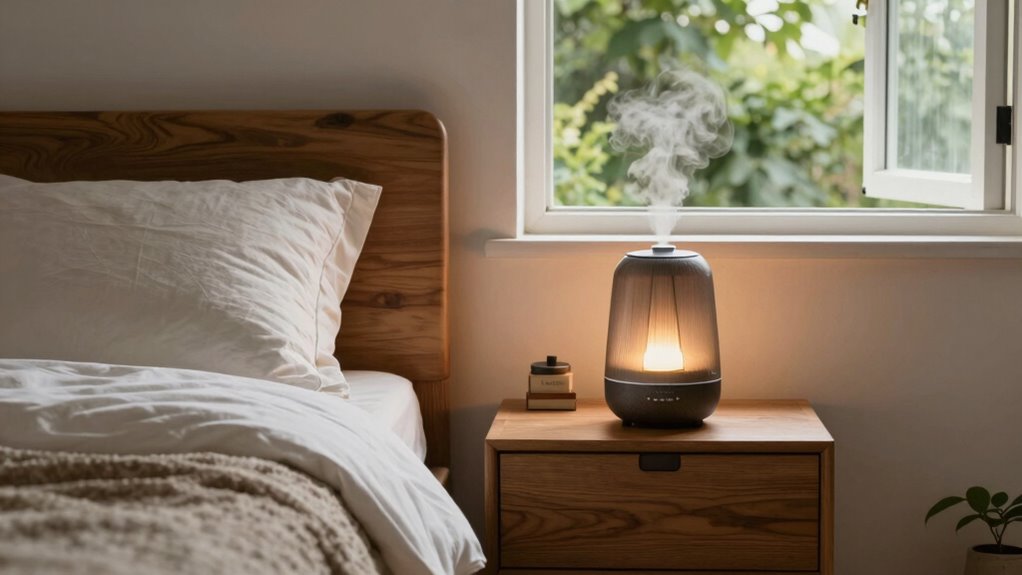
Since VOCs are gases released from household products, breathing them in can directly impact your health and sleep quality. Exposure to VOCs can cause headaches, dizziness, and respiratory issues, making restful sleep difficult. Over time, they may also contribute to more serious health problems. To counteract this, consider adding bedroom plants, which naturally absorb VOCs and improve air quality. Natural remedies like essential oils or air purifiers can also help reduce VOC levels. Improving ventilation and avoiding products with high VOC emissions support better sleep and overall health. Additionally, using air purifiers with proper maintenance can significantly reduce VOC concentrations in your bedroom. Incorporating air quality awareness into your routine can help you identify and minimize sources of VOCs more effectively. Recognizing the importance of indoor air quality is crucial for maintaining a healthier sleeping environment. Being mindful of VOC sources within your home can lead to more targeted improvements. Using high-VOC cleaning products and paints should be avoided to ensure a safer indoor environment. By reducing VOC exposure, you’ll create a safer, more comfortable sleeping environment, ensuring you wake up refreshed and healthier each morning.
Common Household Items That Emit VOCs
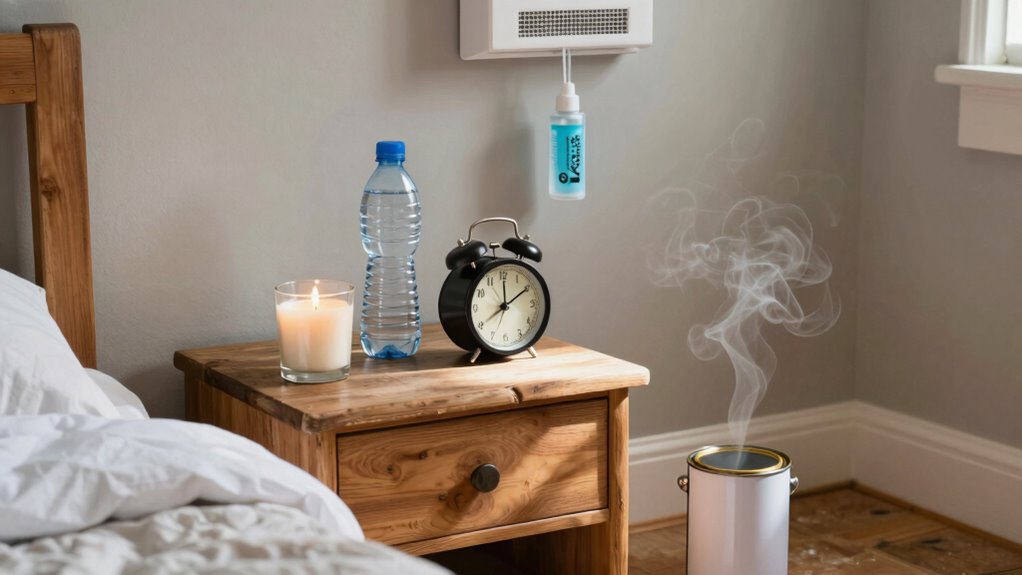
Many common household items release VOCs into the air, often without you realizing it. Air fresheners are a prime example—they can contain chemicals that quickly evaporate, filling your room with volatile compounds. Cleaning supplies are another significant source; many contain solvents and fragrances that emit VOCs during and after use. Even products labeled as “green” or “natural” may still release trace amounts of VOCs. These emissions can linger, especially in poorly ventilated spaces. You might not notice the smell, but VOCs are present and can affect your health over time. To reduce exposure, opt for unscented or natural cleaning products, and limit the use of air fresheners. Proper ventilation can also help clear any VOCs that do get released. Additionally, indoor air quality can be compromised by VOCs, making it important to monitor and improve airflow regularly. Regularly inspecting and replacing air filters can also help reduce indoor VOC levels. Using air purifiers equipped with activated carbon filters can further decrease VOC concentrations in your home.
Which Building Materials and Furniture Release VOCs?

Building materials and furniture can be hidden sources of VOCs in your bedroom. Many new items, like pressed wood furniture, laminate flooring, and drywall, release volatile organic compounds over time. These emissions can linger and impact your indoor air quality. To combat this, you should consider an air purifier with high effectiveness for VOC removal, which can help reduce airborne pollutants. Additionally, proper ventilation techniques, such as opening windows regularly or using exhaust fans, can help dilute indoor VOC levels. Be mindful of the materials you choose; opting for low-VOC or VOC-free options can considerably decrease indoor pollution. Regularly airing out new furniture and building materials allows VOCs to dissipate more quickly, making your bedroom safer and healthier. Incorporating ventilation considerations from trusted guides can further improve indoor air quality and reduce VOC buildup effectively. Understanding emission sources can help you identify potential dangers early and take proactive steps to improve your environment. Recognizing building material emissions is essential for creating a healthier living space, and being aware of off-gassing rates can help you choose products that release fewer pollutants. Staying informed about indoor air quality management strategies ensures you can maintain a safer environment over time.
How Can You Detect VOCs and Monitor Indoor Air Quality?
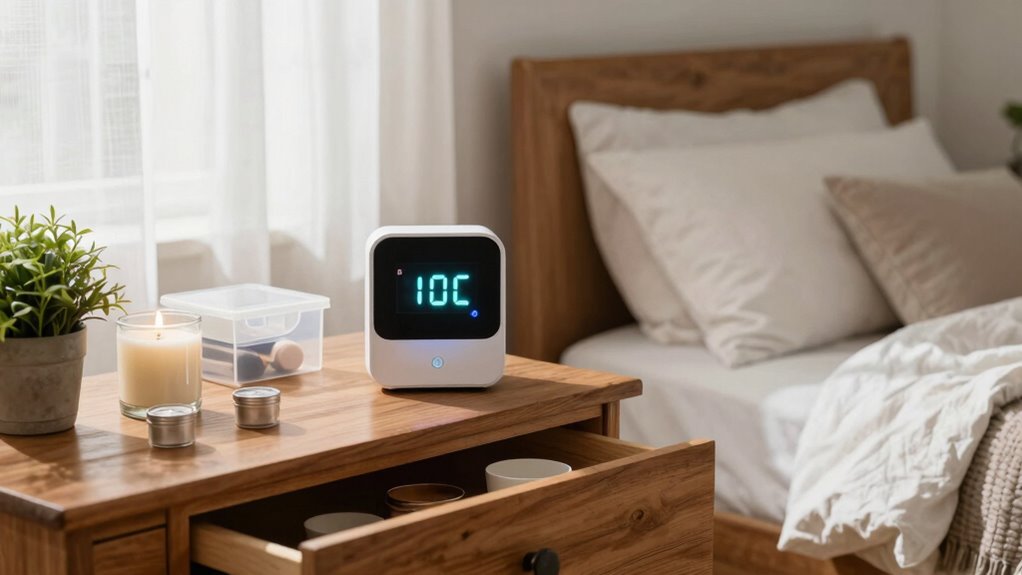
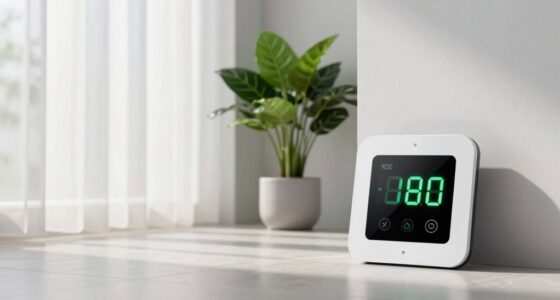
Detecting VOCs and monitoring indoor air quality is essential for maintaining a healthy bedroom environment. You can use various VOC detection methods, including portable detectors and indoor air sensors, to identify harmful emissions. These sensors provide real-time data, helping you track VOC levels easily. Using indoor air sensors, you get constant updates on VOC levels, allowing prompt action if concentrations rise. Regular monitoring helps you recognize sources early and maintain a safer, healthier bedroom environment. Incorporating smart home technology such as automated alerts and integration with other devices can further enhance your ability to manage indoor air quality effectively. Additionally, understanding air quality standards can guide you in setting safe VOC level thresholds and ensuring your environment remains healthy. Being aware of VOC exposure limits helps you interpret sensor data accurately and take appropriate measures.
What Are Practical Ways to Reduce VOC Levels in Your Bedroom?

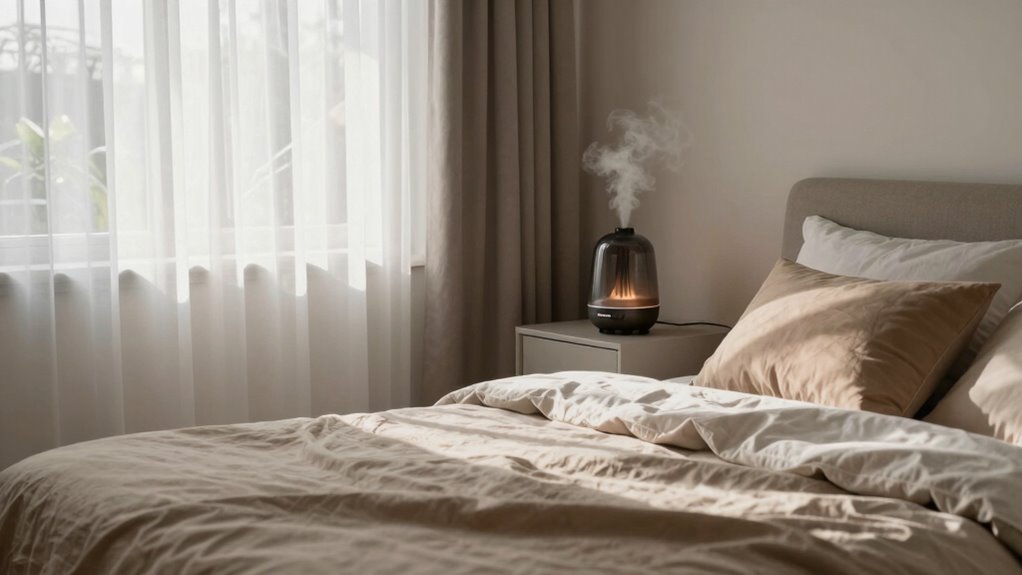
To effectively lower VOC levels in your bedroom, start by improving ventilation. Regularly open windows and use exhaust fans to bring in fresh air and dilute indoor pollutants. An air purifier with advanced air purifier technology can considerably reduce VOC concentrations. Look for models equipped with activated carbon filters, which are especially effective at capturing VOCs. Additionally, consider natural fragrance options like essential oils or dried herbs instead of synthetic air fresheners, which can emit VOCs. Keep your space clean to minimize dust and chemical buildup, and avoid using aerosol sprays or scented candles that may release harmful compounds. Proper airflow management enhances pollutant removal, and effective filtration are crucial components of a comprehensive VOC reduction strategy. Incorporating air quality monitoring devices can also help you track VOC levels over time and adjust your strategies accordingly. To further improve indoor air quality, consider using natural cleaning products that emit fewer volatile compounds.
How to Choose Low-VOC or VOC-Free Furniture and Decor

Choosing low-VOC or VOC-free furniture and decor starts with reading labels carefully. Look for products labeled as low-VOC or zero-VOC, especially for paint fumes and cleaning chemicals used on furniture. When shopping for new pieces, ask about the materials and finishes used, opting for natural wood, untreated fabrics, or solid surfaces. Avoid furniture treated with chemical finishes or paints that emit strong fumes. For decor, choose items made from natural materials like cotton, wool, or bamboo instead of synthetic fabrics that may contain VOCs. Keep in mind that some paints and cleaning chemicals can off-gas VOCs long after application, so selecting items free of these chemicals minimizes ongoing exposure. Being vigilant during selection helps create a healthier, less toxic bedroom environment. Additionally, indoor air quality can be significantly improved by choosing products that limit VOC emissions, promoting a safer and more comfortable space. To further reduce VOC exposure, consider air purification devices that can help filter out airborne chemicals and improve overall air quality.
What Are Effective Air Purifiers and Ventilation Strategies?
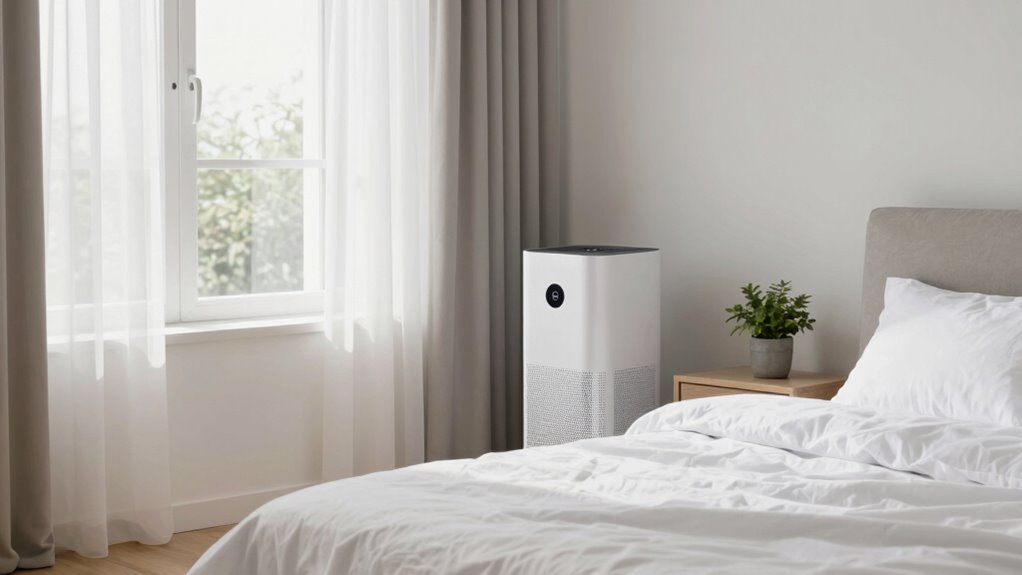
To reduce VOC levels, you need effective air purifiers that can filter out harmful chemicals. Optimizing your ventilation strategies guarantees fresh air replaces contaminated indoor air regularly. Don’t forget to perform regular maintenance on your equipment to keep it working efficiently and maintain a healthy bedroom environment.
Choosing Effective Air Purifiers
Selecting the right air purifier is essential for effectively reducing VOCs in your bedroom. Look for models with features like HEPA and activated carbon filters, which target particles and odors. To choose wisely:
- Ensure the purifier has multi-stage filtration—combining HEPA and carbon filters for maximum VOC removal.
- Check air purifier features like adjustable fan speeds and real-time air quality monitors, giving you control and peace of mind.
- Confirm the filter types are replaceable and designed for VOC absorption, guaranteeing ongoing efficiency and freshness.
Optimizing Ventilation Strategies
Effective ventilation plays a essential role in reducing VOC levels in your bedroom, especially when combined with air purification. Proper ventilation design ensures fresh air enters while stale, VOC-laden air exits, improving overall air quality. To optimize your strategy, consider using exhaust fans or opening windows during the day to promote air exchange. Cross-ventilation is particularly effective if you can create airflow between opposite windows or vents. Avoid relying solely on air purifiers; they work best alongside good ventilation. Use fans strategically to circulate air without stirring up pollutants. Regularly assess your ventilation setup to identify stagnant areas. By integrating these strategies, you’ll create a healthier environment and markedly decrease VOC concentrations in your bedroom.
Regular Maintenance Tips
Maintaining your air purification and ventilation systems is key to keeping VOC levels low in your bedroom. Regular upkeep ensures ideal air quality, directly impacting your sleep hygiene and overall health. To maximize effectiveness, consider these steps:
- Change filters in your air purifier every 3 to 6 months to eliminate trapped VOCs and pollutants.
- Clean air vents and ducts monthly to prevent dust and mold buildup, which can worsen indoor air quality.
- Use exhaust fans or open windows daily to promote fresh airflow, reducing VOC concentrations and fostering a healthier sleep environment.
Long-Term Tips for Maintaining a Healthy Bedroom Environment

To keep your bedroom environment healthy over the long term, it’s essential to develop consistent habits that reduce VOC buildup. Prioritize good sleep hygiene by maintaining a regular sleep schedule and ensuring proper ventilation, which helps dissipate any lingering VOCs. Keep your bedroom aesthetics simple and clutter-free, as clutter can trap dust and VOC particles, making it harder to maintain air quality. Use washable curtains and bedding to minimize dust accumulation, and avoid overcrowding your space with unnecessary items. Regularly open windows to refresh the air, especially after cleaning or new purchases. Incorporate houseplants known for their air-purifying qualities, but choose low-VOC options. These habits will support a healthier, more comfortable bedroom environment over time.
Where Can You Find Low-VOC Products for Your Bedroom?
Finding low-VOC products for your bedroom starts with knowing where to look. Your goal is to improve air quality and reduce VOC exposure. First, explore stores that focus on eco-friendly or natural products—these often carry low-VOC paints, finishes, and bedding. Second, check online for brands committed to non-toxic materials, especially for furniture and decor. Third, invest in air purifiers designed to filter out VOCs, helping you breathe easier. These options not only lower VOC levels but also boost your confidence in creating a safe environment. By choosing carefully, you can transform your bedroom into a healthier haven where air quality supports your well-being every night.
Frequently Asked Questions
Are There Natural or Organic Products That Are Completely Voc-Free?
Yes, there are natural alternatives and products with organic certifications that are completely VOC-free. You can choose organic, unprocessed materials like organic cotton, wool, or hemp for bedding and furniture. Look for products labeled with trusted organic certifications, ensuring they meet strict standards. While no product can be 100% VOC-free in every case, selecting certified organic items markedly reduces your exposure to harmful VOCs, creating a safer, healthier bedroom environment for you.
How Long Does It Take for VOC Levels to Decrease After Ventilation?
Imagine your room as a battlefield, fighting VOCs for peace. Typically, after effective ventilation, VOC levels start to decline within a few hours, but the decay rate varies depending on ventilation effectiveness and initial VOC concentration. In most cases, expect a noticeable reduction in VOCs within 24-48 hours, especially if you maximize airflow and use air purifiers. Patience is key as your space clears, restoring safety and serenity.
Can Pets Contribute to VOC Levels in the Bedroom?
Yes, pets can contribute to VOC levels in your bedroom. Pet dander and pet cleaning products often release VOCs into the air, especially if you use sprays, deodorizers, or cleaning agents around your pets. Regular pet cleaning can help reduce dander and VOC emissions, but it’s also essential to ventilate the room often to keep VOC levels low and maintain better air quality for both you and your pets.
Are There Specific Brands Known for Low or Zero VOC Emissions?
Yes, some brands are known for low or zero VOC emissions. Look for brands with certifications like GreenGuard Gold or GREENGUARD, which undergo rigorous emission testing. These certifications guarantee the products meet strict standards for low chemical emissions, helping you reduce VOCs in your bedroom. Always check product labels and certification details to make sure you’re choosing safer options for your indoor air quality.
What Are the Health Symptoms Indicating High VOC Exposure in the Bedroom?
If you notice headaches, dizziness, or respiratory irritation, these could be health symptoms signaling high VOC exposure in your bedroom. Like discovering a hidden alarm, your body alerts you to potentially harmful indoor air quality. You might also experience eye irritation, fatigue, or nausea. These signs suggest you should improve ventilation and reduce VOC sources to protect your health and breathe easier at night.
Conclusion
By being mindful of VOC sources and choosing low-VOC products, you can substantially improve your bedroom’s air quality. Did you know that indoor air can be up to five times more polluted than outdoor air? Taking simple steps like proper ventilation and selecting eco-friendly furniture not only safeguards your health but also ensures better sleep. Prioritize your well-being—you deserve a healthier, fresher space to rest and recharge.