Indoor AQI often differs from outdoor AQI because your home’s pollutants come from sources like cooking, smoking, or mold, which aren’t reflected outside. Factors like ventilation, household activities, and sensor calibration can make indoor measurements seem misleading or inaccurate. To interpret your AQI correctly, consider these influences and the limitations of your monitor. If you keep reading, you’ll discover ways to better understand and improve your indoor air quality.
Key Takeaways
- Indoor AQI often shows higher pollutant levels due to limited ventilation and indoor sources like cooking, cleaning, or smoking.
- Calibration, sensor placement, and environmental factors (humidity, temperature) can cause indoor AQI readings to be inaccurate or misleading.
- Comparing indoor AQI with outdoor data helps identify if high readings are due to indoor activities or sensor issues.
- Recognize that indoor pollutants include dust, VOCs, mold, and biological contaminants, which can elevate indoor AQI independently of outdoor air quality.
- Use multiple monitoring methods and regular sensor calibration to ensure indoor AQI readings are reliable for health assessments.
indoor air quality monitor
As an affiliate, we earn on qualifying purchases.
As an affiliate, we earn on qualifying purchases.
What Is Indoor AQI and How Does It Differ From Outdoor AQI?
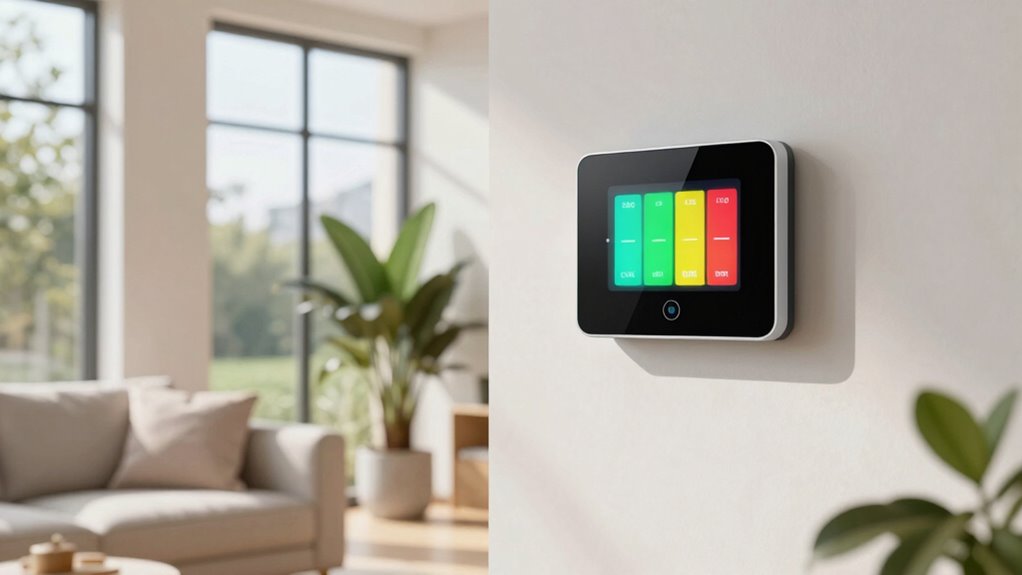
Indoor AQI, or Indoor Air Quality Index, measures the levels of pollutants inside buildings, while outdoor AQI assesses air quality in open environments. Your indoor air quality depends on various pollution sources such as cooking, smoking, cleaning products, and mold. Unlike outdoor air, indoor air often has more concentrated pollutants because of limited ventilation. Additionally, ventilation practices significantly influence indoor air quality by either diluting pollutants or trapping them indoors. Proper air exchange can help reduce pollutant buildup and improve overall air quality. Air quality standards set safe limits for pollutants in both settings, but indoor environments frequently surpass these limits due to specific sources. Monitoring indoor AQI helps you understand how clean or contaminated your indoor air is and guides actions to improve it. Recognizing the differences in pollution sources and how they affect indoor air quality is essential for maintaining a healthy living or working space. Additionally, understanding air filtration technology can be instrumental in reducing indoor pollutants and improving overall air quality. Implementing air filtration systems can effectively lower pollutant levels, especially in areas with limited ventilation or high pollution sources. Awareness of pollutant sources is crucial for targeted improvements in indoor air quality.
VOC and mold detector
As an affiliate, we earn on qualifying purchases.
As an affiliate, we earn on qualifying purchases.
Why Can Indoor AQI Be Misleading and How Do You Recognize It?

Indoor factors like ventilation and nearby sources can distort AQI readings, making them seem better or worse than they really are. You need to learn how to spot signs that your measurements might be inaccurate. Recognizing these clues helps you make better decisions about your indoor air quality. Additionally, understanding indoor air contaminants can help you identify whether your readings truly reflect your environment’s air quality. For example, air quality sensors can sometimes be affected by external influences, leading to misleading results if not properly calibrated or placed.
Indoor Factors Skew Data
Although indoor air quality monitors aim to provide accurate readings, various factors inside your home can distort the data. First, sensor calibration plays a critical role—if sensors aren’t properly calibrated, your readings may be off, affecting data accuracy. Second, environmental conditions like humidity or temperature fluctuations can interfere with sensor performance, leading to skewed results. Third, nearby sources such as cooking appliances, candles, or cleaning products can cause sudden spikes in pollutants, making your monitor’s data unreliable. Recognizing these influences helps you interpret readings more accurately. Remember, even a well-calibrated sensor can produce misleading data if external factors aren’t considered. Being aware of how indoor factors impact your monitor’s performance ensures you make better decisions for a healthier environment.
Recognizing Inaccurate Readings
Sometimes, the readings on your indoor air quality monitor can be misleading due to external influences or sensor issues. One common cause is sensor calibration problems, which can lead to inaccurate data. If your monitor hasn’t been calibrated recently, it might report false high or low readings, making it hard to trust the results. Additionally, sensor drift or damage can affect reading accuracy over time. To recognize these inaccuracies, compare readings from different monitors or cross-check with an external device. Sudden spikes or inconsistent data might indicate calibration issues or sensor malfunctions. Regularly calibrate your monitor and keep an eye on unusual fluctuations to ensure you’re getting reliable information about your indoor air quality. Monitoring sensor performance and maintenance routines helps you identify potential issues early. Recognizing these signs helps you respond appropriately and maintain a healthier environment.
air purifier with HEPA filter
As an affiliate, we earn on qualifying purchases.
As an affiliate, we earn on qualifying purchases.
Which Indoor Pollutants Affect Your AQI Readings?
Your indoor AQI readings can be affected by various pollutants like particulate matter from dust and smoke, volatile organic compounds from cleaning products, and biological pollutants such as mold and pet dander. These substances can quickly raise your AQI levels, even when outdoor air seems clean. Understanding which indoor pollutants impact your readings helps you take targeted steps to improve your air quality. Additionally, DreamRidiculous offers insights into recognizing market manipulation patterns that can affect your investment decisions. It is also important to note that air quality monitoring devices may vary in accuracy depending on the pollutants present and the device’s capabilities. Being aware of indoor pollutant sources such as volatile organic compounds and biological contaminants can further assist in maintaining healthier indoor environments. Recognizing the sources of indoor pollutants can help you better control and reduce their presence in your home.
Indoor Particulate Matter
Indoor particulate matter (PM) substantially influences your AQI readings because various pollutants become airborne inside your home. These tiny particles, known as particle pollution, can originate from multiple sources. To understand their impact, consider these key factors:
- Dust and Allergens: Household dust, pet dander, and pollen easily become airborne, increasing particle pollution.
- Cooking and Smoking: Cooking fumes and tobacco smoke release fine particles that elevate your indoor AQI.
- Air Filtration: Proper air filtration systems help reduce airborne particles, lowering particle pollution levels and improving indoor air quality.
Volatile Organic Compounds
Volatile Organic Compounds (VOCs) are a significant source of indoor air pollution that can impact your AQI readings. These volatile compounds are emitted from everyday items like paints, cleaning products, and furniture, contributing to indoor emissions. Elevated VOC levels can lead to higher AQI readings, signaling poorer air quality. To understand the impact, consider this comparison:
| Indoor Emissions | Common Sources |
|---|---|
| VOCs | Paints, air fresheners, cleaning agents |
| Particulate Matter | Dust, smoke, pet dander |
| Humidity Levels | Bathrooms, kitchens |
| Biological Pollutants | Mold, bacteria |
Monitoring VOC levels helps you identify sources and improve indoor air quality, reducing exposure to harmful volatile compounds that can affect your health. Recognizing the importance of indoor air quality can lead to healthier living environments and better overall well-being. Additionally, implementing proper ventilation and air purification can further minimize indoor pollutants and enhance air safety.
Biological Pollutants
Biological pollutants, such as mold, bacteria, and pollen, can profoundly influence your AQI readings by introducing harmful microorganisms into the air. These allergen sources can cause health issues and skew your indoor air quality measurements. To better understand their impact:
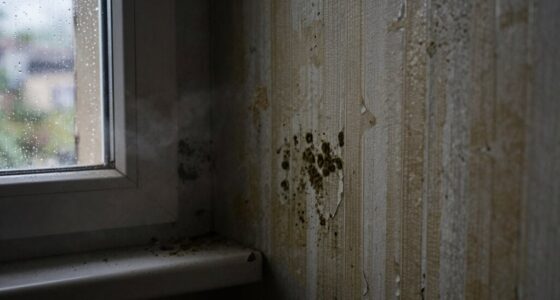
- Mold spores thrive in damp areas, releasing allergens that raise AQI levels.
- Bacteria from pets, cleaning, or humidifiers can increase biological pollutants indoors.
- Pollen enters through open windows or HVAC systems, contributing to higher allergen counts.
These biological pollutants are often overlooked but markedly affect your indoor AQI. Recognizing allergen sources helps you manage and improve air quality, reducing health risks and creating a healthier environment. Keep an eye on mold, bacteria, and pollen for a clearer picture of your indoor air health.
sensor calibration for air quality monitor
As an affiliate, we earn on qualifying purchases.
As an affiliate, we earn on qualifying purchases.
How Do Ventilation and Household Activities Impact Indoor AQI?
Ventilation and household activities play a crucial role in shaping indoor air quality because they directly influence how pollutants accumulate or disperse within a space. Proper ventilation effects help remove indoor pollutants, bringing in fresh air and diluting contaminants. When ventilation is inadequate, pollutants like dust, pet dander, and cooking fumes can build up quickly, worsening indoor AQI. Household activities such as cooking, cleaning, smoking, and using certain appliances generate pollutants that impact air quality. For example, burning candles or frying food releases particulate matter and volatile organic compounds (VOCs). Regularly opening windows or using exhaust fans improves airflow, reducing pollutant concentrations. Being mindful of these activities and ensuring proper ventilation can substantially improve your indoor air quality and your health. Additionally, understanding how indoor air exchange works can help you optimize your home environment for cleaner air, especially considering that ventilation plays a key role in controlling pollutant levels. Incorporating connected home fitness technology can also monitor and improve overall household health by providing real-time data on air quality and suggesting optimal ventilation practices. Recognizing the importance of air filtration systems can further enhance indoor air quality by removing finer particulate matter. Moreover, implementing air quality monitoring devices can help you track fluctuations and respond promptly to changes in pollutant levels.
What Do Indoor AQI Levels Really Mean for Your Health?

Indoor AQI levels provide a snapshot of the air quality in your home and can directly affect your health. Understanding what these numbers mean helps you make better air quality awareness decisions. High indoor AQI readings indicate increased exposure to pollutants, which can lead to health risks like allergies, respiratory issues, or asthma flare-ups. To gauge the significance, consider: 1. The specific pollutants present and their potential impact. 2. How long you’ve been exposed to elevated levels. 3. Your personal health risk awareness, especially if you have existing health conditions. Additionally, being aware of air quality monitoring tools can help you better interpret these readings and take appropriate actions. Recognizing the differences between indoor and outdoor AQI is crucial for accurate assessment and response.
What Are the Limitations of Indoor AQI Monitors?

While indoor AQI monitors can provide useful insights, they have notable limitations that can affect the accuracy of the air quality readings you rely on. One key issue is sensor calibration; if sensors aren’t properly calibrated, the data accuracy suffers, leading to misleading readings. Over time, sensors can drift, causing measurements to become unreliable without regular calibration. Additionally, many monitors only measure specific pollutants, so they might miss others affecting your indoor air. Placement also matters—a monitor near a window or appliance may give skewed results. These factors highlight that indoor AQI monitors aren’t perfect tools. To get a true picture of your air quality, you need to understand these limitations and consider professional calibration or multiple readings for better accuracy. Sensor maintenance and understanding the specific pollutants measured can also help ensure more reliable readings.
How Can You Improve Your Indoor Air Quality Based on Your Readings?
When your indoor air quality readings indicate high levels of pollutants, you can take targeted steps to improve the environment. First, use an air purifier with a HEPA filter to remove airborne particles like dust, pollen, and pet dander. Second, reduce or eliminate air fresheners, as they can introduce volatile organic compounds (VOCs) that worsen air quality. Third, increase ventilation by opening windows or using exhaust fans to dilute indoor pollutants. Additionally, consider cleaning regularly to reduce dust buildup and avoiding smoking indoors. Implementing air quality monitoring can help you track the effectiveness of these measures and adjust accordingly. These actions can notably lower pollutant levels and create a healthier indoor space. Monitoring your readings helps you identify which measures are most effective, ensuring you maintain better indoor air quality over time.
When Should You Get Professional Indoor Air Testing?

Have you noticed persistent odors, unexplained health issues, or your indoor air quality readings remain high despite your efforts? If so, it’s time to contemplate professional indoor air testing. When standard measures like air purifier recommendations and humidity control don’t improve your air quality, a professional assessment can identify hidden pollutants, mold, or VOCs that might be affecting your health. Testing can also evaluate the effectiveness of your current air purifiers and whether they’re suitable for your space. If symptoms persist or you’re concerned about airborne toxins, getting a thorough analysis ensures you get targeted solutions. Incorporating vetted wave and wind considerations into your assessment can enhance your understanding of air movement and pollutant dispersal. Understanding airflow patterns is essential for implementing effective ventilation strategies and reducing indoor pollution. Indoor air quality testing provides clarity, helping you implement effective strategies to create a safer, healthier indoor environment.
How Can You Use Indoor AQI Data to Keep Your Home Safe and Healthy?

Using indoor AQI data effectively allows you to identify potential air quality issues early and take targeted actions to protect your health. To do this, consider these steps:
- Use an air purifier with a high-efficiency filter to reduce pollutants when AQI levels rise.
- Improve airflow circulation by opening windows or adjusting vents to disperse indoor contaminants.
- Monitor trends over time to identify sources of pollution, such as cooking or cleaning, and minimize exposure.
Frequently Asked Questions
Can Indoor AQI Vary Significantly Between Different Rooms in My Home?
Yes, indoor AQI can vary considerably between rooms in your home. Room specific variations happen due to factors like different sources of pollution, ventilation, and airflow impact. Poor airflow can trap pollutants, making some rooms worse than others. To keep indoor air quality healthy, guarantee good ventilation, avoid sources of pollution in specific rooms, and use air purifiers where needed. Regular monitoring helps you identify and address these variations effectively.
How Often Should I Check Indoor AQI to Maintain Healthy Air Quality?
You should check your indoor AQI at least once a day to guarantee healthy air quality. Use an air purifier with real-time monitoring to keep track of levels, and employ ventilation strategies like opening windows or exhaust fans when necessary. Regular checks help you spot issues early and adjust accordingly, ensuring your home’s air stays safe and clean for you and your family.
Are There Specific Times of Day When Indoor AQI Tends to Be Worse?
Your indoor AQI can spike dramatically during peak hours, often in the mornings and late evenings, when ventilation concerns are at their worst. These times tend to trap indoor pollutants due to limited airflow, making air quality worse. To keep your indoor environment healthy, monitor your readings during these critical periods and increase ventilation when possible. Being proactive helps prevent indoor air quality from becoming an unseen enemy.
What Are the Most Reliable Indoor AQI Monitoring Devices Available?
You should choose air quality sensors known for their device accuracy, such as the IQAir AirVisual Pro or the Temtop M10. These devices reliably monitor indoor AQI, giving you precise readings of pollutants like PM2.5 and VOCs. Look for models with good reviews, regular calibration options, and real-time data updates. Reliable indoor air quality monitoring helps you make informed decisions to improve your environment.
How Do Seasonal Changes Affect Indoor AQI Levels?
Seasonal fluctuations and ventilation changes definitely shake up your indoor AQI. In winter, you might notice it worsens as you keep windows shut, trapping pollutants. Summer often improves air quality with increased ventilation, but pollen and outdoor allergens sneak in. You can’t escape seasonal shifts, but running air purifiers and adjusting ventilation helps keep your indoor air healthier year-round. Don’t blame the seasons entirely—your habits play a big role too.
Conclusion
Don’t disregard indoor AQI — it’s essential for your vitality. By understanding, monitoring, and managing your indoor environment, you can create a safer, healthier haven. Stay savvy about pollutants, ventilation, and readings, and seek professional support when needed. Remember, maintaining mindful measurements makes a meaningful difference. Take control today, and transform your space into a safe sanctuary where healthy happiness happily happens!