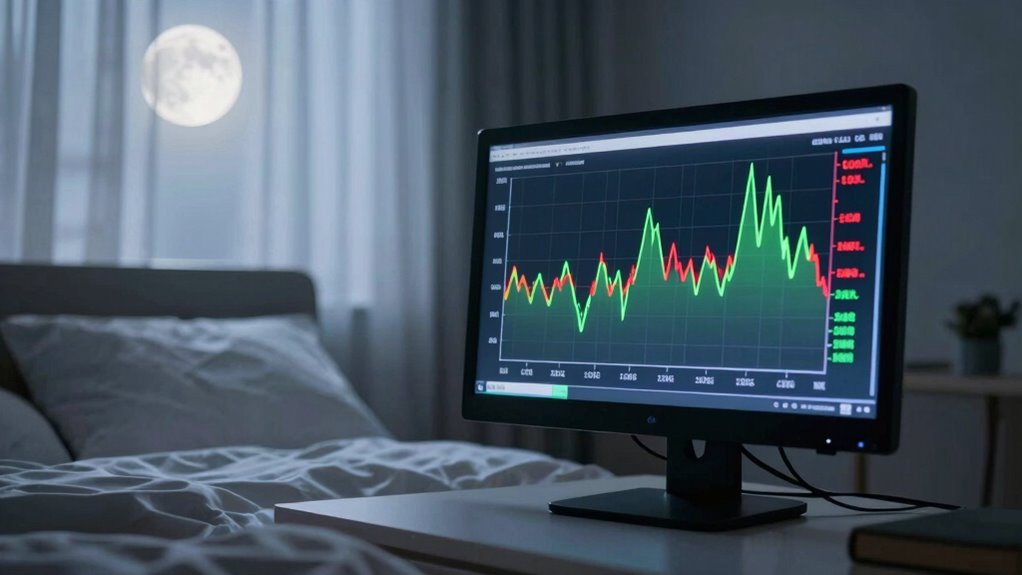
Elevated indoor CO2 levels can disrupt your sleep by signaling poor air circulation and pollutant buildup, which irritates your respiratory system. Typically, CO2 levels below 1000 ppm are safe, but when they climb over 1000 ppm, your sleep quality drops, and health risks increase. For ideal rest, aim for under 800 ppm. If you want to learn how to track and improve your indoor air quality, keep exploring the details below.
Key Takeaways
- CO2 levels below 1000 ppm are generally safe; higher levels may cause discomfort and sleep disturbances.
- Aim for CO2 concentrations under 800 ppm for optimal sleep quality and comfort.
- Elevated CO2 indicates poor ventilation, leading to stuffiness and reduced oxygen, impacting sleep.
- Consistently high CO2 readings signal the need for improved airflow and ventilation strategies.
- Monitoring CO2 helps identify indoor air quality issues that can be mitigated to enhance sleep quality.
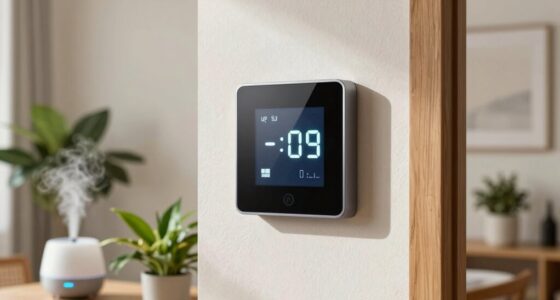
air quality monitor for CO2 levels
As an affiliate, we earn on qualifying purchases.
As an affiliate, we earn on qualifying purchases.
Why Indoor Air Quality Matters for Your Sleep
Good indoor air quality is essential for restful sleep because pollutants and poor ventilation can disrupt your breathing and keep you awake. When air circulation is inadequate, pollutants from sources like household cleaning products, pet dander, and cooking fumes accumulate, worsening air quality. These pollutants can irritate your respiratory system, leading to discomfort and restless nights. Proper air circulation helps dilute and remove these pollutant sources, ensuring cleaner, fresher air in your sleep environment. Without good ventilation, harmful substances linger, making it harder to breathe easily and relax fully. Maintaining good indoor air quality involves reducing pollutant sources and enhancing air circulation, which supports healthier, more restful sleep. Investing in air purifiers can significantly improve your indoor air quality by removing airborne contaminants. Additionally, ventilation systems are crucial for continuously exchanging indoor air with fresh outdoor air, further reducing pollutant buildup. Regularly checking and maintaining filtration systems can also prevent the buildup of pollutants and improve overall air quality. Incorporating air quality monitoring devices can help you keep track of pollutant levels and ensure a healthy sleeping environment. Using proper ventilation techniques can further optimize air exchange and keep indoor pollutants at bay. Prioritizing fresh, well-ventilated air can considerably improve your sleep quality over time.
best indoor air purifier for bedroom
As an affiliate, we earn on qualifying purchases.
As an affiliate, we earn on qualifying purchases.
What Do CO2 Levels Say About Your Sleep Environment?
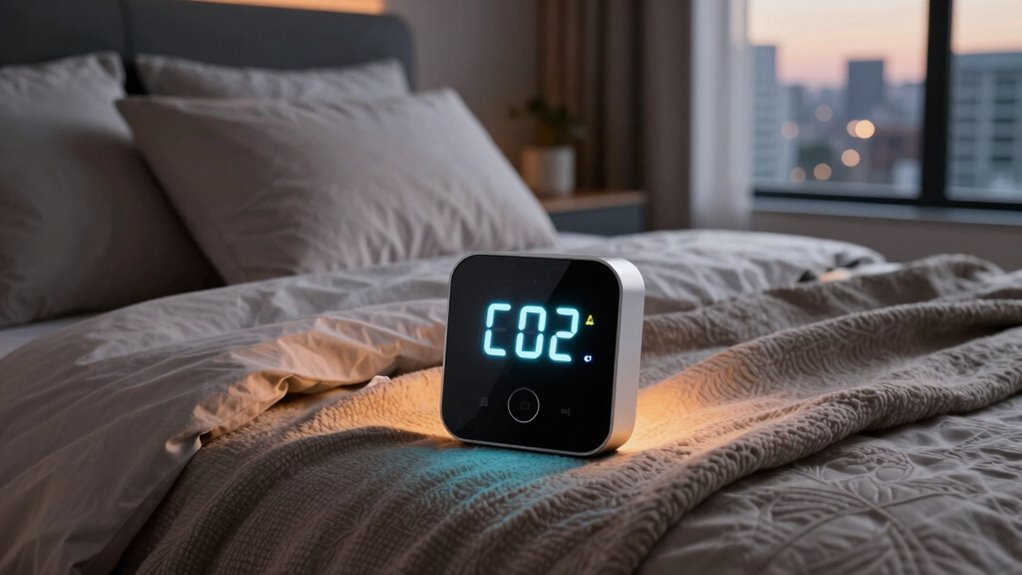
High levels of carbon dioxide (CO2) in your sleep environment can reveal much about the air quality and ventilation in your bedroom. Elevated CO2 indicates poor air circulation, meaning fresh air isn’t replacing stale air efficiently. This often points to inadequate ventilation improvements, which can compromise your sleep quality. When CO2 levels climb, it suggests that your room isn’t properly ventilated, leading to stuffiness and reduced oxygen levels. Improving air circulation helps lower CO2 concentrations, ensuring a healthier sleep environment. Good ventilation encourages fresh air flow, keeping CO2 levels in check and creating a more comfortable space. Monitoring these levels can help you identify when your sleep environment needs better ventilation, ultimately supporting better rest and overall well-being. Additionally, understanding air exchange rates can provide further insights into how effectively your room is ventilated, and ventilation standards can guide proper setup. Regularly measuring CO2 levels can also serve as an indicator of ventilation efficiency, and being aware of CO2 measurement accuracy can help you make informed decisions about air quality improvements. Knowing how to interpret these CO2 measurements can guide you in optimizing your bedroom environment for restful sleep.
ventilation fan for bedroom
As an affiliate, we earn on qualifying purchases.
As an affiliate, we earn on qualifying purchases.
How to Measure CO2 Levels at Home?
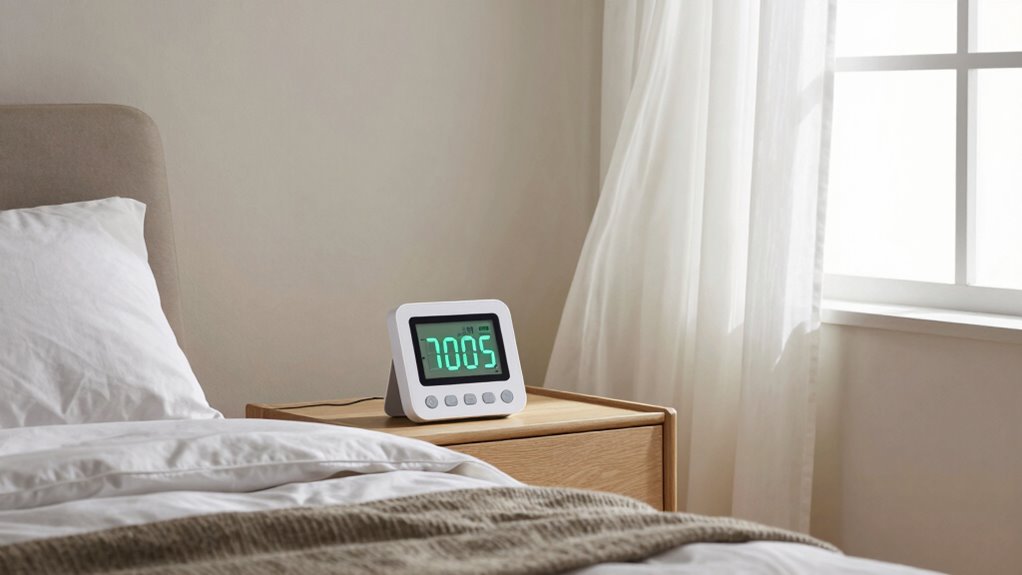
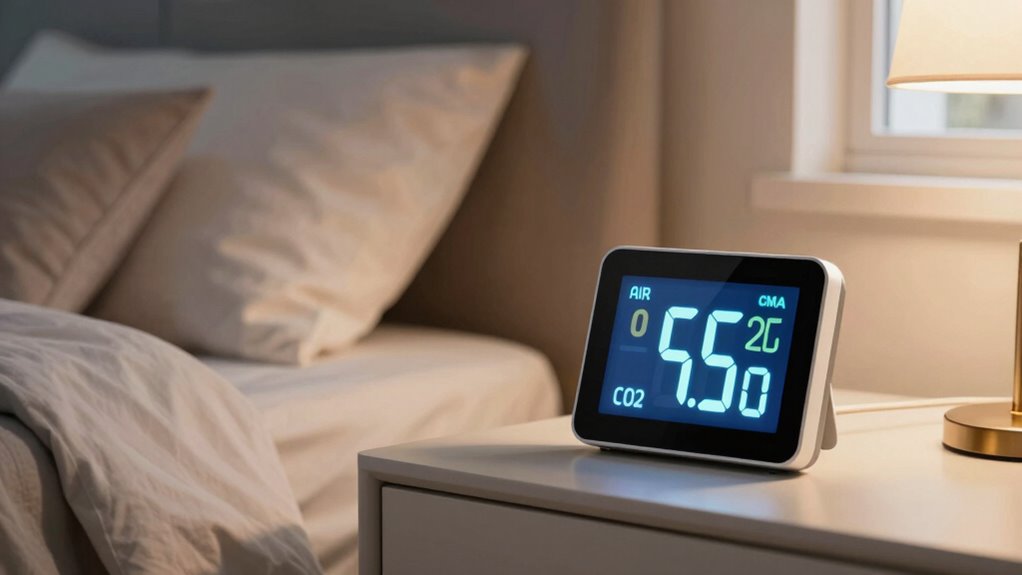
Measuring CO2 levels at home is straightforward with the right tools. The easiest way is using air quality monitors, which provide real-time readings and are user-friendly. For DIY testing, you can purchase affordable CO2 sensors or monitors online. Simply place the device in your bedroom, ideally near your sleeping area, and turn it on. Keep it running overnight to get an accurate reading of your sleep environment. Some monitors display data directly, while others connect to your smartphone for detailed analysis. Regular testing helps you identify if ventilation needs improvement. Proper indoor air quality is essential for maintaining healthy indoor air quality and ensuring restful sleep. Here’s a quick comparison:
| Air Quality Monitors | DIY Testing |
|---|---|
| Real-time data | Cost-effective |
| Easy to use | Requires some setup |
| Often digital | May need calibration |
| Suitable for daily use | Suitable for occasional testing |
Additionally, integrating smart home automation can help monitor and improve indoor air quality automatically.
CO2 sensor for indoor air quality
As an affiliate, we earn on qualifying purchases.
As an affiliate, we earn on qualifying purchases.
What Are Safe and Unsafe CO2 Thresholds for Sleep?
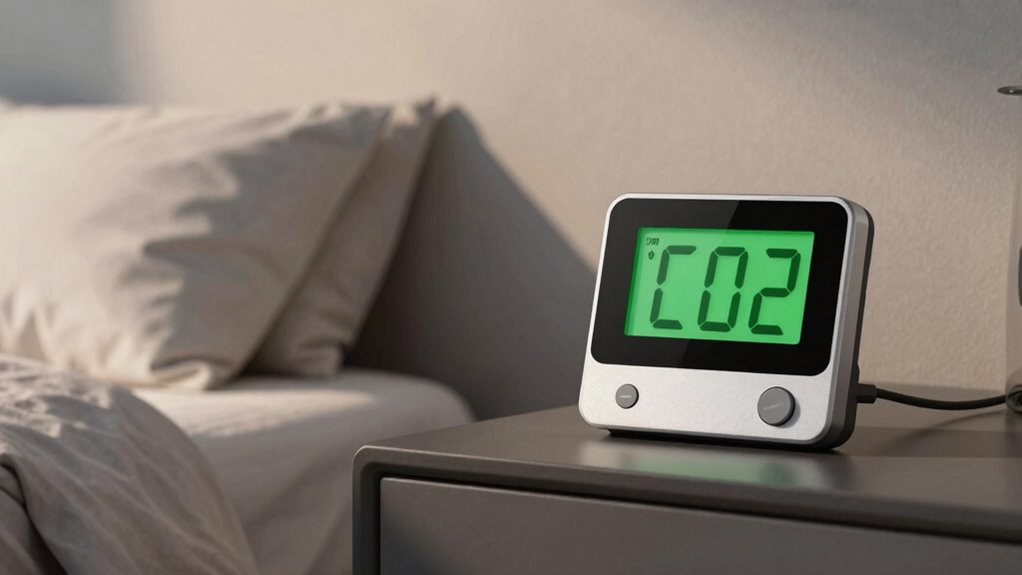
Understanding safe and unsafe CO2 levels during sleep is crucial for maintaining good indoor air quality. Ventilation standards and air quality standards provide guidance on acceptable CO2 concentrations. Generally, indoor CO2 levels below 1000 parts per million (ppm) are considered safe for sleep, indicating proper ventilation. Levels above this threshold may lead to discomfort, reduced sleep quality, and potential health risks. Some experts recommend aiming for CO2 concentrations under 800 ppm to ensure ideal sleep conditions. If your readings consistently exceed these levels, it’s a sign that your ventilation isn’t sufficient. Maintaining proper airflow aligns with air quality standards and helps prevent the buildup of CO2, promoting healthier, more restful sleep. Regularly monitoring your CO2 levels can help you stay within safe thresholds. Practical instruction on measuring and adjusting ventilation can further improve sleep quality. Additionally, ensuring that your space has adequate body piercings care and hygiene can reduce discomfort and improve overall well-being during sleep.
How to Use Your CO2 Readings to Sleep Better
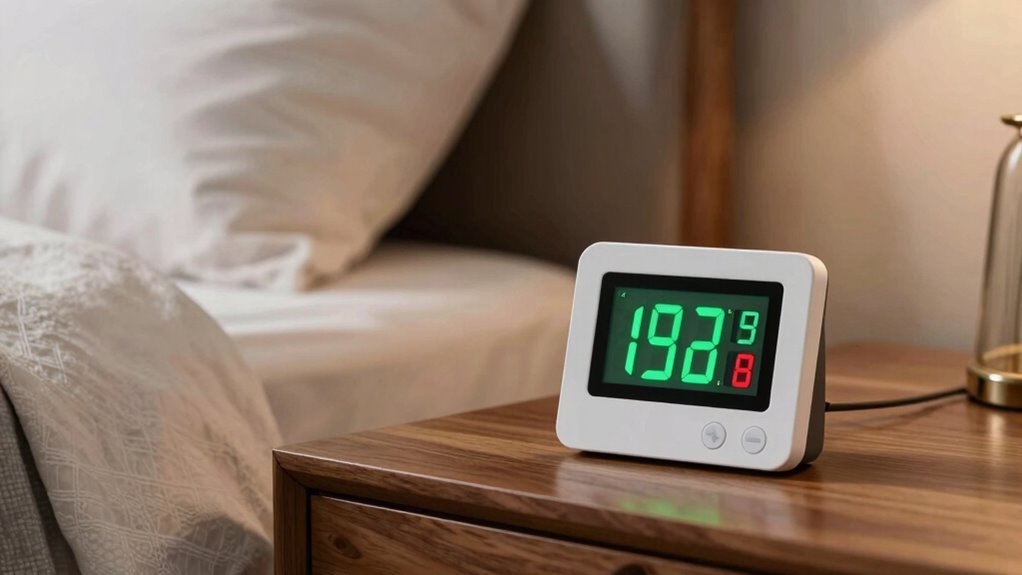
By regularly checking your CO2 levels, you can identify when your indoor air quality is affecting your sleep and take steps to improve it. Implementing effective ventilation strategies helps lower CO2 concentrations, creating a healthier sleep environment. Open windows regularly or use exhaust fans to promote air circulation, especially in bedrooms with limited airflow. Consider air quality improvement devices like air purifiers or CO2 monitors that alert you when levels rise too high. Adjusting your ventilation based on your readings allows you to maintain ideal indoor air quality, reducing sleep disturbances caused by poor air quality. Proper ventilation techniques are essential for maintaining indoor air quality and a comfortable sleeping environment. Consistent monitoring and proactive ventilation ensure you create a sleep-friendly environment, ultimately helping you rest better and wake up refreshed. Maintaining good air circulation can also prevent the buildup of indoor pollutants that interfere with sleep quality. Additionally, understanding the significance of vetted wave and wind patterns can help optimize natural airflow to improve indoor conditions.
Frequently Asked Questions
How Quickly Do CO2 Levels Change During Sleep Cycles?
During sleep cycle variations, CO2 levels can fluctuate within minutes, often changing as you shift between different sleep stages. You might notice a rise in CO2 during deep sleep and a decrease during REM or lighter sleep. These CO2 fluctuations happen quickly, reflecting your body’s natural breathing adjustments. Your body’s response to sleep cycle variations causes these rapid shifts, helping regulate your overall sleep quality and oxygen balance throughout the night.
Can Other Indoor Pollutants Affect Sleep Quality as Much as CO2?
Other indoor pollutants can impact your sleep just as much as CO2. High indoor humidity promotes mold growth, which can disrupt sleep, while poor air filtration allows allergens and volatile organic compounds (VOCs) to linger, causing discomfort and breathing issues. To improve sleep quality, guarantee proper ventilation, maintain ideal humidity levels, and use effective air filtration systems. These steps help create a healthier sleep environment by reducing pollutant buildup.
What Are the Long-Term Health Effects of Consistent High CO2 Exposure?
Even if you think high CO2 isn’t a big deal, it can harm your respiratory health and speed up cognitive decline over time. Long-term exposure may cause breathing issues, fatigue, and difficulty concentrating, impacting your daily life. Don’t underestimate the risks—maintaining good ventilation protects your health now and preserves cognitive function in the future. Taking steps to reduce indoor CO2 levels benefits your overall wellbeing.
Do Different Sleep Positions Influence CO2 Accumulation?
Your sleep posture and breathing patterns directly influence CO2 accumulation while you sleep. If you sleep in a position that restricts airflow, like on your stomach or with your face pressed into a pillow, CO2 can build up more easily. Conversely, sleeping on your back with proper head support encourages better airflow. Adjusting your sleep position can help reduce CO2 buildup, improving overall sleep quality and breathing efficiency.
Are There Specific Bedroom Designs That Reduce CO2 Buildup Effectively?
You should design your bedroom with airflow optimization in mind, as it can substantially reduce CO2 buildup. Position windows strategically to maximize cross-ventilation—studies show that well-placed windows can decrease indoor CO2 levels by up to 30%. Incorporate ventilation fans or air purifiers, and ensure good airflow circulation. These design choices help keep CO2 levels low, improving your sleep quality and overall health.
Conclusion
Understanding your CO2 levels is like tuning a delicate instrument—when you read the signals correctly, you can orchestrate a restful symphony each night. By keeping an eye on those numbers, you guarantee your sleep environment breathes harmony and importance into your dreams. Remember, your bedroom isn’t just a space—it’s a sanctuary where crisp air and awareness create the perfect lullaby. Take control, and let your nights be as invigorating as a breath of spring.