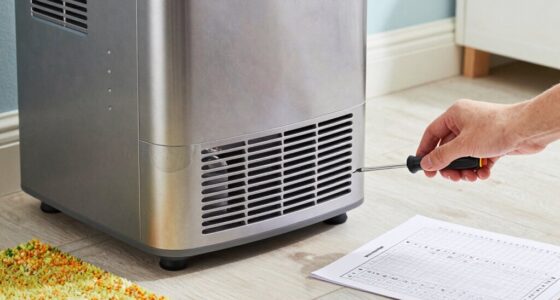
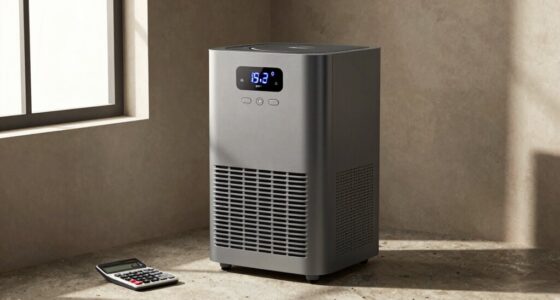
To prevent mold behind furniture, ensure proper airflow by avoiding blocking vents or air passages and leaving space for air circulation. Use fans, open windows, and reposition furniture so air can flow freely around and behind it. Controlling humidity with dehumidifiers and keeping humidity levels between 30-50% also helps. If you keep these tips in mind, you’ll considerably reduce the chance of hidden mold developing—get ready to discover more effective strategies.
Key Takeaways
- Improve airflow around furniture by using fans, open windows, and avoiding blockages to reduce humidity and moisture buildup.
- Reposition furniture to prevent obstructing vents and promote better air circulation behind and beneath pieces.
- Use dehumidifiers and maintain indoor humidity between 30-50% to inhibit mold growth in hidden areas.
- Regularly inspect behind and underneath furniture for discoloration, odors, or signs of moisture that indicate mold.
- Employ mold-resistant paints, sprays, and ensure proper ventilation in high-humidity zones to prevent mold behind furniture.
Why Mold Behind Furniture Is a Hidden Home Hazard
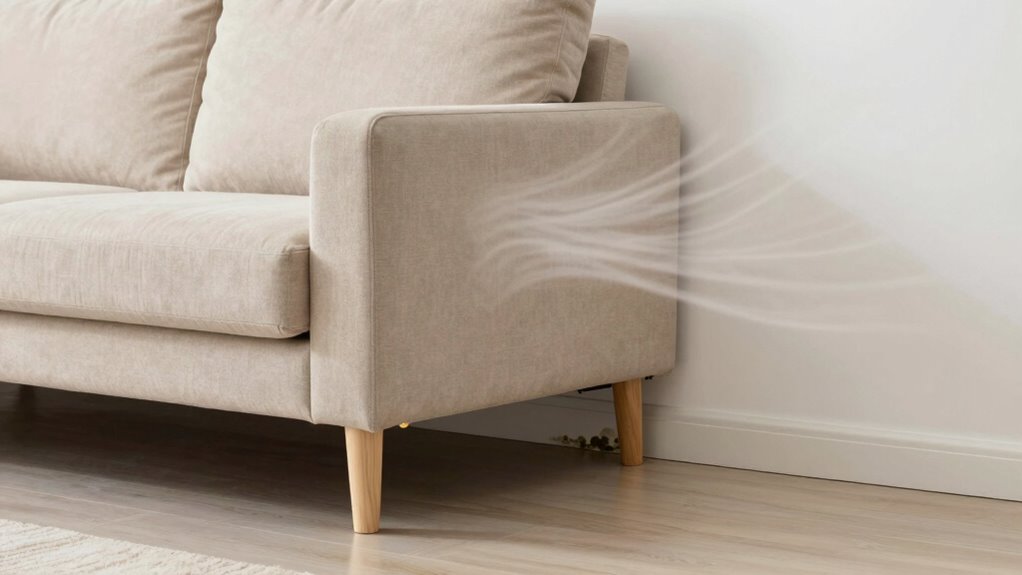
Mold behind furniture often goes unnoticed because it’s hidden from view, making it a silent threat in your home. This concealed environment creates the perfect conditions for mold growth, especially in areas with high humidity or poor ventilation. Because you can’t see mold developing, it’s easy to overlook the danger until you notice a musty smell or health issues. Hidden hazards like mold behind furniture can cause allergic reactions, respiratory problems, and other health concerns. Ignoring these risks allows mold to spread further, damaging your belongings and compromising indoor air quality. Recognizing that mold growth can occur out of sight helps you stay vigilant. Addressing these hidden hazards early is essential to maintaining a safe, healthy living space. Creating calm and organized homes can help you stay on top of potential issues like hidden mold. Additionally, proper airflow management is a surprisingly effective way to reduce moisture buildup and prevent mold growth behind furniture, especially when combined with the use of high-quality air purifiers that can help improve indoor air circulation. Implementing smart home solutions such as automated airflow controls can further enhance ventilation and protect your space from unseen mold growth. Ensuring proper ventilation strategies can also significantly decrease the likelihood of mold development in concealed areas.
How Improving Airflow Prevents Mold Behind Furniture
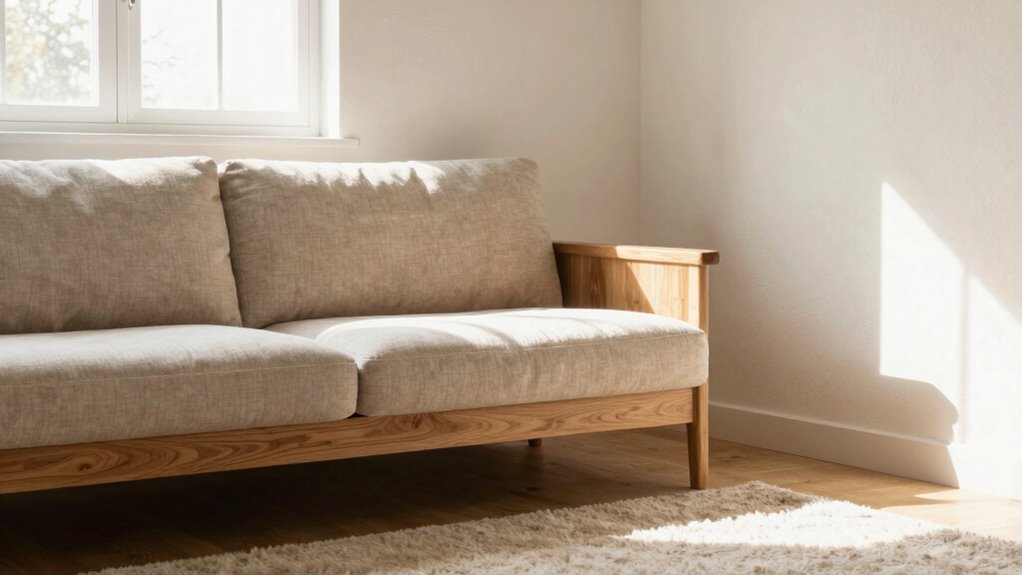
Improving airflow in your home is one of the most effective ways to prevent mold from growing behind furniture. Proper airflow patterns help keep moisture levels low, making it harder for mold spores to settle and grow. When air circulates well, it reduces humidity and prevents damp spots that mold thrives on. To enhance airflow, consider these key points:
- Keep furniture slightly away from walls to allow air movement.
- Use fans or ventilation to circulate air in enclosed spaces.
- Open windows regularly to refresh indoor airflow.
- Maintain consistent temperature and humidity levels.
- Be aware of indoor air quality and how it influences moisture control. Improving ventilation can also help manage airborne mold spores, reducing the risk of mold development in hidden areas. Additionally, understanding how ventilation systems operate can further optimize airflow and mold prevention efforts. Proper ventilation techniques are essential for creating a healthy, mold-resistant environment.
How to Tell if You Have Mold Behind Your Furniture
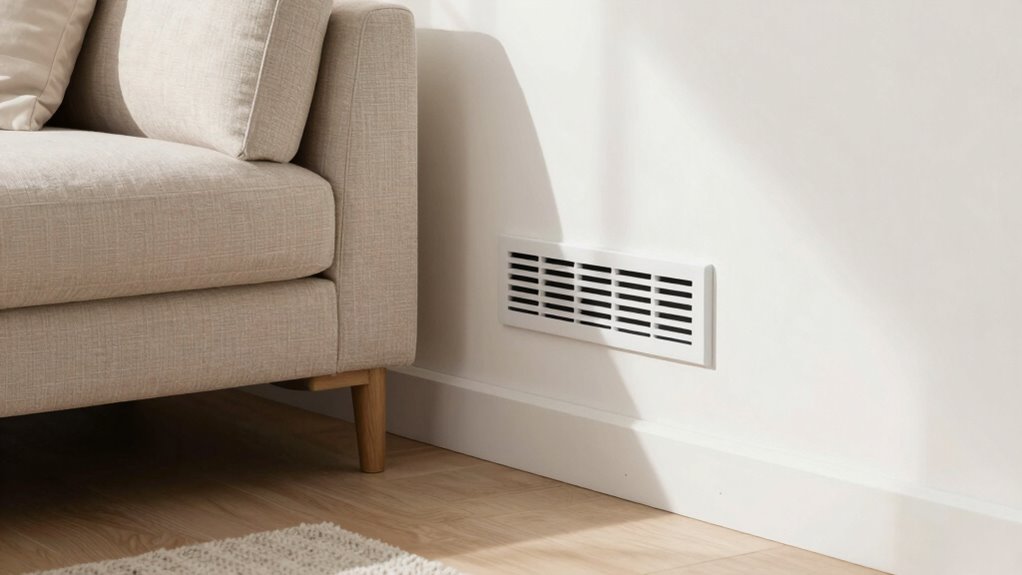
Even when you’ve taken steps to boost airflow around your furniture, it’s still important to know how to spot potential mold growth. Start by inspecting the back and underside of your furniture, especially if it’s made from porous materials like wood or fabric. Look for discoloration, such as black, green, or gray patches, which are common signs of mold. A musty odor nearby can also indicate hidden mold growth behind or beneath furniture. Keep an eye out for any warping, staining, or peeling paint, especially on wooden or upholstered pieces. Remember, mold thrives in damp environments, so if you notice moisture or condensation around your furniture, it’s a good idea to investigate further. Additionally, understanding mold growth conditions can help you prevent larger health and structural issues. Proper air circulation and humidity control are essential in reducing the chances of mold developing behind furniture, ensuring a healthier living space. Regularly monitoring indoor humidity levels can help you catch problems early and maintain ideal conditions. Maintaining adequate ventilation can significantly reduce the likelihood of mold forming in hidden areas. Catching mold early helps prevent larger health and structural issues.
Easy Ways to Improve Airflow Behind Furniture

You can improve airflow behind your furniture by using ventilation fans to move air more effectively. Additionally, adjusting the placement of your furniture can prevent blocks that trap moisture and limit circulation. These simple steps help keep the area dry and mold-free. Incorporating natural ventilation techniques can further enhance airflow and reduce humidity levels naturally. Moreover, ensuring proper air exchange in the room can significantly decrease the risk of mold growth behind furniture. Proper ventilation systems can also help maintain consistent airflow and prevent stale, humid air from settling, especially when integrated with smart home automation to optimize operation. Using vetted wave and wind methods can be particularly effective in creating a well-ventilated environment.
Use Ventilation Fans
To keep mold from developing behind your furniture, installing ventilation fans can make a significant difference. Proper airflow fans help circulate air and reduce moisture buildup. Consider adding exhaust vents near problem areas to improve air exchange. Here are four tips:
- Install small airflow fans behind furniture to promote continuous air movement. They can help prevent stagnant air pockets where mold might develop.
- Use exhaust vents to draw moist air out of the room, especially in high-humidity areas. Proper air exchange is essential for maintaining a healthy environment.
- Ensure fans run regularly, especially during humid weather or after cleaning. Regular ventilation helps maintain optimal indoor air quality.
- Position fans to create cross-ventilation, helping moisture escape and fresh air circulate. Effective airflow management is essential for maintaining a mold-free environment behind furniture. Incorporating proper ventilation techniques can further enhance airflow efficiency and moisture control, which is especially important considering the role of precious metal IRAs in safeguarding financial assets.
Adjust Furniture Placement
Adjusting how you position your furniture can substantially improve airflow behind it, helping prevent mold growth. Start by rearranging your furniture to create more space between pieces and the wall, promoting better air circulation. Avoid pushing furniture directly against the wall; instead, leave a gap of at least a few inches. This simple change enhances space optimization, reducing moisture buildup where mold thrives. Consider angling furniture or using modular pieces to open up tight corners and add clearance. Not only does this improve airflow, but it also creates a more open, inviting room. Regularly reassessing your furniture arrangement guarantees consistent airflow, making it harder for mold to take hold behind your furniture. Incorporating European hosting rhythms into your routine can help you stay attentive to your home’s comfort and maintenance needs. Small adjustments can make a significant difference in maintaining a mold-free environment, especially when you pay attention to ventilation strategies that support airflow and moisture control.
Best Ventilation and Dehumidification Tips to Prevent Mold

Good airflow and proper humidity levels are essential to prevent mold behind your furniture. You should enhance air circulation, control indoor moisture, and use effective vents to keep the space dry. These simple steps make a big difference in maintaining a healthy environment.
Enhance Air Circulation
Ensuring proper air circulation is one of the most effective ways to prevent mold from developing behind furniture. Good airflow improves air quality and keeps moisture levels low. To enhance circulation:
- Rearrange furniture to avoid blocking vents and airflow pathways.
- Use fans or oscillating fans to circulate air more evenly throughout the room.
- Open windows regularly to introduce fresh air and reduce stale, humid air.
- Keep doors open between rooms when possible to promote cross-ventilation.
These steps help prevent pockets of stagnant air and excess moisture, which are ideal conditions for mold growth. By focusing on furniture arrangement and maintaining *best* air quality, you’ll create a less hospitable environment for mold behind furniture.
Control Indoor Humidity
Controlling indoor humidity is essential for preventing mold growth behind furniture. When humidity levels are too high, mold spores thrive and settle in hidden areas, compromising air quality. To keep humidity in check, use a dehumidifier or air conditioner to maintain levels between 30-50%. Proper ventilation also helps remove excess moisture, reducing the risk of mold development. Avoid drying clothes indoors or leaving damp items lying around, as these increase indoor humidity. Monitoring with a hygrometer allows you to stay aware of moisture levels and adjust accordingly. By managing humidity effectively, you create an environment less inviting for mold spores, protecting both your indoor air quality and your home’s structural integrity. This simple step is key to mold prevention behind furniture.
Use Effective Vents
Using effective vents is one of the most straightforward ways to prevent mold behind furniture. Proper vent placement influences airflow patterns, ensuring moist air moves out and dry air circulates efficiently. To optimize ventilation:
- Place vents near high-humidity sources like bathrooms or kitchens to improve airflow.
- Position vents to create cross-ventilation, encouraging air to flow across problem areas.
- Avoid blocking vents with furniture or curtains, which can disrupt airflow patterns.
- Regularly clean vents to maintain unobstructed airflow and prevent dust buildup.
Common Mistakes That Make Mold Behind Furniture Worse

One common mistake that can worsen mold behind furniture is attempting to clean it without addressing the underlying moisture problem. If you only wipe away surface mold, you risk trapping moisture in the furniture materials, promoting further mold growth. Different furniture materials, like wood, fabric, or particleboard, react differently to cleaning and moisture. Misjudging this can cause more damage.
| Mistake | Consequence | Better Approach |
|---|---|---|
| Using harsh chemicals on porous materials | Damage and lingering mold | Use gentle, suitable cleaners |
| Ignoring humidity levels | Persistent moisture, mold growth | Control indoor humidity |
| Not inspecting for water leaks | Hidden moisture source | Fix leaks first |
| Overlooking airflow issues | Stale, damp environment | Improve ventilation |
| Rushing cleaning efforts | Incomplete mold removal | Be thorough and patient |
Tools and Products to Help Keep Mold at Bay
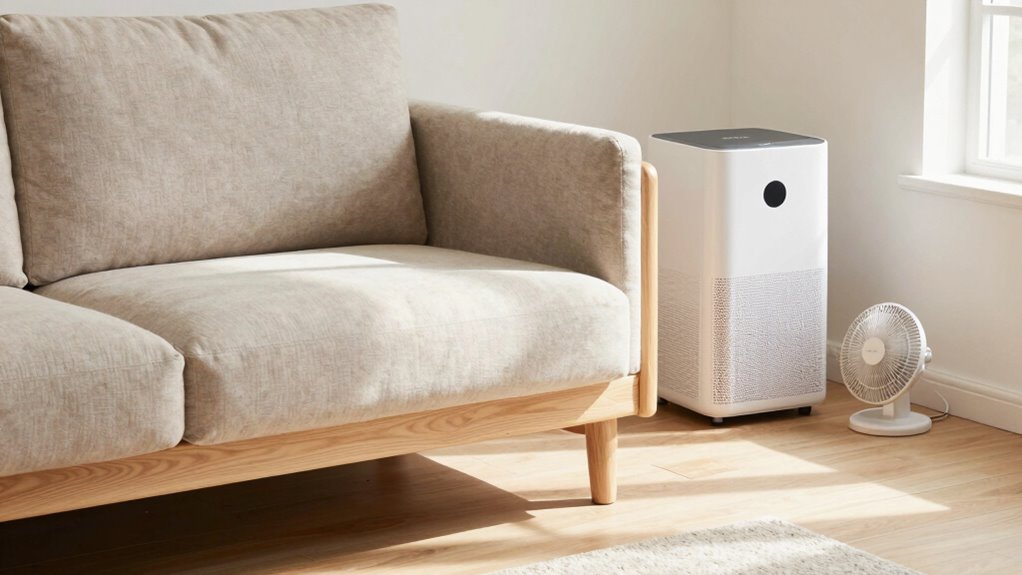
To effectively prevent mold behind furniture, having the right tools and products on hand makes all the difference. First, invest in high-quality HVAC filters to improve airflow and reduce moisture buildup. Second, apply mold-resistant paint on nearby walls and furniture surfaces to inhibit mold growth. Third, use a dehumidifier to maintain ideal humidity levels, preventing mold-friendly environments. Fourth, consider mold-resistant sprays or cleaners for regular maintenance. These tools and products actively combat mold by controlling moisture and creating inhospitable conditions. Combining improved airflow with mold-resistant coatings ensures a proactive approach. Staying vigilant with these essentials helps protect your home from hidden mold behind furniture, keeping your space healthier and safer.
When to Call a Professional for Mold Inspection and Removal
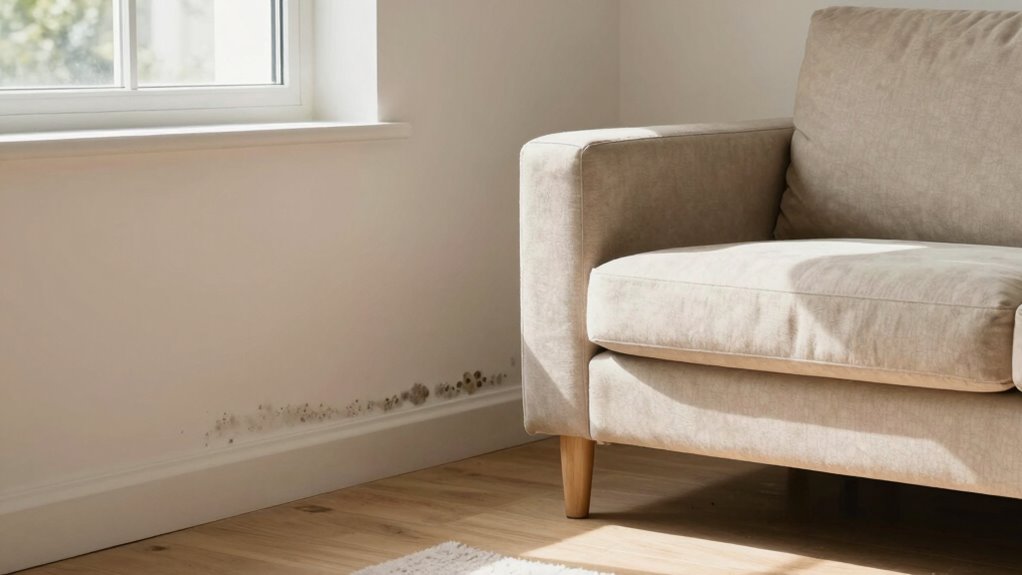
Recognizing when mold problems are beyond your control is essential for maintaining a healthy home. If you notice persistent mold growth despite using mold resistant paint or routine cleaning, it’s time to call a professional. Mold testing kits can help determine the extent of contamination, but they aren’t always definitive. When mold returns after cleaning or you experience health symptoms like allergies or respiratory issues, experts should step in. Professionals have specialized equipment to inspect hidden mold behind furniture or within walls. They can perform thorough mold removal and recommend solutions like advanced mold resistant paint if needed. Don’t ignore ongoing mold issues—prompt professional intervention guarantees your home stays safe and mold-free, protecting your health and property long-term.
Frequently Asked Questions
Can Mold Behind Furniture Cause Health Problems?
Yes, mold behind furniture can cause health problems, especially if you have a mold allergy. Exposure to mold spores can trigger symptoms like coughing, sneezing, and respiratory issues. If you notice mold growth, it’s essential to act quickly with mold remediation to protect your health. Keeping good airflow behind furniture helps prevent mold buildup, reducing the risk of allergy symptoms and other health concerns.
How Often Should I Check for Hidden Mold?
Have you ever wondered how often you should check for hidden mold? You should inspect behind furniture and in hard-to-reach areas at least every three to six months. Use good ventilation tips to keep moisture levels in check, and look for mold growth indicators like musty odors or discoloration. Regular checks help catch problems early, preventing health issues and costly repairs down the line.
Are There Specific Furniture Materials That Attract Mold?
Certain furniture materials, like fabric upholstery, attract mold more easily because they retain moisture and aren’t as breathable. Wood types such as oak and cedar are less prone to mold, but softer woods like pine can absorb moisture and promote mold growth. To prevent mold, guarantee good airflow around your furniture, especially fabric-covered pieces, and keep humidity levels low. Regularly inspect for signs of mold, especially on moist or poorly ventilated furniture.
What Are Natural Remedies for Mold Prevention?
Think of mold as an unwelcome guest that thrives in damp corners. You can thwart it with natural remedies and DIY solutions like white vinegar, tea tree oil, or baking soda, which act as natural fungicides. Spray these household remedies on problem spots to keep moisture at bay. Regular ventilation and sunlight also help dry out areas, making your home less inviting for mold to settle in behind furniture.
How Long Does It Take for Mold to Develop Behind Furniture?
Mold growth behind furniture can begin in as little as 24 to 48 hours if furniture moisture levels are high and the area stays damp. If you notice persistent humidity or leaks, it accelerates mold development. To prevent this, guarantee proper airflow around furniture, keep the area dry, and use dehumidifiers. Regularly check for hidden moisture to stop mold from forming before it becomes a bigger problem.
Conclusion
So, next time you hide that clutter behind your furniture, remember it’s not just a storage issue—it’s a mold magnet in disguise. Improve airflow, stay vigilant, and don’t be the person surprised by a musty smell or black spots. Because nothing says “I care about my home” like pesky mold sneaking in while you’re busy ignoring those forgotten corners. Stay proactive, keep it dry, and maybe invest in a fan—your future self will thank you.