CFM measures airflow in cubic feet per minute, but it doesn’t tell you how well a blower performs in real-world conditions. Factors like static pressure, duct design, and blower efficiency impact actual performance. High CFM numbers can be misleading if these elements aren’t considered. Understanding how static pressure and system setup influence airflow is key. To get a clear picture of a blower’s true performance, there’s more to uncover beyond just CFM figures.
Key Takeaways
- CFM ratings alone don’t reflect blower efficiency or performance; blower design and static pressure play critical roles.
- Static pressure and duct design significantly influence actual airflow, making CFM figures less reliable without context.
- Different brands use varied testing standards, causing discrepancies in airflow specifications and complicating comparisons.
- Real-world performance depends on installation, environmental conditions, and maintenance, not just advertised airflow ratings.
- Balancing power, efficiency, and system design ensures optimal airflow and reduces noise and energy waste.
What Is CFM, and Why It’s Not the Whole Story
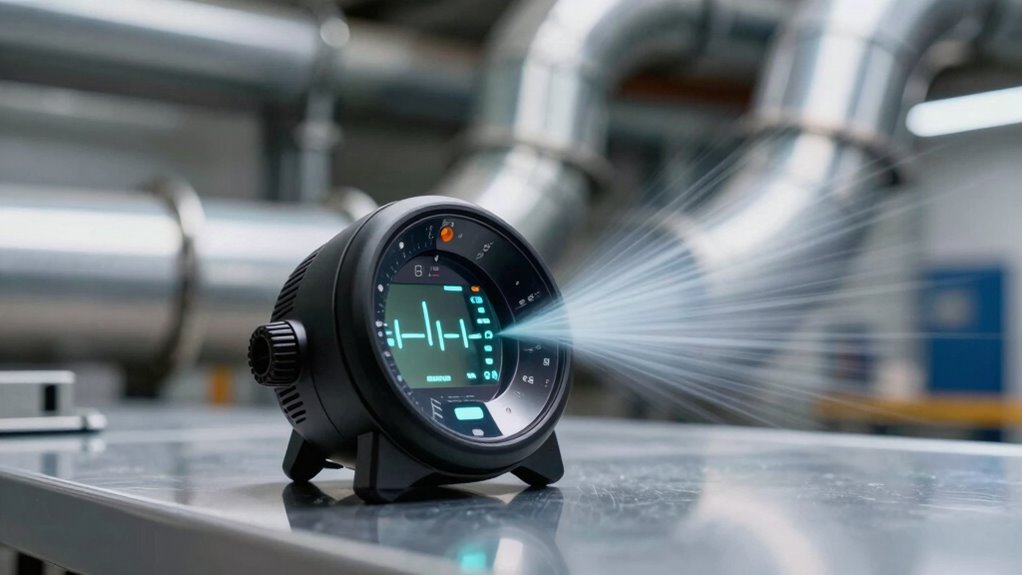
CFM, or cubic feet per minute, measures how much air an exhaust fan or ventilation system can move. It’s a common way to gauge airflow measurement, but it doesn’t tell the whole story. Your blower’s design plays a vital role in how effectively that airflow is delivered. A blower with a high CFM rating might still underperform if it’s not optimized for your specific setup. Factors like blade shape, motor power, and housing influence airflow efficiency. Additionally, airflow efficiency depends on how well the blower can handle static pressure and resistance in the system. Relying solely on CFM can be misleading because it doesn’t account for static pressure or how well the blower handles resistance. To truly understand a blower’s performance, you need to look beyond the CFM number and consider how its design impacts real-world airflow, especially regarding system resistance. Recognizing the importance of blower efficiency can help you select equipment that performs reliably under various conditions. Evaluating airflow dynamics provides a more comprehensive understanding of blower performance and ensures optimal system operation.
How Static Pressure Affects Your Blower’s Performance
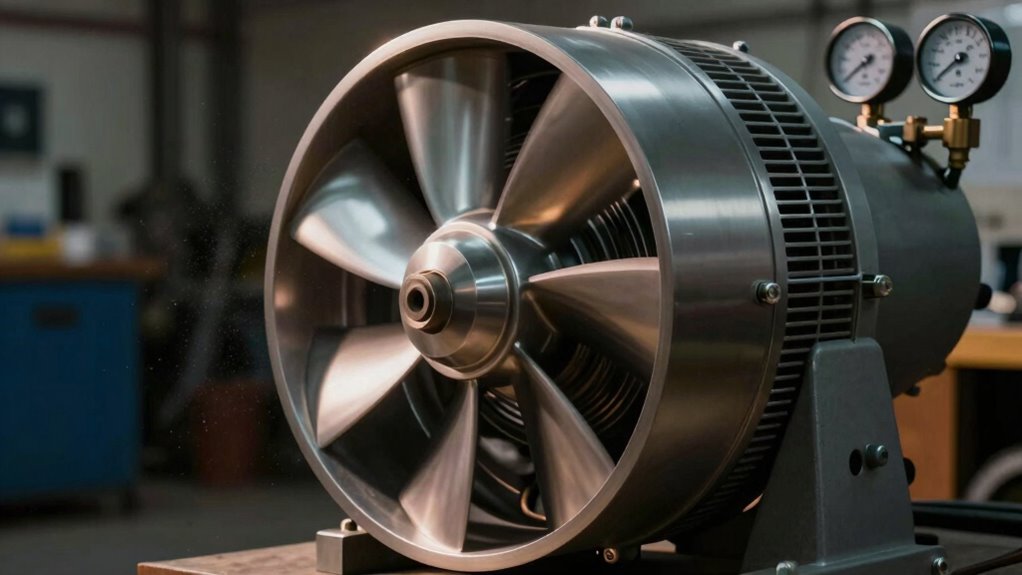
Static pressure directly impacts the airflow your blower can produce, often reducing performance when it’s too high. As static pressure increases, your blower has to work harder, which can lower efficiency and airflow. Understanding this relationship helps you optimize blower performance and avoid unnecessary strain on your system. Proper airflow is essential for maintaining system longevity and energy efficiency. Recognizing how airflow dynamics interact with static pressure can further aid in troubleshooting and system design. Additionally, monitoring system resistance can help identify issues before they significantly impair performance. Being aware of pressure fluctuations can help prevent sudden drops in system efficiency and prolong equipment life. Moreover, understanding pressure balance within your system allows for better adjustments and improved overall function.
Impact on Airflow
When static pressure increases within your duct system, it can substantially hinder your blower’s ability to move air effectively. Higher static pressure forces your blower to work harder, reducing airflow measurement and causing performance drops. If your blower isn’t designed to handle increased static pressure, airflow can drop considerably, affecting system efficiency. Blower design plays a vital role here—some units are better equipped to overcome resistance, maintaining airflow under challenging conditions. When static pressure is too high, the blower struggles to push air through tight or obstructed ducts, leading to uneven distribution and decreased comfort. Understanding how static pressure impacts airflow helps you choose the right blower and duct setup, ensuring ideal performance and energy efficiency.
Blower Efficiency Factors
Higher static pressure can considerably reduce your blower’s efficiency because it forces the motor to work harder to move the same amount of air. This increased effort leads to higher blower noise and elevated maintenance costs due to added strain on components. To optimize performance, consider these factors:
- Airflow restrictions—clogged filters or duct obstructions raise static pressure.
- Improper system design—poorly designed ductwork increases resistance.
- Inadequate blower sizing—undersized blowers struggle against static pressure.
- Lack of regular maintenance—neglecting upkeep accelerates wear and noise levels.
Additionally, incorporating multi-functional gear can help streamline system components and reduce potential points of resistance, improving overall airflow. Proper airflow management is essential for maintaining system efficiency and preventing unnecessary strain on equipment. Ensuring proper system design can significantly minimize static pressure issues, leading to better blower performance. Regular system checks and effective maintenance can further prevent issues caused by static pressure, prolonging equipment lifespan. Addressing these factors helps maintain efficiency, reduces noise, and keeps maintenance costs manageable, ensuring your blower runs smoothly and effectively.
Why Efficiency and Power Ratings Matter in Real Life
Understanding efficiency and power ratings helps you see how equipment performs in real-world situations, not just on paper. Balancing power and efficiency guarantees you get reliable performance without wasting energy or overloading the system. Keep in mind, CFM ratings alone don’t tell the full story of how well a blower will work for your needs. Smart technology in modern appliances can optimize airflow and energy use for better results, ensuring your system operates effectively in everyday scenarios. Additionally, performance metrics provide a more comprehensive view of equipment capabilities beyond basic airflow numbers. Recognizing performance variability helps in selecting equipment that truly meets your specific demands. Being aware of vetted specifications ensures you make informed choices based on real-world performance data.
Real-World Performance Insights
While efficiency and power ratings provide valuable benchmarks, they don’t always tell the full story of how a CFM and airflow system performs in real-world conditions. Your experience depends on factors like noise levels, installation, and actual usage. Keep these in mind:
- Noise levels: A high CFM doesn’t guarantee quiet operation; some systems are louder than expected.
- Installation tips: Proper setup impacts performance—poor installation can reduce airflow and efficiency.
- Real-world airflow: Actual airflow can vary based on duct design and obstructions. Understanding airflow dynamics helps you anticipate real-world performance and avoid misconceptions based solely on specs. Additionally, Suprem fabric’s versatile applications demonstrate how real-world factors influence material performance.
- Environmental factors: Temperature and humidity influence how well your system performs daily.
- Navigation and mapping technology also plays a role in ensuring optimal airflow and system effectiveness in different spaces. Recognizing how airflow pathways function can improve your overall system efficiency and longevity.
Power vs. Efficiency Balance
When evaluating CFM and airflow systems, it’s important to take into account how power and efficiency work together in real-world scenarios. A higher airflow measurement might suggest better performance, but it can also mean increased blower noise and energy consumption. Balancing power and efficiency helps you avoid overloading your system or wasting electricity. If a blower runs at maximum power constantly, it may deliver more airflow initially but could lead to louder operation and higher utility bills. Conversely, a more efficient system uses less energy while maintaining adequate airflow, reducing noise and saving money. Understanding this balance allows you to choose equipment that performs well without unnecessary noise or energy drain, ensuring reliable, practical airflow without sacrificing comfort or efficiency. Additionally, curiosity about airflow specs can help you better understand how different systems operate under various conditions, leading to smarter choices.
Limitations of CFM Ratings
CFM ratings alone don’t tell the full story about a system’s performance. Airflow myths often lead consumers to believe higher CFM always means better airflow, but that’s not true. Brand discrepancies can cause significant differences in real-world results, even with similar ratings. To understand a system’s true efficiency and power, consider these factors:
- How well the system maintains airflow under load
- The efficiency of the motor and components
- Noise levels during operation
- Actual performance in your specific environment
Understanding airflow variability is crucial for making an informed decision beyond just CFM numbers. Relying solely on CFM can mislead you, ignoring important details like power efficiency and how the system performs in real-life conditions. Don’t get caught up in airflow myths—look beyond the numbers. Additionally, examining brand reputation and transparency can help you identify systems that are tested and rated accurately for real-world use.
Interpreting Performance Curves and Charts
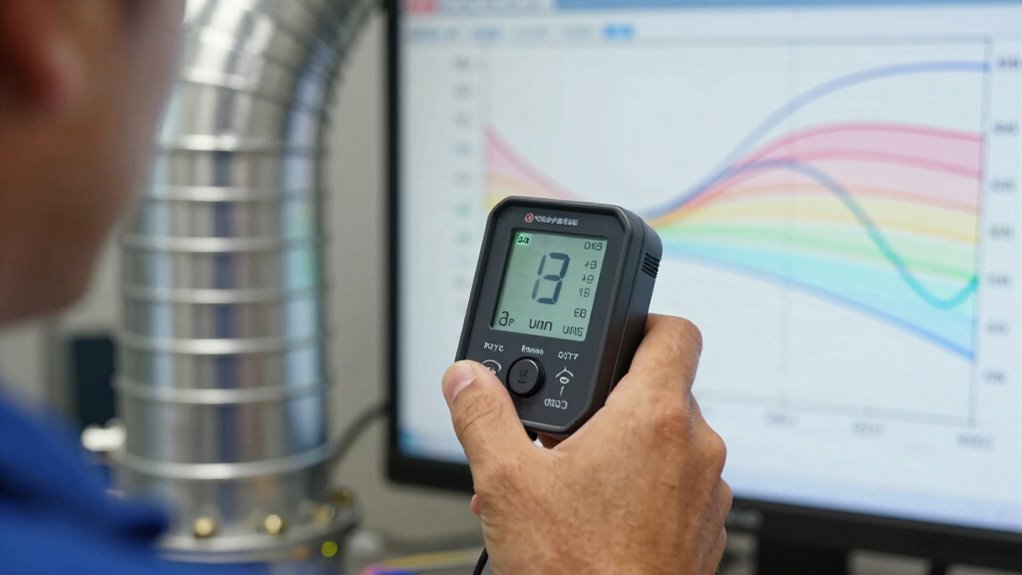
Interpreting performance curves and charts is essential for understanding how a fan or blower operates under different conditions. These graphs reveal how airflow, static pressure, and power consumption relate across various points. By studying them, you can see through airflow myths and performance misconceptions, understanding that high CFM ratings don’t always mean ideal performance in your specific setup. Performance curves show how airflow decreases as static pressure increases, helping you match equipment to your system’s needs. Charts also highlight efficiency zones, guiding you to select fans that perform reliably without wasting energy. With these tools, you gain a clearer picture of actual operation, avoiding false assumptions based solely on advertised specs. This knowledge ensures you make smarter decisions for your airflow requirements. Additionally, understanding performance curves helps you identify the most energy-efficient operating points, saving you money in the long run.
Why Different Brands Report Airflow Differently
Different brands often report airflow differently because they use varying measurement methods, testing conditions, and standards. This leads to performance variability, making it hard to compare specs directly. To understand these differences, consider these key factors:
- Measurement Standards: Some brands follow strict testing protocols, while others may use simplified or proprietary methods.
- Testing Conditions: Variations in temperature, pressure, and setup can skew airflow results.
- Reporting Units: Different brands may report CFM under different conditions, affecting comparability.
- Performance Variability: Even with the same blower, measurement differences can lead to inconsistent airflow specs.
- Measurement Techniques: The choice of measurement methods can significantly influence the reported airflow values, further complicating direct comparisons.
Knowing these factors helps you recognize why airflow numbers aren’t always apples-to-apples, emphasizing the importance of understanding measurement standards.
How to Match Blower Specs to Your Ventilation Needs
Matching blower specs to your ventilation needs starts with understanding how much airflow your space requires. Calculate the necessary CFM to guarantee proper air exchange without overworking the blower. Next, consider filter selection; a high-quality filter might reduce airflow slightly but improves air quality. Balance this with your airflow needs to avoid under- or over-filtering. Noise levels are also vital—choose a blower with specifications that keep operation quiet enough for your environment. Look for models with lower decibel ratings if noise is a concern, and verify how airflow performance might change with different filters in place. Matching these specs ensures efficient, effective ventilation without unnecessary noise or energy waste. This approach helps you select the right blower for your specific space and needs.
Questions to Ask Manufacturers About Blower Performance
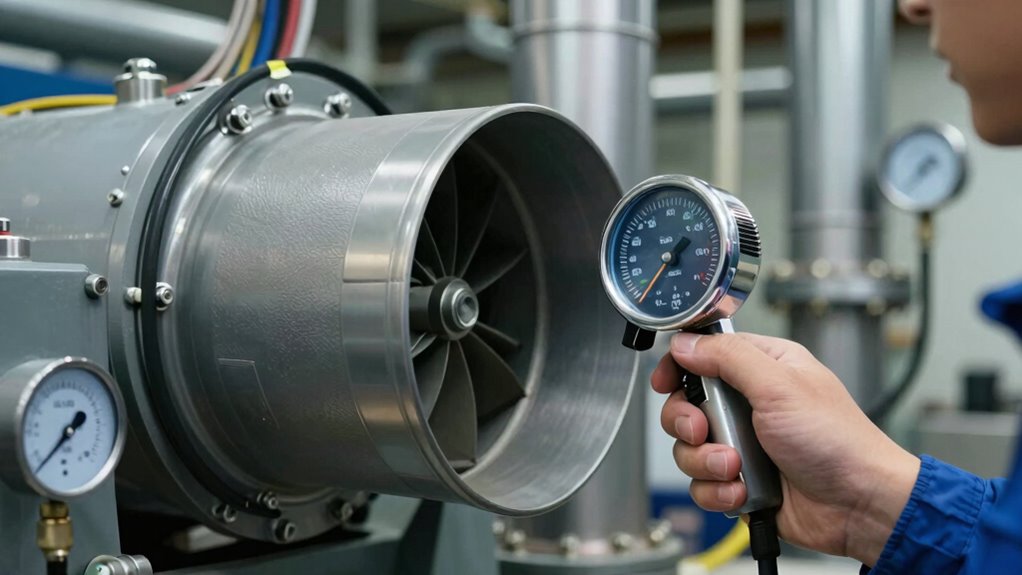
When evaluating blower performance, it’s vital to ask manufacturers specific questions to guarantee you’re getting a unit that meets your ventilation needs. Don’t rely solely on airflow specs; dig deeper into key factors. Here are four questions to ask:
- What are the noise levels during operation, and are there noise-reduction features?
- What are the installation requirements, including space, electrical needs, and mounting?
- How does the blower handle variable speeds, and is there a control system?
- What maintenance is needed, and are replacement parts readily available?
Understanding noise levels helps prevent disruptive operation, and knowing installation requirements ensures smooth setup. Asking these questions ensures you select a blower that performs efficiently without surprises later.
Frequently Asked Questions
How Do I Compare Blower Performance Across Different Brands Accurately?
To compare blower performance accurately across brands, focus on airflow measurement beyond just CFM. Look for consistent testing conditions and detailed specifications, including static pressure and airflow curves. Don’t rely solely on brand comparison based on CFM ratings; instead, assess how each blower performs under real-world conditions. This approach helps you make an informed decision, ensuring you choose a blower that truly meets your airflow needs.
What Role Does Noise Level Play in Blower Selection?
Noise level plays a vital role in blower selection, as noise considerations can impact your comfort and environment. You should look for models with sound mitigation features to reduce noise output, especially if you’ll be using the blower frequently or in noise-sensitive areas. Consider decibel ratings and whether the blower has built-in sound dampening. Choosing a quieter blower guarantees better operation without disrupting your workspace or living space.
Are There Maintenance Tips to Ensure Consistent Airflow?
Imagine your blower as a steady river flowing smoothly. To keep that flow consistent, regularly check your filters and replace them if dirty, like clearing debris from a stream. Schedule duct cleaning to remove dust buildup that can clog airflow. These simple maintenance tips ensure your system runs efficiently, preventing blockages and noise, so you enjoy consistent, strong airflow without surprises.
How Does Duct Design Influence Actual Airflow Performance?
Duct design considerably impacts your airflow performance. Proper duct routing guarantees smooth, unobstructed paths, reducing pressure losses and improving efficiency. Using durable materials prevents leaks and deformation over time, maintaining consistent airflow. Avoid sharp bends and long runs that can restrict airflow. By focusing on ideal duct routing and selecting high-quality, durable materials, you ensure your system delivers steady, efficient airflow, saving energy and enhancing comfort.
Can a Higher CFM Always Mean Better Ventilation?
A higher CFM doesn’t always mean better ventilation because it can reduce ventilation efficiency if the system isn’t designed properly. You might experience louder noise, increased energy use, and strain on the blower, which can shorten blower longevity. Focus on the right airflow for your space and system design, rather than just aiming for high CFM, to guarantee ideal ventilation and longer-lasting equipment.
Conclusion
Think of blower specs like a car’s horsepower—it’s tempting to judge performance by one number. But just like a car needs good handling and fuel efficiency, your ventilation system needs more than CFM. Don’t get stuck in the details that don’t tell the whole story. Ask questions, understand static pressure, and consider real-world performance. Only then can you truly choose a blower that runs smoothly and keeps your air quality in check.