Motorized camera sliders help you achieve smooth, professional shots by automating movement and reducing shakiness, saving time and effort while enhancing shot quality. They’re great for complex, repeatable moves but can slow you down if setup or technical issues arise. If you rely heavily on manual control or need quick, spontaneous shots, a slider might be unnecessary. Keep in mind, knowing when to use or skip one can considerably impact your filming results. If you explore further, you’ll discover how to maximize their advantages and avoid common pitfalls.
Key Takeaways
- Motorized sliders provide smooth, precise movements, ideal for professional, repeatable shots and complex camera motions.
- They save setup time and enable dynamic shots that are difficult to achieve manually.
- Use caution when quick adjustments are needed, as setup and automation can cause delays.
- Overreliance on automation may result in robotic footage; manual control remains essential for spontaneity.
- Consider project scale and budget, since high-quality motorized sliders can be costly and less practical for quick or low-budget shoots.
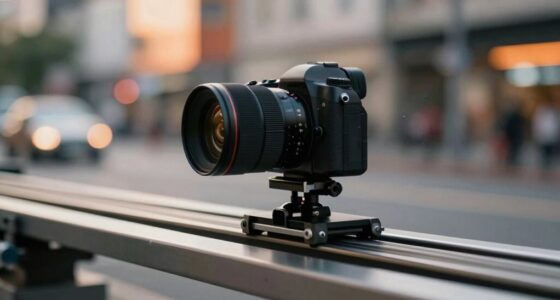
motorized camera slider for filmmaking
As an affiliate, we earn on qualifying purchases.
As an affiliate, we earn on qualifying purchases.
What Is a Motorized Camera Slider and Why Use One?
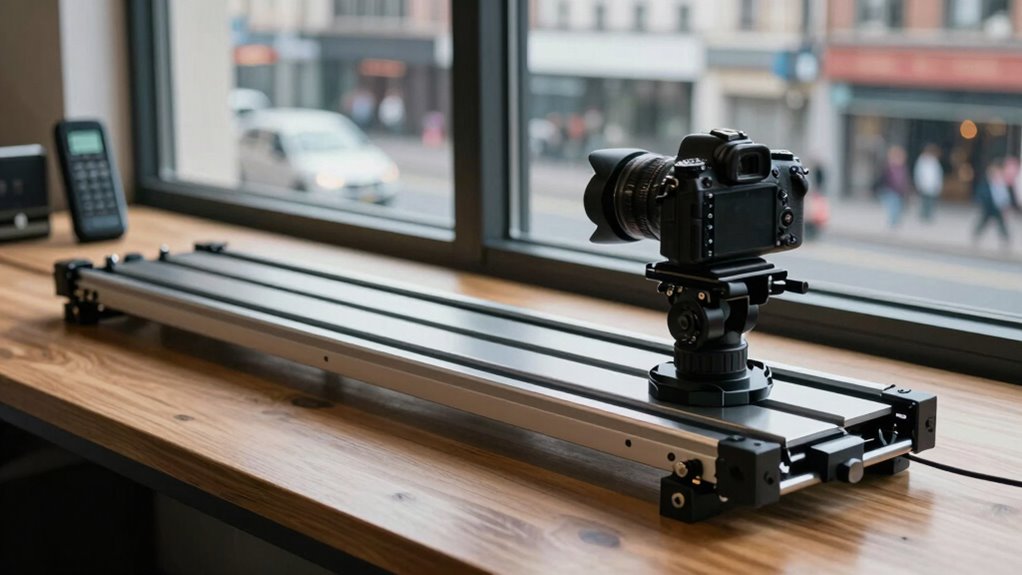
Have you ever wanted smooth, professional-looking camera movements without a second cameraman? That’s where a motorized camera slider comes in. It offers precise camera stabilization, ensuring your shots are steady and fluid. Unlike manual sliders, which require physical effort and can introduce shakiness, motorized sliders automate movement, providing consistent speed and timing. This consistency is especially important for achieving high-quality cinematic shots. Additionally, automation reduces human error, making your filming process more reliable and efficient. This automation makes complex shots easier and more accurate, saving you time and effort. You control the slider’s motion with a remote or preset, giving you seamless control over your filming. Whether you’re capturing cinematic sequences or smooth product shots, a motorized slider helps achieve professional results effortlessly. It’s a game-changer for filmmakers seeking precision and smoothness without the need for additional crew.
professional camera slider remote control
As an affiliate, we earn on qualifying purchases.
As an affiliate, we earn on qualifying purchases.
Benefits of Using a Motorized Slider for Your Films
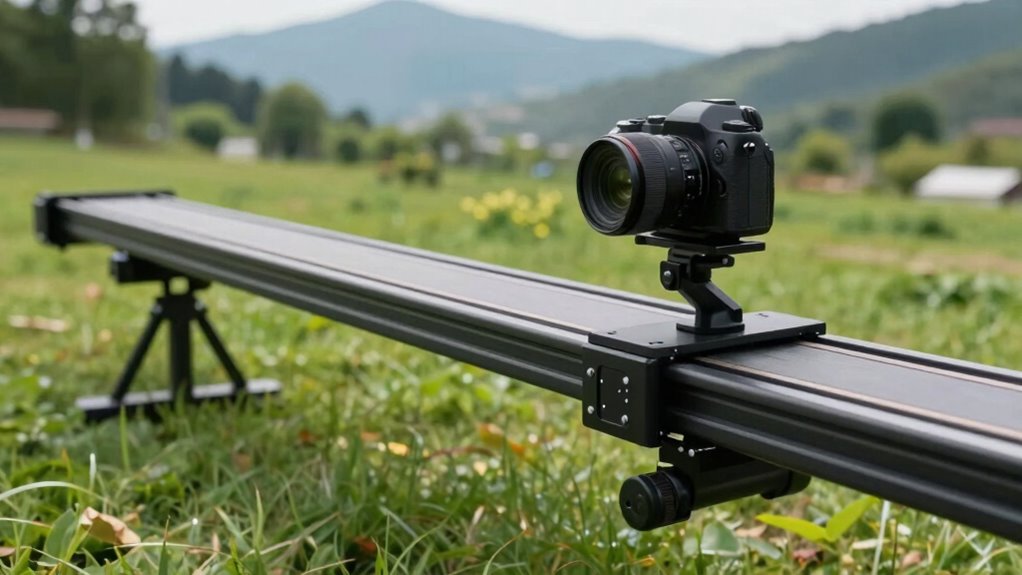
Why settle for shaky, unpredictable shots when a motorized slider can deliver smooth, professional footage every time? Using a motorized slider enhances your camera movement, allowing you to achieve precise, controlled shots that elevate your film’s quality. It *unlocks* new levels of shot creativity by enabling complex, repetitive movements that are hard to achieve manually.
- Consistent, smooth camera motion that improves overall production value
- Increased shot variety, from slow pushes to intricate tracking shots
- Time-saving setup, freeing you to focus on composition and storytelling
With these benefits, a motorized slider becomes a *vital* tool for capturing dynamic visuals and pushing your creative boundaries, all while maintaining a polished, cinematic look.
cinematic camera slider with motor
As an affiliate, we earn on qualifying purchases.
As an affiliate, we earn on qualifying purchases.
When Should You Avoid Using a Motorized Slider?
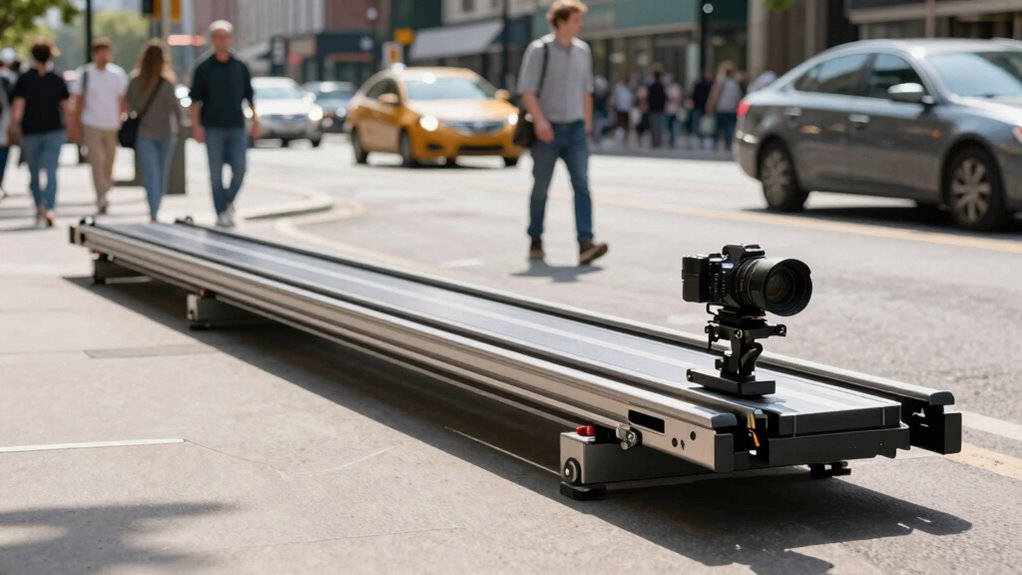
While motorized sliders are excellent for smooth, controlled shots, there are times when using them isn’t the best choice. If you need quick, spontaneous adjustments, manual operation is faster and more flexible. Relying on a motorized slider can slow down your shoot, especially if you encounter technical issues or setup delays. Additionally, if you’re on a tight budget, investing in a motorized slider might not be practical. They can be expensive, and their maintenance or replacement costs add up. In such cases, sticking to manual operation saves money and allows for more immediate control. When your project demands quick responses or limited funds, avoiding a motorized slider helps you stay agile and efficient. Understanding equipment limitations ensures you choose the right tool for your specific needs.
automatic camera slider for video
As an affiliate, we earn on qualifying purchases.
As an affiliate, we earn on qualifying purchases.
Key Factors to Consider When Choosing a Slider

Choosing the right slider depends on several key factors that influence your shooting experience and results. First, consider camera compatibility—ensure the slider can support your camera’s weight and mounting requirements. Second, think about your budget considerations; sliders range from affordable manual options to high-end motorized models, so pick one that fits your financial means without sacrificing essential features. Third, evaluate the slider’s build quality and precision, which affect stability and smoothness of movement. Keep in mind that a good balance between price and functionality is vital, especially if you’re just starting out or working on specific projects. Additionally, understanding the types of motorized sliders available can help you choose a model that best suits your filming needs. For beginners, selecting a simple, user-friendly model can make the learning curve less steep. Moreover, considering motorized slider features, such as programmable movements and control options, can significantly impact your filming efficiency. When selecting a slider, also consider the motorized slider technology, as advancements can provide more reliable and seamless operation. In addition, researching compatibility with accessories can expand your creative options and improve your overall experience. By focusing on these factors, you’ll select a slider that enhances your creativity while fitting your technical needs and budget.
Common Mistakes That Can Hold You Back With Motorized Sliders

One common mistake that can hold you back with motorized sliders is neglecting to calibrate or set up the device properly before filming. Relying too much on automation can lead to awkward or inconsistent shots, especially if you forget to manually operate the slider when needed. Overusing automation might make your footage look robotic and lack natural movement. To avoid this, always double-check the calibration and ensure your slider’s settings match your shot’s needs. Sometimes, manual operation offers better control, allowing you to adjust the speed and position precisely. Overdependence on automation can slow you down if the system glitches or doesn’t respond as expected. Striking a balance between manual control and automation helps you create smoother, more intentional footage without getting stuck or frustrated. Additionally, understanding automation limitations can help you troubleshoot issues more effectively and maintain shooting efficiency.
Frequently Asked Questions
How Much Do Motorized Camera Sliders Typically Cost?
You can expect to pay between $100 and $1,000 for a motorized camera slider, depending on features and quality. Entry-level models from brands like Neewer or Zecti usually cost around $100–$300, ideal for beginners. Mid-range options from brands like Edelkrone or Rhino offer more stability and smoother movement for $300–$700. High-end professional sliders from brands like DJI or Kessler can reach $1,000 or more, perfect for advanced videographers.
What Is the Maximum Weight Capacity of Most Motorized Sliders?
Most motorized sliders support a maximum weight capacity of around 10 to 20 pounds, depending on the model. To maintain gimbal stability and guarantee smooth shots, avoid exceeding this limit. Also, consider battery life, as heavier loads can drain batteries faster, reducing your filming time. Always check the manufacturer’s specifications to match your camera gear with the slider’s capacity for ideal performance.
Are Motorized Sliders Compatible With All Camera Types?
Motorized sliders aren’t compatible with all camera types, especially those requiring manual operation or specialized accessories. You’ll need to check the slider’s compatibility features, like its mount options and weight capacity, to guarantee your camera fits securely. Some sliders work best with lightweight cameras and standard mounts, while heavier or more complex setups might need additional adapters. Always verify compatibility before investing to avoid limitations during your shoots.
How Long Does It Take to Set up a Motorized Slider?
Setting up a motorized slider usually takes about 10 to 20 minutes, even with manual setup and calibration. While some might worry about complexity, most models come with straightforward instructions and quick-release mechanisms. Once you’ve calibrated the system, you’re ready to shoot. The initial setup might seem time-consuming, but it quickly becomes second nature, allowing you to focus on capturing smooth, professional shots rather than fiddling with equipment.
Can Motorized Sliders Be Operated Remotely or via Smartphone?
Yes, motorized sliders can be operated remotely or via smartphone. Most models feature remote control options, allowing you to adjust settings from a distance. Many are also compatible with smartphones through dedicated apps, giving you full control over slider movement, speed, and timing. This makes it easier to capture smooth shots without being physically near the slider, enhancing your filming flexibility and precision.
Conclusion
A motorized camera slider can be your filmmaking best friend or a frustrating hurdle. When used wisely, it adds smoothness and professionalism to your shots, like a gentle breeze guiding your story. But if you choose the wrong time or neglect key factors, it can slow you down like quicksand. Weigh your needs carefully—your creative journey deserves the right tools to help your vision rise like a phoenix, not stumble in the shadows.