
TL;DR
Listen free for 30 days with Audible
Thousands of audiobooks and originals — cancel anytime.
Start your free trialAs an affiliate, we earn on qualifying purchases.
RHB Bank has launched RHBPay, Malaysia’s first bank-owned integrated payment gateway, marking a significant step in digital payment infrastructure. This development aims to streamline transactions for merchants and consumers alike.
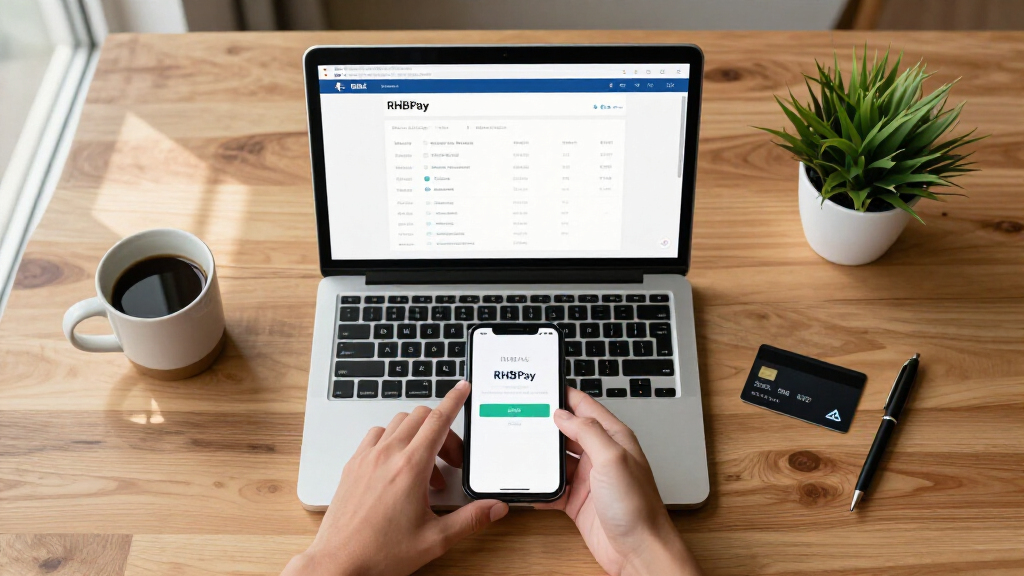
RHB Bank has introduced RHBPay, Malaysia’s first bank-owned integrated payment gateway, designed to unify various digital payment methods into a single platform. The launch, announced in March 2024, signifies a major development in Malaysia’s digital payment ecosystem, aiming to provide merchants and consumers with a seamless and secure transaction experience.
The new platform, RHBPay, is developed and operated directly by RHB Bank, making it the first of its kind in Malaysia where a bank owns and manages an integrated payment gateway. According to RHB Bank, the service consolidates multiple payment options, including e-wallets, credit and debit cards, and bank transfers, into one unified interface.
RHB Bank states that RHBPay aims to simplify the payment process for merchants, reduce transaction costs, and enhance security features. The bank has also emphasized that the platform is built with compliance to the latest security standards, including PCI DSS, and incorporates fraud detection measures.
While the official announcement confirms the launch, details about the platform’s full capabilities, integration process for merchants, and the timeline for broader rollout are still emerging. RHB Bank has indicated that pilot testing is underway with select merchants, with a wider deployment expected in the coming months.
Implications for Malaysia’s Digital Payment Landscape
The launch of RHBPay represents a significant milestone in Malaysia’s digital payment ecosystem, as it introduces the first bank-owned, integrated payment gateway in the country. This development could encourage other banks to develop similar platforms, potentially leading to increased competition and innovation in digital payments.
For merchants, RHBPay promises to streamline payment acceptance, reduce reliance on multiple payment terminals, and lower transaction fees. For consumers, it could mean more convenient, faster, and more secure digital transactions across various channels.
Additionally, as the platform is directly managed by a bank, it is expected to offer enhanced security and compliance, which are critical concerns in digital payment adoption. This could boost consumer confidence and accelerate the shift toward cashless transactions in Malaysia.
Overall, RHBPay’s introduction could be a catalyst for broader digital transformation within Malaysia’s financial sector and support the government’s push toward a cashless society.
digital payment terminal for merchants
As an affiliate, we earn on qualifying purchases.
As an affiliate, we earn on qualifying purchases.
Background on Malaysia’s Digital Payment Development
Malaysia has seen a steady increase in digital payment adoption over the past few years, driven by government initiatives, technological advancements, and changing consumer preferences. Prior to RHBPay, various banks and fintech companies offered their own payment solutions, but none were fully integrated or bank-owned at this scale.
The government’s push for a cashless society, along with the rise of e-wallets and contactless payments, has created a competitive environment where banks are seeking to innovate and capture digital payment market share. The launch of RHBPay aligns with these trends, although it is still early to determine its market impact.
Industry experts note that while digital payment infrastructure is rapidly evolving, the integration of bank-owned gateways remains limited, making RHB Bank’s move a notable development in this context.
As an affiliate, we earn on qualifying purchases.
Unconfirmed Details and Early Stage of Deployment
It is not yet clear how quickly RHBPay will be adopted by merchants across Malaysia or how it will compete with existing third-party payment platforms. The full scope of features, user interface, and integration process for merchants remains under development, with official details still emerging.
Additionally, the platform’s security protocols and compliance measures, while stated to be robust, have not been independently verified at this stage. The long-term impact on transaction costs and merchant preferences is also uncertain as the platform matures.
As an affiliate, we earn on qualifying purchases.
Next Steps for RHBPay’s Market Adoption
RHB Bank plans to expand pilot testing to more merchants in the coming months, with a full rollout expected later in 2024. Monitoring customer and merchant feedback will be crucial to refining the platform.
Industry observers will closely watch how competitors respond, whether other banks develop similar integrated gateways, and how the platform affects the overall digital payment landscape in Malaysia.
Further announcements from RHB Bank regarding platform updates, new features, and strategic partnerships are anticipated as the deployment progresses.
As an affiliate, we earn on qualifying purchases.
Key Questions
What is RHBPay?
RHBPay is Malaysia’s first integrated payment gateway owned and operated by a bank, designed to unify multiple digital payment methods into a single platform for merchants and consumers.
When was RHBPay launched?
The platform was announced and launched in March 2024, with pilot testing underway and a wider rollout expected later in the year.
How does RHBPay differ from existing payment solutions?
Unlike third-party platforms, RHBPay is directly owned by RHB Bank, offering integrated payment options, potentially lower fees, and enhanced security features tailored for the Malaysian market.
What are the benefits for merchants and consumers?
Merchants can benefit from simplified transaction processes and lower costs, while consumers may enjoy faster, more secure digital payments across various channels.
What remains uncertain about RHBPay’s future?
It is still unclear how quickly the platform will be adopted nationwide, how it will compete with existing solutions, and what the long-term impacts on the market will be as deployment continues.
Source: primary
Flea & tick season Picks
flea and tick prevention
As an affiliate, we earn on qualifying purchases.