
TL;DR
At a Hong Kong green finance forum on Sept. 7, 2026, HKMA Acting Chief Executive Arthur Yuen said the authority had published its Phase 2B sustainable finance taxonomy prototype for consultation. The draft adds activities including battery manufacturing and recycling, low-carbon technology production, air transport and iron and steel, alongside measures for shoreline protection and flood management.
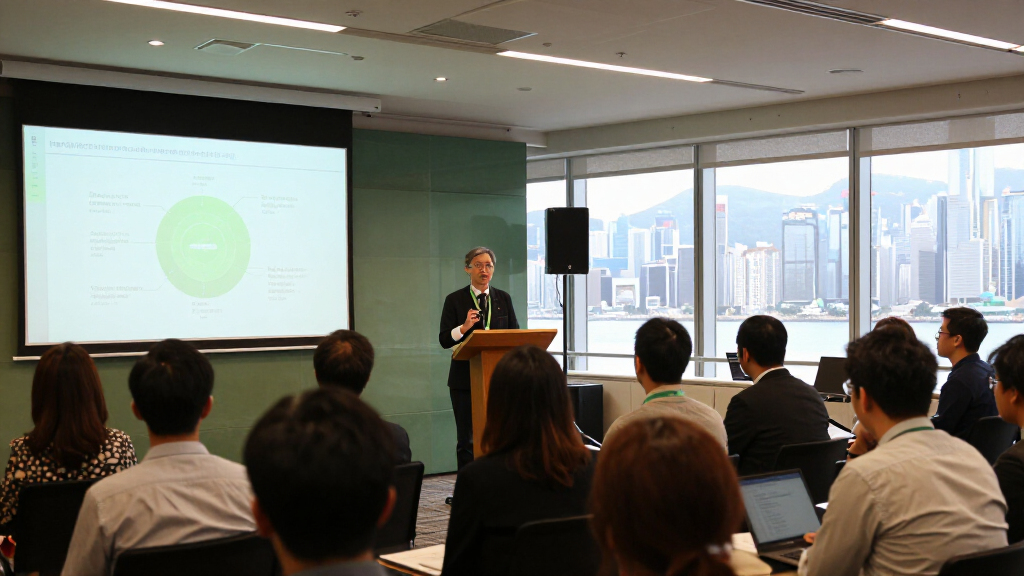
The Hong Kong Monetary Authority (HKMA) has published a Phase 2B prototype of its sustainable finance taxonomy for consultation, adding proposed criteria for transition activities and climate adaptation. Arthur Yuen, the authority’s acting chief executive, announced the development in a keynote at the HKGFA-GBA Green Finance Alliance Annual Forum in Hong Kong on Sept. 7, 2026.
Yuen said the draft expands the Hong Kong Taxonomy for Sustainable Finance to cover activities intended to support decarbonisation, including the manufacture and recycling of batteries and production of low-carbon technologies. It also includes proposed coverage for hard-to-abate sectors such as air transport and iron and steel, where emissions reductions can be difficult and financing needs substantial. These are proposals in a prototype released for consultation, not a statement that every activity in those sectors automatically qualifies as sustainable.
On climate resilience, the prototype adds adaptation measures addressing risks to Hong Kong, starting with shoreline protection and flood management. Yuen said it uses a process-based approach intended to help financial institutions and companies identify and finance measures addressing physical climate risks. The speech did not set out the consultation’s closing date or reproduce the detailed technical criteria.
The forum also marked the HKGFA taking the chairmanship of the GBA Green Finance Alliance, according to Yuen, who congratulated the association. He also praised the official launch of the Green Accelerator programme that morning. He said Hong Kong would support the joint work, though the speech provided no programme details, targets or timetable.
New Criteria Target Transition and Resilience
The proposed additions address a practical challenge for sustainable finance: directing funding not only to activities already considered green, but also to technologies and sectors involved in a credible transition. Yuen argued that a taxonomy can give lenders and investors a shared basis for judging which activities meet defined standards. That could reduce uncertainty in financing decisions, but the prototype’s actual effect will depend on the final criteria and how markets apply them.
The resilience provisions broaden the framework beyond emissions reduction. Flood management and shoreline protection concern physical climate risks that can affect infrastructure, businesses and communities. A common way to identify eligible adaptation projects could help financial institutions assess such investments, although the speech did not quantify expected funding or climate benefits.
For companies in sectors such as steel and aviation, inclusion in a taxonomy is not the same as blanket approval or proof of decarbonisation. The proposed framework’s detailed thresholds and safeguards will matter in determining which activities can credibly be described as transition-aligned. Clear criteria may help limit ambiguity and greenwashing risks, but consultation and implementation remain necessary.
Popular right now

Vitamix Nano Personal Blender with SmoothiePilot Technology, Black

Ninja Foodi Smart 6-in-1 Indoor Grill and Air Fryer, 4 Qt, FG551

Roborock Q7 M5+ Robot Vacuum and Mop with Self-Emptying Dock
As an affiliate, we earn on qualifying purchases.
Hong Kong Taxonomy Develops in Phases
The Phase 2B prototype is the latest stage in the HKMA’s taxonomy work. Yuen said Phase 1 was published in May 2024 and Phase 2A in January 2026. The latest prototype extends that sequence; the speech did not provide a full account of the earlier phases’ criteria.
Yuen described the taxonomy as a shared language for classifying green and credible transition activities. He said Hong Kong had designed it with interoperability across markets in mind, reflecting the city’s role in connecting cross-border capital. That is the HKMA’s stated aim; the speech did not report formal recognition by other jurisdictions or explain how alignment will be assessed across different taxonomies.
Yuen said banks and corporations were already incorporating the taxonomy into financing and investment decisions and sustainable finance frameworks. He also referred to taxonomy-aligned bonds and loans coming to market, but gave no issuers, transaction totals or measurement period. The comments indicate reported early use, not a quantified assessment of market-wide adoption.
„Phase 2B is a milestone, not a destination.“
— Arthur Yuen, HKMA acting chief executive
Consultation Details Still Pending
The keynote confirms that the Phase 2B prototype was published for consultation, but does not specify the consultation deadline, how responses will be evaluated or when a final version may be issued. It also does not provide the full eligibility thresholds, technical screening criteria or safeguards for each activity.
Yuen’s comments about existing bank and corporate use and taxonomy-aligned financing were not accompanied by names, transaction values or a comparison period. The speech likewise gave no estimate of how much additional capital the proposed changes might mobilise. Those details are needed to assess adoption and impact; claims about the framework’s benefits remain the HKMA’s rationale, not measured outcomes reported in the speech.
Feedback Will Shape the Final Framework
The immediate next step is the consultation on the Phase 2B prototype. The HKMA’s speech signals that the authority intends to keep developing the taxonomy, but does not state when it will publish consultation findings, amend the draft or issue final criteria. Readers and market participants will need those updates to understand which proposed activities qualify and what evidence institutions must provide.
Yuen said the HKMA would work with industry to build expertise and share practical experience, with the goal of making taxonomy alignment a routine tool for assessing sustainable investments. He also said the authority would continue work beyond Hong Kong’s boundaries. The supplied speech ends mid-sentence as it turns to that cross-border work, so it does not establish specific partnerships, commitments or milestones. Further announcements from the HKMA and the alliance are needed to clarify how those efforts will proceed.
Key Questions
What did the HKMA announce?
HKMA Acting Chief Executive Arthur Yuen said the authority had published a Phase 2B sustainable finance taxonomy prototype for consultation at a Hong Kong forum on Sept. 7, 2026.
Which activities are included in the proposed expansion?
The prototype adds proposed coverage for battery manufacture and recycling, low-carbon technology production, and hard-to-abate areas including air transport and iron and steel. Inclusion in the draft does not mean all activities in a sector automatically qualify.
How does the prototype address climate resilience?
Yuen said it expands adaptation measures for risks affecting Hong Kong, including shoreline protection and flood management, and applies a process-based approach to identifying and financing adaptation efforts.
Is the Phase 2B taxonomy final?
No. Yuen described it as a prototype for consultation. His speech did not give a consultation deadline or a date for final criteria.
What is known about the taxonomy’s market use?
Yuen said banks and companies were using the taxonomy in financing, investment decisions and sustainable finance frameworks, and referred to aligned bonds and loans. He provided no transaction values, names or measurement period.
Source: primary