
TL;DR
HelloNation has published a comparison of term life and whole life insurance, featuring insights from insurance expert Misty Virgil. The article aims to clarify differences to aid consumer decision-making.
HelloNation has released a detailed comparison of term life and whole life insurance, featuring insights from insurance expert Misty Virgil. This analysis aims to help consumers understand the differences, benefits, and drawbacks of each policy type amid rising interest in personal financial planning.
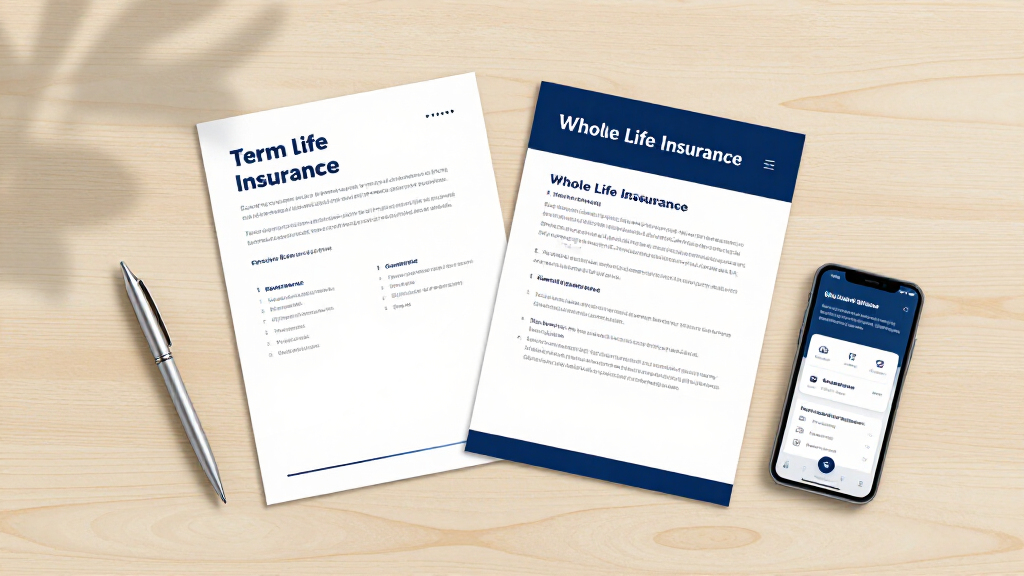
The article presents a side-by-side comparison of term life insurance—which provides coverage for a specified period—and whole life insurance, which offers lifelong coverage with a cash value component. Misty Virgil, an experienced insurance specialist, explains that term policies are generally more affordable and suitable for temporary financial needs, while whole life policies are more expensive but offer additional savings and investment benefits.
According to the analysis, HelloNation emphasizes that choosing between the two depends on individual financial goals, risk tolerance, and budget. The article also highlights that term policies are often used for income replacement during working years, whereas whole life can serve as a long-term asset, estate planning tool, or inheritance vehicle.
The piece includes quotes from Misty Virgil, who states, “Understanding the differences in cost, coverage, and cash value accumulation is crucial for consumers to make informed decisions about their financial security.” The article also notes that the insurance market has seen increased interest in whole life policies as consumers seek more comprehensive financial products.
Why Comparing Life Insurance Types Affects Financial Planning
This comparison matters because the choice between term and whole life insurance impacts long-term financial security, estate planning, and affordability. As consumers face rising costs of living and increased awareness of financial planning, understanding these options helps them align their insurance coverage with their overall financial goals. Misty Virgil’s insights provide valuable guidance for individuals weighing immediate versus lifelong coverage needs.
Popular right now

Shark HydroVac MessMaster Cordless Wet-Dry Vacuum and Mop Combo, AW261

Ninja CREAMi XL Deluxe 11-in-1 Ice Cream and Frozen Treat Maker with Two 24 oz. Tubs

Dreame G10 Pro Wet-Dry Vacuum Mop
As an affiliate, we earn on qualifying purchases.
Market Trends and Consumer Preferences in Life Insurance
In recent years, the insurance industry has seen a shift toward more flexible and comprehensive policies. While term life has traditionally been popular for its affordability, whole life policies have gained traction among consumers seeking lifelong coverage with cash value benefits. Misty Virgil notes that “the market is increasingly recognizing the value of permanent insurance for estate planning and wealth transfer.” The analysis by HelloNation arrives amid broader discussions about financial literacy and the importance of tailored insurance solutions.
„Understanding the differences in cost, coverage, and cash value accumulation is crucial for consumers to make informed decisions about their financial security.“
— Misty Virgil
Unclear Aspects of Long-Term Cost and Policy Suitability
It remains unclear how future interest rate changes, inflation, or evolving market conditions will affect the long-term value and affordability of whole life policies. Additionally, the specific financial needs and preferences of individual consumers can vary widely, making it difficult to prescribe a universally optimal choice. Experts agree that personalized advice remains essential, but detailed guidance is still developing as the market evolves.
Next Steps for Consumers Considering Life Insurance Options
Consumers are encouraged to consult with licensed insurance agents, like Misty Virgil, to evaluate their personal financial situations and goals. Market analysts predict increased product innovation and educational resources to help consumers better understand permanent versus temporary coverage. Additionally, financial advisors may incorporate these insights into broader wealth management strategies.
Key Questions
What are the main differences between term and whole life insurance?
Term life provides coverage for a set period, typically 10-30 years, with lower premiums and no cash value. Whole life offers lifelong coverage with fixed premiums and a cash value component that grows over time.
Which type of insurance is more affordable?
Generally, term life insurance is more affordable due to its limited duration and lack of cash value features. Whole life premiums are higher but include savings and investment benefits.
Can I convert a term policy to a whole life policy?
Some insurers offer conversion options, but terms and conditions vary. It’s important to review your policy details and consult with an agent to understand potential options.
How do cash value components in whole life insurance work?
The cash value accumulates over time, grows tax-deferred, and can be borrowed against or used to pay premiums. Its growth depends on the insurer’s performance and policy terms.
What should I consider when choosing between the two?
Consider your financial goals, budget, need for lifelong coverage, and estate planning intentions. Consulting with a licensed professional can help tailor the right choice for your situation.
Source: primary