
TL;DR
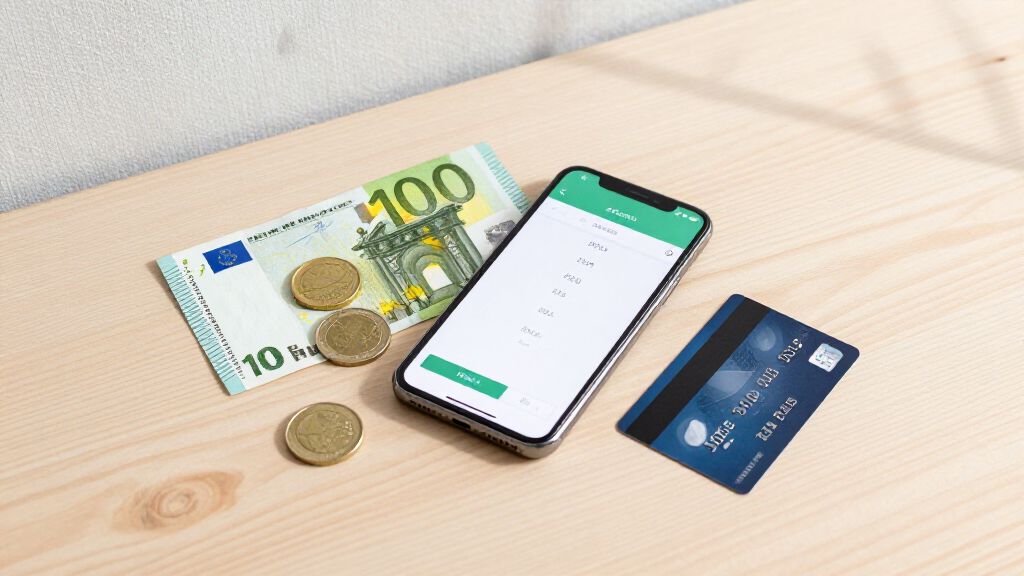
The European Central Bank reports that cash remains the most widely accepted payment method in the euro area. Despite increasing digital transactions, cash continues to dominate daily payments. The development highlights ongoing reliance on physical currency.
The European Central Bank (ECB) has confirmed that cash remains the most widely accepted payment method across the euro area, despite the rise of digital payment options. This development underscores the continued reliance on physical currency among consumers and businesses, even as digital transactions increase.
According to the ECB, cash accounted for the majority of payments in the euro zone during the latest reporting period. The data shows that cash remains the preferred method for a significant portion of everyday transactions, especially in retail and small-value payments.
While digital payment methods such as card payments and mobile banking have seen substantial growth—driven by technological advancements and the COVID-19 pandemic—the ECB emphasizes that cash still plays a critical role in the euro area’s payment ecosystem. The central bank’s report indicates that cash acceptance is widespread, with most merchants and service providers still ready to accept physical currency.
This confirmation aligns with recent surveys indicating that consumers value cash for its immediacy, privacy, and accessibility, particularly among older populations and in regions with less digital infrastructure.
Why Continued Cash Use Affects Euro Area Payments
The confirmation that cash remains the dominant payment method in the euro area has important implications for financial policy, retail strategies, and digital infrastructure development. It highlights that policymakers and financial institutions must continue supporting cash infrastructure and ensuring its accessibility.
For consumers, especially those less comfortable with digital technology or without access to banking services, cash remains a vital payment option. For businesses, maintaining cash acceptance is essential to serve all customer segments effectively.
This ongoing reliance on cash also influences debates on digital currency policies, privacy concerns, and the future of cashless societies within the euro zone.
As an affiliate, we earn on qualifying purchases.
Recent Trends in Payment Methods in the Eurozone
Over the past decade, digital payments have expanded rapidly across the euro area, driven by innovations such as contactless cards, mobile wallets, and online banking. The COVID-19 pandemic accelerated this shift, with many consumers and merchants favoring contactless and digital options for safety reasons.
Despite this trend, the ECB’s latest data confirms that cash remains a significant part of daily transactions. Previous reports indicated a gradual decline in cash usage, but the recent confirmation suggests a more stable role for physical currency than some analysts predicted. The ECB’s ongoing monitoring aims to assess how digital adoption influences cash acceptance over time.
It is worth noting that some countries within the euro zone have higher cash usage rates than others, often correlating with regional infrastructure and demographic factors.
„Cash remains the most widely accepted payment method across the euro area, despite the growth of digital alternatives.“
— European Central Bank spokesperson
As an affiliate, we earn on qualifying purchases.
Unclear Impact of Digital Payments on Cash Usage
While the ECB confirms cash’s dominance now, it is still uncertain how this will evolve in the coming years. The pace of digital payment adoption continues to accelerate, and future shifts in consumer preferences or regulatory changes could alter the landscape.
It is also unclear whether cash’s current dominance will persist amid ongoing technological innovations and potential policy moves toward cashless societies.
cash handling and counting machine
As an affiliate, we earn on qualifying purchases.
As an affiliate, we earn on qualifying purchases.
Monitoring Payment Trends and Policy Responses
The ECB and national regulators will likely continue tracking payment method trends through upcoming reports. They may also consider policies to ensure cash accessibility or to promote digital payment security and interoperability.
Further research and surveys are expected to clarify how consumer preferences evolve and whether cash’s role diminishes significantly in the future.
As an affiliate, we earn on qualifying purchases.
Key Questions
Why does cash still dominate in the euro area?
Cash remains popular for its immediacy, privacy, and accessibility, especially among certain demographics and in regions with less digital infrastructure.
Will cash continue to be widely accepted in the future?
It is uncertain. While current data shows cash’s dominance, ongoing digital payment growth and policy developments could change this balance over time.
How does digital payment growth affect cash use?
Digital payments are increasing rapidly, but cash still plays a vital role, especially for small transactions and populations less engaged with digital technology.
Are there regional differences in cash usage within the euro zone?
Yes, some countries and regions have higher cash usage rates, often linked to infrastructure, demographics, and cultural preferences.
What are the implications for policymakers?
Policymakers need to balance supporting digital innovation with ensuring access to cash for those who rely on it, maintaining financial inclusion and privacy standards.
Source: primary