
TL;DR
AI microphones are transforming streaming and podcasting in 2026 by providing advanced noise reduction, adaptive sound optimization, and intuitive controls. This development promises higher audio quality and easier setup for creators, but details about their widespread adoption and affordability are still emerging.
AI-driven microphones are now being adopted by leading audio brands in 2026, promising to deliver superior sound quality and simplified setup for streamers and podcasters. These microphones incorporate artificial intelligence to automatically optimize audio, reduce background noise, and adapt to different environments, making professional-quality broadcasting more accessible than ever.
Several major companies, including Logitech, Blue Microphones, and new startups, have announced AI-integrated microphones that leverage machine learning algorithms to enhance audio clarity and user control. Learn more about the best options in the top USB microphones guide. These devices feature adaptive noise cancellation, real-time sound tuning, and intuitive interfaces that adjust settings automatically or via voice commands.
For example, the Logitech Blue Yeti X now includes AI-based noise suppression that dynamically filters out keyboard sounds, fan noise, and room echo, which are common issues for home streamers. Other models are equipped with AI-driven voice enhancement, making voices sound richer and more professional without complex manual adjustments.
Industry experts say these innovations are set to lower the barrier for high-quality content creation, especially for those working in less-than-ideal acoustic environments. This trend is covered in more detail in this comprehensive review. The integration of AI into microphones is seen as a key step in democratizing professional-grade audio for a broader audience.
Why AI Microphones Will Change Streaming and Podcasting
The adoption of AI microphones in 2026 marks a significant shift in how creators produce audio content. These devices promise to deliver consistent, studio-quality sound with minimal effort, reducing the need for expensive soundproofing or post-production editing. For streamers and podcasters, this means fewer technical hurdles and more focus on content.
Moreover, AI features like automatic noise reduction and voice optimization can improve accessibility for users with less technical expertise, broadening the range of creators who can produce professional-sounding content. This evolution could also influence industry standards, pushing competitors to adopt similar smart technologies.
Overall, AI microphones are poised to enhance user experience, boost content quality, and accelerate the growth of digital media creation in 2026 and beyond.
As an affiliate, we earn on qualifying purchases.
The Evolution of Microphones and AI Integration
Traditional microphones relied on static hardware specifications, such as capsule quality and pickup patterns, to determine sound quality. Over the past decade, improvements in hardware design, digital processing, and software integration have gradually enhanced performance. However, the real breakthrough came with the emergence of artificial intelligence.
In recent years, AI has been incorporated into audio processing software, but 2026 marks the first wave of microphones that embed these capabilities directly into their hardware. Early models focused on noise cancellation and voice clarity, but now, AI algorithms can dynamically adapt to different environments, detect multiple speakers, and even customize sound profiles based on user preferences. This trend reflects a broader shift toward smarter, more autonomous audio devices.
Major brands like Logitech and Blue have led the charge, integrating AI features into their flagship models, signaling a new era for content creators seeking professional results with minimal technical setup.
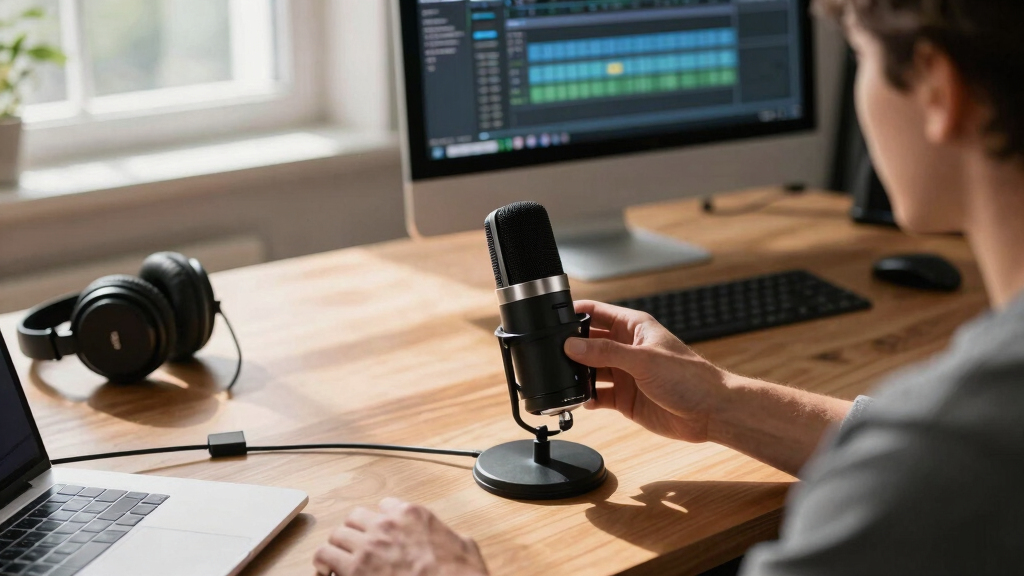
USB podcast microphone with noise cancellation
As an affiliate, we earn on qualifying purchases.
As an affiliate, we earn on qualifying purchases.
Unanswered Questions About AI Microphone Adoption
While several companies have announced AI microphone models for 2026, details about their pricing, availability, and long-term durability remain unclear. It is also uncertain how quickly these advanced devices will become mainstream, especially among budget-conscious creators. Additionally, questions about privacy concerns related to AI data processing are still being discussed among industry stakeholders.
As an affiliate, we earn on qualifying purchases.
Upcoming Releases and Industry Adoption Milestones
In the coming months, expect major brands to launch new AI microphones with enhanced features and more competitive pricing. Industry analysts anticipate broad adoption as creators seek to upgrade their setups, and AI software updates may extend to existing models through firmware. Monitoring these developments will reveal how quickly AI microphones become standard in streaming and podcasting workflows.
As an affiliate, we earn on qualifying purchases.
Key Questions
How do AI microphones improve audio quality?
AI microphones use machine learning algorithms to automatically reduce background noise, optimize voice clarity, and adapt to different environments, resulting in clearer, more professional sound.
Are AI microphones affordable for casual streamers?
Pricing details are still emerging, but early models are expected to be competitively priced, making advanced AI features accessible to a wide range of users.
Will AI microphones replace traditional models?
While AI microphones offer significant advantages, traditional microphones will still be used in professional studios or specific applications where manual control is preferred. AI features are expected to complement existing options rather than replace them entirely.
What privacy concerns are associated with AI microphones?
Some industry experts warn that AI processing involves data collection and analysis, raising questions about user privacy and data security. Companies are expected to address these concerns with transparent policies.
Source: ThorstenMeyerAI.com