
🔍 Read the full analysis: AI Voice Cloning Software: 12 Guides For Your 2027 Reading List on ThorstenMeyerAI.com
TL;DR
ThorstenMeyerAI.com has published a 12-title reading list for people learning about AI voice cloning, ranking resources by their apparent learning value and intended audience. The listings are books and guides, not software; the source highlights hosted ElevenLabs workflows, local Python implementation and beginner-oriented introductions, but provides no current product testing or detailed review of all 12 titles.
ThorstenMeyerAI.com has published a 12-title reading list for people learning AI voice cloning, recommending resources for hosted services, local coding and beginner projects. The list compares books and guides, not voice-cloning software, so it does not establish which tools currently perform best or what features they offer.
The source names Mastering ElevenLabs as its overall learning pick, citing its coverage of cloning alongside generation, dubbing and audio production. It describes AI Voice Cloning with Python as a closer fit for readers who want to build a local engine, while Clone Your Voice: Easy, No Studio is presented as an accessible starting point for a first project. The source also identifies ElevenLabs for Beginners 2026 as an accessibility-focused title.
ThorstenMeyerAI.com says its ranking reflects how directly each title addresses voice-cloning workflows, the fit between its stated scope and a reader’s skill level, and coverage of related work such as narration, editing, dubbing and deployment. It favors practical workflow coverage for a general-purpose pick, but says a focused title may be more useful for a specific task.
The supplied source material does not identify the other titles in the 12-book lineup or give full descriptions of each. It also says the list does not compare voice fidelity, latency, licensing, security or subscription features, which depend on the software chosen and may change. The ranking is presented as an assessment of learning resources, not the result of software performance tests.
The 12 picks
- 1
 Clone Your Voice: Easy, No Studio: The Weekend Guide to AI Voice CloningView on Amazon →
- 2
 Mastering ElevenLabs: A Practical Guide to AI Voice Generation, Voice Cloning…View on Amazon →
- 3
 Suno AI Music Bible: A Guide to Prompt Engineering, Suno Studio, Voice Clonin…View on Amazon →
- 4
 The Complete Guide to ElevenLabs: AI Voice and Audio CreationView on Amazon →
- 5
 AI for Caveman: Build Your Own Forge to Run LLMs, Stable Diffusion, and Voice…View on Amazon →
- 6
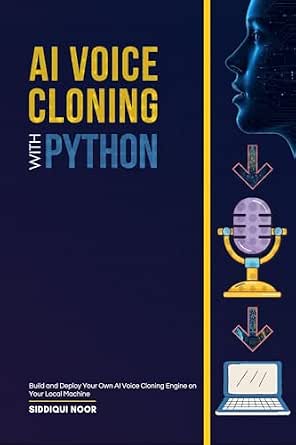 AI Voice Cloning with Python: Build and Deploy a Local Voice Cloning EngineView on Amazon →
- 7
 ElevenLabs: A Complete Guide to AI Voice Generation and CloningView on Amazon →
- 8
 The AI Voice Creator’s Handbook: A Practical Guide to Voice Generation, Cloni…View on Amazon →
- 9
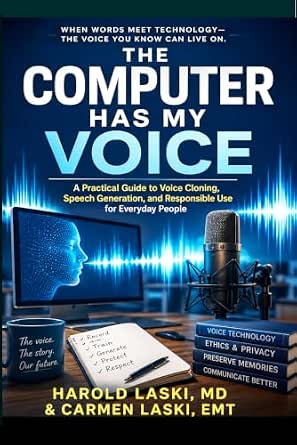 The Computer Has My Voice: An Independent Guide to Voice Cloning, Speech Gene…View on Amazon →
- 10
 AI Voice Cloning: The Complete Guide to ElevenLabs and BeyondView on Amazon →
- 11
 Audio AI for Beginners: Generative AI for Voice Recognition, Text-to-Speech,…View on Amazon →
- 12
 ElevenLabs for Beginners 2026: A Step-by-Step Guide to AI Voice GenerationView on Amazon →
Choosing the Right Learning Path
The list’s main value is helping readers distinguish between learning a hosted platform and taking on a local, coding-based workflow. Those approaches involve different levels of setup and control. A reader seeking a quick narration project may find a Python-centered book unnecessarily demanding; someone trying to understand or build an implementation may get little from a basic platform walkthrough.
The distinction also helps set expectations before purchase. A guide can explain a process, but it does not provide access to a cloning tool or establish that a particular service remains available, secure or suitable. Readers still need to check a chosen tool’s current capabilities and requirements separately. For voice projects, the source also advises considering speaker permission, data handling and permitted use before uploading recordings or creating a clone.
Popular right now

LG 55-Inch QNED73B Mini LED 4K Smart TV (2026)

De'Longhi Stilosa Compact Manual Espresso Machine with Milk Frother

Bose QuietComfort Wireless Over-Ear Noise-Cancelling Headphones, Sandstone
As an affiliate, we earn on qualifying purchases.
How the List Was Ranked
ThorstenMeyerAI.com says it ordered the resources by their apparent usefulness as learning materials, with topic fit, accessibility and technical depth shaping each title’s role. It gives broader coverage credit when it stays focused on voice and audio creation, while acknowledging that a narrower book can better serve a reader with one defined goal.
The source separates these judgments from software comparisons. It says the listed products are books and guides rather than platforms, so the ranking does not assess the quality of generated voices or compare providers’ privacy and commercial-use terms. Its advice is to check a guide’s contents and confirm that its examples match the software or model a reader intends to use.
„The main tradeoff is between a guided path through a hosted service and the extra control—and setup work—of a local workflow.“
— ThorstenMeyerAI.com
What the Ranking Does Not Establish
The source material does not provide the names or individual assessments of all 12 titles, a publication date, or evidence from testing the books or software. It is also unclear which editions, platforms or model versions the guides cover and whether their instructions remain current. Readers should check a book’s contents and publication details before buying.
The list does not establish whether a particular cloning service meets a reader’s standards for voice quality, privacy, licensing or commercial use. Those details are outside its stated ranking criteria and may change by provider. The source advises readers to verify current service documentation and data policies independently.
Checks Before Choosing a Guide
Readers can start by deciding whether they want a hosted-service walkthrough, a beginner project or a local implementation, then compare that goal with each guide’s contents and technical requirements. Before using a service, they should check its current account and tool requirements, consent rules, data storage practices and permitted uses.
No follow-up testing, new edition or software update is announced in the supplied material. The practical next step is to verify that a guide’s examples still match the chosen tool, then consult the provider’s current documentation. Permission from the speaker should be settled before recording or cloning a voice.
Key Questions
Are the 12 listings voice-cloning software?
No. The source describes them as books and guides that teach workflows. Readers must select a separate service or local model and check its current features.
Which guide does the source rank first?
ThorstenMeyerAI.com names Mastering ElevenLabs as its overall learning pick, citing its coverage of cloning, generation, dubbing and audio production.
Which title is aimed at local implementation?
The source presents AI Voice Cloning with Python as the closer match for readers seeking to build a local engine. That path may require coding, setup and troubleshooting.
Does the ranking compare voice quality or privacy?
No. The source says it ranked learning resources rather than software performance, and did not compare voice fidelity, security, licensing or subscription features.
What should readers check before cloning a voice?
Readers should obtain the speaker’s permission and review the chosen provider’s consent rules, data practices and permitted uses. A local workflow does not remove the need to use a voice responsibly.
Source: ThorstenMeyerAI.com