📊 Full opportunity report: Simplify And Improve Gauge Reading With Phone-Photo Technology on IdeaNavigator AI — validation score, market gap, and execution plan.
TL;DR
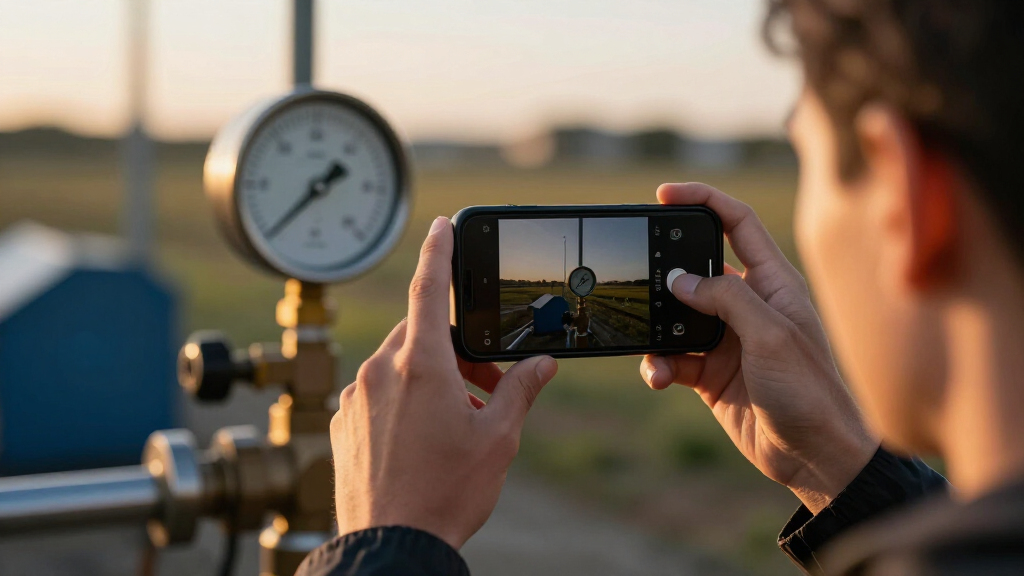
A new phone-photo application allows industrial facilities to digitize gauge readings from analog instruments. This approach aims to reduce errors, enhance data tracking, and cut costs compared to installing IoT sensors. Validation is underway at three facilities to assess its effectiveness.
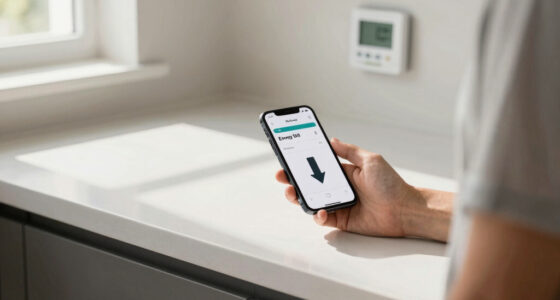
IdeaNavigator AI has introduced a phone-photo gauge reading system designed to replace traditional clipboard rounds in industrial facilities. This technology captures images of analog gauges with smartphones, automatically reads the values, and logs data with timestamps and locations. The development aims to address longstanding issues with manual transcription errors and lack of data trending, offering a cost-effective alternative to retrofitting legacy equipment with IoT sensors.
The new system is targeted at plant and facilities managers whose technicians conduct daily rounds, often recording gauge readings on paper that are filed without further analysis. This manual process can lead to transcription errors and missed early signs of equipment failure. The phone-photo solution leverages recent advances in vision models that reliably read analog dials, sight glasses, and counters from standard phone images, making it feasible to turn existing gauges into data sources without hardware upgrades.
In practice, technicians photograph each gauge during their rounds; an app then automatically extracts the reading, compares it to expected ranges, and logs it with precise timestamps and geolocation. The system flags anomalies immediately, enabling early intervention. It also builds a trend history, which has traditionally been unavailable with manual transcription. The initial pilot involves three facilities, where parallel gauge readings are compared over a month to evaluate error rates and the system’s ability to detect issues early.
Revenue models are based on a per-facility monthly subscription, tiered by the number of gauges monitored. The approach offers a low-cost, scalable way to improve data accuracy and operational insight for legacy systems, which often lack digital interfaces.
Potential Impact on Industrial Data Management
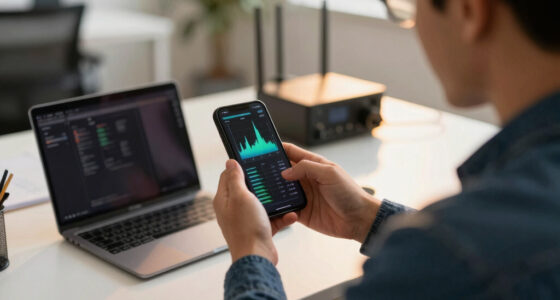
This technology could significantly improve the accuracy and timeliness of gauge data in industrial operations, leading to better maintenance decisions, reduced downtime, and lower operational costs. By converting existing gauges into digital data sources without hardware upgrades, facilities can avoid the high costs associated with installing IoT sensors across legacy equipment. Early detection of anomalies through trend analysis could prevent costly failures, making this a valuable tool for plant managers and maintenance teams.
Furthermore, the system’s ability to automatically log and analyze gauge readings may transform manual inspection routines into continuous, data-driven processes. This shift could enhance overall operational efficiency and safety, especially in facilities where manual transcription errors have historically hindered maintenance planning.
industrial gauge photo reading app
As an affiliate, we earn on qualifying purchases.
As an affiliate, we earn on qualifying purchases.
Legacy Equipment and the Need for Cost-Effective Data Solutions
Many industrial facilities rely on analog gauges for critical measurements, but traditional methods of recording these readings are prone to errors and lack data continuity. Installing IoT sensors on legacy equipment is often prohibitively expensive, especially for smaller or older facilities. Consequently, operators have limited visibility into equipment trends, which hampers predictive maintenance and early failure detection.
Recent advances in computer vision have made it possible to accurately read analog gauges from simple phone photos, opening a new pathway for digitizing existing equipment. Pilot programs like the one from IdeaNavigator AI are testing this approach as a practical, scalable solution to bridge the digital gap in industrial data collection.
Initial testing involves comparing the accuracy and anomaly detection capabilities of the phone-photo system against manual transcription over a month period at three facilities. These early results will determine whether the technology can replace or supplement existing routines effectively.
smartphone gauge reader for industrial equipment
As an affiliate, we earn on qualifying purchases.
As an affiliate, we earn on qualifying purchases.
Effectiveness and Adoption Challenges Still Unclear
It is not yet confirmed how accurately the phone-photo system will perform across diverse gauges and lighting conditions. The pilot results over the next month will provide initial data, but broader validation is needed to assess reliability, scalability, and integration with existing maintenance workflows. Additionally, user acceptance and training requirements remain to be evaluated as part of the deployment process.
As an affiliate, we earn on qualifying purchases.
Next Steps: Broader Testing and Validation Results
Following the current pilot at three facilities, IdeaNavigator AI plans to analyze error rates and anomaly detection efficacy. If successful, the company will seek to expand testing to more sites and refine the app’s features. A full rollout could occur within the next six months, pending validation outcomes and customer feedback. Further development may also include integrating the system with existing maintenance management platforms.
As an affiliate, we earn on qualifying purchases.
Key Questions
How accurate is the phone-photo gauge reading system?
Initial tests suggest high accuracy, but comprehensive validation over the next month will determine its reliability across different gauges and lighting conditions.
Can this system replace all manual gauge readings?
It is intended as a supplement or replacement for manual transcription, especially in routine daily rounds, but full replacement depends on validation results and user acceptance.
What are the cost implications for facilities?
The system operates on a subscription model, offering a low-cost alternative to installing IoT sensors, with costs scaling based on the number of gauges monitored.
Will this technology work with all types of gauges?
The system is designed to work with standard analog gauges, sight glasses, and counters, but its effectiveness may vary depending on gauge design and environmental conditions.
When will the full results of the pilot be available?
The pilot is ongoing, with results expected after one month of parallel testing at the participating facilities.
Source: IdeaNavigator AI