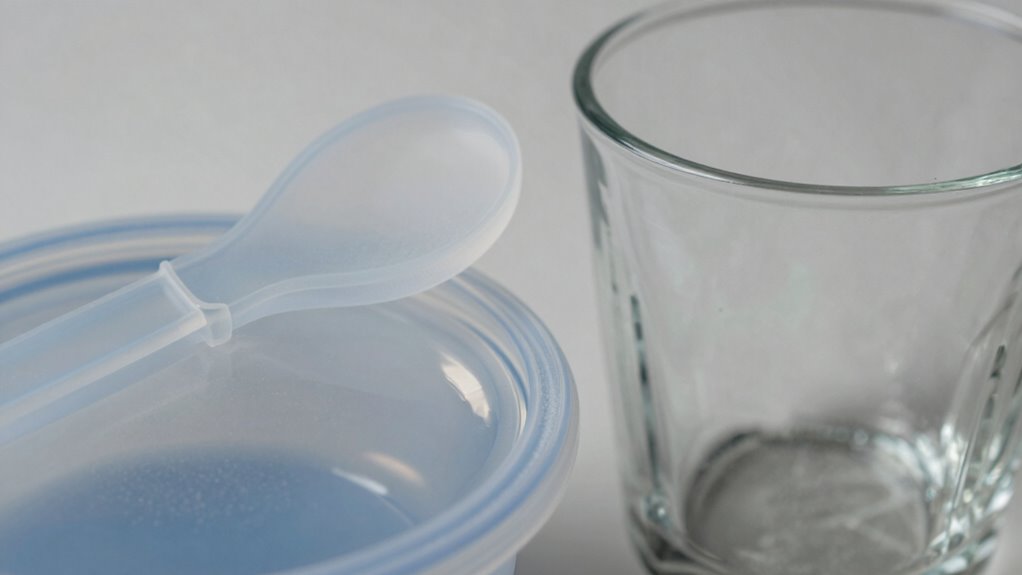

When choosing between silicone, plastic, and glass, each has unique trade-offs. Silicone offers durability, flexibility, and heat resistance but isn’t widely recycled and may leach additives. Plastic is lightweight and affordable but can harbor chemicals and degrade faster. Glass is eco-friendly, safe, and long-lasting but fragile and heavier. Understanding their safety, environmental impact, and practical use can help you pick the best option—if you want detailed insights, keep exploring.
Key Takeaways
- Silicone offers superior durability and flexibility but is less recyclable and may leach additives under certain conditions.
- Glass is safest for food contact with low chemical leachability but is heavier and prone to shattering.
- Plastic is lightweight and inexpensive but has environmental concerns, potential chemical risks, and shorter lifespan.
- Silicone and glass tend to be more durable long-term, making them cost-effective despite higher initial prices.
- Material choice involves trade-offs between safety, environmental impact, longevity, and aesthetic preferences.
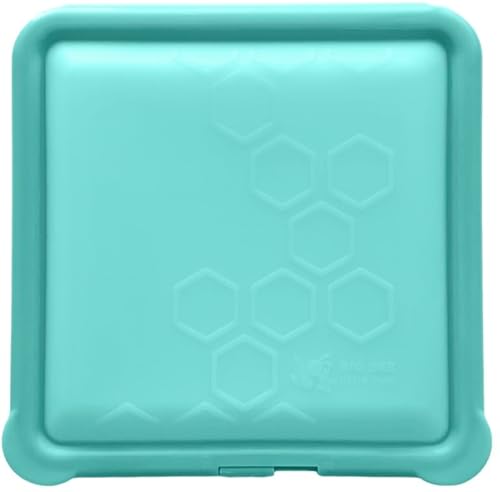
Big Bee, Little Bee SoftShell Reusable Silicone Food Storage Container – Clamshell Snap-Close Design, No Lost Lids, Easy to Clean, Compact for Travel, Meal Prep, Microwave Freezer and Dishwasher Safe
- Connected Clamshell Design: Lid stays attached, no lost lids
- Secure Slide-Lock: Resists spills and holds thicker condiments
- Easy to Clean: Dishwasher safe, wide opening, quick drying
As an affiliate, we earn on qualifying purchases.
As an affiliate, we earn on qualifying purchases.
What Are Silicone, Plastic, and Glass Containers: And How Do They Differ?
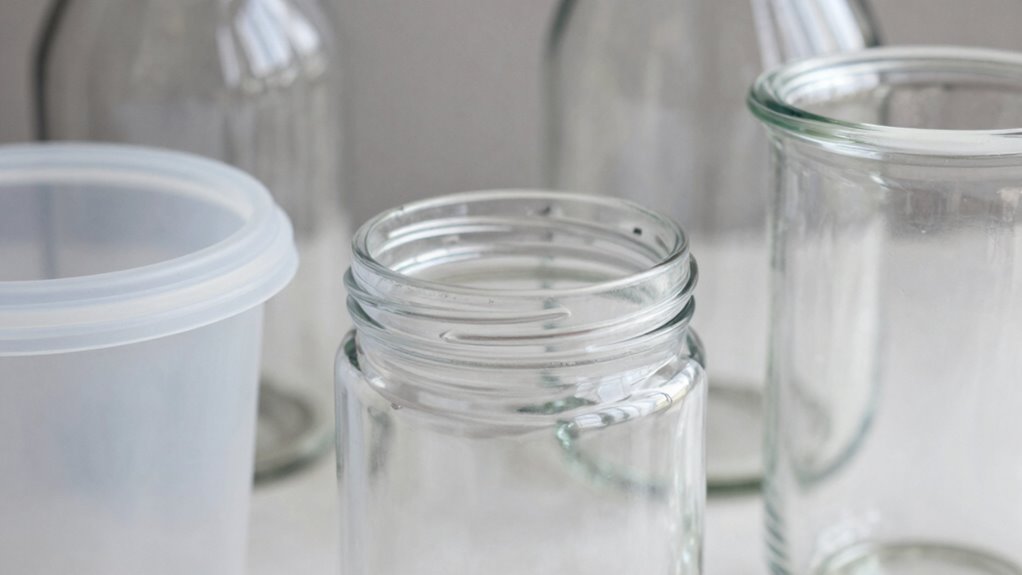
Silicone, plastic, and glass containers each serve as popular options for storing food and beverages, but they differ markedly in material composition and manufacturing processes. Silicone is made from a flexible, synthetic polymer derived from silica, combining elements of silicon, oxygen, carbon, and hydrogen. Its manufacturing involves mixing silicone polymers with curing agents, then molding or extruding into shapes. Plastic containers are composed of various polymers like polyethylene or polypropylene, created through polymerization processes that link monomers into long chains. Glass containers are made from silica sand, soda ash, and limestone, melted at high temperatures in a furnace, then poured into molds. These fundamental differences in material composition and manufacturing processes influence each material’s durability, flexibility, and thermal properties. Additionally, the manufacturing techniques used for each material impact their environmental footprint and potential for recycling.

ComSaf Glass Pantry Storage Containers (0.7Qt/1.2Qt/1.6Qt) Set of 6, Square
- Complete 3-Size Set: Includes three sizes for versatile storage
- Food-Grade, Temperature Resistant Glass: Made from durable, high-borosilicate glass
- Dishwasher Safe Glass: Easy to clean and maintain
As an affiliate, we earn on qualifying purchases.
As an affiliate, we earn on qualifying purchases.
Are These Materials Safe for Food Contact? Safety Considerations
You might wonder if these materials are safe to use with food. Plastics, in particular, have raised concerns about BPA and other chemical leachability risks. It’s important to understand the safety considerations for each material before making your choice. Additionally, proper sanitation and maintenance are essential to prevent contamination when using these materials in food-contact applications material safety standards. Being aware of chemical leaching risks can help you make more informed decisions about food storage options. Understanding food contact safety standards can provide further insights into safe and reliable food storage solutions. Furthermore, selecting materials with high durability can ensure long-term safety and performance in food contact scenarios.
BPA Concerns in Plastics
Are BPA concerns in plastics a valid reason to avoid using certain food containers? Many plastics contain BPA, a chemical linked to health issues. Choosing BPA free options helps reduce exposure, especially for food contact. However, not all plastics are equal; some are labeled for easy plastic recycling, but their safety varies. Here’s a quick look:
| Plastic Type | BPA Content | Recycling Code |
|---|---|---|
| Polycarbonate | High BPA | 7 |
| PETE | No BPA | 1 |
| HDPE | No BPA | 2 |
| PVC | Possible BPA | 3 |
While BPA-free plastics are safer, understanding labels and recycling codes helps you make informed choices. Avoiding BPA in plastics minimizes health risks, but always check for certifications to guarantee safety. Additionally, researching material safety can provide further guidance on choosing safer food contact containers.
Chemical Leachability Risks
Understanding chemical leachability is essential when evaluating the safety of food contact materials. Chemical leachability refers to the potential for substances to migrate from the material into your food or drink. Different materials exhibit varying levels of material migration, impacting safety. Plastics, for example, may release chemicals like phthalates or residual monomers, especially when heated or reused frequently. Glass generally has low chemical leachability, making it a safer choice for maintaining food purity. Silicone, while heat-resistant, can still leach siloxanes or other additives under certain conditions. Being aware of these risks helps you make informed decisions about which material to use, especially for storing or heating food. Incorporating smart kitchen appliances that monitor temperature and material safety can further reduce risks associated with chemical leaching. Additionally, understanding the long-term effects of chemical migration is crucial for maintaining overall health and safety in food storage.

Canfanni 40 Piece Food Storage Containers with Lids, BPA-Free
- Complete Set of Food Containers: Includes 20 containers, 20 lids, labels, and marker
- Variety of Sizes and Shapes: Rectangular, square, round, and sauce boxes
- BPA-Free and Food Grade Material: Made from durable, transparent, BPA-free plastic
As an affiliate, we earn on qualifying purchases.
As an affiliate, we earn on qualifying purchases.
Which Material Lasts Longer? Durability and Longevity
When considering durability, you’ll want to think about how each material withstands daily use and wear over time. Silicone, plastic, and glass each have different strengths and weaknesses in resisting scratches, cracks, or deformation. Understanding these differences helps you choose the most long-lasting option for your needs. Additionally, factors like material longevity and resistance to environmental stressors can significantly influence how well each material performs over years of use.
Durability in Daily Use
Among the three materials, silicone generally outperforms plastic and glass in daily durability because it resists cracking, chipping, and breaking better over time. Its material longevity makes it ideal for everyday use, especially when subjected to bumps and drops. Silicone’s wear resistance ensures it maintains its flexibility and integrity longer, even after repeated use. Unlike glass, which can shatter, silicone absorbs impacts without cracking, and unlike plastic, it doesn’t easily warp or degrade. This resilience means you won’t need to replace silicone items as often, saving you money and hassle. Additionally, silicone’s flexibility and resilience are key benefits that contribute to its long-term performance that is backed by material science research. Its resistance to UV degradation further enhances its suitability for daily use in various environments. The cost-effectiveness of silicone also makes it a practical choice for consumers seeking durability without a high price tag. Overall, silicone’s durability in daily use makes it a reliable choice for long-term performance, standing up well to the wear and tear of regular handling.
Material Wear and Tear
While all three materials—silicone, plastic, and glass—wear down over time, silicone typically lasts the longest because it resists deformation and degradation better than plastic and glass. Its durability is less affected by manufacture defects, which can weaken other materials early on. Silicone’s flexibility and resilience improve its resistance to cracks and chips, especially when compatible with various products. Material compatibility plays a role in longevity; using silicone with compatible cleaning agents and avoiding harsh chemicals prevents premature wear. Material durability is a key factor in choosing the right material for long-term use. Plastic may become brittle or warp with age, while glass can chip or shatter under impact. Overall, silicone’s superior resistance to wear and tear makes it the most durable choice over the long haul, provided it’s manufactured properly and used within its material limits. Additionally, understanding the material wear and tear helps consumers make informed decisions based on longevity and durability. Proper material selection also influences how well each material withstands environmental factors like temperature fluctuations and UV exposure. Longevity can also be affected by the quality of manufacturing, which varies between brands and product lines.

Reusable Silicone Drinking Straws 10" Long Set of 5 | Free Cleaning Brush
- Extra-Wide Design: Ideal for smoothies and shakes
- Easy to Clean: Includes free brush and dishwasher safe
- Risk-Free Purchase: Money-back guarantee
As an affiliate, we earn on qualifying purchases.
As an affiliate, we earn on qualifying purchases.
How Eco-Friendly Are Silicone, Plastic, and Glass? Environmental Impact
Understanding the environmental impact of silicone, plastic, and glass helps you make more eco-conscious choices. Each material presents unique challenges. Plastic often faces recycling challenges because many types are difficult to process and may end up in landfills or oceans, harming ecosystems. Its biodegradability rates are slow, meaning plastics can persist for hundreds of years. Glass, on the other hand, is highly recyclable and has better biodegradability rates, but its production consumes significant energy and emits greenhouse gases. Silicone is durable and reusable but isn’t widely recycled, which can lead to waste. While all three materials have environmental drawbacks, glass generally offers the most eco-friendly profile, especially with proper recycling. Additionally, the advanced manufacturing techniques used in producing corrugated rolls can improve durability and sustainability, further reducing environmental impact. Your choice impacts waste reduction and resource conservation efforts.
What Do They Cost, and Which Offers the Best Value? Price and Long-Term Savings
When comparing silicone, plastic, and glass, cost and long-term value play a significant role in choosing the right material for your needs. A pricing comparison shows that plastic is typically the cheapest upfront, but it may require replacement sooner, reducing long term savings. Glass usually costs more initially but lasts longer and is easier to clean, offering better long-term value. Silicone falls in between, with moderate upfront costs and good durability. If you prioritize affordability, plastic might seem best, but over time, durability and reusability make glass and silicone more cost-effective. Considering the performance ratings of these materials can help you make an informed decision. If you prioritize durability and long-term savings, investing a little more upfront can save you money in the long run. Additionally, understanding the cost-effectiveness of each material can guide smarter purchasing decisions. Recognizing how these materials perform in real-world conditions can also influence your choice and ensure you select the most cost-efficient option for your needs.
When Should You Choose Silicone, Plastic, or Glass? Practical Use Cases
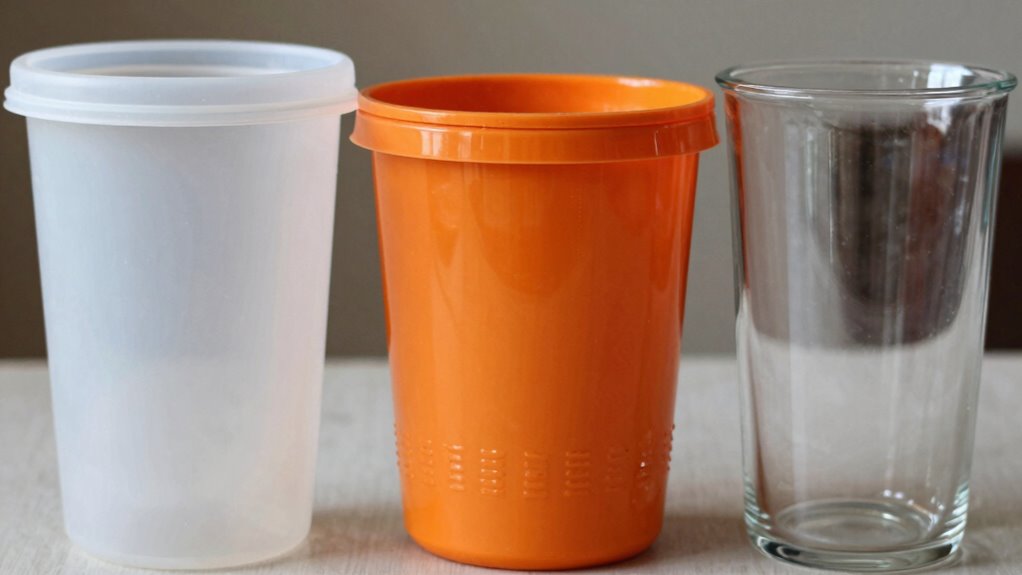
Choosing the right material depends on your specific needs and how you’ll use the item daily. If you prioritize food preservation, glass is ideal because it’s non-reactive and preserves flavor without absorbing odors. It’s perfect for storing leftovers or snacks, especially if you value aesthetic appeal, as glass containers look sleek and elegant. Silicone is a great choice for versatile, flexible options like collapsible containers or baking molds, especially if you need durability and heat resistance. Plastic works well for lightweight, portable options, particularly when you need impact resistance and affordability, though it may compromise food preservation quality over time. Consider your priorities—whether aesthetic appeal, ease of use, or preservation—to choose the material that best fits your practical use case.
How Easy Is It to Clean and Maintain These Containers? Tips and Tricks
Cleaning and maintaining your containers depends largely on the material they’re made of, but overall, some tips can make the process easier regardless of type. For better cleaning ease, wash containers promptly after use to prevent stains or odors from setting in. Use warm, soapy water and a brush or sponge suited for the material—soft for glass and silicone, more abrasive for plastic if needed. Maintenance tips include avoiding harsh chemicals that can degrade plastic or silicone, and avoiding sudden temperature changes that might cause cracking. For glass, regularly check for chips or cracks. Silicone containers are dishwasher safe, but hand washing extends their lifespan. Proper storage and occasional deep cleaning keep your containers in top shape, regardless of whether they’re silicone, plastic, or glass. Additionally, understanding the lease terms can help you manage the use and return of leased items more effectively. Incorporating proper cleaning techniques tailored for each material can also prevent damage and extend the lifespan of your containers. To further preserve their quality, consider using the right cleaning tools designed for each material type, which can make the process more efficient.
How to Decide Which Material Is Right for You: Weighing the Trade-Offs
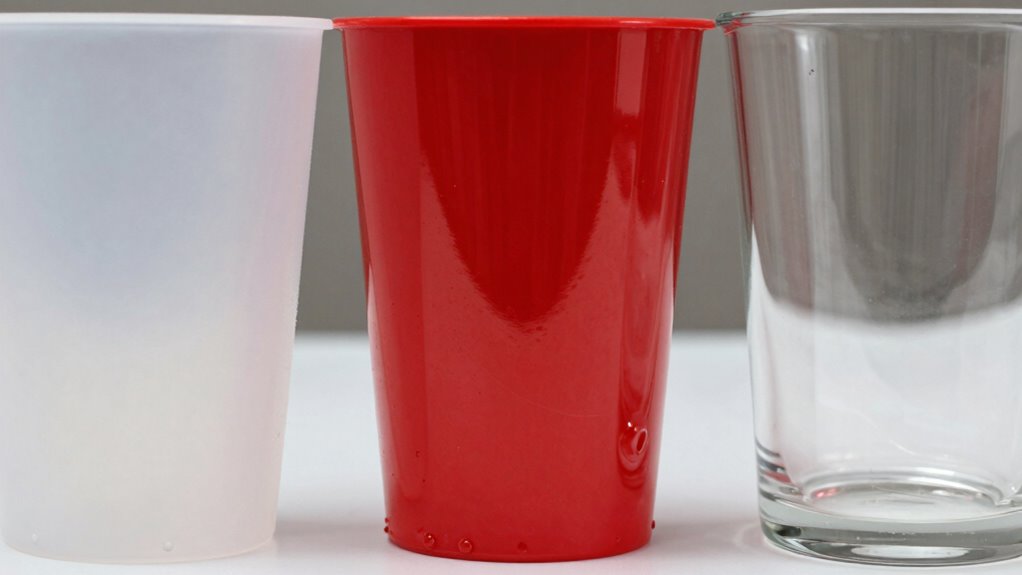
Deciding which material is best for your containers depends on your priorities and typical use. Material aesthetics play a big role—glass offers a sleek, timeless look, while silicone and plastic provide flexibility and color options. Consider how each material aligns with your brand reputation; if durability and safety are key, glass is often seen as premium, whereas silicone is valued for its versatility. Think about how you’ll use the containers: for daily meals, silicone’s lightweight and resilience might be ideal, but for presentation, glass’s clarity adds appeal. Ultimately, weigh these trade-offs based on your needs: durability, appearance, ease of use, and how your choice reflects your brand’s image. This helps ensure you select the right material for your lifestyle and goals.
Frequently Asked Questions
Can Silicone, Plastic, or Glass Withstand Extreme Temperature Changes?
You’ll find silicone handles extreme temperature changes better than plastic or glass because of its superior thermal expansion and material durability. Silicone can typically withstand a wider temperature range without cracking or warping, making it ideal for hot or cold environments. Plastic may crack under rapid temperature shifts, while glass is more prone to breakage. So, for durability and temperature resilience, silicone is your best choice.
Are There Any Health Risks Associated With Long-Term Use of These Materials?
You might worry about health concerns from long-term exposure to these materials. While silicone and glass are generally considered safe, plastic can sometimes leach chemicals over time, especially with heat or wear. These risks are usually minimal if you choose high-quality, food-grade options and avoid overheating. Still, staying aware of potential long-term health concerns helps you make informed choices and reduces anxiety about your daily use.
How Do These Containers Perform in Microwave or Dishwasher Settings?
You’ll find that glass containers are microwave-safe and handle dishwasher cycles well, making them reliable for heating and cleaning. Plastic options vary; check for microwave safety labels because some plastics warp or release chemicals when heated. Silicone containers generally withstand microwave use and are dishwasher durable, but always verify the manufacturer’s instructions. Overall, glass tends to offer the best combination of microwave safety and dishwasher durability, especially for long-term use.
What Recycling Options Are Available for Each Material?
When it comes to recycling options, you’re in the driver’s seat. Glass is widely accepted in recycling programs, making eco-friendly disposal straightforward. Plastic’s recyclability varies by type and local programs, so check your community’s guidelines. Silicone is less commonly recycled but can often be repurposed or sent to specialized facilities. To keep your impact low, prioritize containers that fit into your local recycling system—think of it as hitting two birds with one stone.
Do These Materials Affect the Taste or Smell of Stored Food?
You might notice that silicone, plastic, or glass can affect taste preservation and odor retention. Silicone and plastic containers sometimes absorb odors or flavors over time, which can transfer to your food, impacting taste. Glass, however, generally doesn’t retain smells or flavors, making it ideal for preserving taste. If you’re sensitive to odors or want to keep flavors fresh, opt for glass, but remember that silicone and plastic might require more thorough cleaning.
Conclusion
Choosing between silicone, plastic, and glass ultimately depends on your priorities. Think of it as finding the perfect tool for your needs—each has its superpowers and quirks. Whether you want durability, eco-friendliness, or affordability, there’s no one-size-fits-all answer. Weigh the trade-offs carefully, because making the right choice can transform your kitchen habits and save you from endless headaches. After all, selecting the perfect container is like discovering the secret to a more efficient, eco-friendly lifestyle!