
Warnings about PFAS, BPA, and phthalates matter most when you’re exposed repeatedly or through high-risk sources like non-stick cookware, plastic containers, and certain personal care products. These chemicals can disrupt hormones, cause health issues, or accumulate in your body over time. In many cases, small or occasional exposures are less harmful. To better protect yourself, understanding when warnings should influence your choices helps you make smarter, safer decisions—more insights are just ahead.
Key Takeaways
- Warnings matter when products contain known hazardous chemicals like PFOA in non-stick cookware or BPA in plastics, especially with high or prolonged exposure.
- They are less critical for low-level, infrequent contact with products that have been tested and regulated for safety.
- Ongoing scientific research updates risk assessments, so staying informed helps determine when warnings are applicable.
- Replacement or avoidance is advisable if products show signs of damage, scratching, or improper heating, increasing chemical leaching.
- Not all products labeled “BPA-free” or “phthalate-free” are automatically safe; verify ingredient lists and reputable certifications.
non-stick cookware with PFOA free
As an affiliate, we earn on qualifying purchases.
As an affiliate, we earn on qualifying purchases.
What Are PFAS, BPA, and Phthalates?

Have you ever wondered what chemicals like PFAS, BPA, and phthalates are and why they matter? These substances are synthetic chemicals used in various consumer products, from non-stick cookware to plastics and fragrances. Their presence highlights the significance of chemical regulations designed to limit exposure and protect health. Public awareness plays a vital role in understanding these chemicals’ potential risks, prompting calls for stricter controls. PFAS, often called “forever chemicals,” persist in the environment, while BPA and phthalates are known endocrine disruptors linked to health issues. Recognizing what these chemicals are helps you make informed choices, advocate for better regulations, and push for transparency in product labeling. Staying informed is key to reducing your exposure and safeguarding your well-being. Additionally, understanding the role of chemical technology can help you better grasp how these substances are produced and regulated. Advances in chemical synthesis also influence the development and safety of products containing these chemicals.
BPA free plastic food containers
As an affiliate, we earn on qualifying purchases.
As an affiliate, we earn on qualifying purchases.
How Do These Chemicals Enter Our Daily Lives?

These chemicals infiltrate your daily routine mainly through the products you use and the environments you encounter. The chemical industry produces countless items containing PFAS, BPA, and phthalates, often without clear labeling. When you handle plastics, receipts, cosmetics, or non-stick cookware, you may unknowingly come into contact with these substances. Environmental contamination also plays a role, as these chemicals can leach into water, soil, and air from industrial processes. Once in your surroundings, they can be absorbed through your skin, ingested through contaminated food or water, or inhaled as particles in the air. Your exposure is often persistent because these chemicals are designed to resist degradation, making their way into your daily life through multiple pathways. Chemical persistence contributes to their long-lasting presence in our environment and bodies. Additionally, their bioaccumulation means that even small exposures can build up over time, increasing potential health risks. Understanding the regulatory frameworks surrounding these chemicals can help consumers make informed choices and advocate for safer alternatives. Moreover, their environmental mobility allows these substances to spread easily across ecosystems, further complicating efforts to control exposure.
chemical-free personal care products
As an affiliate, we earn on qualifying purchases.
As an affiliate, we earn on qualifying purchases.
Where Do These Chemicals Come From? Common Exposure Sources

Many everyday products and environments serve as sources of PFAS, BPA, and phthalates. You can be exposed through:
Many common products and environments expose us to PFAS, BPA, and phthalates daily.
- Consumer goods such as plastics, food packaging, and personal care products containing these chemicals.
- Industrial pollution, where manufacturing releases PFAS and phthalates into the air and soil. Understanding industrial emissions can help identify potential risks in your area.
- Water contamination from runoff and industrial waste, which can introduce these chemicals into your drinking water. Monitoring water safety and testing can help assess exposure risks.
- Food sources, especially seafood and processed foods, may contain trace amounts due to contaminated water or packaging.
- Awareness of Youngster Choice and related topics can help better understand personal exposure risks and mitigation strategies.
Understanding these sources helps you recognize how these chemicals enter your environment and daily life. Minimizing exposure involves being aware of product labels, avoiding certain plastics, and supporting water quality initiatives to reduce industrial pollution and water contamination.
As an affiliate, we earn on qualifying purchases.
What Are the Health Risks of PFAS, BPA, and Phthalates?

Exposure to PFAS, BPA, and phthalates can pose significant health risks, even at low levels. These chemicals have been linked to hormone disruption, reproductive issues, and increased cancer risks, threatening your overall well-being. While chemical regulations aim to limit exposure, gaps remain, and many products still contain these harmful substances. Protecting public health requires understanding these risks and advocating for stricter policies. Long-term exposure may lead to developmental problems in children and metabolic disorders in adults. It is crucial to stay informed about the sources of these chemicals and push for better safety standards. Recognizing the health risks helps you make informed choices to reduce your exposure and support measures that safeguard community health.
How Are Safety Limits and Guidelines Set for These Chemicals?
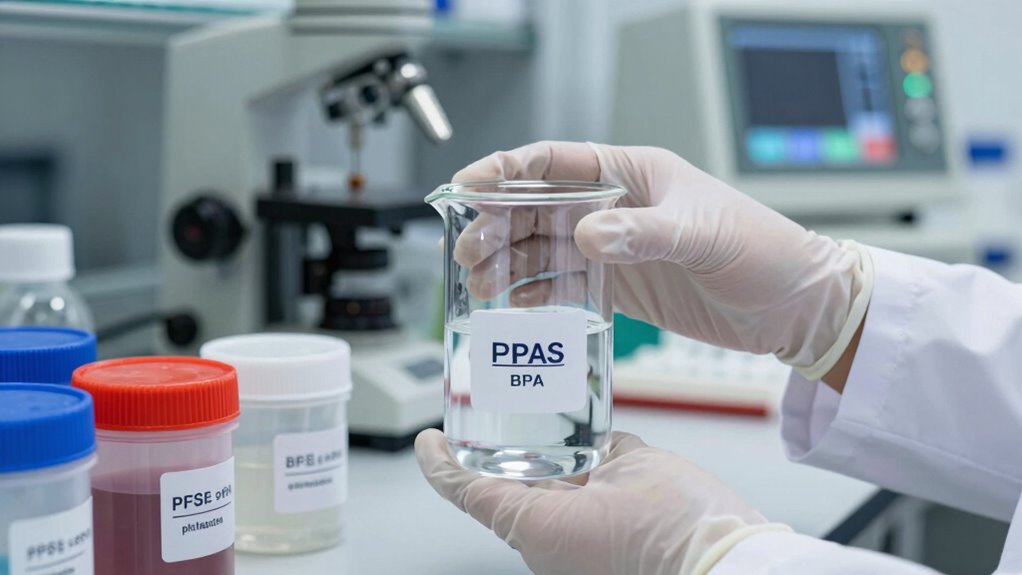
Regulators and scientists determine safety limits for chemicals like PFAS, BPA, and phthalates by reviewing scientific studies on their health effects. This process involves a thorough risk assessment to identify potential hazards. They then establish regulatory standards based on these findings. Here’s how it works:
Regulators set safety limits by reviewing scientific studies and conducting risk assessments.
- They analyze data from animal and human studies.
- They identify the dose at which no adverse effects occur.
- They apply safety factors to account for variability.
- They set exposure limits, such as tolerable daily intakes or maximum contaminant levels.
These guidelines aim to protect public health by minimizing risks. However, they rely on current science, which continues to evolve. Always check if standards are updated for the latest safety information.
When Should You Be Most Concerned About Your Exposure?

You’re most at risk of harmful exposure to PFAS, BPA, and phthalates during times when you’re in frequent or prolonged contact with sources containing these chemicals, such as certain foods, plastics, or contaminated environments. Chemical regulation policies are evolving, but gaps remain that can leave you vulnerable. Staying informed through consumer awareness helps you make better choices and minimize risks. For example, avoiding plastic containers with recycling codes 3 and 7 or opting for glass or stainless steel can reduce exposure to phthalates and BPA. Recognizing when you’re exposed—like handling food wrappers or using non-stick cookware—can guide you to safer alternatives. Being proactive about exposure during these times is key, especially when regulations lag behind or lack enforcement. Understanding chemical regulations can help you better navigate and reduce your exposure risks. Additionally, being aware of unregulated chemical use in certain products can further empower you to make safer choices.
Which Everyday Products Might Pose the Biggest Risks?

Your everyday products can expose you to harmful chemicals without you realizing it. Non-stick cookware, plastic food containers, and certain personal care items often contain substances linked to health risks. Knowing which products pose the biggest dangers helps you make safer choices and reduce your exposure. Additionally, being aware of global disruptions like Microsoft outages can help you develop contingency plans for data security and communication. Some food packaging and processing methods may involve cross-contamination risks, increasing the likelihood of non-halal ingredients in your diet. Being informed about chemical regulations can also guide you in selecting safer alternatives and advocating for better safety standards. Regularly reviewing product labels can further minimize your contact with potentially hazardous substances and vacuum technology advancements can assist in thorough cleaning to reduce allergen exposure.
Non-Stick Cookware Concerns
Non-stick cookware often seems like a convenient choice, but it can pose health risks due to the chemicals used in its coating. Historically, cookware materials like cast iron or ceramic dominated kitchens, reflecting cultural trends toward durability and safety. Today, non-stick pans are popular for their ease of use. However, concerns arise when the non-stick coating, often containing perfluorinated compounds, degrades or overheats, releasing toxic fumes or particles. To stay safe, consider these tips:
- Replace scratched non-stick pans regularly.
- Avoid heating empty or damaged cookware.
- Opt for alternatives like stainless steel or cast iron.
- Check labels for PFOA-free or ceramic options.
- As AI integration expands, understanding the ethical implications of new kitchen technologies can help consumers make informed choices. Being aware of the chemical composition of cookware can further aid in making safer selections, especially as regulatory standards evolve to address safety concerns.
Understanding these risks helps you make smarter choices aligned with evolving kitchen trends.
Plastic Food Containers Risks
Many everyday plastic food containers can pose health risks because they contain chemicals like BPA and phthalates, which may leach into your food, especially when heated. Despite recycling myths suggesting all plastics are safe or recyclable, not all plastics are equally secure for food storage. Some plastics labeled for recycling aren’t designed for repeated use or heating, increasing chemical migration. It’s tempting to rely on plastic recycling as a sign of safety, but it doesn’t guarantee your containers are free from harmful chemicals. To reduce risks, opt for glass or stainless steel containers, especially for hot foods or leftovers. Being aware of these misconceptions helps you make smarter choices, lowering your exposure to potentially hazardous chemicals in everyday food storage products. Additionally, choosing containers made from safe materials can further reduce your risk of chemical exposure.
Personal Care Product Hazards
Certain everyday personal care products can pose significant health risks because they contain chemicals like parabens, phthalates, and formaldehyde-releasing agents. These substances can disrupt your hormones and potentially increase health problems over time. To protect yourself, focus on:
- Choosing products labeled “paraben-free” or “phthalate-free”
- Reading ingredient lists carefully to identify harmful chemicals
- Supporting brands that prioritize chemical regulation and transparency
- Increasing your consumer awareness about product formulations and safety standards
Understanding which products pose the biggest risks helps you make better choices. While regulations are improving, staying informed empowers you to avoid potentially dangerous ingredients and advocate for safer personal care options. Knowledge is your best tool in steering these hazards.
How Can You Reduce Your Chemical Exposure? Practical Tips
To reduce your chemical exposure, start by choosing safer cookware like glass or stainless steel instead of non-stick options. Additionally, switch to natural skincare and cleaning products to avoid unnecessary chemicals. Small changes like these can make a big difference in lowering your risks. Consider exploring at-home beauty devices that use non-invasive technology, which can help improve your skincare routine without exposing you to harmful substances. Staying aware of emerging research related to chemical safety can also help you make more informed choices. Incorporating sector performance metrics can guide you in selecting products or investments aligned with sustainability and safety standards. To further enhance your safety, stay informed about cybersecurity measures that protect your personal data when researching these products online. Being aware of regulatory guidelines can also ensure you choose products that meet safety standards and reduce potential risks.
Choose Safer Cookware
Are you aware that the type of cookware you choose can substantially impact your exposure to harmful chemicals? To reduce chemical leaching, opt for safe cookware options. Here are four tips:
- Use stainless steel or cast iron for everyday cooking—these materials are less prone to chemical leaching.
- Avoid non-stick pans with Teflon or other synthetic coatings that can release toxic fumes.
- Check labels carefully—choose cookware labeled as free from PFOA, PTFE, BPA, or phthalates.
- Replace old or damaged cookware promptly, as degraded surfaces may release more chemicals.
Opt for Natural Products
Choosing safer cookware is a great step, but reducing your overall chemical exposure involves more than just the materials you cook with. Opting for natural products, like fresh fruits, vegetables, and unprocessed foods, helps minimize contact with synthetic chemicals. When shopping, look for chemical substitutes that avoid additives and preservatives linked to hormone disruption. Additionally, supporting regulatory policies that restrict harmful substances encourages safer manufacturing practices, benefiting everyone. Choose natural cleaning and personal care products over those with synthetic fragrances or chemicals, which often contain phthalates or BPA. By prioritizing whole, unprocessed items and advocating for stronger regulations, you reduce your exposure to dangerous chemicals and promote a healthier environment. Small daily choices can considerably lower your risk of chemical-related health issues.
Are There Benefits to Using Products With These Chemicals?

Some products containing PFAS, BPA, and phthalates offer practical benefits that appeal to consumers. The benefits of chemicals often lie in their functional uses, making everyday life easier. Here are four advantages:
- Durability – PFAS provides water and stain resistance, extending product lifespan.
- Safety – BPA is used in food packaging to prevent contamination.
- Flexibility – Phthalates increase plastic flexibility, improving product usability.
- Cost-effectiveness – These chemicals can reduce manufacturing costs, making products more affordable.
While these benefits are clear, it’s important to weigh them against potential health risks. Understanding the functional uses of these chemicals helps you make informed choices about their use.
How to Stay Informed About Chemical Safety Updates

Staying informed about chemical safety updates is essential for making health-conscious choices, especially as new research and regulations frequently emerge. To keep up, regularly check trusted sources like government agencies, such as the EPA or FDA, which publish updates on chemical detection and safety standards. Subscribe to newsletters from reputable health organizations and scientific journals that highlight research advancements related to chemicals like PFAS, BPA, and phthalates. Follow industry watchdog groups and environmental advocacy organizations for alerts on emerging concerns and policy changes. Social media channels and online forums can also be useful for real-time updates. By staying proactive, you can better understand risks, adjust your habits, and make informed decisions to protect your health.
Frequently Asked Questions
Are There Any Safe Levels of PFAS, BPA, or Phthalates?
There are no universally accepted safe levels of PFAS, BPA, or phthalates, as regulatory thresholds and safety standards vary by agency and country. You should stay informed about current guidelines, which often specify maximum allowable concentrations in products or water. While low levels might be deemed acceptable, ongoing research suggests minimizing exposure whenever possible. Always check the latest safety standards and choose products labeled as free from these chemicals to protect your health.
How Do Regulations Differ Between Countries Regarding These Chemicals?
Did you know that over 100 countries have different regulations on these chemicals? International standards are often inconsistent, leading to regulatory discrepancies that can put your health at risk. Some nations ban certain chemicals entirely, while others have lax limits. You should stay informed about local rules, as these differences can profoundly impact the safety of products you use daily. Always check your country’s regulations for the best protection.
Can These Chemicals Accumulate in the Human Body Over Time?
Yes, these chemicals can accumulate in your body over time due to bioaccumulation concerns. Your exposure pathways, like contaminated food, water, or household products, increase the risk of buildup. Since some chemicals resist breakdown, repeated exposure can lead to higher concentrations in your tissues. To reduce this risk, limit contact with products containing these substances and stay informed about potential sources of exposure in your environment.
Are Children More Vulnerable to Chemical Exposures Than Adults?
You’re more vulnerable to chemical exposures as a child because of their developing bodies and higher exposure differences. Children absorb more chemicals relative to their size and might not detoxify them as efficiently as adults. Their behaviors, like crawling and hand-to-mouth activity, increase contact with contaminated surfaces. So, it’s essential to minimize their exposure, especially to harmful substances, to protect their health and development.
What Are the Latest Scientific Findings on Long-Term Health Effects?
Studies show that over 90% of people have detectable levels of chemicals like PFAS, BPA, and phthalates through biomarker detection, indicating widespread chronic exposure. Long-term health effects include increased risks of hormonal disruptions, immune system issues, and certain cancers. You should stay informed about these findings, as ongoing research continues to clarify how sustained exposure impacts your health, emphasizing the importance of minimizing contact with potential sources.
Conclusion
Stay savvy and stay safe by spotting sources, shielding yourself from harmful substances, and staying informed. By choosing cleaner, safer products and being cautious about chemicals like PFAS, BPA, and phthalates, you can protect your health and peace of mind. Remember, knowledge is your best defense—don’t wait to wonder, act today, and create a healthier, happier home free from hidden hazards. Your well-being begins with awareness and action.