If a product feels unsafe, start by inspecting it carefully for damage, missing parts, or unusual smells and heat. Take clear photos of any defects, labels, and safety warnings, and note when and where issues occur. Check official safety recall sites and consumer alerts for related reports. Report hazards promptly to manufacturers or safety agencies, and if anyone is injured, seek medical care and document everything. Continuing will help you understand how to protect yourself and take next steps.
Key Takeaways
- Document all hazards with detailed photos, notes, and timestamps for accurate reporting.
- Contact relevant safety authorities or manufacturers through official channels to report concerns.
- Preserve the faulty product and gather evidence like receipts, labels, and injury records.
- Stay informed on recalls and safety alerts via official government and manufacturer websites.
- Seek medical attention for injuries and consult legal professionals if needed to protect your rights.
How Can You Recognize If a Product Is Unsafe?
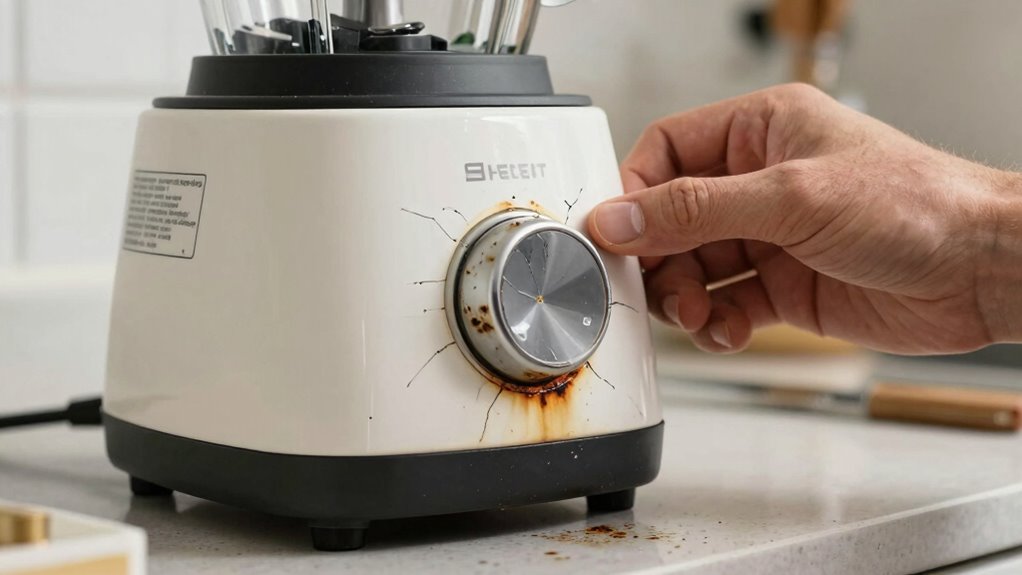
How can you tell if a product might be unsafe? Your best tool is understanding product safety and hazard recognition. Look for obvious signs like damage, missing parts, or labels that aren’t clear. If a product smells strange or feels unusually hot, these are warning signs. Pay attention to safety warnings, instructions, and whether the product meets safety standards. Sometimes, a product may look fine but still pose risks, so trust your instincts. Be cautious of products that seem poorly made or have inconsistent quality. Recognizing hazards early can prevent accidents and injuries. Always review product reviews or reports if available, and don’t ignore any red flags. Staying alert and aware helps ensure you can identify unsafe products before they cause harm. Additionally, understanding the filtering and pump protection *design principles* can help you assess the overall safety and durability of spraying equipment, preventing potential malfunctions that could pose safety risks. Recognizing these design principles can be crucial in assessing a product’s overall safety and durability. Regularly inspecting products for compliance with safety standards, such as those outlined in industry regulations, can further reduce the risk of hazards.
Where Can You Find Reports and Evidence of Product Hazards?
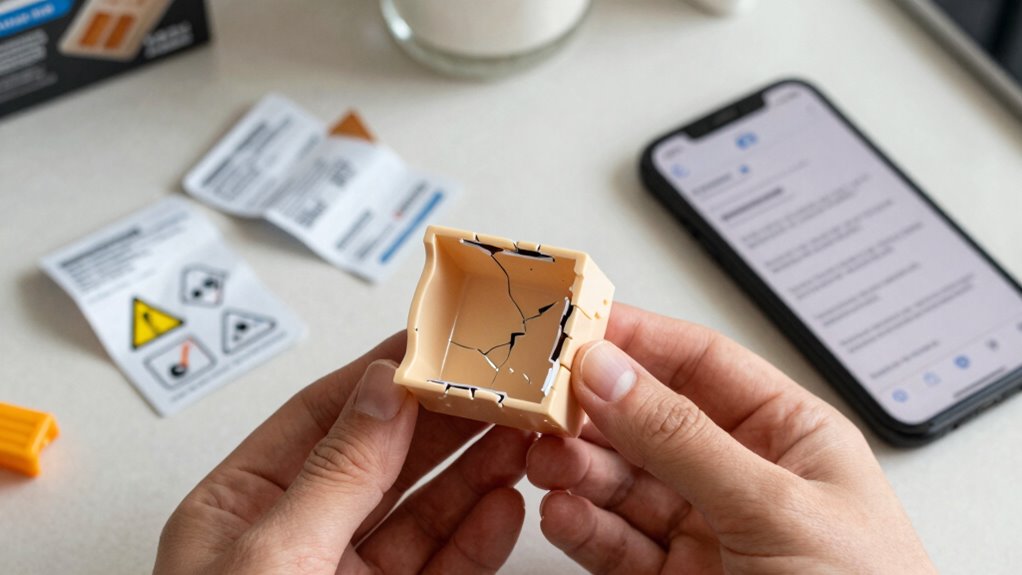
You can find reports and evidence of product hazards through official government websites and safety agencies. Consumer safety websites also provide valuable information and alerts about potential risks. Additionally, news outlets and media coverage often highlight safety concerns and product recalls, helping you stay informed. Monitoring these sources can also alert you to Rhythm Failure related issues that may affect consumer safety. Checking smart-home integrations updates and alerts can also help identify potential hazards linked to household robots. Staying updated on product safety regulations can ensure you are aware of recent standards and compliance requirements that address emerging risks. Regularly reviewing electric bike safety advisories can help you recognize specific concerns related to electric vehicles and their components. Being aware of hazard reports from manufacturers and safety organizations can further enhance your ability to identify and respond to potential dangers before they result in harm.
Official Government Reports
Government agencies regularly publish reports and evidence of product hazards, making them valuable resources for staying informed about unsafe products. These official reports help you understand issues related to product safety and assist in hazard identification. Agencies like the Consumer Product Safety Commission (CPSC) and the Food and Drug Administration (FDA) provide detailed alerts, recalls, and safety investigations on their websites. You can access these reports to see documented hazards, dangerous trends, and regulatory actions. They often include consumer notices, safety warnings, and testing results, helping you make informed decisions. Checking these government publications guarantees you stay updated on potential risks and understand how authorities are addressing safety concerns, empowering you to take appropriate next steps if you suspect a product is unsafe. Additionally, reviewing projector technology advancements and safety standards can help identify potential issues before purchasing or using new equipment. Staying aware of regulatory standards can further aid in recognizing whether a product complies with safety requirements, especially when consulting official safety reports for specific product categories. Being familiar with hazard reporting procedures ensures you know how to respond effectively if you encounter or suspect safety violations.
Consumer Safety Websites
Consumer safety websites are valuable tools for finding reports and evidence of product hazards quickly and easily. These sites compile data from manufacturers, government agencies, and consumer reports to aid in hazard identification. By visiting trusted platforms like the Consumer Product Safety Commission or the FDA’s website, you can access detailed safety alerts, recall notices, and incident reports. These resources help you understand potential risks and determine whether a product is involved in a safety concern. They also provide guidance on how to proceed if you suspect a hazard. Using these websites regularly keeps you informed about emerging dangers, empowering you to make safer choices. In moments of doubt, they’re your go-to source for credible, up-to-date product safety information. Understanding hazard reports is essential for evaluating the safety of household products effectively. Staying informed through these resources allows consumers to recognize early warning signs that may indicate a product is unsafe. Additionally, many of these sites include vetted information on wave and wind effects that could influence product safety or performance. Regularly reviewing official safety alerts can help you stay ahead of potential hazards before they impact your health or safety. Being aware of reliable safety data can further enhance your ability to identify and respond to product concerns promptly.
News and Media Coverage
News outlets and media reports are valuable sources for uncovering recent product hazards and safety concerns. Media scrutiny often highlights issues that might otherwise go unnoticed, helping to raise public awareness about dangerous products. When a product feels unsafe, checking reputable news sources can reveal reports of recalls, injuries, or government investigations. Media coverage can also provide context and expert opinions, making it easier for you to assess the severity of a hazard. Staying informed through trusted news outlets helps you spot emerging risks early and understand the scope of potential dangers. By paying attention to media reports, you’re better equipped to take action, whether that means avoiding a product or alerting others about hazards that need attention. Monitoring product safety alerts from credible sources can further enhance your ability to respond promptly to potential dangers.
How Do You Document Signs of an Unsafe Product?
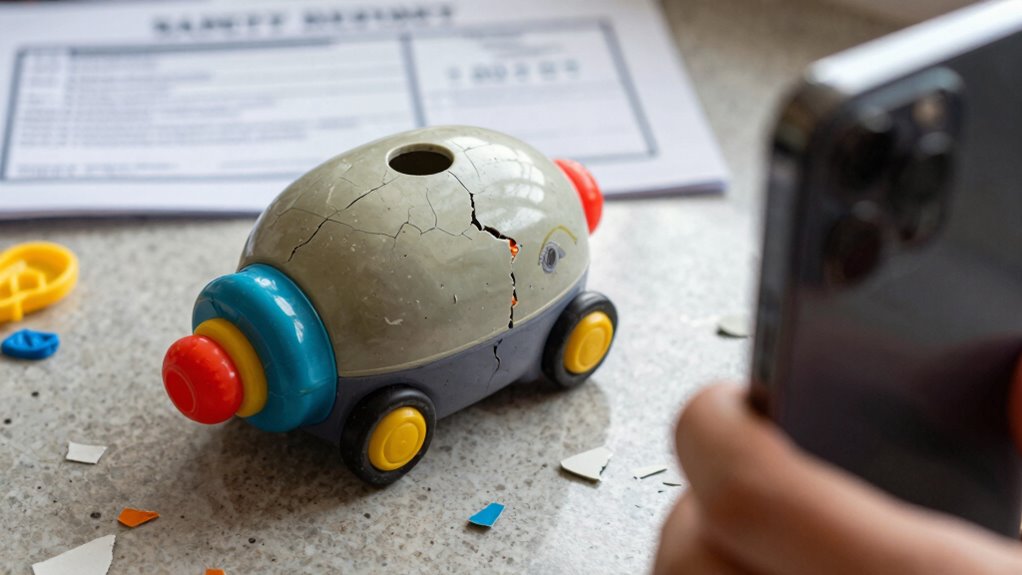
To effectively document signs of an unsafe product, start by clearly noting what you observe. During your product inspection, record any physical issues like cracks, burns, or broken parts, and note unusual behaviors or malfunctions. Take detailed photographs from multiple angles, capturing the specific defect or hazard. Keep a written record of when you noticed these issues, including dates and times. Document any safety warnings or labels that are missing or unclear. This hazard documentation helps create a clear record of the product’s unsafe condition. Be precise and thorough in your notes, as this evidence can be useful if you need to report the problem or seek legal action. Accurate documentation is key to establishing the product’s unsafe nature. Additionally, understanding product safety standards can help you determine if the product truly violates safety regulations. Familiarizing yourself with regulatory compliance ensures your documentation aligns with legal requirements and strengthens your case. Being aware of incident reporting procedures can also streamline the process of notifying authorities or manufacturers about hazards. Incorporating proper documentation practices can further improve the clarity and effectiveness of your reports. Recognizing potential hazards early can help prevent accidents and injuries related to unsafe products.
How to Check Safety Recalls and Consumer Alerts for Your Product?
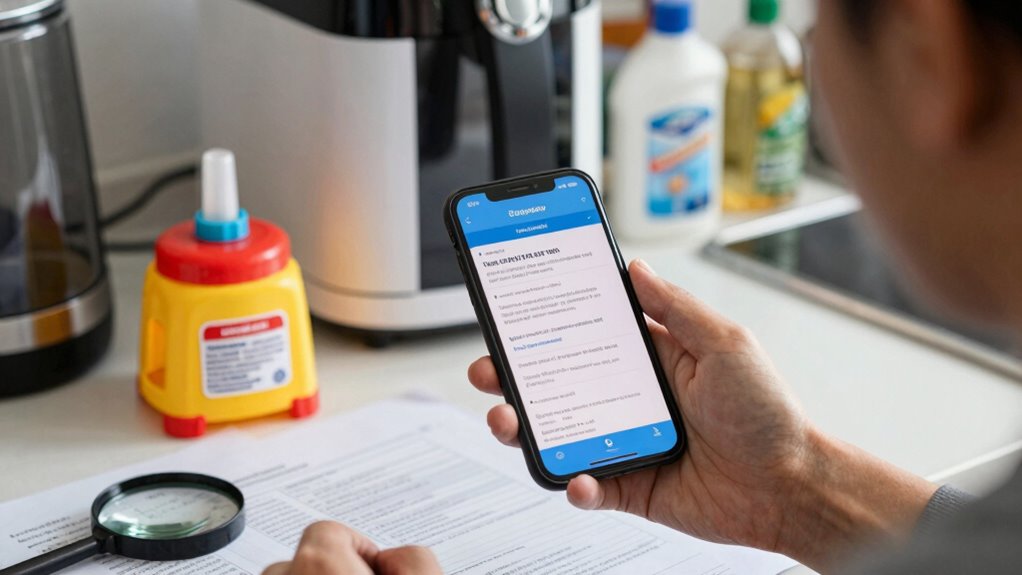
Checking for safety recalls and consumer alerts is a crucial step in ensuring your product’s safety. To stay informed, regularly perform recall checks on trusted websites and government agencies. You can:
- Visit the Consumer Product Safety Commission (CPSC) website for the latest recall notices
- Check the manufacturer’s official site for product safety updates
- Sign up for alerts from consumer advocacy groups
- Use mobile apps that track recall alerts
- Review labels and packaging for recall information
- Stay informed about emerging nanotechnology applications that might impact product safety.
These steps help you quickly identify if your product has been recalled or flagged for safety issues. Staying proactive with recall checks ensures you’re aware of potential hazards and can take immediate action to protect yourself and your family.
How to Report a Dangerous Product to Authorities and Manufacturers?
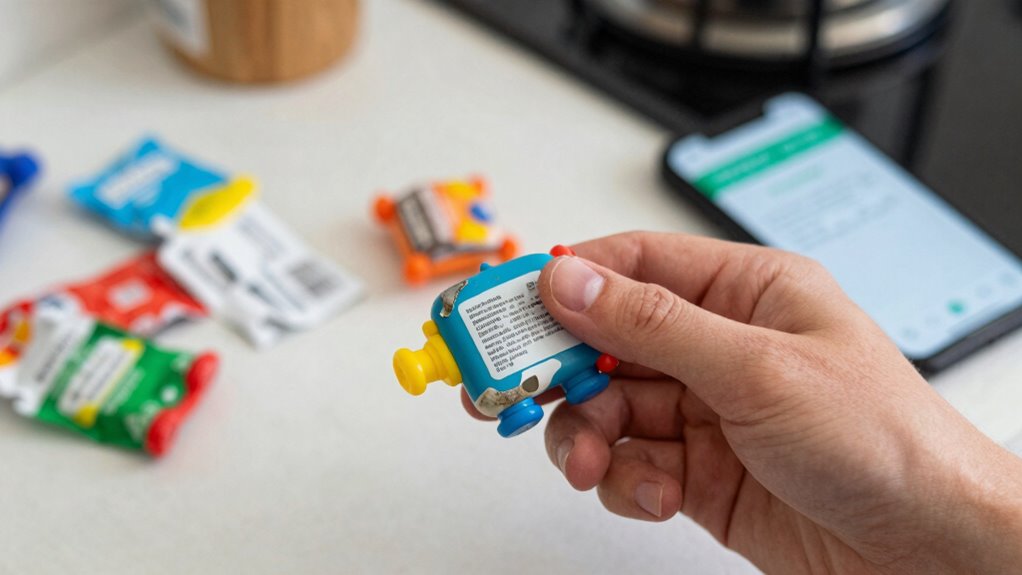
To report a dangerous product, you need to follow specific procedures through the right channels, such as government agencies or the manufacturer. Be prepared to provide detailed evidence and observations to support your claim. Clear communication helps guarantee authorities can investigate and take appropriate action quickly.
Reporting Procedures and Channels
When you come across a dangerous product, reporting it promptly helps protect others from harm. To do this effectively, follow proper procedures for reporting hazards. Start by identifying the product’s issues through thorough hazard identification and noting any signs of product testing failures. Then, choose the right channels for reporting:
- Contact your local consumer protection agency
- Report directly to the manufacturer
- Use online reporting portals for faster submission
- Reach out to national safety organizations
- Keep detailed records of your observations and photos
Quick action ensures authorities can investigate swiftly, helping prevent injuries. Clear communication about the product’s risks supports accurate hazard identification, leading to appropriate responses. Always follow official guidelines to ensure your report reaches the right people and prompts necessary safety measures.
Providing Evidence and Details
Providing detailed evidence when reporting a dangerous product guarantees authorities can quickly assess the risk and take appropriate action. To improve product safety and support hazard identification, include clear descriptions of the issue, such as photos or videos showing the defect or hazard. Note the product’s brand, model number, purchase date, and where you bought it. Record any injuries or damages caused, including timestamps if possible. Keep copies of receipts, packaging, and correspondence with the manufacturer. The more precise and exhaustive your evidence, the easier it is for authorities to evaluate the danger and implement necessary recalls or safety alerts. Accurate hazard identification depends on your thorough documentation, ensuring swift action to protect others from potential harm.
What Should You Do If You or Others Are Injured by a Faulty Product?
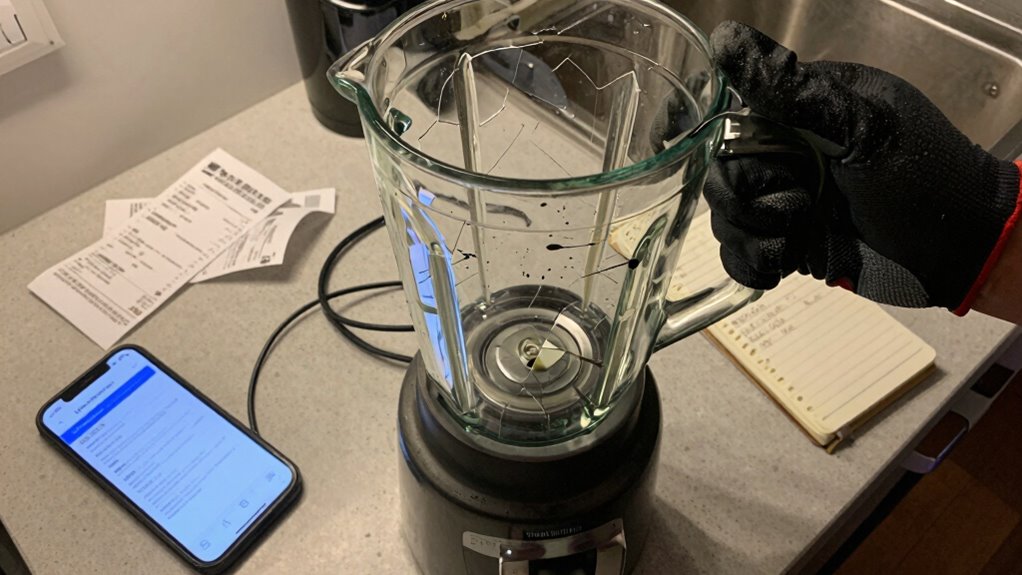
If you or someone else gets injured by a faulty product, acting quickly can make all the difference. Your first step is to seek medical attention immediately and document the injury. Next, preserve the product in its current state for inspection, as it may be vital for establishing product liability. Report the incident to the manufacturer and relevant safety regulations authorities to help prevent future harm. Keep detailed records of your injuries, medical treatments, and any communications. Consider consulting a lawyer experienced in product liability to understand your rights. Also, notify consumer protection agencies and gather witness statements if others saw the incident. Taking these steps promptly ensures your safety and strengthens your case if you pursue legal action.
What Are Your Legal Rights and Options for Unsafe Products?
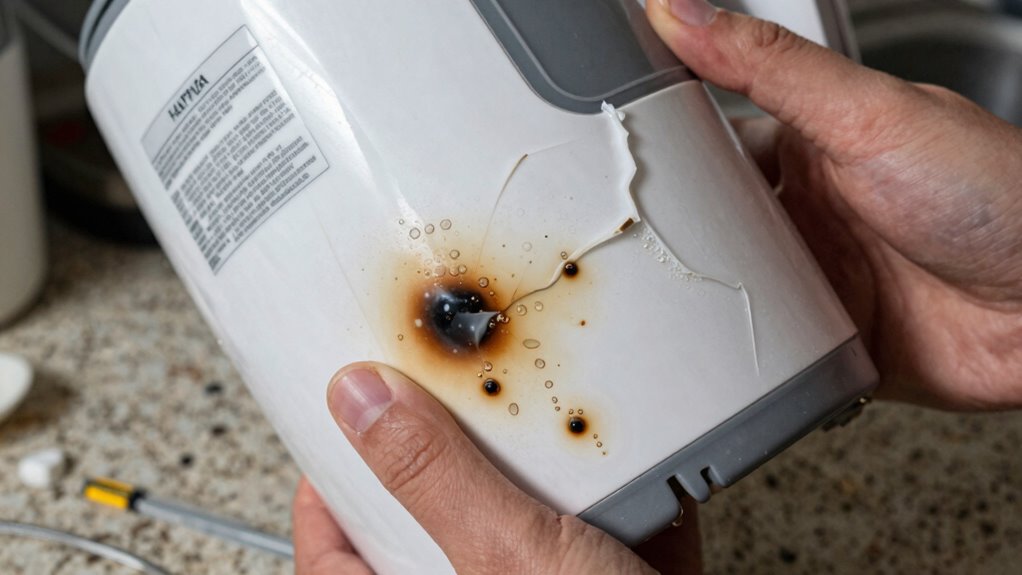
Understanding your legal rights when dealing with unsafe products is crucial. You have consumer rights that protect you when a product is dangerous or faulty. If you’re injured or your property is harmed, legal remedies like filing a product liability claim can help you seek compensation. You may be able to pursue a lawsuit against the manufacturer or retailer if they failed to warn you of the risks or sold a defective product. Reporting unsafe products to consumer protection agencies can also lead to recalls and prevent others from being harmed. Knowing your rights empowers you to take appropriate action, whether that’s demanding a refund, replacement, or pursuing legal recourse. Always document your experience and consult a legal professional to explore your options fully.
How Can You Prevent Buying Dangerous Products in the Future?
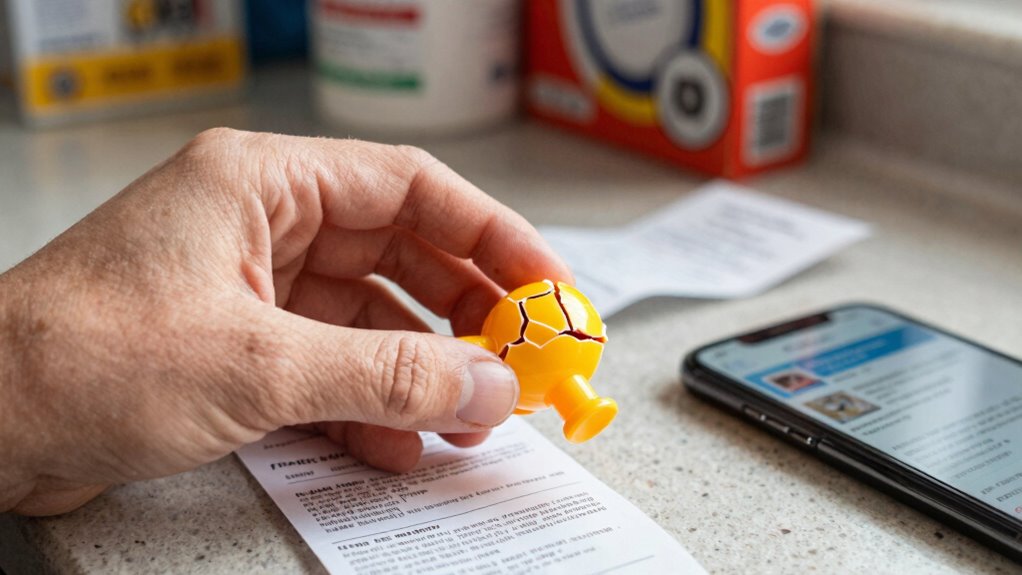
Taking proactive steps can substantially reduce the chances of purchasing dangerous products in the first place. Start by prioritizing product testing and research before buying. Look for reviews and safety ratings from reputable sources to gauge product quality. Educate yourself about common hazards related to specific items, so you can spot potential dangers early. Always check for safety certifications and recall notices. Be cautious of cheap, unverified products, especially online. Stay informed through consumer education resources, which explain how to identify safe products and avoid scams. Additionally, subscribe to safety alerts and manufacturer updates. These practices help you make smarter choices, ensuring your purchases are safe and reliable from the start.
Frequently Asked Questions
How Long Does It Take for Authorities to Investigate a Product Report?
It varies, but authorities typically take several weeks to months to investigate a product report. They begin with product testing to assess safety standards and gather evidence. During this process, they review reports, examine the product, and consult experts. Your report helps prioritize cases, but the investigation timeline depends on complexity and available resources. Stay in touch with authorities for updates and follow their guidance throughout the process.
Can I Sue a Manufacturer for Injuries Caused by an Unsafe Product?
Yes, you can sue a manufacturer for injuries caused by an unsafe product. Your liability claims depend on proving the product was defective or lacked proper warnings. Legal recourse is available if the manufacturer’s negligence or design flaws directly led to your injury. Consulting a personal injury attorney can help you navigate the process and determine the strength of your case, ensuring you pursue appropriate compensation.
Are There Specific Labeling Requirements for Product Safety Warnings?
Yes, there are specific labeling requirements for product safety warnings. You should look for clear, visible, and understandable product labeling that provides safety warnings, especially for hazardous items. Manufacturers are legally obliged to include necessary safety warnings on their products to prevent injuries. Always read the product labeling carefully before use, and report any missing or unclear safety warnings to relevant authorities to help protect yourself and others from potential harm.
What Should I Do if I Suspect a Product Hazard but Have No Proof?
If you suspect a product hazard but lack proof, trust your instincts and prioritize product safety. Report your concerns to consumer advocacy groups or relevant authorities, even without concrete evidence. Your vigilance helps protect others and prompts further investigation. Stay informed about safety recalls and guidelines, and consider sharing your suspicions to encourage proactive safety measures. Your proactive steps contribute markedly to ensuring safer products for everyone.
How Can I Stay Informed About New Product Recalls and Safety Alerts?
You can stay informed about new product recalls and safety alerts by subscribing to safety newsletters from consumer watchdogs and government agencies like the CPSC. Follow their social media accounts for real-time updates and sign up for email alerts. Regularly check trusted consumer advocacy websites to get the latest information, ensuring you’re always aware of potential hazards and recalls, so you can act quickly if needed.
Conclusion
So, next time your shiny new gadget suddenly turns into a hazard, remember you’re the boss of your safety. Don’t just shrug it off—report, document, and stay informed. After all, who needs a dangerous product when you could be out enjoying life instead of fixing injuries or fighting recalls? Stay vigilant, and keep your shopping list hazard-free. Because, honestly, the only thing that should be dangerous about your products is your wild dance moves.